A complete guide to moving from Ontario to Florida

Key Takeaways
Moving an entire household across international borders requires a combination of meticulous planning, strict document compliance, and the right logistical support to ensure a seamless transition.
- Start your relocation planning at least three months before your departure date to manage logistics.
- Obtain an inventory list of your personal goods for customs clearance requirements.
- Separate restricted items from your shipment to prevent delays at the border inspection stations.
- Prioritize professional packing services to protect high-value items during the long transit.
- Research the specific registration and residency requirements mandated by the state of Florida for new arrivals.
Planning your cross-border move
Transitioning from Canada to the United States requires comprehensive preparation to handle legal and logistical hurdles effectively. Developing an organized strategy early helps keep all relocation tasks on track while minimizing stress.
Creating a detailed moving timeline
A robust timeline is the foundation of any successful transition. By establishing key benchmarks such as document acquisition, house hunting, and mover selection, you avoid the pressure of last-minute deadlines. Establishing this sequence early allows for the gradual completion of necessary tasks without compromising the quality of your move.
Categorizing your household goods for inventory
Proper documentation starts with a precise inventory of everything moving across the border. You should list items room by room, noting any serial numbers or high-value features. Taylor helps customers manage long-distance, cross-border, and corporate relocation moves with a quality-first approach, ensuring that your inventory list is accurate for customs and transit security.
Budgeting for international relocation costs
When calculating the expenses associated with moving from Canada to Florida, you must account for transport costs, potential storage needs, and customs-related fees. Many households find that securing their budget early provides clarity regarding the level of professional assistance they can afford. It is essential to allocate funds specifically for international premiums when you compare various quotes during the research phase.
Coordinating with professional moving partners
Trusting professionals experienced in international transitions makes a significant difference in the success of your move. A qualified team handles the heavy lifting, coordination, and administrative requirements of international logistics. You can book a consultation to ensure your move is handled correctly from estimate through to the final delivery of your goods.
Understanding customs and documentation

Navigating international entry requires a deep understanding of the regulatory environment governing household goods crossing the border. Preparation is the key to minimizing complications when you reach an inspection station during your relocation.
Required paperwork for Canadian household goods
Accurate filing is critical when importing your goods into the United States. Below is a summary of the common documentation you will need to have organized for your border arrival.
| Document Type | Purpose | Responsibility |
|---|---|---|
| US Customs Form 3299 | Declaration of free entry | The owner |
| Detailed Inventory | Valuation and customs assessment | Moving company |
| Passport or Visa | Proof of legal standing | The owner |
Maintaining these records ensures that you have everything ready for the agent during the entry process.
Managing customs entry requirements
Entry requirements change based on your legal status, whether you are entering on a work visa or as a permanent resident. You must verify that every requirement is met before beginning your transit phase. Working with specialists who understand customs-aware coordination helps streamline this complex workflow at the border.
Declaring restricted or prohibited items
Certain items, including specific food products, plants, or endangered animal products, are strictly prohibited or require extensive special handling. Reviewing any updated lists of banned goods before packing your storage containers is vital. This proactive measure prevents the seizure of your possessions or significant delays while authorities verify your shipment.
Preparing for border crossing inspections
Border crossing inspections are a standard procedure for all household shipments moving internationally. Your moving crew acts as the central link during this inspection, providing the necessary declarations on your behalf. By having all paperwork clearly labeled and accessible, you help authorities move through the verification process efficiently.
Logistics of long-distance relocation
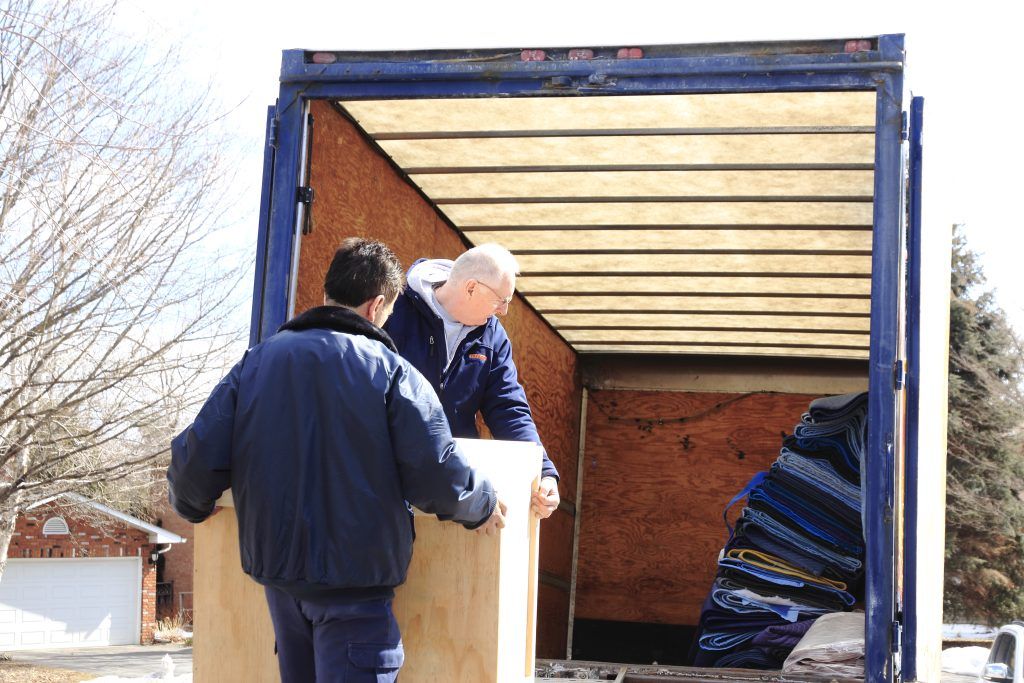
Long-distance transport involves more than just driving your items from one location to another. Coordinating the path, storage, and handling of fragile goods defines the quality of your total relocation experience when moving to a warmer climate.
Determining the most efficient route
Selecting the path that balances transit time and road safety is the responsibility of your logistics coordinator. Factors such as weather patterns, road construction, and the overall distance affect the total travel time for your household items. A well-planned transit schedule reduces the likelihood of mechanical delays or logistical errors during the long journey south.
Scheduling professional pickup and delivery windows
Managing your flexibility helps ensure that your arrival at your new residence matches the arrival of your belongings. Providing realistic windows for these services allows the carrier to optimize their load paths effectively. Clear communication between parties is the best way to keep these schedules aligned for a stress-free transition.
Utilizing climate-controlled storage for long-distance transit
Maintaining the environment of your items during transit or before their arrival in Florida is paramount. Using professional warehousing provides several key benefits for your transition:
- Protection against humidity and temperature fluctuations.
- Increased security measures compared to standard residential storage.
- Easier access to specific items if your schedule requires an ad-hoc retrieval.
- Long-term preservation of furniture materials like wood and leather.
These storage solutions offer peace of mind when your moving timeline encounters unexpected changes.
Implementing custom crating for high-value items
Your fragile or high-value items deserve specialized protection beyond standard wrapping techniques. Custom crating provides a rigid framework that prevents damage during the vibration or handling associated with long-distance road transport. This added layer of safety ensures that your most expensive belongings reach their destination in the same condition as when they left.
Managing your relocation budget
Effective budget management is about transparency and understanding what value you are receiving for your investment. Quality service often involves additional planning and communication support that protects your peace of mind.
Differences between weight-based and mileage-based pricing
Most carriers determine costs using a combination of the weight of your goods and the total mileage of the route. Understanding this distinction is vital when comparing quotes from different providers. A heavier shipment over a longer distance naturally results in higher costs, but understanding the breakdown allows you to find efficiencies where possible.
Understanding value versus the lowest quote
Selecting a mover solely based on a low price can lead to unexpected risks or service gaps. Instead, look for value in the form of professional competence, insurance reliability, and transparent communication throughout the move. Taylor supports Canada–US moves with a quality-first process, ensuring that your investment covers essential professional standards rather than hidden compromises.
Factoring in insurance and transit valuation coverage
Transit coverage options protect your financial interest in the event of an accident or loss during your international shipment. Reviewing the terms of their policies is essential, as standard coverage sometimes has significant limitations. Investing in comprehensive coverage ensures your household assets are fully protected throughout the entire transit process.
Allocating funds for hidden moving expenses
Unexpected costs like tolls, specialized parking fees, or temporary storage can quickly inflate a moving budget. By setting aside a contingency fund of ten to fifteen percent of your initial quote, you protect yourself against these variable costs. Planning for these unknowns is a sign of a well-prepared relocatee who values a seamless transition.
Settling into Florida after your move
Settling into your new life requires attention to detail regarding local state regulations. Once you have arrived, focus your immediate efforts on reconciling your legal and utility status to match your new residence.
Registering your vehicle with the Florida Department of Highway Safety and Motor Vehicles
Florida law requires you to transfer your vehicle registration from your previous jurisdiction shortly after you establish residency. You will need to provide your out-of-state driver’s license, proof of insurance, and evidence of ownership to the local department office. Starting this process early prevents penalties associated with operating an unregistered foreign vehicle.
Understanding residency requirements for new arrivals
Residency requirements in Florida are specific, particularly those regarding how you demonstrate your physical presence for tax and health purposes. Familiarizing yourself with these statutes early can help you understand your obligations under state law. Maintaining accurate records of your move-in date and your physical address is a simple, effective practice for new arrivals.
Updating essential medical and legal documentation
After moving, you need to transition your medical records and legal identifiers to align with the laws of your new state. Update your information with financial institutions, healthcare providers, and any local governing bodies in your new municipal area. Promptly managing these changes allows you to access services as a resident without administrative barriers.
Establishing local utility and service connections
Bringing your home online requires setting up utilities like electricity, water, and internet services in your name. Reach out to local providers in advance to ensure these connections are active upon your arrival at your new residence. Having your home functional on move-in day transforms a new space into a home immediately, which is exactly why Canada’s best, most professionally trained movers recommend managing this as a priority task.
Conclusion
Moving an entire household to Florida involves significant logistics that extend well beyond simple transportation tasks. By adhering to a clear timeline, working with professional partners, and maintaining precise documentation for customs, you can navigate your international transition with confidence and success.
Frequently Asked Questions
How far in advance should I start planning my move?
You should start planning your move a minimum of three months before your projected move-in date to ensure you have enough time to organize documentation and hire professional services.
Is it possible to transport my own vehicle across the border?
Yes, you can import your vehicle, but you must complete specific US Customs and Border Protection formalities and comply with state-level emissions and registration standards upon arrival.
What documents are most important for the customs process?
Your primary documents include a valid passport or visa, a comprehensive househould goods inventory, and the required US Customs entry declaration forms for free entry.
Can I move prohibited items that I have packed myself?
Prohibited items cannot be imported under any circumstances; it is essential to review the latest guidance on restricted or banned goods before your packing day to avoid any issues.
How can I ensure my belongings are safe during a long-distance transit?
Utilizing professional packing, custom crating for high-value goods, and selecting climate-controlled storage are the best ways to keep your items protected while traveling across international lines.
What happens if I encounter problems during customs clearance?
Customs issues often arise due to incomplete paperwork; keeping copies of every form and having a professional coordinator involved in your shipping process is your best strategy for resolving discrepancies quickly.
How does moving during the off-season benefit my budget?
Moving during the off-season, typically outside of summer months, often provides better availability of professional moving teams and can sometimes offer more flexible pricing options depending on demand.
Leave a Comment