Demystifying ‘What’s Considered Long Distance Moving?’ and Key Factors to Consider

Thinking about a move that takes you across provinces or even to another country? It’s easy to get confused about what actually counts as a ‘long distance move.’ It’s more than just a few extra miles; it involves different planning, different costs, and sometimes, different rules. This guide breaks down what’s considered long distance moving, especially here in Canada, and what you really need to think about before you pack that first box.
Key Takeaways
- In Canada, a move is generally considered long distance when it crosses provincial borders or covers a significant mileage, often over 100-150 miles, distinguishing it from local moves.
- The cost of long-distance moving isn’t just about the distance; it’s heavily influenced by the weight of your belongings, the specific services you need, and the time of year.
- Expect a more involved process for long-distance moves, including detailed surveys, careful packing, specific transit times, and coordinated delivery, often requiring more advance planning than local moves.
- Choosing the right long-distance mover means looking beyond the cheapest quote to find a company with good communication, clear service levels, proper insurance, and a solid reputation.
- Moving across provincial lines or internationally adds layers of complexity, such as specific documentation, customs regulations, and potential visa considerations, which are separate from standard long-distance moves.
Defining What’s Considered Long Distance Moving in Canada
So, you’re planning a big move across the country, maybe from Vancouver to Halifax, or perhaps from Toronto to Calgary. It’s natural to wonder, "When does a move officially become a ‘long distance’ one?" In Canada, the lines can sometimes feel a bit blurry, but there are general guidelines that most moving companies follow.
Key Distance Thresholds and Definitions
Generally speaking, a move is considered long distance in Canada when it crosses a significant geographical span. While there isn’t one single, universally mandated distance, a common benchmark used by many movers is around 150 kilometers or more. This distance often signifies a move that requires more complex logistics, longer travel times, and a different approach than a simple local relocation. Think of it as the point where your belongings are likely to be loaded onto a larger transport truck for a substantial journey, rather than a smaller van for a short trip across town.
Long Distance vs Local Moves
The main difference between a local and a long-distance move in Canada boils down to distance and complexity. Local moves typically happen within the same city or a closely surrounding area, often within the same province. They’re usually charged by the hour, and the logistics are relatively straightforward. Long-distance moves, on the other hand, involve greater distances, often spanning multiple provinces. Because of this, they are usually priced differently, often based on factors like the weight of your shipment and the mileage involved. The planning and execution also require a higher level of coordination.
- Local Moves: Shorter distances, often within the same province, typically charged hourly. Focus is on efficient loading and unloading within a limited timeframe.
- Long Distance Moves: Greater distances, often interprovincial, usually priced by weight and mileage. Involves more extensive planning, transit time, and coordination.
Common Misconceptions About Long Distance Moving
One common misunderstanding is that any move outside your immediate neighbourhood is automatically a long-distance one. That’s not quite right. A move from downtown Toronto to Mississauga, while a decent drive, is usually still considered local by most movers. It’s the sheer mileage and the potential need for overnight stops or different types of transport that really define a long-distance move. Another misconception is that the process is just like a local move, only longer. In reality, long-distance moves often involve more detailed inventory, specialized packing for transit, and different insurance considerations. It’s a whole different ballgame, really.
The key takeaway is that long-distance moving in Canada is primarily defined by the distance covered, typically exceeding 150 kilometers, and the increased logistical demands that come with it. It’s more than just a longer drive; it’s a different category of relocation service.
How Long Distance Moving Costs Are Calculated in Canada
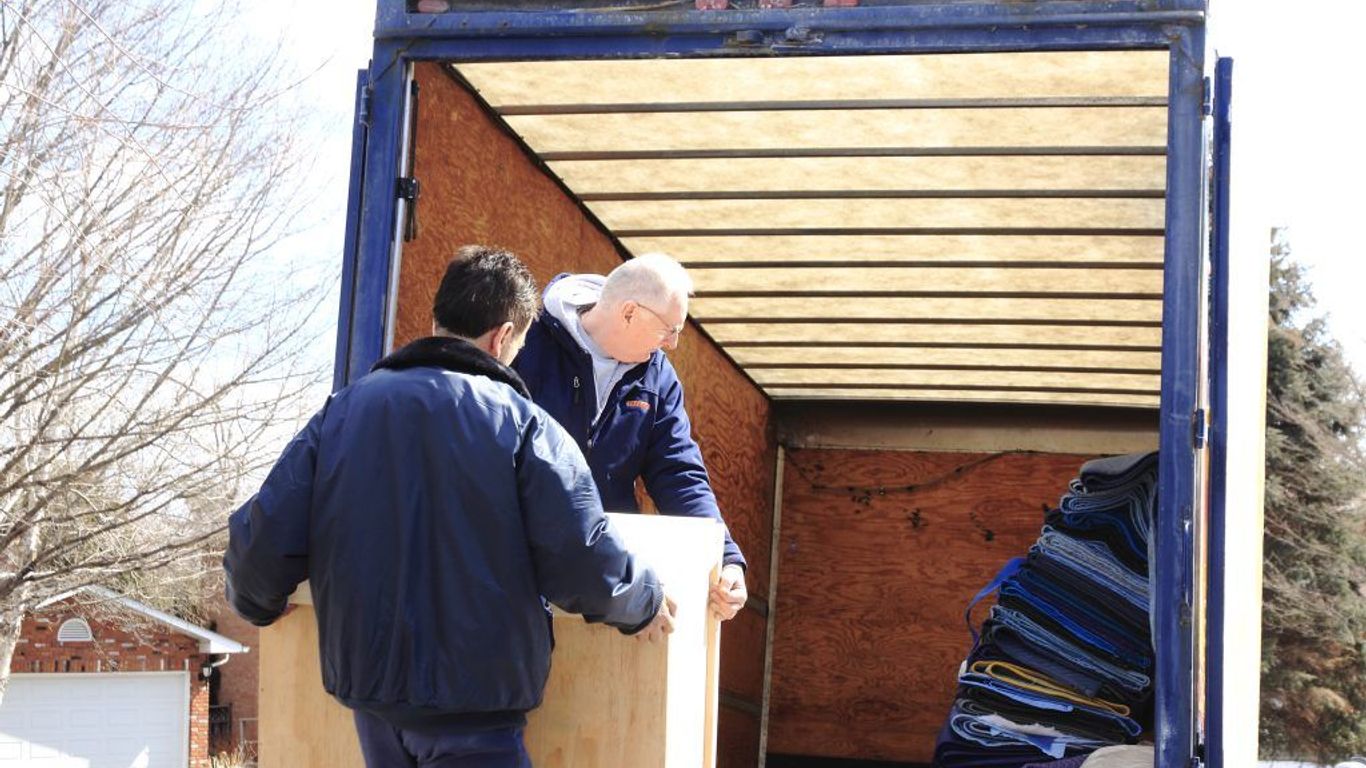
When you’re planning a long distance move in Canada, one of the first questions is simple: how much is this going to cost? But once you actually try to answer it, things suddenly get a whole lot trickier. Unlike moving across town, long distance moving in Canada is a different ballgame, with more variables and a few formulas thrown in.
Weight-Based vs. Mileage-Based Pricing
For moves that go between provinces, most Canadian movers calculate their prices based on two main things:
- The total weight of your shipment
- The distance between your origin and your new destination
Some companies might use a blend of these or have a minimum weight, so your light load isn’t undercharged. Here’s a quick breakdown:
| Cost Factor | Typical Calculation |
|---|---|
| Weight (lbs or kg) | Total loaded weight on truck |
| Distance (km or miles) | Origin to delivery address |
| Base Rate | Set per-km or per-kg charge |
So, if you’re moving a 3-bedroom house from Vancouver to Toronto, your quote would likely be higher than a lighter apartment move from Ottawa to Montreal—partly because of the massive distance, but also how much stuff you’re bringing. Some carriers offer flat rates for popular cross-province routes too.
It’s common for moving companies to do a visual or virtual survey before giving a formal price, to estimate the weight and volume as accurately as possible.
Factors That Impact Your Moving Quote
Why do some quotes seem wildly different? Here are some of the big things that can make your move pricier or cheaper:
- Time of year: Summer and month-end are extra busy, and rates usually spike.
- Access challenges at either home (stairs, elevators, long carries)
- Special handling for fragile, bulky, or valuable items
- Storage needs if you’re not moving in right away
- Distance from major city centers (rural pickups/deliveries can cost more)
- Packing services requested
It’s smart to use a moving cost calculator to get a rough idea before you start calling moving companies. Just remember: the estimate might shift once your moving consultant completes a full inventory or visual walkthrough.
Additional Fees and Services to Watch For
On your moving contract, you’ll probably spot a few extra line items beyond just the base rate. Some extras are optional, others are only charged when certain situations come up. Here are a few you might run into:
- Packing/unpacking service charges
- Packing supplies (boxes, tape, specialty crates)
- Storage-in-transit (in case your new place isn’t ready)
- Shuttle fees (if the truck can’t reach your front door and needs a smaller vehicle)
- Long carry or stair fees
- Fuel surcharges (when fuel prices are up)
The best way to keep surprises to a minimum? Ask your mover to spell out all possible fees ahead of time, and read every part of your contract. Getting an all-in, not-to-exceed estimate can save you some stress on moving day.
If you’re wondering exactly what goes into these quotes or want details on how Canadian moving companies break it all down, understanding cost factors is key before making your final decision.
What to Expect During a Long Distance Move
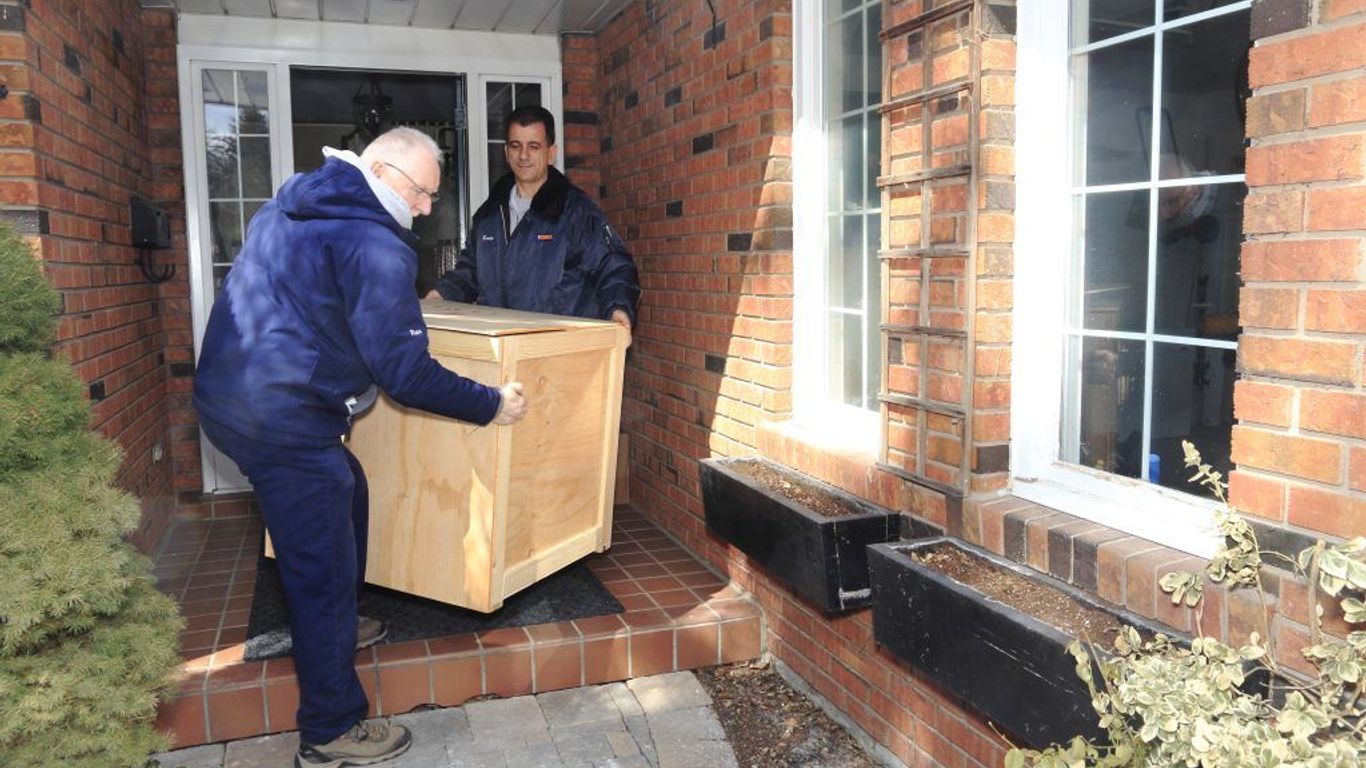
Moving your life across provinces or even just a significant distance within Canada can feel like a huge undertaking. It’s more than just packing boxes; it’s a whole process with distinct stages. Understanding these stages can make the whole experience feel a lot less overwhelming.
The Step-by-Step Moving Process
When you decide to move long distance, the process generally follows a predictable path. It starts long before moving day and continues even after your belongings arrive at your new home.
- Initial Consultation and Estimate: This is where you connect with a moving company. You’ll discuss your needs, the volume of items, and your desired timeline. The company will then provide an estimate, which can be binding or non-binding. It’s important to get a clear picture of what’s included.
- Planning and Scheduling: Once you’ve chosen a mover, you’ll work with them to set specific dates for packing (if applicable), pickup, and delivery. This stage involves a lot of coordination, especially for longer moves.
- Packing and Preparation: Depending on your agreement, you might pack yourself or have the movers handle it. Proper packing is key to protecting your items during transit. This is also when you’d sort through belongings, deciding what to keep, donate, or discard.
- Pickup Day: The moving crew arrives to load your belongings onto the truck. They’ll inventory everything as it’s loaded, creating a bill of lading that serves as your receipt and contract.
- Transit: Your items are on their way to your new home. For long-distance moves, this can take several days or even weeks, depending on the distance and the mover’s route. Communication with your moving coordinator is important during this phase.
- Delivery Day: The truck arrives at your destination. The crew will unload your items, referencing the inventory list. You’ll have a chance to check for any obvious damage before signing off.
- Unpacking and Settling In: This is where you start to make your new place feel like home. While the movers leave after unloading, the real work of unpacking and organizing begins.
Planning and Coordination Essentials
Successful long-distance moves hinge on good planning. It’s not just about the physical move; it’s about managing all the details that come with changing your address.
- Timeline Management: Start planning well in advance. For long-distance moves, booking your movers at least three weeks ahead is a good idea, but many people book months in advance, especially during peak seasons. Planning a move requires looking ahead.
- Communication Hub: Designate one person (either yourself or a move coordinator from the company) as the main point of contact. This ensures clear communication and reduces the chance of miscommunication.
- Utility Transfers: Arrange for your utilities (electricity, gas, water, internet) to be disconnected at your old place and connected at your new one. Do this well in advance to avoid any service gaps.
- Address Changes: Notify the post office, banks, government agencies, and any other important contacts about your change of address.
The biggest mistake people make is underestimating the sheer amount of coordination involved. It’s not just about the truck showing up; it’s about all the little things that need to happen before and after to make the transition smooth. Think of it like a complex project where every step needs to be thought through.
Timeline for Long Distance Moves in Canada
The time a long-distance move takes can vary quite a bit. It depends on how far you’re going, the services you choose, and the mover’s schedule.
- Short Long-Distance (e.g., within the same province or to a neighbouring one): These might take anywhere from a few days to a week for transit, plus packing and loading time.
- Cross-Canada Moves: Moving from coast to coast can take anywhere from one to three weeks for transit alone. The actual moving process, from initial packing to final delivery, could span over a month when you factor in all the planning and coordination.
- Delivery Windows: Most long-distance movers provide a delivery window rather than an exact date. This allows them flexibility with their routes. It’s important to understand this window and plan your arrival accordingly. Moving across the country is a significant undertaking with a timeline to match.
Choosing the Right Moving Company for Long Distance Moves
So, you’ve figured out that your move is definitely a long-distance one, and now comes the big task of picking the company that’s going to get your stuff from point A to point B. This isn’t like hiring someone to move a couch across town; it requires a different level of trust and planning. Finding a mover that understands the complexities of long-distance relocations within Canada is key to a smooth transition. It’s easy to get overwhelmed by all the options out there, but breaking it down can make it much more manageable.
What Sets Reputable Movers Apart
When you’re looking at moving companies for a long haul, you want to see more than just a truck and a team. Reputable movers usually have a few things in common that make them stand out. For starters, they’re upfront about their pricing and services. You won’t find a lot of hidden fees or confusing terms. They also tend to have a solid track record, often backed by customer reviews and years of experience. Think about companies that have been around for a while and have a good reputation for handling moves across the country. It’s also a good sign if they have specific processes for long-distance moves, not just treating it like a series of local jobs.
- Clear Communication: They keep you in the loop from the initial quote to the final delivery. You know what to expect and when.
- Detailed Estimates: A good estimate breaks down costs clearly, explaining what’s included and what might be extra.
- Professional Staff: From the sales team to the moving crew, they are trained, courteous, and experienced in long-distance logistics.
- Proper Equipment and Vehicles: They have the right trucks and packing materials designed for longer journeys.
It’s tempting to go with the cheapest quote you find, especially when moving costs add up. However, remember that the lowest price often means fewer services, less experienced movers, or a higher risk of issues down the line. A slightly higher quote from a reputable company can save you a lot of headaches and potential extra costs later on.
Service Levels and Insurance Options
Not all long-distance moves are the same, and neither are the services offered by moving companies. You’ll often find different tiers of service. Some companies offer full-service packing, loading, transport, and unpacking, while others might just handle the transport. It’s important to understand what level of service you need and what the company provides. When it comes to insurance, this is a big one for long-distance moves. Standard liability coverage is usually minimal, covering only a small amount per pound. You’ll want to look into full value protection options. This means if something is damaged or lost, the mover is responsible for replacing it, repairing it, or giving you a cash settlement for its current market replacement value. Always ask for the specifics of their insurance policies and what they cover, especially for owner-packed items versus professionally packed ones.
Tips for Comparing Quotes and Value
When you start getting quotes, don’t just look at the bottom line. It’s about the overall value you’re getting. Here’s how to compare effectively:
- Get Multiple Quotes: Aim for at least three quotes from different companies. This gives you a good baseline.
- Compare Inclusions: Make sure you’re comparing apples to apples. Does one quote include packing supplies while another doesn’t? Are there extra charges for stairs or long carries?
- Read the Fine Print: Look for terms like "binding estimate" versus "non-binding estimate." A binding estimate is a fixed price, while a non-binding one can change.
- Check Reviews and Reputation: Look beyond their website. See what real customers are saying on platforms like HomeStars [8e82] or other review sites.
- Ask About Their Process: Understand their timeline, how they handle potential delays, and their communication methods.
Remember, the goal is to find a company that offers reliable service, clear communication, and fair pricing for the long haul. A company like North American Van Lines [b9bf], for example, is known for its extensive network and experience in handling these types of moves across Canada.
Navigating Cross-Border and Interprovincial Moving Challenges
Moving between provinces in Canada or across the border into the United States involves more than just a longer drive. It’s a whole different ballgame with specific rules and paperwork. Think of it like preparing for a trip to another country, even if it’s just next door. You’ve got to know what you can bring, what you absolutely can’t, and what official documents are needed to make sure everything goes smoothly.
Documentation and Customs Requirements
When you’re moving from one Canadian province to another, the paperwork is generally straightforward. You’ll need to update your driver’s license and vehicle registration within a certain timeframe, usually 90 days. Your insurance will also need to reflect your new address. It’s also a good idea to let your bank and any other important institutions know about your move so they can update your information. For moves between Canada and the U.S., things get a bit more involved. You’ll need to be prepared for customs declarations for your household goods. This means listing everything you’re bringing, and movers experienced in cross-border moves can help guide you through this process. Having all your documentation in order is the first step to avoiding delays at the border.
What You Can and Cannot Bring Across the Border
This is where things can get tricky, especially when moving between Canada and the U.S. While most of your household items are fine, there are restrictions. For instance, you generally can’t bring certain food items, plants, or firearms without proper permits. Alcohol and tobacco have limits too. It’s always best to check the official government websites for both countries before you pack anything questionable. Your moving company should also have a list of prohibited items. For interprovincial moves within Canada, these restrictions are far fewer, mostly related to hazardous materials.
How Visas and Immigration Status Impact the Move
If you’re moving to Canada from the U.S. or vice versa, your immigration status and any necessary visas play a big role. If you’re moving for work, study, or family reasons, you’ll need to ensure all your paperwork is in order before you even think about packing. This can affect not only your ability to move but also how quickly you can get settled. For example, if you’re moving to a new province in Canada, you’ll need to understand the residency requirements for things like healthcare and driver’s licenses. It’s a good idea to research the specific rules for your destination province or country well in advance. Understanding how active visas affect the move process is key to a successful relocation.
Common Pitfalls and How to Avoid Them in Long Distance Moves
When planning a long distance move in Canada, it’s easy to overlook details or underestimate the time and effort needed for a successful transition. These moves bring challenges that are quite different from local relocations. From weak planning to picking the wrong mover, simple mistakes can turn a stressful experience into a disaster.
Risks of Low-Cost Moving Options
It’s tempting to go with the cheapest quote, but budget movers often come with bigger risks. Here’s what to watch out for:
- Many low-cost movers use vague contracts or provide non-binding estimates, which could mean a bill that’s much higher on moving day.
- Cheaper crews sometimes cut corners on packing, loading, or even insurance coverage, putting your belongings at risk.
- Poor communication or a lack of proper licensing and insurance can lead to shipment delays or lost items.
Quick Comparison Table:
| Low-Cost Movers | Quality Movers | |
|---|---|---|
| Transparent Pricing | Sometimes | Always |
| Proper Licensing | Not always | Yes |
| Insurance Coverage | Minimal/extra cost | Included/Upfront |
| On-time Delivery | Hit or miss | Reliable |
Importance of Communication and Planning
Strong organization is at the heart of a successful move. Still, it’s common for people to skip key steps:
- Not having a detailed moving checklist or timeline
- Failing to change their address or transfer utilities in time
- Underestimating how long packing really takes
- Not setting clear expectations with the moving company
Having a plan for the moving day, plus backup arrangements for storage or delays, can make things smoother. Check out tips for avoiding common moving mistakes to get started on a better plan.
Long-distance moves are rarely simple, but steady communication and a realistic plan help control the unexpected.
Protection for Owner-Packed vs. Professionally Packed Items
This one is easy to miss. In Canada, long distance movers usually offer two main protection options:
- If you pack your own boxes, any damage that happens during the move is usually your responsibility unless the mover was clearly negligent.
- Professionally packed items are typically covered by the mover’s insurance.
- Some specialty items (art, glass, electronics) need custom crates or extra insurance—ask about this upfront.
Key Tips for Safe Packing:
- Label every box clearly with its contents and destination room.
- Use sturdy boxes and pack heavier items on the bottom.
- Don’t pack prohibited items like liquids, batteries, or aerosol cans.
If you’re not sure, ask your mover about their protection policies and whether your insurance is better with professional packing. If you want more ideas on how to avoid classic mistakes, see these pitfalls to watch out for in long distance moves.
Understanding these common trouble spots—low-cost traps, weak planning, and the real story on insurance—will help you protect your move and your peace of mind across Canada.
Moving a long distance can be tricky, but don’t worry! We’ve put together some common problems people run into and how to easily avoid them. From packing your favorite mug to making sure your couch fits through the door, we’ve got you covered. Want to make your move smoother than ever? Visit our website for more helpful tips and to get a free quote today!
Wrapping Up Your Long-Distance Move
So, figuring out what counts as a long-distance move in Canada is pretty straightforward once you break it down. It’s not just about covering miles; it’s about the planning, the careful packing, and making sure everything gets to your new place safely. Whether you’re moving across the province or across the country, remember that a good moving company will be clear about costs, timelines, and what’s included. Don’t just go for the cheapest option you find. Taking a little extra time to compare and ask questions can save you a lot of headaches down the road. A well-planned move makes all the difference.
Frequently Asked Questions
How is a long-distance move defined in Canada?
In Canada, a move is usually called long distance if it covers more than 50 kilometers or crosses provincial borders. Local moves are shorter and stay within the same city or area, like the Greater Toronto Area. Long-distance moves often need more planning and special transport.
How are long-distance moving costs calculated?
Long-distance moving costs in Canada are based on the weight of your items and the distance traveled. Some companies also consider things like the number of stairs, special items, or extra services like packing. Always ask for a clear quote so you know what’s included.
What is included in a typical long-distance moving service?
A standard long-distance move usually covers loading, transport, and unloading of your things. Some companies offer extra help like packing, unpacking, storage, or special care for fragile items. Make sure to ask what’s included before you book.
How far in advance should I book my long-distance move?
It’s best to book your move at least three weeks ahead. This gives you and the mover enough time to plan everything and avoid last-minute stress. During busy seasons, like summer, try to book even earlier.
Can I pick the exact day for pickup and delivery?
Most moving companies try to meet your preferred dates, but exact days can depend on the route, time of year, and truck availability. Good movers will give you a clear window for pickup and delivery and keep you updated if anything changes.
Are my things covered if I pack them myself?
If you pack your own boxes, some moving companies offer less coverage for damage compared to when their team does the packing. Always check with your mover about insurance options and what protection you get for owner-packed versus professionally packed items.
Leave a Comment