Essential Long Distance Moving Tips for a Stress-Free Relocation
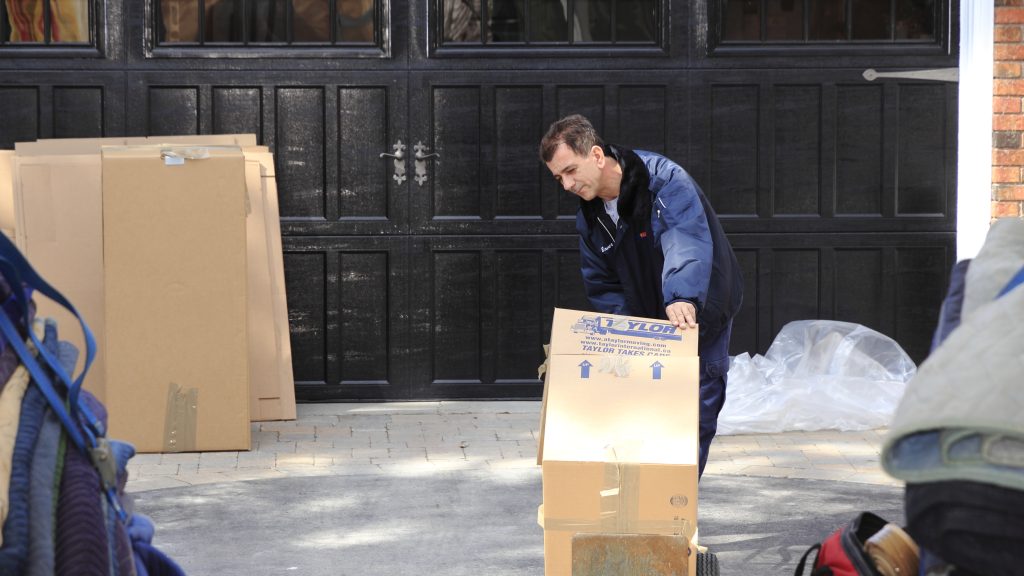
Moving can be a big deal, especially when you’re crossing provinces or even the border. It’s not just about stuffing things in boxes and hoping for the best. Proper long distance moving tips can make a world of difference, turning what could be a stressful event into a much smoother process. Think of it like planning a trip – the more prepared you are, the better it goes. We’ll cover how to get ready, pick the right help, and what to watch out for.
Key Takeaways
- Figuring out the cost of moving across Canada involves many factors, and quotes can differ a lot between companies. Always ask what’s included.
- Don’t just pick the cheapest mover. Look for a company with good reviews and clear communication to get the best value for your move.
- A detailed checklist and smart packing strategies are your best friends for a long distance move. Know what to expect from start to finish.
- Moving across the US border means extra paperwork and understanding customs rules. Make sure you have all the right documents ready.
- Managing your moving budget, especially with a lump sum, means comparing services and making smart choices to avoid extra costs and risks.
Planning Your Long Distance Move
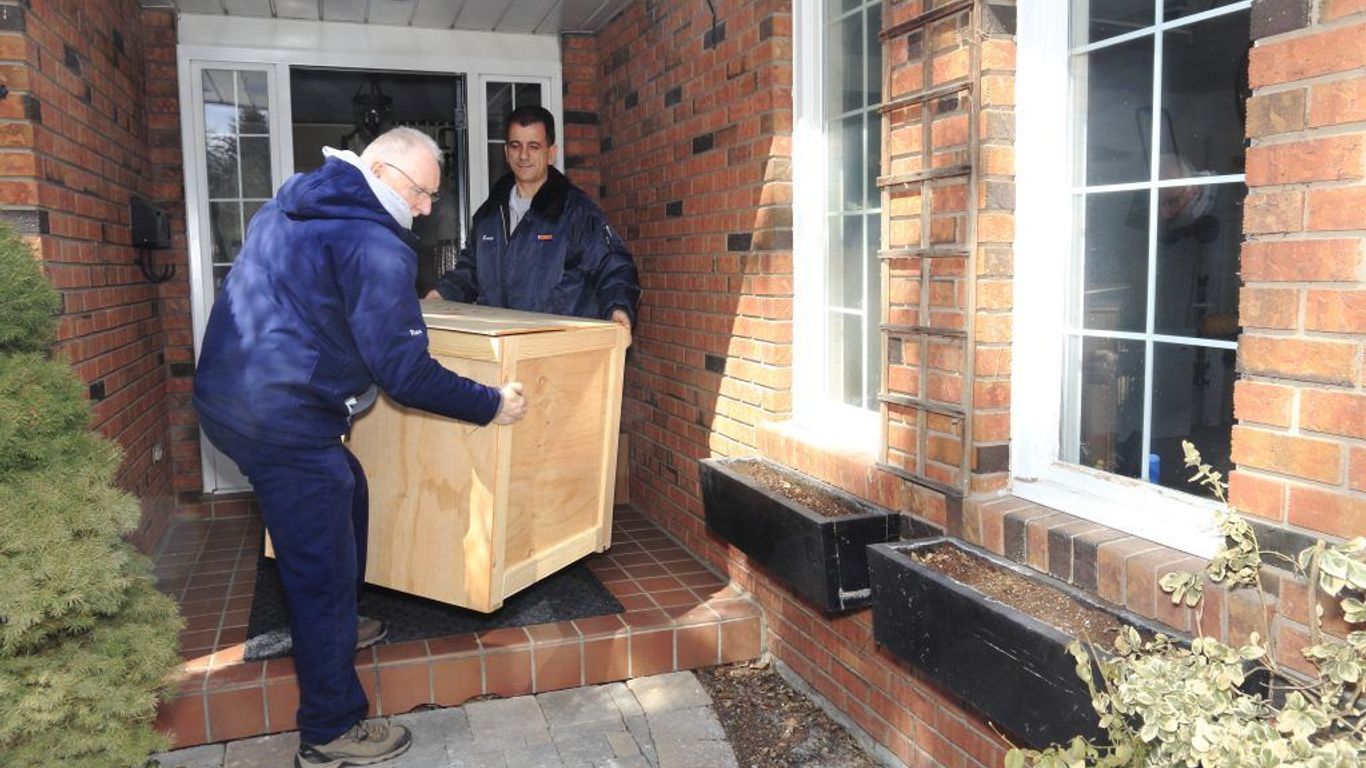
Moving a long distance, especially across Canada, isn’t like just moving across town. It takes some serious thought and planning to get it right. You can’t just throw things in boxes and hope for the best. This part of the move is all about getting organized before the actual moving trucks show up.
Understanding Long Distance Moving Costs in Canada
Figuring out how much a long-distance move within Canada will cost can feel like a puzzle. The price isn’t just based on how many boxes you have. Movers usually look at a few things to come up with a number. The weight of your belongings and the distance they need to travel are the biggest factors. Beyond that, things like the time of year (summer is peak season, so it costs more), whether you need packing services, and if you have any special items that require extra care all play a role. It’s good to get a few different estimates to see how they compare.
Why Long Distance Moving Quotes Vary Significantly
Ever get two quotes for the same move and they’re wildly different? It’s not uncommon. Companies calculate their prices in different ways. Some might base it on the estimated weight and volume, while others might charge by the hour, especially for local moves or shorter long-distance ones. The level of service you choose makes a big difference too. Do you want them to pack everything, just load and unload, or offer storage? Each of these adds to the final cost. Also, some companies might include more in their base price than others, like insurance or specific packing materials. It’s why asking for a detailed breakdown of what’s included is so important.
What Is Included in Your Long Distance Moving Quote
When you get a quote for a long-distance move in Canada, it’s important to know exactly what you’re paying for. Most standard quotes will cover the transportation of your goods from your old place to your new one. This usually includes the labor to load and unload your items. Some companies might also include basic packing supplies for certain items or a standard level of insurance. However, things like packing all your belongings, disassembling and reassembling furniture, or providing storage solutions are often extra. Always ask for a clear list of services included and what costs extra. It helps avoid surprises later on.
Planning ahead is key. Starting your research and getting quotes early, ideally 8-12 weeks before your move date, can save you a lot of hassle and potentially money. It gives you time to compare options and make informed decisions without feeling rushed.
Here’s a general idea of what might be included:
- Transportation: Moving your items from point A to point B.
- Labor: Loading items onto the truck at your origin and unloading them at your destination.
- Basic Insurance: Often a limited liability coverage, so check the details.
- Fuel Surcharges: Sometimes included, sometimes separate.
And here are things that are often not included unless specified:
- Full Packing Services: Packing every item in your home.
- Special Item Handling: Moving pianos, large safes, or artwork.
- Disassembly/Reassembly: Taking apart and putting back together furniture.
- Storage: If you need to store items before delivery.
- Valuable Items Insurance: Additional coverage for high-value goods.
Understanding these details upfront helps you budget properly and choose the right moving company for your needs. You can find more tips on preparing for a long-distance relocation by checking out this moving checklist.
Choosing the Right Long Distance Movers
Finding the right moving company for a long-distance relocation, especially one crossing the Canadian border, can feel like a big task. It’s not just about finding someone to haul your boxes; it’s about trusting your belongings to a team that knows the ins and outs of moving across provinces or even countries. You want a company that’s reliable, experienced, and understands the unique challenges that come with a move of this scale.
How to Select a Reputable Long Distance Moving Company
When you’re looking for movers, especially for a move between Canada and the US, reputation matters a lot. You don’t want to end up with a company that cuts corners or doesn’t have the right credentials. Start by looking for companies with a solid history and positive feedback. Check online reviews, but also ask for recommendations from friends, family, or colleagues who have made similar moves. A company that’s upfront about its services and pricing is usually a good sign. It’s also wise to look for movers who specialize in cross-border moves if that’s your situation, as they’ll be more familiar with customs and documentation.
- Check for proper licensing and insurance: This is non-negotiable. Ensure the company is licensed to operate in Canada and, if applicable, for cross-border moves.
- Read reviews and testimonials: Look for consistent feedback regarding punctuality, care of belongings, and communication.
- Ask about their experience with your specific route: Moving from Toronto to Vancouver is different from moving from Toronto to New York.
- Get multiple quotes: Don’t settle for the first estimate you receive.
Comparing Movers: Best Value vs. Cheapest Quote
It’s tempting to go with the lowest price, but for long-distance moves, the cheapest quote often doesn’t end up being the best value. Sometimes, those low prices come with hidden fees or a lower level of service, which can cause more headaches down the road. Think about what’s included in the quote. Does it cover packing, unpacking, insurance, and any special handling for fragile items? A slightly higher quote from a company that offers more comprehensive services and a better track record might save you money and stress in the long run. You’re paying for peace of mind as much as you are for the physical move.
Here’s a quick way to think about it:
| Factor | Cheapest Quote | Best Value Mover |
|---|---|---|
| Price | Lowest upfront cost | Competitive, but reflects full service and quality |
| Service | Basic transport, potential add-on costs | Comprehensive, clear inclusions, good communication |
| Reliability | Can be questionable, higher risk of issues | Proven track record, professional and experienced crew |
| Insurance | Basic or limited, may not cover everything | Adequate coverage, clear policy details |
What to Ask Before Booking Your Long Distance Movers
Before you sign any contract, have a list of questions ready. This is your chance to get all the details ironed out and make sure you and the moving company are on the same page. Don’t be afraid to ask for clarification on anything you don’t understand. A good moving company will be happy to answer your questions and provide the information you need.
- What exactly is included in the quote? Are there any potential extra charges I should be aware of?
- What kind of insurance or valuation coverage do you offer for long-distance moves?
- How far in advance do I need to book my move?
- What is your policy on handling fragile items or special belongings?
- Do you handle the entire move yourself, or do you use third-party agents, especially for cross-border shipments?
When comparing moving companies, remember that the cheapest option isn’t always the most economical. Look for a company that provides clear pricing, comprehensive services, and a strong reputation for reliability. This approach helps avoid unexpected costs and ensures your belongings arrive safely at your new Canadian home.
It’s also worth checking out resources that review different moving companies to help you make an informed decision. For instance, you can find unbiased reviews of top-rated long-distance moving companies that can guide you toward the best fit for your needs. Finding the best option can make all the difference in your relocation experience.
Preparing for Your Long Distance Relocation
Getting ready for a big move across Canada can feel like a lot, but breaking it down makes it way more manageable. It’s not just about packing boxes; it’s about planning ahead so everything goes smoothly. Think of it as setting yourself up for success before the moving trucks even arrive.
Creating a Detailed Moving Checklist
Honestly, a checklist is your best friend here. It stops you from forgetting those little things that can become big headaches later. You want to start this early, like, as soon as you know you’re moving. It helps keep track of everything, from changing your address to figuring out what you’re taking with you.
- Start with the big stuff: Book your movers, figure out your moving dates, and notify your landlord or real estate agent.
- Sort your belongings: Go through each room and decide what you’re keeping, donating, selling, or tossing. This is a good time to declutter.
- Handle the paperwork: Think about updating your driver’s license, health card, and any important documents. For cross-border moves, this is even more critical.
- Plan for pets and kids: If you have pets or children, make sure their needs are considered in your packing and moving day plans.
Having a solid plan means fewer surprises. It’s like having a map for your move, so you know where you’re going and what steps to take. You can find a great starting point with a comprehensive moving checklist to get you organized.
Packing Strategies for Long Distance Moves
Packing for a long-distance move is different from a local one. You need to think about how your items will be handled and protected during a longer journey. Proper packing is key to preventing damage and making unpacking easier.
- Use the right materials: Sturdy boxes, plenty of packing tape, bubble wrap, and packing paper are important. Don’t skimp on quality here.
- Pack room by room: This makes unpacking much simpler. Label each box clearly with its contents and the room it belongs in at your new home.
- Don’t overpack boxes: Heavy boxes are hard to lift and can break. Keep heavier items in smaller boxes and lighter items in larger ones.
- Protect fragile items: Wrap dishes, glassware, and other breakables individually. Fill any empty spaces in boxes with packing material to prevent shifting.
Consider what you’ll need immediately upon arrival. Pack an "essentials box" with things like toiletries, a change of clothes, basic tools, medications, and important documents. This way, you won’t have to dig through dozens of boxes just to find your toothbrush.
What to Expect During Your Long Distance Move
Long-distance moves have a different rhythm than local ones. The movers will likely pack your belongings, load them onto the truck, and then transport them to your new home, sometimes over several days. Communication is super important here.
- The estimate and booking: You’ll get an estimate, and once booked, the movers will confirm pickup and delivery windows.
- Loading day: The crew will carefully load your items. They’ll likely do an inventory as they go.
- Transit time: This can vary a lot depending on the distance and the mover’s schedule. You’ll usually get an estimated delivery window.
- Delivery day: Your belongings will be unloaded and brought into your new home. Again, an inventory check is common.
It’s good to know that owner-packed items might not be covered the same way as professionally packed ones. Movers usually have specific policies on this, so it’s worth asking about it beforehand. Being prepared means you can relax a bit more when the actual moving day comes around.
Remember, the goal is to get your stuff from point A to point B without any major drama. Good preparation is the secret sauce to making that happen. It’s all about being organized and communicating clearly with your moving company.
Navigating Cross-Border Moving Challenges
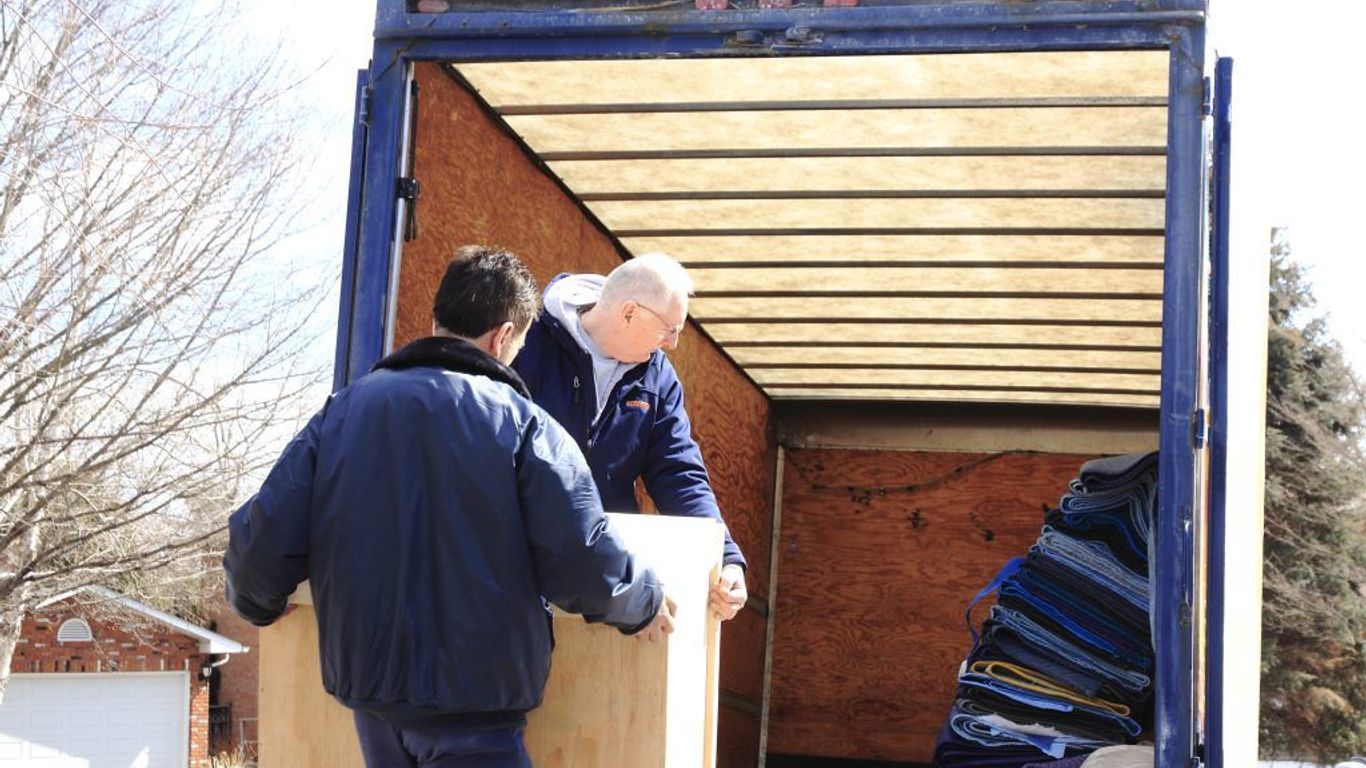
Moving between Canada and the United States might seem like just a longer version of a regular move, but it’s actually quite different. There are specific rules and paperwork involved that you really need to pay attention to. Getting these details wrong can cause delays or even bigger problems. It’s not just about packing boxes; it’s about understanding the whole process.
Essential Documents for Canada-US Moves
When you’re moving from Canada to the US, or vice versa, you’ll need a specific set of documents. This isn’t just your driver’s license. You’ll likely need proof of citizenship, like a passport or birth certificate, and potentially immigration or visa documentation depending on your status. For your belongings, you’ll need a detailed inventory list, often called a Bill of Lading, which includes the value of each item. This helps customs officials understand what’s coming across the border. Having all your paperwork in order is the most important step to avoid issues.
Here’s a quick rundown of what you might need:
- Proof of Citizenship: Passport, birth certificate, or other government-issued ID.
- Visa or Immigration Documents: If applicable, for your move to the US.
- Detailed Inventory List: A comprehensive list of all items being moved, including their estimated value.
- Bill of Lading: Provided by your moving company, this is your contract and receipt.
Understanding Customs Procedures for Household Goods
Customs is where things can get a bit tricky. Both Canada and the US have rules about what you can bring across the border. Generally, used household goods and personal effects are allowed, but there are exceptions. You’ll need to declare everything. Your moving company will usually handle a lot of the customs brokerage for you, but you still need to provide them with accurate information. It’s a good idea to ask your mover about their experience with cross-border freight and customs. They can guide you through the process and explain any potential duties or taxes.
What You Can and Cannot Bring Across the Border
This is where you really need to read the fine print. While most of your furniture and personal items are fine, there are restrictions. For example, you generally can’t bring in firearms, certain types of vehicles without proper documentation, or large amounts of alcohol or tobacco. There are also rules about bringing in plants, pets, and even food items. It’s best to check the official government websites for both Canada and the US before you pack anything questionable. Don’t assume that because you own it, you can bring it.
Some common items to be aware of:
- Restricted Items: Check regulations for pets, plants, vehicles, firearms, and food products.
- Prohibited Items: Items like illegal drugs, certain weapons, and counterfeit goods are obviously not allowed.
- Valuable Items: Be mindful of limits on alcohol and tobacco.
Moving across the border involves more than just distance; it requires a different kind of preparation. Understanding the specific requirements for both countries is key to a smooth transition. Your moving company should be able to provide guidance, but ultimately, the responsibility for accurate declarations lies with you.
Managing Your Long Distance Move Budget
Moving across Canada can get expensive, and it’s easy to lose track of where your money is going. Thinking about your budget from the start is super important. It’s not just about the moving truck; there are a bunch of other costs that pop up.
How to Use a Lump-Sum Relocation Allowance Wisely
If your employer gives you a lump sum for your move, that’s great! But it can also be a bit tricky to manage. The key is to treat it like a real budget, not just free money. You’ll want to figure out what’s most important to you. Maybe it’s getting the best movers, or maybe it’s making sure you have enough left over for setting up your new place. Don’t just spend it all on the most expensive option without thinking.
Here are some things to consider:
- Prioritize: What are your must-haves? Professional packing? Storage? Insurance?
- Research: Get a few quotes from different moving companies. Don’t just go with the first one you find.
- Contingency: Always set aside a little extra for unexpected costs. Things always come up, right?
- Track Spending: Keep a record of everything you spend. This helps you stay on track and see where your money is going.
When you get a lump sum, it’s easy to think you have more than you do. It’s better to plan carefully and maybe even come in under budget than to overspend and have to cover the difference yourself.
DIY vs. Full-Service Movers for Budgeted Moves
This is a big decision that really impacts your budget. Doing it yourself, or DIY, can seem cheaper upfront. You rent a truck, pack your own boxes, and do all the heavy lifting. But think about the time you’ll spend, the cost of truck rentals, gas, and maybe even needing to buy packing supplies. Plus, if something breaks, you’re on your own.
Full-service movers handle pretty much everything. They pack, load, transport, and unload. It’s way less work for you, but it costs more. For a long-distance move in Canada, the difference in cost can be significant. You need to weigh the convenience and peace of mind against the price tag. Sometimes, paying a bit more for professionals means fewer headaches and less risk of damage. It’s about finding that balance that works for your specific situation and making your relocation budget go further.
Making Your Relocation Budget Go Further
Even with a good budget, you’ll want to stretch your dollars. Here are a few ideas:
- Pack Smart: Don’t buy a ton of new boxes. Use ones you already have, ask friends, or check online marketplaces. Pack yourself as much as you can.
- Timing: Moving during the off-season (like fall or winter, avoiding holidays) can sometimes get you better rates from movers.
- Declutter Ruthlessly: The less stuff you have to move, the less it will cost. Go through everything and donate, sell, or toss what you don’t need.
- Compare Quotes Carefully: Look beyond just the total price. Understand what’s included. A slightly higher quote might actually be a better deal if it includes better insurance or more services.
Remember, a well-managed budget is key to a less stressful move. Taking the time to plan and compare can save you a lot of money and worry down the road. It’s all part of creating a comprehensive budget that covers everything.
Ensuring a Smooth Moving Day Experience
Moving day can feel like the culmination of all your planning, and honestly, it can be a bit chaotic. But with the right approach, you can make it go as smoothly as possible. It’s all about clear communication and knowing what to expect.
What to Expect on Moving Day
On the big day, the moving crew will arrive, usually within the window you agreed upon. They’ll start by carefully wrapping your furniture and larger items to prevent any damage during the move. Then, they’ll systematically pack everything into the truck. It’s a good idea to have a designated spot for items you want to keep with you, like important documents or a small overnight bag. Don’t be afraid to ask questions if you’re unsure about anything the crew is doing.
Communication Strategies with Your Moving Crew
Good communication is key. Before they start, have a quick chat with the crew leader. Point out any fragile items or pieces of furniture that need extra attention. If you have any specific instructions, now’s the time to share them. Throughout the process, if something comes up, speak up! A simple, polite conversation can prevent misunderstandings. Remember, they’re there to help make your move easier.
Protecting Your Belongings During Transit
Reputable movers take great care in protecting your items. They use blankets, padding, and specialized equipment. However, there are things you can do too. Packing a separate box with essentials like toiletries, medications, and a change of clothes can be a lifesaver. For valuable items or important documents, it’s best to transport them yourself. This way, you know exactly where they are and that they’re safe. If you’re moving across the border, having your essential documents ready is also part of protecting your move.
The moving truck is a big space, and things can shift. While movers are trained to load efficiently, it’s wise to pack a separate, clearly marked box with items you’ll need immediately upon arrival. This could include basic tools for reassembly, toiletries, and a few meals.
Here’s a quick rundown of what to have ready:
- A clear path for the movers to access all rooms.
- Any necessary parking permits or arrangements for the moving truck.
- A list of items you are transporting personally.
- Contact information for the moving company and your destination contact.
By staying organized and communicating openly, you can significantly reduce the stress of moving day. It’s the final stretch before you settle into your new Canadian home.
Making your moving day stress-free is our top goal. We’ve put together some helpful advice to ensure everything goes smoothly. Want to know more about how we can help make your move easy? Visit our website today for all the details and to get a free quote!
Wrapping Up Your Long-Distance Move
So, there you have it. Moving across the country, or even just across a few provinces, can feel like a huge undertaking. But with a solid plan, good communication, and the right help, it doesn’t have to be a total headache. Remember to pack smart, get clear quotes, and stay organized. Taking these steps will make a big difference in how smoothly everything goes. Here’s to a fresh start in your new home, with fewer worries and more excitement for what’s next.
Frequently Asked Questions
How much does it cost to move long distance in Canada?
The cost of moving long distances in Canada can change a lot based on a few things. The main factors are how much stuff you have to move (weight and volume), how far you’re going, and what extra services you need, like packing or special handling. Moving companies figure out prices differently, so it’s smart to get a few quotes.
Why do long-distance moving quotes differ so much?
Quotes can be all over the place because each moving company has its own way of calculating costs. Some might focus more on the weight of your items, while others charge by the hour or the distance. Also, the services included can be different. Always check what’s in the quote to see what you’re actually paying for.
What should I ask movers before booking my move?
It’s super important to ask movers about their experience, especially with long-distance moves in Canada. Ask if they are licensed and insured, how they handle claims if something gets damaged, and what their cancellation policy is. Also, find out exactly what services are included in the price and if there are any hidden fees.
What’s the difference between the cheapest quote and the best value?
The cheapest quote might sound good, but it doesn’t always mean you’re getting the best deal. Sometimes, really low prices mean the company cuts corners on service, insurance, or even uses unreliable workers. The best value usually comes from a mover that offers good quality service, reliable transport, and clear communication for a fair price.
What if I’m moving from Canada to the U.S.?
Moving across the Canadian and U.S. border is more complicated than just a longer move. You’ll need specific documents like passports, proof of citizenship, and possibly visa information. You also need to understand customs rules about what you can and can’t bring into the U.S. It’s best to work with movers who specialize in cross-border moves and know these rules well.
How can I make my moving budget work better?
To make your budget stretch further, consider packing some of your own items if the movers charge extra for it. Decluttering before you move also helps, as you’ll pay less to move fewer things. If you get a lump sum for moving, compare different service levels to see what fits your budget best without risking your belongings.
Leave a Comment