Finding the Best Long Distance Moving Company in Canada: Your Ultimate Guide
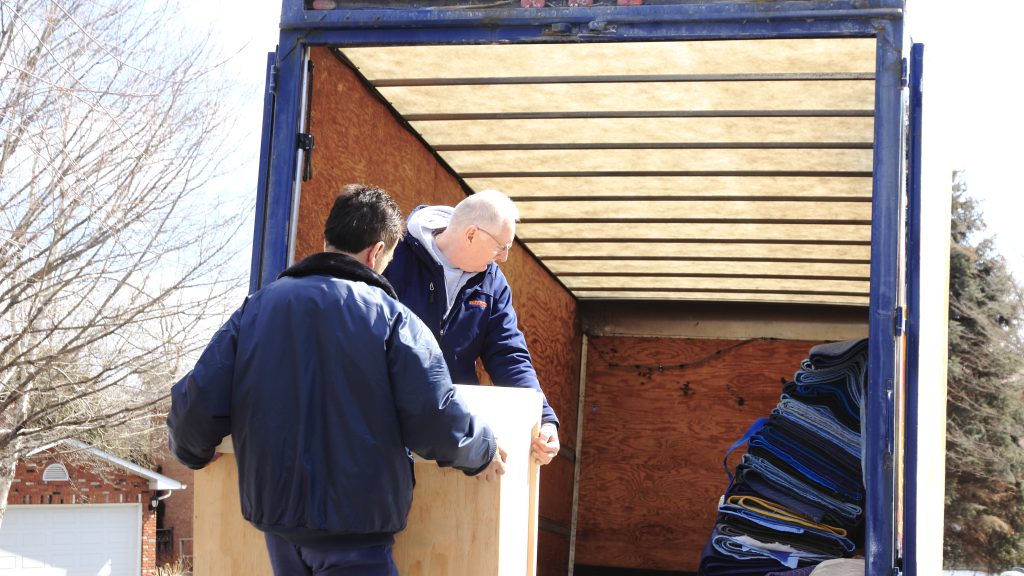
Moving across Canada can feel like a big deal, right? You’ve got all your stuff, and you need to get it from point A to point B, often a long way off. Finding the right help is key. This guide is here to help you figure out the best long distance moving company Canada has to offer, making your move less of a headache and more of a smooth transition. We’ll break down what you need to know, from costs to choosing the right team.
Key Takeaways
- Understand that long-distance moving quotes in Canada can differ a lot based on factors like weight, distance, and services. Don’t just go for the lowest price; look for the best value.
- When picking a mover, check their reputation, ask for references, and make sure they are properly insured. The cheapest option isn’t always the best.
- Plan your move well in advance. Booking early can help you secure a good company and potentially better rates, especially during busy seasons.
- Be prepared for what happens during a long-distance move, from the initial estimate to the final delivery. Clear communication with your chosen company is important.
- For cross-border moves between Canada and the US, pay close attention to documentation and customs rules. These moves have extra steps compared to moving within Canada.
Understanding Long Distance Moving Costs in Canada
Why Long Distance Moving Quotes Vary Significantly
So, you’re planning a big move across Canada, and you’re starting to get quotes from moving companies. It’s probably a bit confusing, right? One company might give you a price, and another, for what seems like the same job, gives you something totally different. It’s not just you; this is super common. A lot of things can make those quotes jump around. Think about the distance, of course – moving from Halifax to Vancouver is going to cost more than moving from Toronto to Montreal. But it’s not just miles. The time of year plays a big role too. Summer is peak moving season, so prices tend to be higher. Moving companies also have to consider the size of your home and how much stuff you have. More volume and weight mean more resources needed. Plus, some companies might include extra services like packing or unpacking, which naturally adds to the cost. It’s a mix of logistics, demand, and what you actually want them to do.
Weight-Based vs. Hourly Moving Costs: Key Differences
When you’re looking at long-distance moves in Canada, you’ll likely run into two main ways companies figure out their pricing: weight-based and hourly. It’s important to know the difference because it can really affect your final bill.
- Weight-Based: This is pretty common for longer hauls. The company weighs your belongings, and the cost is directly tied to that weight. The heavier your load, the more you pay. This method often feels more predictable for very long distances, as the company has a good idea of how much a certain volume of goods weighs. It’s like buying something by the pound.
- Hourly: You might see this more for local moves or shorter distances, but sometimes it pops up for longer ones too, especially if the company isn’t sure about the exact weight or volume upfront. You pay for the time the movers are actively working, plus travel time. For local moves within a city like Ottawa, for example, you might see rates around $120-$175 per hour for a two-person crew and truck, often with a minimum charge. The biggest risk with hourly rates for long-distance is unexpected delays, which can really drive up the cost.
It’s good to ask companies which method they use and why. Sometimes, a company might offer a binding estimate based on weight, which gives you more certainty.
What Is Typically Included in A Long Distance Moving Quote?
When you get a quote for a long-distance move within Canada, what exactly are you paying for? It can be a bit of a puzzle, but generally, a standard quote should cover the basics of getting your stuff from Point A to Point B.
Here’s a breakdown of what you can usually expect:
- Transportation: This is the core of it – the actual moving of your belongings via truck. The quote will factor in the distance and the estimated weight or volume of your shipment.
- Labor at Pickup: The cost of the moving crew loading your items onto the truck at your origin location.
- Labor at Delivery: The cost of the crew unloading your items at your destination.
- Basic Protection: Most companies include a basic level of liability coverage, often called Released Value Protection. It’s usually not full insurance, but it offers some compensation if something goes wrong.
- Fuel Surcharges: Especially for long distances, fuel costs are a significant factor and are usually built into the quote.
What’s often not included, or might be an extra charge, includes:
- Packing and unpacking services
- Special handling for large or fragile items (like pianos or artwork)
- Storage if needed
- Long-carry fees (if the truck can’t park close to your home)
- Stairs or elevator fees
- Full replacement value insurance
Always ask for a detailed breakdown of what’s included and what’s extra. You can use a free moving cost calculator to get a general idea, but a detailed quote from the mover is key.
When comparing quotes, don’t just look at the bottom line. Understand what services are included and what might cost extra. A slightly higher quote that includes more services might actually be a better deal than a lower quote that leaves you with unexpected expenses down the road.
Choosing the Best Long Distance Moving Company Canada

So, you’ve decided to move across Canada. That’s a big deal! Finding the right moving company is super important, and honestly, it can feel a bit overwhelming. It’s not just about picking the cheapest option; you want a company that’s reliable, careful with your stuff, and makes the whole process as painless as possible. Think of it like choosing a partner for a really long road trip – you want someone you can trust.
Evaluating Movers: Beyond Just the Cheapest Quote
It’s tempting to just go with the lowest price you see, right? But that’s often a trap. The cheapest quote might mean hidden fees later on, or maybe they cut corners on things like insurance or the quality of their packing materials. You need to look at the whole picture. What are other people saying about them? Do they have good reviews? A company with a slightly higher quote but a solid reputation for careful handling and good communication is usually a much better bet for a move across the country.
- Check online reviews: Look for patterns in feedback, both good and bad.
- Ask for references: A reputable company should be able to provide them.
- Understand what’s included: Don’t assume anything. Get it all in writing.
The cheapest option often ends up costing more in the long run, especially when it comes to your belongings and peace of mind during a major life event like a cross-country move.
Key Factors When Selecting Your Moving Partner
When you’re comparing different moving companies, there are a few things you should really pay attention to. It’s about more than just the price tag. You want to know they have experience with long-distance moves within Canada. Do they offer full packing services if you need them? What kind of insurance do they provide? And how do they handle communication? A company like Great Canadian Van Lines has been doing this for a long time and specializes in these kinds of moves.
Here are some things to consider:
- Experience: How long have they been in business? Do they specialize in long-distance moves?
- Services: Do they offer packing, unpacking, storage, and specialty item handling?
- Insurance: What coverage do they provide, and what are the deductibles?
- Reputation: What do their past customers say?
- Communication: How easy are they to get in touch with? Do they provide a dedicated contact person?
What to Expect During a Long Distance Move
Once you’ve picked a mover, the process usually follows a general pattern. It starts with an estimate, which can be in-home or over the phone. Then comes the packing and loading day, followed by the transit time. Delivery is the final step. It’s good to have a clear idea of each stage so there are no surprises. For example, most companies will give you a window for delivery, not an exact time, especially for moves spanning long distances across Canada. Understanding transit times is key to planning your arrival.
- Estimate: Get a detailed, written estimate. In-home surveys are usually more accurate for long-distance moves.
- Packing: Decide if you’ll pack yourself or use the mover’s services. Label everything clearly.
- Loading: Be present on moving day to answer any questions and oversee the process.
- Transit: Your belongings will travel to your new home. You’ll likely get updates on their location.
- Delivery: Be ready to receive your items and do a final check.
It’s always a good idea to have a list of important contacts, including your moving company’s customer service number, just in case. Companies like Atlas Van Lines Canada are known for their extensive networks and experience in managing these complex moves.
Planning Your Long Distance Relocation Across Canada
Moving across Canada is a big deal. It’s not like just moving across town. You’ve got to think about a lot more, and getting organized early is key. Seriously, don’t wait until the last minute. A well-planned move saves you headaches and often money too.
How Far In Advance Should You Book Long Distance Movers?
When you’re planning a move that spans provinces, booking your moving company well ahead of time is super important. For long-distance moves within Canada, aiming to book at least 2 to 3 months in advance is a good rule of thumb. This gives you the best chance of securing your preferred moving dates, especially if you’re moving during peak seasons like the summer months or at the end of the year. It also allows movers to properly schedule their resources and provide you with a more accurate quote. Last-minute bookings can sometimes mean higher prices or limited availability, which nobody wants.
Essential Steps for A Smooth Long Distance Move
Getting ready for a cross-Canada move involves more than just packing boxes. Here’s a breakdown of some critical steps to keep things on track:
- Declutter Ruthlessly: Before you even think about packing, go through everything you own. Donate, sell, or toss anything you haven’t used in the last year or don’t plan on using in your new home. The less you move, the less it costs.
- Create a Detailed Inventory: Make a list of all your belongings, especially high-value items. This helps with insurance and keeps you organized. You can even take photos or videos of your packed boxes.
- Notify Important Parties: Remember to inform your bank, employer, utility companies, and any subscription services about your change of address. It’s easy to forget these things in the chaos.
- Prepare a "First Night" Box: Pack a separate box with essentials you’ll need immediately upon arrival at your new place – toiletries, a change of clothes, medications, phone chargers, basic tools, and some snacks. This saves you from digging through boxes right away.
Planning is really about reducing surprises. The more you think through what could go wrong and how to prevent it, the smoother your move will be. Think about things like parking at your old and new places, potential road closures, and even the weather.
Understanding Transit Times for Canadian Moves
Transit times for long-distance moves within Canada can vary quite a bit. It depends on the distance, the specific route, the time of year, and the moving company’s schedule. Generally, you can expect:
- Short-to-Medium Distances (e.g., within the same province or to a neighboring one): These might take anywhere from 1 to 5 days.
- Long Distances (e.g., coast-to-coast): These can take anywhere from 5 days to 2 weeks, sometimes even longer depending on the exact origin and destination. For example, a move from Toronto to Vancouver will naturally take longer than a move from Ottawa to Montreal. It’s always best to get an estimated delivery window from your chosen mover and understand the moving process from start to finish.
It’s also important to remember that these are estimates. Unforeseen circumstances like weather delays or traffic can impact transit times. Good communication with your moving company will keep you informed about any changes.
Special Considerations for Canadian Moves
Moving within Canada is one thing, but when you start thinking about crossing borders, even if it’s just between Canada and the US, things get a bit more complicated. It’s not just about packing boxes and driving; there are specific rules and paperwork involved that can really slow things down if you’re not prepared. Understanding these unique aspects is key to a successful relocation.
Navigating Cross-Border Moves Between Canada and the US
When you’re moving between Canada and the United States, you’re dealing with international regulations. This means more than just a longer drive. You’ll need to be aware of what you can and cannot bring across the border, and there are specific customs procedures to follow. It’s a good idea to get help with this part, as mistakes can lead to delays or even fines. Companies that specialize in cross-border moves are usually well-versed in these requirements. If you’re planning a move from Canada to the USA, this guide can help you get started.
Documentation and Customs for International Relocations
Proper documentation is absolutely critical for any move that crosses an international border. You’ll likely need proof of ownership for your belongings, a detailed inventory list, and possibly even specific permits depending on what you’re moving. Customs officials will inspect your goods, and having everything in order makes this process much smoother. It’s wise to check the latest customs regulations for both countries well in advance of your move date. For intrastate moves within Canada, basic liability coverage is free and insures items at $0.30 per pound, but this doesn’t apply to international moves.
Corporate Relocation and Lump-Sum Allowances
Sometimes, your move isn’t just personal; it’s part of a job. Many companies offer relocation packages to their employees. These can come in different forms, like a full-service move managed by the company, or a lump-sum allowance. If you receive a lump sum, you’re given a set amount of money to manage your move yourself. This means you’ll need to be smart about budgeting and choosing services to get the most value. It’s a balancing act between saving money and ensuring your belongings arrive safely. You’ll want to compare different moving options carefully to make sure the allowance covers everything you need without cutting corners on quality.
Ensuring Quality Service from Your Movers
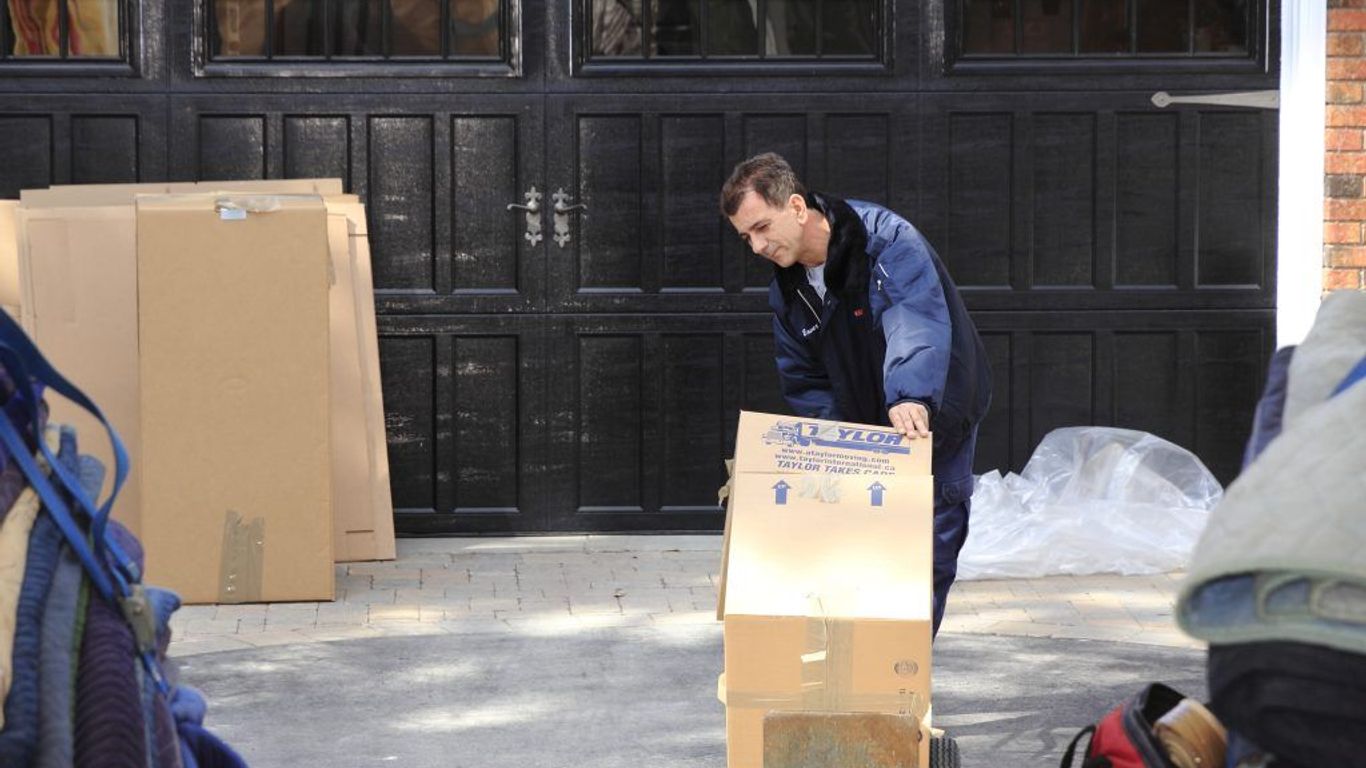
Moving across Canada is a big deal, and getting the right moving company makes all the difference. It’s not just about getting your stuff from point A to point B; it’s about peace of mind. You want a team that handles your belongings with care, communicates clearly, and makes the whole process feel less chaotic. The best movers treat your possessions like they’re their own.
The Importance of Communication and Planning
Good communication is the backbone of any successful move. From the initial quote to the final delivery, you should feel informed. A reputable moving company will have a dedicated point of contact, often called a move coordinator, who is available to answer your questions and keep you updated. They’ll work with you to create a detailed moving plan, outlining pickup dates, estimated transit times, and delivery windows. This planning helps avoid surprises and ensures everyone is on the same page.
Here’s what good communication looks like:
- Clear Estimates: A detailed, written estimate that breaks down all costs and services. No hidden fees!
- Regular Updates: Proactive communication about your shipment’s status, especially during long transit times across provinces.
- Accessibility: Easy ways to reach your moving coordinator or customer service when you need them.
- Post-Move Follow-up: Checking in after delivery to make sure everything went well.
Protecting Your Belongings During Transit
When you’re moving long distances in Canada, your items will be on the road for a while. This means they need proper protection. Look for movers who use quality packing materials and techniques. This includes things like sturdy boxes, bubble wrap, furniture pads, and secure loading methods to prevent shifting during transit. Some companies even offer specialized crating for fragile or valuable items.
Consider these points for protection:
- Professional Packing Services: If you opt for professional packing, the movers are trained to pack efficiently and safely. They know how to handle everything from dishes to delicate electronics.
- DIY Packing: If you pack yourself, use good quality materials. Label boxes clearly with contents and the room they belong in at your new home.
- Inventory List: A detailed inventory list created at pickup is vital. It helps track your items and is important for insurance purposes. You can often find movers who are licensed for inter-provincial moves and have adequate insurance, which is a good sign of their commitment to protection. Moving companies in BC often highlight their insurance policies.
- Valuation and Insurance: Understand the different levels of protection offered. Basic valuation is usually included, but it’s often minimal. Consider purchasing additional moving insurance for greater peace of mind.
Leveraging Technology for Moving Efficiency
Modern moving companies use technology to make your move smoother. This can include online tracking systems so you can see where your shipment is in real-time, digital inventory management, and even online booking and payment options. These tools not only improve efficiency but also provide transparency. For instance, companies like Two Amigos offer streamlined, coast-to-coast moving solutions that often incorporate technological aids for better coordination and customer visibility.
Think about how technology can help:
- Online Tracking: Knowing the estimated arrival time of your belongings can help you plan your own arrival and unpacking.
- Digital Inventory: Accessing your inventory list online can be very convenient.
- Communication Platforms: Some movers use apps or online portals for all communication and document sharing.
Choosing a mover that embraces technology can lead to a more organized and less stressful relocation experience. It shows they are invested in providing a modern, reliable service that keeps you informed every step of the way, from the initial quote to the final delivery across Canada.
Popular Long Distance Moving Routes in Canada
When you’re planning a big move across Canada, it helps to know which routes are most common. This can give you a better idea of what to expect in terms of timing and potential challenges. Many people are moving between major cities, and understanding these popular corridors can make your relocation planning a bit smoother. For instance, the stretch between the Greater Toronto Area and British Columbia is a very busy one.
Moving Between Major Canadian Cities
Canada is a vast country, and most long-distance moves happen between its major urban centers. The most frequent routes often connect the economic hubs of Ontario with the growing populations in Western Canada, particularly British Columbia. Think of moves like Toronto to Vancouver, or Calgary to Montreal. These journeys cover significant distances and involve a lot of logistics.
Here are some of the most common long-distance moving routes:
- Ontario to British Columbia: This is a classic cross-country move, connecting the country’s most populous province with its Pacific gateway. Many people move for job opportunities or a change in lifestyle.
- Alberta to Ontario: With Alberta’s resource-based economy, there’s often a flow of people moving east for diverse employment options or to be closer to family.
- Quebec to Ontario: This route is popular for those seeking opportunities in Canada’s largest economic center or for bilingual professionals.
- British Columbia to Alberta: A shorter, but still significant, inter-provincial move often driven by economic factors or lifestyle preferences.
The sheer distance involved in these moves means that planning and choosing the right movers is incredibly important. It’s not just about packing boxes; it’s about coordinating a complex journey across provinces.
Understanding Route-Specific Moving Challenges
Every long-distance route in Canada comes with its own set of potential hurdles. Weather is a big one, especially during the winter months. Moving from Toronto to Vancouver, for example, means you could encounter anything from heavy snow in the Rockies to rain on the coast. This can affect transit times and the condition of your belongings if not packed properly.
Different routes have different challenges. For example, moving through the mountains requires careful driving and planning, while moving across the prairies might mean dealing with extreme temperatures. It’s wise to discuss these potential issues with your moving company.
Other challenges can include:
- Road conditions: Seasonal road closures, construction, or general wear and tear can cause delays.
- Traffic congestion: Major cities like Toronto, Vancouver, and Montreal can experience significant traffic, impacting pickup and delivery schedules.
- Remote locations: If your destination or origin is in a more rural or remote area, access for large moving trucks can be difficult, potentially adding to the cost or time.
- Provincial regulations: While less common for household goods, some provinces might have specific rules that could affect movers.
Choosing Movers for Specific Corridors
When you’re moving along one of these popular routes, it’s beneficial to select a moving company that has experience with that specific corridor. Companies that frequently move between, say, Vancouver and Toronto, will have a better understanding of the transit times, potential delays, and the best ways to pack for that particular journey. They’ll know the common issues and how to avoid them. Asking potential movers about their experience on your specific route can be a good indicator of their preparedness. You can find some of the top-rated companies that handle these cross-country moving experiences by looking at industry reviews.
It’s always a good idea to get quotes from a few different companies. Don’t just go for the cheapest option; consider their reputation, reviews, and how well they seem to understand the complexities of your specific move. A company with a strong track record on popular routes is often a safer bet for a stress-free relocation.
Planning a big move across Canada? We’ve got you covered! Many people are moving between major cities, and we help make those journeys smooth. If you’re thinking about relocating, check out our website for tips and services.
Wrapping Up Your Long-Distance Move
So, you’ve made it through the whole guide on picking the right movers for your big Canada-wide trip. It can feel like a lot, right? But remember, taking the time to do your homework now will save you headaches later. Think about what you need, get a few quotes, and really look into the companies. It’s not just about finding the cheapest option, but the one that gives you the best value and peace of mind. Happy moving across Canada!
Frequently Asked Questions
Why do moving company prices change so much for long-distance moves?
The cost of moving your stuff a long way can change a lot because many things affect it. The distance you’re moving, how much stuff you have (weight and size), where you’re moving from and to, and even the time of year can all play a part. Some companies might charge by how much your things weigh, while others might charge by the hour. It’s always best to get a few quotes to compare.
What’s the difference between paying for moving by weight versus by the hour?
When movers charge by weight, they figure out the total weight of your belongings and charge you based on that. This is common for really long moves. Charging by the hour means you pay for the time the movers spend working, from when they start until the job is done. This is often used for shorter moves or local moves. Each way has its pros and cons, so it’s good to understand which one your mover uses.
What things are usually included when I get a moving quote?
A good moving quote should cover the basics like loading your items, driving them to your new home, and unloading them. It often includes things like basic protection for your furniture. However, things like packing supplies, special handling for fragile items, or storage might cost extra. Always ask for a detailed list of what’s included and what’s not.
How much time should I give myself to plan a long-distance move?
It’s smart to start planning your long-distance move at least 1 to 2 months in advance, especially if you’re moving during busy times like the summer or at the end of the month. This gives you enough time to research companies, get quotes, pack your belongings, and handle all the necessary paperwork without feeling rushed. Booking early can also sometimes get you better rates.
What can I expect from the moving process from start to finish?
The moving process usually starts with getting an estimate, either online or in person. Once you book, the movers will come on the scheduled day to load your belongings. They’ll transport your items to your new place, which can take anywhere from a few days to a few weeks depending on the distance. Finally, they’ll unload everything at your new home. Good communication with your movers throughout is key.
How do I pick the best moving company for my long-distance move in Canada?
Finding the best mover isn’t just about the cheapest price. Look for companies that are licensed and insured. Read reviews from other customers to see what their experiences were like. Make sure they have good communication and are transparent about their pricing. Getting detailed quotes from a few different companies will help you make a well-informed decision.
Leave a Comment