How Do Long Distance Movers Work? A Comprehensive Guide
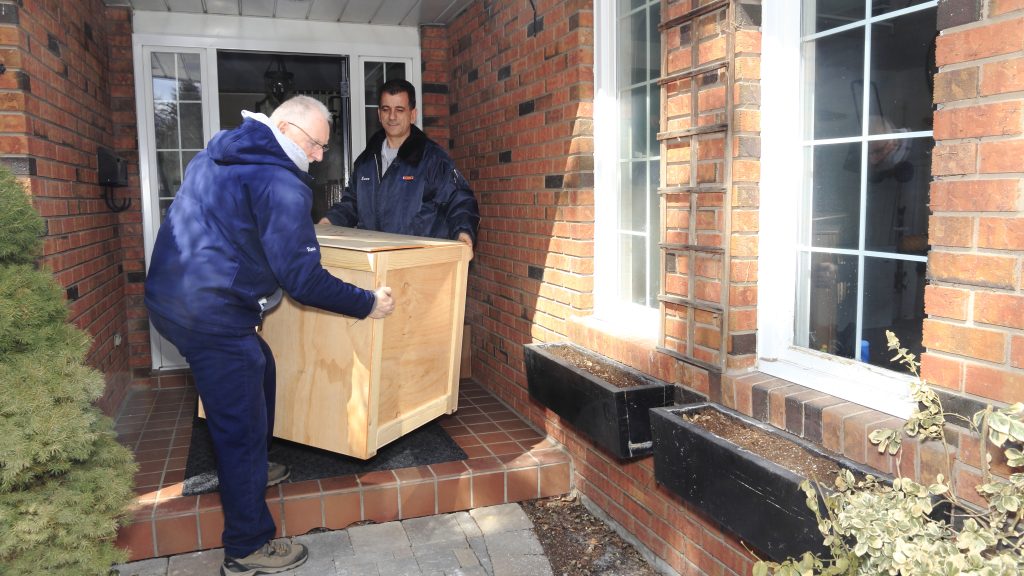
Moving your life across the country, or even just across the border, can feel like a huge task. You might be wondering, ‘How do long distance movers work?’ It’s more than just loading a truck and driving. It involves careful planning, smart packing, and clear communication to get your stuff from point A to point B without a hitch. This guide breaks down the whole process, from getting a quote to the final delivery, so you know what to expect.
Key Takeaways
- Long-distance moving is about more than just transport; it’s a detailed process involving planning, protection, communication, and execution from start to finish.
- Moving costs for long-distance trips in Canada are typically calculated based on the weight of your belongings and the distance traveled.
- Quotes from different long-distance movers can vary significantly due to factors like the services offered, the moving method, and the company’s pricing structure.
- Cross-border moves, especially between Canada and the US, require extra attention to documentation, customs regulations, and specific item restrictions.
- Choosing the right moving company involves looking beyond the cheapest price to find a reliable service that offers good value through careful planning and quality execution.
Understanding How Long Distance Movers Work
Moving across Canada, or even just a few provinces over, is a big deal. It’s not like just packing up your car and driving to a new neighbourhood. Long-distance moving involves a whole different level of planning and execution. Think of it less like a simple trip and more like a carefully orchestrated operation. The entire process is built around logistics, careful handling, and clear communication to get your belongings from point A to point B safely.
The Strategic Approach to Long Distance Moving
When you hire movers for a long-distance relocation within Canada, you’re not just paying for a truck. You’re paying for a strategy. This strategy involves several key components:
- Detailed Planning: This starts with an assessment of your move. Movers will figure out the volume and weight of your items, the distance, and any special requirements. This helps them create a timeline and a plan for packing, loading, and transport.
- Specialized Equipment: Long-distance moves often require specific trucks, padding, and packing materials to protect your furniture and boxes during potentially long journeys over varied road conditions.
- Route Optimization: Professional movers use software to plan the most efficient routes, considering traffic, road closures, and delivery windows. This helps minimize transit time and potential delays.
- Coordination: From the initial estimate to the final delivery, there’s a lot of coordination involved. This includes scheduling pick-up and delivery dates, managing the crew, and keeping you informed.
The goal of this strategic approach is to minimize surprises and ensure your belongings arrive at your new Canadian home in the same condition they left.
What to Expect During Your Long Distance Move
So, what does the actual moving day and the days following look like? It usually follows a pattern:
- The Estimate and Booking: You’ll get a quote, discuss the details, and book your moving dates. This is also when you’ll confirm what services are included.
- Packing and Preparation: Depending on your agreement, either you pack your items, or the moving crew handles it. They’ll use specific techniques to ensure everything is secure for the long haul.
- Loading Day: The movers will carefully load all your packed items onto the truck. They’ll likely create an inventory list as they go.
- Transit: Your belongings travel to your new destination. The duration depends on the distance and the mover’s schedule. You might get updates on the truck’s progress.
- Delivery Day: The truck arrives, and the crew unloads your items into your new home. They’ll help place furniture and unpack boxes if that service was arranged.
- Final Check: You’ll do a final walkthrough to ensure everything is accounted for and in good condition.
How Long Distance Moving Costs Are Calculated
Figuring out the cost of a long-distance move isn’t always straightforward. It’s not a flat fee. Several factors come into play:
- Weight of Your Shipment: This is a major factor. The heavier your belongings, the more it costs to transport them. Movers will weigh your shipment to determine the price.
- Distance: Naturally, the further the move, the higher the cost. This covers fuel, driver hours, and wear and tear on the vehicle.
- Volume and Cubic Feet: Sometimes, especially for lighter but bulky items, the space your belongings take up in the truck is also considered.
- Services Required: Do you need packing services? Special crating for fragile items? Storage? These add to the overall cost.
- Time of Year: Moving during peak seasons (like summer or the end of the month) can sometimes be more expensive due to higher demand.
Here’s a general idea of how costs might break down, though actual figures vary greatly:
| Cost Factor | Typical Impact on Price | Notes |
|---|---|---|
| Shipment Weight | High | Heavier loads cost more. |
| Distance | High | Longer distances increase costs. |
| Packing Services | Medium | Professional packing adds to the bill. |
| Storage Needs | Medium | If items need to be stored before delivery. |
| Accessorial Services | Low to Medium | Stairs, long carries, shuttle services, etc. |
| Seasonality | Low to Medium | Peak moving times can see slight price increases. |
It’s important to get detailed quotes from moving companies to understand exactly what you’re paying for.
Planning Your Long Distance Relocation
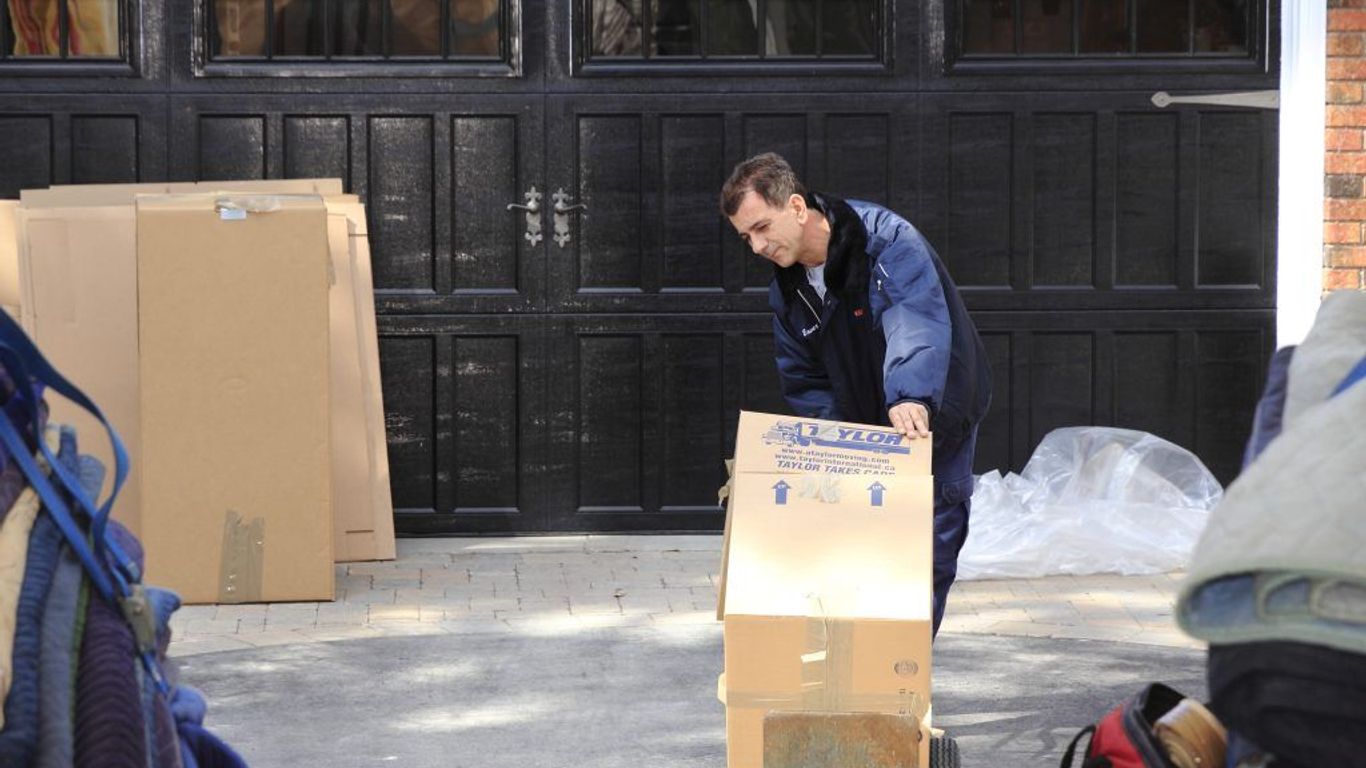
Getting ready for a big move across the country, especially to or from Canada, takes some serious thought. It’s not just about packing boxes; it’s about figuring out the best way to get all your stuff from point A to point B without a hitch. This part of the process is all about making smart choices before the moving trucks even show up.
When to Book Your Long Distance Movers
So, when’s the right time to lock in your movers for that big Canada-bound or Canada-originating trip? It’s a question many people wrestle with, and honestly, there’s no single magic date. However, the general consensus is that the earlier, the better. Booking at least three weeks in advance is a good starting point, but for moves during peak seasons (like summer or the end of the year), you might want to aim for even further out, maybe two to three months ahead. This gives movers enough time to properly plan the logistics, coordinate their schedules, and give you a solid estimate. Last-minute moves can happen, but they often come with higher costs and fewer options.
Here’s a rough timeline to consider:
- 60+ Days Out: Start researching companies, getting initial quotes, and understanding the process. This is also a good time to declutter.
- 30-45 Days Out: Finalize your choice of mover and book your moving dates. Confirm all details of the service.
- 14-21 Days Out: Confirm pickup and delivery windows. Start packing non-essential items.
- 7 Days Out: Confirm arrangements with your mover, pack essentials, and notify relevant parties of your address change.
What is Included in a Long Distance Moving Quote
When you get a quote for a long-distance move, especially one involving Canada, it’s important to know what you’re actually paying for. A good quote should break down the costs clearly. Typically, you’ll see charges related to the weight of your shipment and the distance it needs to travel. Beyond that, a full-service quote might include:
- Packing Services: Professional packing of your belongings, including specialty items.
- Loading and Unloading: The labor involved in getting your items onto and off the truck.
- Transportation: The actual cost of moving your goods across the country.
- Basic Valuation/Insurance: A level of protection for your items during transit, though this is often limited and not full insurance.
- Disassembly/Reassembly: For larger furniture items like beds or tables.
- Moving Supplies: Sometimes included, like wardrobe boxes or padding.
It’s always wise to ask what’s not included. For instance, are there extra fees for packing specific items, or for navigating difficult access points at your destination?
Why Long Distance Moving Quotes Vary
Ever get two quotes for the same long-distance move and wonder why they’re so different? It’s a common experience, and there are several reasons for this. The biggest factors usually boil down to the mover’s business model, the services they include, and how they calculate costs. Some companies might quote based purely on weight and mileage, while others factor in the time it takes for packing and loading. The quality of their equipment, the experience of their crews, and the level of insurance they offer also play a role. A lower quote doesn’t always mean a better deal; it might mean fewer services or lower quality protection. It’s worth looking into what makes one quote higher than another to make sure you’re getting the best value for your specific needs, especially when crossing the border into Canada.
When comparing quotes, don’t just look at the bottom line. Ask detailed questions about what each quote covers. Understand the difference between binding, non-binding, and not-to-exceed estimates. A binding estimate is a fixed price, while a non-binding one can change. A not-to-exceed estimate means the final cost won’t be higher than the quoted price, but it could be lower. This clarity helps prevent surprises down the road.
Planning ahead is key to a successful long-distance move. Taking the time to understand these aspects will make the entire process much smoother, whether you’re moving to Toronto or Vancouver. Planning your cross-country move can feel overwhelming, but breaking it down makes it manageable.
The Process of a Long Distance Move
Moving your life across the country, especially to or from Canada, isn’t just about stuffing things into a truck and driving. It’s a whole operation, and understanding how it works can make a big difference in how smooth things go. Think of it like planning a big trip, but with all your belongings in tow.
From Estimate to Delivery: The Moving Journey
The whole process usually kicks off with an estimate. This isn’t just a quick guess; a good moving company will want to know exactly what you’re moving. They might do this through a virtual survey or even an in-home visit, depending on the size of your move. They’ll create a detailed list of your items. This detailed list is crucial for accurate pricing. After that, you’ll get a quote. Once you agree and book, the planning really ramps up. Your moving coordinator will be your main point of contact, helping you schedule pickup dates and answering any questions. On moving day, the crew arrives, carefully loads everything, and secures it for the journey. The truck then heads to its destination, often with other shipments on board to make the trip efficient. You’ll usually get updates on your shipment’s progress. Finally, the delivery day arrives, where your belongings are unloaded and placed in your new home. It’s a multi-step process that requires coordination at every turn.
Weight-Based vs. Hourly Moving Costs
When it comes to paying for a long-distance move to Canada, you’ll likely encounter two main pricing structures: weight-based and hourly. For moves that cross provincial or international borders, weight-based pricing is the standard. This means the total cost is calculated based on the actual weight of your shipment and the distance it travels. It’s a common method because it fairly reflects the resources needed to transport your goods over long distances. Hourly rates, on the other hand, are more typical for local moves within a city or province. While some companies might offer a hybrid approach, for cross-border moves, expect the final bill to be tied to how much your stuff weighs and how far it’s going. This is why getting a detailed inventory during the estimate phase is so important; it directly impacts the weight calculation.
Choosing the Right Long Distance Moving Company
Picking the right company for your move to or from Canada is a big deal. You want someone reliable, experienced, and transparent. Start by looking for companies that specialize in cross-border moves, as they’ll be familiar with the unique logistics and paperwork involved in Canada-US relocations. Check their reviews and ask for references. Don’t just go for the cheapest quote; consider the value and service offered. A company that provides clear, detailed quotes and has a good communication system in place is usually a safer bet. It’s also wise to confirm they have proper insurance and understand the customs regulations for moving household goods between Canada and the US. A little research upfront can save a lot of headaches later.
Moving across borders involves more than just distance; it’s about understanding regulations, documentation, and logistics specific to each country. A good mover will guide you through this complexity.
Navigating Cross-Border Moves
Moving your household from the United States to Canada, or vice versa, is a bit more involved than a typical long-distance move within the country. It’s not just about distance; it’s about crossing international borders, which brings a whole new set of rules and paperwork. Understanding these specific requirements is key to a smooth transition.
Understanding Cross-Border Moving Logistics
When you’re planning a move between the US and Canada, the logistics get a little more complicated. You’ve got to think about more than just packing boxes. Things like customs regulations, specific documentation, and even the timing of your move become really important. It’s a good idea to figure out early on what you absolutely need to bring and what you might be better off leaving behind or replacing once you get to your new country. Sometimes, the cost of moving certain items just doesn’t make sense when you compare it to buying them new at your destination. This careful evaluation can save you a lot of hassle and money.
- Customs Declarations: You’ll need to declare all the goods you’re bringing into the new country. This usually involves filling out specific forms detailing the items and their value.
- Prohibited Items: Both countries have lists of items you can’t bring across the border. This often includes things like certain foods, firearms, and even some plants or animals.
- Vehicle and Pet Moving: If you’re bringing a car or pets, there are separate regulations and documentation required for each.
- Timing: Cross-border moves can sometimes take longer due to border processing and customs checks. Planning for this extended timeline is important.
Moving across borders presents complex logistical challenges. A crucial initial step involves deciding which belongings to transport and which to leave behind. Evaluating the cost-effectiveness of moving items versus replacing them at the destination is essential for a smooth international relocation.
Documentation and Customs for Canada-US Moves
Getting the paperwork right is probably the most critical part of a US-Canada move. You’ll need to be prepared with specific documents for both countries. For the US side, you might need proof of ownership for certain items, especially if you’re moving back after living abroad. On the Canadian side, you’ll typically need a detailed inventory list of everything you’re bringing, often called a
Specialized Moving Services
Corporate Relocation Considerations
Moving for a job can be a big deal, especially when it involves relocating your entire household across the country or even internationally. Companies often have specific programs to help with this, and understanding how they work is key. Many businesses offer a lump-sum allowance, which is a set amount of money you get to spend on your move. This means you’ll need to be smart about how you use it to cover all your moving expenses, from packing to transportation and setting up your new home. It’s a balancing act between getting the services you need and staying within budget. You’ll want to compare different moving companies, not just on price, but on the quality of service they provide. A good mover can make a huge difference in how smoothly your corporate relocation goes.
Managing Lump-Sum Relocation Allowances
When your employer gives you a lump-sum relocation allowance, it’s like having a budget for your move. You’re in charge of managing that money to pay for everything. This can be great because it gives you flexibility, but it also means you need to plan carefully. Think about what you’ll need: packing supplies, movers, maybe temporary storage, and even travel costs. It’s a good idea to get a few quotes from different moving companies to see what services are included and how much they cost. Some companies might offer a fixed price, while others give you an estimate that could change. Making sure you understand the terms of your allowance and the moving contract is super important. You don’t want any surprises down the road.
Services for Valued Items and Storage
Some moves involve items that need extra special care. We’re talking about things like antique furniture, delicate artwork, or even a grand piano. Standard moving practices might not be enough for these. That’s where specialized services come in. This could mean custom crating, where a wooden box is built specifically for your item, or special padding and handling techniques. If you’re not moving directly into your new home, or if you need to downsize temporarily, storage is also a big part of it. Many moving companies offer secure, climate-controlled storage facilities. This means your belongings, especially sensitive items, are kept safe from temperature fluctuations and other potential damage while they’re in storage. It’s all about protecting your most important possessions during the entire moving process.
Ensuring a Smooth Moving Experience

Moving your life from one province to another, or even across the border into Canada, can feel like a huge undertaking. It’s not just about getting your stuff from point A to point B; it’s about making sure everything arrives in one piece and that the whole process doesn’t completely drain you. Good communication and solid planning are your best friends here.
The Importance of Communication and Planning
Think of planning your move like building a house. You wouldn’t start hammering nails without blueprints, right? The same goes for moving. You need a clear plan, and you need to talk to your movers regularly. This means understanding the timeline, knowing who’s responsible for what, and having a point person you can reach out to with questions. When you’re moving between provinces or even just across the country, details matter. A good moving company will keep you in the loop about everything, from the initial estimate to the final delivery.
- Set a clear timeline: Start planning well in advance, at least three weeks out, but ideally more for longer distances. This gives everyone time to prepare.
- Ask questions: Don’t be shy. If something is unclear about the quote, the process, or the timeline, ask. It’s better to clarify now than deal with surprises later.
- Confirm details: Before the moving day, reconfirm pickup times, delivery windows, and any special instructions.
- Stay organized: Keep all your moving documents, contacts, and notes in one place. A simple binder or digital folder can work wonders.
When you’re moving, especially across provinces or internationally, the unexpected can happen. Having a moving company that communicates openly and has a solid plan in place can make all the difference between a stressful ordeal and a manageable transition. It’s about building trust and confidence throughout the entire journey.
Protecting Your Belongings During Transit
Your belongings are more than just things; they’re your possessions, your memories. When you’re moving long distances, especially into Canada from the US, there’s a lot of handling involved. Professional movers have systems in place to protect your furniture and boxes. This often includes using specialized padding, shrink wrap, and sturdy boxes. For particularly fragile or valuable items, like artwork or antiques, companies might offer custom crating services. It’s worth asking about these options to give yourself peace of mind.
- Professional Packing: If you opt for professional packing services, movers use specific techniques and materials to secure your items. This can reduce the risk of damage significantly.
- Furniture Protection: Sofas are often wrapped in protective blankets, and furniture with drawers or doors might be secured to prevent them from opening during transit.
- Specialty Items: For items like pianos, large TVs, or delicate glassware, movers may use custom crating or specialized equipment.
- Insurance: Understand the insurance options available. While basic coverage is usually included, you might want to consider additional protection for higher-value items.
Leveraging Technology for Efficient Moves
Technology plays a bigger role in moving than you might think. Many moving companies use route optimization software to plan the most efficient paths for their trucks, which can help avoid delays. Some even use AI for training their crews to improve techniques and reduce damage. You might also encounter online tools for getting estimates, tracking your shipment, or even planning your new home’s layout. Using these tools can make the whole process feel more organized and less chaotic. For instance, knowing your estimated delivery window thanks to tracking technology can help you plan your arrival and unpacking.
- Route Optimization: Helps movers stick to schedules and avoid traffic.
- Online Quoting & Tracking: Many companies offer digital tools for getting estimates and following your shipment’s progress.
- Inventory Management: Digital inventories can help keep track of everything being moved.
- Communication Platforms: Some movers use apps or online portals for easy communication and updates.
Making your move stress-free is our top goal. We handle all the details so you can relax. From packing to the final box, we’ve got you covered. Ready for an easy move? Visit our website today to get started!
Wrapping Up Your Long-Distance Move
So, there you have it. Moving across the country, or even just across the border into the US, is a big deal. It’s not just about stuffing things in boxes and hoping for the best. It really is about careful planning, making sure your stuff is protected, and keeping everyone in the loop. When you pick the right movers, they handle all the tricky parts, from figuring out the best routes to making sure all the paperwork is sorted, especially for those cross-border trips. It takes a lot of coordination, but when it’s done right, you can actually relax a bit and look forward to your new place. Just remember, a good move is all about the details and having a team you can count on.
Frequently Asked Questions
How do long-distance movers figure out the cost of my move?
Long-distance moving costs in Canada are usually based on how much your stuff weighs and how far it’s traveling. Think of it like this: the heavier your items and the longer the distance, the more it will cost. Some companies might also consider the time it takes, but weight and distance are the big players.
Why do moving quotes from different companies vary so much?
Moving quotes can be like snowflakes – no two are exactly alike! Companies have different ways of calculating costs, some might include more services in their basic price, and their own operating expenses can differ. It’s always a good idea to get a few quotes and compare what’s included, not just the final number.
What exactly is included when I hire long-distance movers?
Generally, a long-distance moving quote covers the transportation of your belongings from your old home to your new one. This often includes basic packing supplies for fragile items, loading and unloading the truck, and the actual drive. Always ask for a detailed list of what’s covered, like packing services or insurance options.
How far in advance should I book my long-distance move?
It’s best to book your long-distance movers at least three weeks before your moving date. This gives the moving company enough time to plan everything properly. If you’re moving during a busy season, like summer, booking even earlier, maybe a month or two ahead, is a smart move.
What’s the difference between weight-based and hourly moving costs?
For long-distance moves in Canada, weight-based pricing is more common. This means the cost is determined by the total weight of your shipment and the distance it travels. Hourly pricing is usually for local moves where the movers charge for the time spent loading, driving, and unloading.
What should I expect from the moving process, from start to finish?
The moving journey usually starts with an estimate or quote. Then, you’ll schedule your moving dates. On moving day, the crew will load your items carefully. After the long drive, they’ll unload everything at your new place. Good moving companies will keep you updated throughout the entire process.
Leave a Comment