How Do Long Distance Moving Companies Work? A Comprehensive Guide

Moving your life from one province to another, or even across the country, can feel like a huge task. You might be wondering, “how do long distance moving companies work?” It’s not just about stuffing your belongings into a truck and driving off. There’s a whole process involved, from getting a price to making sure everything arrives safely at your new home. This guide breaks down what you need to know about long-distance moves within Canada and even a bit about crossing the border.
Key Takeaways
- Long-distance moves involve a detailed process from the initial estimate to the final delivery, with various factors influencing the experience.
- The cost of moving long distances in Canada is calculated based on factors like weight, distance, and services needed, and quotes can vary significantly between companies.
- Planning ahead is vital; book movers well in advance and estimate the time your move will take.
- Cross-border moves between Canada and the US have unique requirements, including specific documentation and customs procedures.
- While the cheapest quote might seem appealing, focusing on the overall value and service quality provided by a moving company is often a wiser choice for a stress-free relocation.
Understanding Long-Distance Moving Services
What Constitutes A Long-Distance Move?
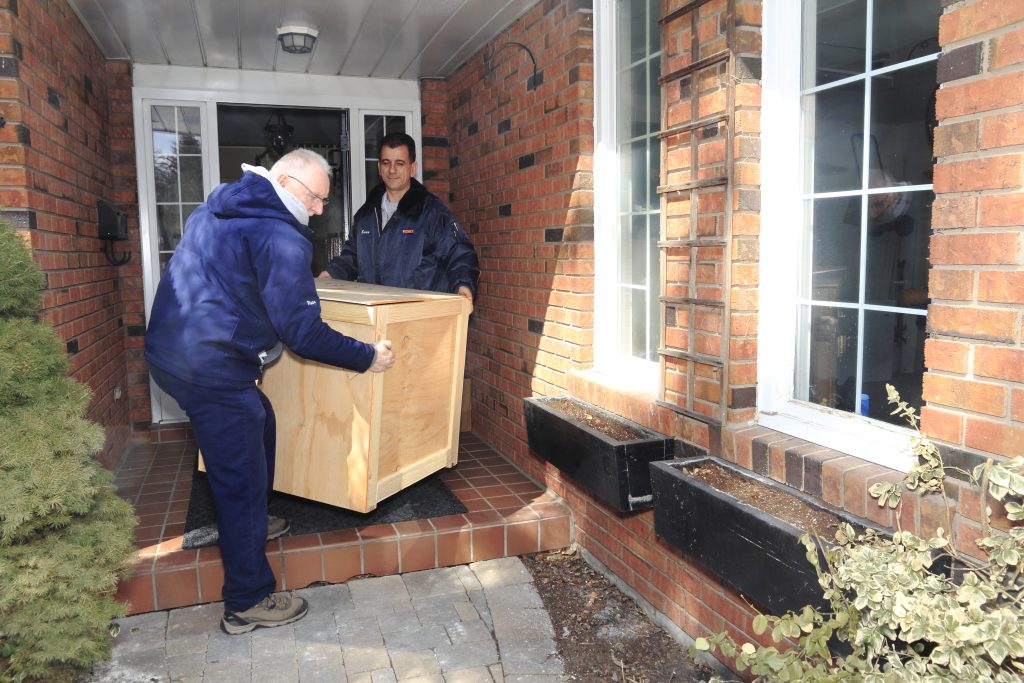
When you’re moving your household from one Canadian province to another, or even just across a significant distance within the same province, it’s generally considered a long-distance move. This isn’t like moving across town; it involves a whole different level of planning and logistics. Think of it as anything that requires your belongings to travel a substantial number of kilometers, often involving overnight transit or multiple days on the road. It’s more than just packing boxes; it’s about getting your entire life from point A to point B, safely and efficiently.
The Comprehensive Process From Estimate To Delivery
So, how does this whole thing actually work? It starts with getting an estimate. You’ll want to get quotes from a few different companies to compare. Once you pick one, they’ll usually do a more detailed survey, either in person or virtually, to get a precise idea of what you’re moving. Then comes the packing and loading day. The movers carefully pack your items, load them onto the truck, and then it’s off to your new home. The delivery process is just as important, making sure everything arrives in the same condition it left. It’s a step-by-step journey, and knowing what to expect at each stage is key to a smoother experience. You can understand the entire long-distance moving process to get a clearer picture.
Key Factors Influencing Your Moving Experience
Several things can really shape how your move goes. The distance, of course, is a big one. But also, the amount of stuff you have, whether you need packing services, and the time of year can all play a role. Moving during peak season, like the summer months or at the end of the month, can sometimes mean less availability and potentially higher costs. Also, think about any special items you have – pianos, artwork, or fragile heirlooms – these often require special handling. The communication you have with your moving company throughout the process is also incredibly important. Being clear about your needs and expectations from the start helps prevent surprises down the road.
- Distance: The further you move within Canada, the more complex the logistics and the higher the potential cost.
- Volume of Goods: More items mean more space on the truck, more time to load and unload, and potentially a higher price.
- Services Required: Do you need full packing services, or just loading and transport? Packing adds to the cost but saves you a lot of time and effort.
- Timing: Moving during busy periods can affect availability and pricing. Planning ahead is always a good idea.
- Special Items: Fragile, oversized, or high-value items may require specialized packing and handling, impacting the overall cost and process.
When planning a long-distance move within Canada, remember that unforeseen issues can arise. Factors like weather, traffic, and road conditions can sometimes lead to delays. Reputable movers are transparent about these possibilities and build contingency into their timelines. Understanding these elements can help set realistic expectations for delivery times, as cross-country movers frequently experience delays due to various factors.
Navigating The Costs Of Long-Distance Moves
Moving your life across the country, or even just to a different province, can feel like a big undertaking, and figuring out the cost is usually one of the first things on your mind. It’s not as simple as just getting a single number; there are a lot of moving parts, literally and figuratively.
How Long-Distance Moving Costs Are Calculated In Canada
When you’re looking at moving companies in Canada, the price isn’t pulled out of thin air. It’s usually based on a few key things. The most common method involves the weight of your belongings and the distance they need to travel. Think of it like this: the more stuff you have, and the further it has to go, the more fuel and time it will take, and that adds up. Some companies might also charge by the hour, especially for shorter long-distance moves or if they’re doing local packing and unpacking services. It’s important to ask how they calculate their rates so you know what you’re paying for. Understanding these core components is the first step to budgeting for your move.
Here’s a general breakdown of what influences the cost:
- Weight of your shipment: Heavier loads mean more fuel and effort.
- Distance of the move: The further the destination, the higher the transportation costs.
- Volume of items: While weight is key, the sheer space your items take up also matters.
- Time of year: Moving during peak season (summer) is often more expensive than off-peak times.
- Additional services: Packing, unpacking, storage, or special handling for fragile items will add to the total.
The final price you get is a combination of the physical effort, the distance covered, and any extra help you need along the way. It’s a complex calculation, but knowing the basics helps you ask the right questions.
Why Moving Quotes Vary Significantly
You’ve probably noticed that if you get quotes from a few different long-distance moving companies, the numbers can be all over the place. This isn’t usually because one company is trying to rip you off, but rather because they might be calculating things differently or offering different levels of service. For example, one company might give you a binding quote, which is a fixed price, while another might offer a non-binding estimate that could change. Some companies might include more in their base price, like basic packing supplies, while others charge extra for everything. It’s also about how they manage their routes and logistics. A company that has a well-established network and efficient routing might be able to offer a more competitive price. Get a quote to see how different companies approach pricing.
What Is Typically Included In A Moving Quote?
When you get a quote from a reputable long-distance moving company in Canada, you can usually expect certain things to be covered. This typically includes the transportation of your household goods from your old home to your new one. Most companies will also include basic protection for your belongings, though the level of coverage can vary. You’ll also usually get a detailed inventory of your items. What might not be included, and where costs can increase, are things like:
- Packing and unpacking services
- Disassembly and reassembly of furniture
- Long-carry fees (if your home is far from the truck)
- Stairs or elevator fees
- Storage-in-transit
- Specialty item handling (like pianos or large artwork)
It’s always best to get a written quote that clearly outlines everything that’s included and what’s considered an extra charge. Don’t be afraid to ask for clarification on any part of the quote that seems unclear. This helps avoid surprises down the road and makes sure you’re comparing apples to apples when looking at different moving company quotes.
Planning Your Long-Distance Relocation
Moving across Canada is a big deal, and good planning makes all the difference. It’s not just about packing boxes; it’s about setting yourself up for a smooth transition. Think of it like preparing for a long road trip – you wouldn’t just hop in the car without a map and a general idea of where you’re going, right? The same applies to moving your entire household.
How Far In Advance Should You Book Movers?
This is a question we get a lot. The short answer? Sooner rather than later. Booking your long-distance moving company well in advance is key to securing your preferred dates and getting the best service. Life events, like selling a home or starting a new job, often dictate your moving timeline. However, the moving industry has its busy seasons, especially during the summer months and around holidays. If you’re aiming for a popular moving window, aiming for 6 to 8 weeks ahead is a good starting point. For less common times, 4 to 6 weeks might suffice, but it’s always better to have more time than not enough. This lead time allows movers to properly schedule your move and gives you peace of mind.
Estimating the Duration of Your Long-Distance Move
Figuring out how long your move will take from start to finish can be tricky. It depends on a lot of things, like the distance, the amount of stuff you have, and the specific services you’ve booked. A move across the country isn’t like a local move where everything happens in a day. You’ll typically have a pickup window and then a delivery window. The actual transit time can range from a few days to a couple of weeks, depending on how far your new home is from your old one and the mover’s route.
Here’s a general idea:
- Short-distance long-haul (e.g., within the same province or to a neighbouring province): 2-5 days
- Medium-distance long-haul (e.g., Ontario to Alberta): 5-10 days
- Cross-country (e.g., Atlantic Canada to British Columbia): 10-14 days or more
It’s important to discuss these timelines with your moving company. They can give you a more accurate estimate based on your specific situation and their current schedule. Remember, flexibility is helpful, as unexpected delays can happen.
Planning is more than just scheduling; it’s about understanding the entire journey your belongings will take. This includes knowing the pickup and delivery windows, potential transit times, and how communication will work throughout the process. Being prepared for the duration helps manage expectations and reduces stress.
Choosing the Right Long-Distance Moving Company
Selecting the right mover is probably the most important step in your entire relocation process. It’s not just about finding the cheapest quote; it’s about finding a company that offers reliable service and treats your belongings with care. Look for companies with a good reputation, proper licensing and insurance, and clear communication. Reading reviews from past customers can offer a lot of insight. Also, make sure you understand what’s included in their quote and what their claims process looks like in case something goes wrong. A company that is transparent about its services and pricing is usually a good sign. You can find helpful resources to guide your selection process, like a comprehensive checklist for preparing your move.
When you’re comparing companies, consider these points:
- Experience: How long have they been doing long-distance moves?
- Services: Do they offer packing, unpacking, storage, and other services you might need?
- Insurance and Protection: What coverage do they provide for your belongings?
- Communication: How easy is it to get in touch with them, and how responsive are they?
- Reviews and Reputation: What do other customers say about their experience?
Taking the time to research and choose wisely will pay off in the long run, making your move across Canada a much more positive experience. You can find more detailed advice on preparing for a cross-country move with a detailed moving checklist.
Cross-Border Moving: Canada To The US
The Nuances Of Moving Between Canada And The US
Moving your household from Canada to the United States is a bit more involved than a typical long-distance move within Canada. It’s not just about covering more miles; you’re crossing an international border, which brings a whole new set of rules and paperwork. Think of it as a logistical puzzle with extra pieces. You’ll need to be aware of what you can and cannot bring, and how customs procedures work. Companies that specialize in Canada-US moves understand these complexities. They can help you sort through the requirements, making the process smoother. It’s wise to choose a mover with experience in this specific type of relocation, as they’ll be familiar with the ins and outs of border crossings. This is where specialized services like Trans Canada Movers really shine.
Essential Documentation For Cross-Border Relocations
Gathering the right documents is probably the most important step when moving from Canada to the US. Missing even one piece of paper can cause significant delays or even prevent your belongings from crossing the border. Here’s a general list of what you’ll likely need:
- Proof of Citizenship/Residency: This could be your Canadian passport, birth certificate, or permanent resident card. For the US side, you’ll need documentation proving your right to enter and reside, such as a visa, work permit, or green card.
- Bill of Lading: This is the contract between you and the moving company. It details the services being provided, the inventory of your goods, and the terms of the move.
- Detailed Inventory List: Most moving companies will create this with you, but it’s good to have your own copy. It should list every item being moved, its condition, and its estimated value. This is crucial for customs.
- Customs Forms: Depending on the value and type of goods, you might need specific customs declaration forms for both Canada (for export) and the US (for import).
- Driver’s License or Provincial ID: Useful for identification purposes throughout the process.
It’s always best to confirm the exact requirements with your chosen moving company, as they can provide the most up-to-date information based on current regulations.
Understanding Customs Procedures For Household Goods
When your belongings arrive at the US border, they’ll go through a customs inspection. The process is designed to ensure you’re not bringing in anything prohibited and that you’re declaring everything accurately. Moving companies experienced in cross-border moves will often handle much of the customs clearance for you. They know what needs to be declared, how to value items, and how to present the paperwork to border officials. For instance, some services can manage the driving and customs clearance, simplifying things greatly for you. This is where companies like U-Pack can be a real help.
Generally, you can bring your personal household goods and effects duty-free when moving to the US, provided they are for your own use and you are moving your primary residence. However, certain items might be restricted or subject to duties, so it’s important to check in advance. Things like firearms, alcohol, tobacco, and even certain food items can have specific regulations.
Be prepared for potential inspections. While most moves go smoothly, customs officials have the right to inspect your shipment. Having a clear and accurate inventory list will make this process much easier if it happens. It’s all about transparency and following the established procedures to avoid any headaches at the border.
Leveraging Technology For A Smoother Move
Moving across the country, especially from Canada to another country, can feel like a huge undertaking. But these days, there’s a lot of tech that can make the whole process feel way less chaotic. Companies are really starting to use new tools to make things work better for everyone involved. It’s not just about getting your stuff from point A to point B anymore; it’s about smart planning and clear communication, and technology is a big part of that.
Utilizing Floor Planning Tools For Efficient Packing
Ever wonder if all your furniture will actually fit into your new place? Or maybe you’re trying to downsize and only want to pay to move what you truly need. That’s where floor planning tools come in handy. These digital tools let you map out your new space and arrange your furniture virtually. It’s a great way to visualize how everything will fit before you even start packing. This can help you decide what to keep, what to sell, and what to donate, potentially saving you money on moving costs by not transporting unnecessary items. It also helps you pack more strategically, knowing where things will go once they arrive.
AI Route Optimization For Timely Arrivals
When you’re moving long-distance, timing is everything. Nobody wants their belongings stuck in transit longer than necessary. That’s why many moving companies now use AI route optimization software. This technology looks at real-time traffic, road conditions, and other factors to figure out the most efficient path for the moving trucks. This means fewer delays and a more predictable arrival time for your belongings. It’s a pretty neat way to keep things moving smoothly, especially when you’re dealing with the complexities of cross-border moves between Canada and the US, where border crossings can add an extra layer of unpredictability. You can even track your shipment’s progress, giving you peace of mind.
Ensuring Data Security During Your Move
In today’s world, we share a lot of personal information when we move. From your address and contact details to inventory lists, keeping this data safe is super important. Reputable moving companies understand this and use strong security measures to protect your information. This includes things like secure databases and encrypted communication channels. It’s reassuring to know that the details of your move are protected, especially when dealing with sensitive cross-border documentation. You want to be sure your personal details are handled with care throughout the entire process, from the initial quote to the final delivery.
The integration of technology in the moving industry is transforming the customer experience. Tools that were once considered cutting-edge are now becoming standard, helping to streamline complex processes like long-distance and cross-border relocations. This shift towards tech-enabled services aims to provide greater transparency, efficiency, and security for individuals and families making a significant life change.
Choosing Value Over The Cheapest Quote
When you’re planning a long-distance move across Canada, it’s easy to get fixated on finding the absolute lowest price. Everyone wants to save money, right? But here’s the thing: the cheapest moving quote often comes with hidden costs and a whole lot of stress you probably don’t need. It’s like buying the cheapest tools for a big project – they might seem like a good deal at first, but they can break easily and end up costing you more in the long run.
The Risks Associated With the Cheapest Moving Options
Going for the rock-bottom price can feel like a win, but it’s a gamble. Companies that offer significantly lower quotes might be cutting corners somewhere. This could mean less experienced movers, older equipment, or even a lack of proper insurance. You might end up with damaged belongings, unexpected fees popping up on moving day, or a move that takes way longer than it should. The lowest upfront quote can become more expensive when delays, damages, poor coordination, and sloppy execution create lost time and avoidable problems. It’s important to remember that long-distance moving is not just about transport; it’s about careful planning, protection, clear communication, and reliable execution.
Evaluating Service Levels For Optimal Value
So, how do you find the right balance? It’s all about looking at the whole picture, not just the dollar amount. Think about what you’re actually getting for your money. Does the quote include packing supplies, or is that extra? What kind of protection do they offer for your furniture? How experienced are their moving crews? A company that provides detailed quotes, clear communication throughout the process, and a good track record is usually worth a bit more. It’s about finding a mover that offers a solid service level that fits your needs, rather than just the cheapest option available. For instance, some companies offer different pricing structures, like not-to-exceed estimates, which can provide some price certainty without being a completely fixed, potentially higher, cost. Understanding how long-distance moving costs are calculated in Canada is a good first step to comparing these options.
Making Smart Decisions With Relocation Allowances
If you’re lucky enough to have a relocation allowance from your employer, it can be a bit of a balancing act. You want to make your allowance go as far as possible, but you also don’t want to end up with a move that causes more problems than it solves. It’s tempting to just pick the cheapest mover to save some of the allowance, but consider what that means for the quality of your move. Sometimes, using a portion of your allowance for a more reputable company that offers better planning and communication can prevent costly issues down the line. It’s about making a smart decision that balances your budget with the outcome of your relocation. You might find that a slightly higher upfront cost for a full-service mover is more economical than trying to manage a budget move yourself and dealing with unexpected expenses or damage.
When comparing moving companies, look beyond the price tag. Consider their reputation, the clarity of their quotes, the services included, and their communication style. A slightly higher price for a company with a proven track record of reliability and care can save you a significant amount of stress and potential financial loss in the long run.
When you’re looking for movers, don’t just pick the first company that offers the lowest price. The cheapest quote might seem good at first, but it could mean hidden fees or lower quality service. It’s important to find a moving company that offers great value for your money, ensuring your belongings are safe and the move goes smoothly. Think about what truly matters for your move and choose wisely.
Wrapping It All Up
So, there you have it. Moving long distances, whether it’s across Canada or even into the States, is a big deal. It’s not just about stuffing your belongings into a truck and hoping for the best. It really is about careful planning, making sure your stuff is protected, and keeping the lines of communication open. Companies that do this well understand that it’s a complex process, from the first quote to the final delivery. They focus on the details so you don’t have to worry as much. When you’re ready to make that big move, remember what we’ve talked about. Choosing the right company makes all the difference in getting your life from point A to point B without too many headaches.
Frequently Asked Questions
What exactly makes a move a ‘long-distance’ one?
A long-distance move is generally considered any move that takes you more than 100 miles away from your current home. It’s more than just a short trip across town; it involves moving your belongings to a new city or even a new province within Canada.
How do moving companies figure out the cost for a long-distance move in Canada?
The price is usually based on a few things. The main ones are how much your stuff weighs and how far it needs to travel. Sometimes, they also consider how much space your items take up on the truck. Additional services, like packing or unpacking, can also add to the total cost.
Why do different moving companies give such different price estimates?
Quotes can vary a lot because each company has its own way of calculating costs. Some might focus more on weight, while others might charge based on the time it takes. Also, what’s included in the price can be different. Always check what services are part of the quote to compare apples to apples.
What’s usually covered when I pay for a long-distance moving service?
Typically, a standard quote includes loading your belongings onto the truck, driving them to your new home, and unloading them. This often covers basic protection for your items during the move. However, things like packing supplies, special handling for fragile items, or unpacking services might cost extra.
How far ahead of time should I book movers for a long-distance relocation?
It’s a good idea to book your movers at least 4 to 8 weeks before your moving date, especially if you’re moving during busy seasons like summer or the end of the month. Booking early helps ensure you get the date you want and gives you more time to plan everything else.
Is it always best to pick the company with the lowest price?
Not necessarily. The cheapest quote might seem tempting, but it could mean fewer services, less careful handling of your belongings, or hidden fees later on. It’s usually better to look for a company that offers good value, meaning a fair price for reliable service, good communication, and careful handling of your possessions.
Leave a Comment