How Does Long Distance Moving Work? A Comprehensive Guide

Moving your stuff across the country or even just a few provinces over can feel like a big deal. It’s definitely not like just moving across town. There’s more planning involved, and you need to think about how everything will get from point A to point B in one piece. This guide is here to break down how does long distance moving work, so you know what to expect and can make your move as smooth as possible. We’ll cover everything from figuring out costs to choosing the right company and even what happens if you’re moving across the Canadian border.
Key Takeaways
- Long-distance moves are different from local ones, requiring more detailed planning and logistics.
- Costs for long-distance moving in Canada are usually based on weight and distance, with other factors like packing services and timing also playing a role.
- Booking movers well in advance, especially during peak seasons, is important for securing your preferred dates and company.
- Choosing a moving company involves looking beyond just the cheapest quote to find one that offers good value and reliable service.
- Moving between Canada and the US has its own set of rules, including specific documents and customs procedures you need to be aware of.
Understanding Long Distance Moving
What Constitutes A Long Distance Move?
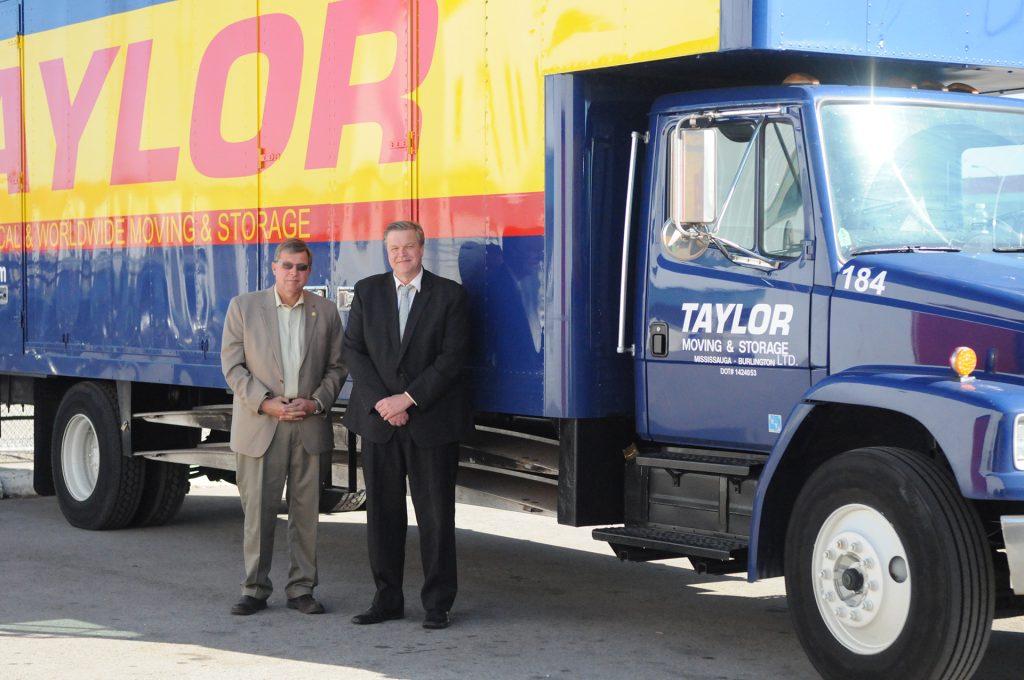
Moving your home or office across provinces or significant distances within Canada is what we call a long-distance move. It’s more than just a few extra kilometers; it’s a move that typically spans over 400 kilometers. Think of moving from Toronto to Vancouver, or even from Halifax to Calgary. These aren’t your quick local hops. They involve a whole different level of planning and execution because your belongings are traveling a considerable distance. The key differentiator is the mileage and the complexity that comes with it.
The Strategic Importance Of Planning A Long Distance Move
Planning a long-distance move isn’t just about packing boxes. It’s a strategic operation. You’re not just moving furniture; you’re coordinating logistics, ensuring your possessions are protected during transit, and keeping communication lines open. A well-thought-out plan helps avoid those last-minute panics and unexpected issues that can pop up when you’re moving across the country. It’s about making sure everything arrives safely and on time, without any major headaches.
- Detailed Inventory: Knowing exactly what you’re moving is step one. This helps with everything from packing to insurance.
- Timeline Management: Setting realistic dates for packing, pickup, and delivery is vital.
- Budgeting: Long-distance moves have unique cost factors, so understanding these upfront is important.
- Choosing the Right Partner: Selecting a mover experienced in long-distance moves is probably the most critical part of the planning.
When you’re moving a long distance, it’s easy to get overwhelmed. But breaking it down into manageable steps, like creating a detailed inventory and setting a clear timeline, makes the whole process feel much more achievable. It’s about being prepared for the journey ahead.
Key Differences From Local Moves
Local moves are usually completed within a single day, often within the same city or a nearby town. The logistics are simpler, and the costs are generally lower. Long-distance moves, however, are a different beast entirely. They require specialized equipment, more extensive planning, and often involve multiple stages of transportation. The distance means more potential for wear and tear on your items, and the timeline is naturally extended. You’re not just moving across town; you’re moving across Canada, and that changes everything. Understanding what goes into these moves is the first step to a successful relocation.
Estimating The Costs Of Your Long Distance Move
How Long Distance Moving Costs Are Calculated In Canada
Figuring out the cost of a long-distance move in Canada isn’t always straightforward. It’s not just about how much stuff you have, but also how far it’s going. Most moving companies base their long-distance pricing on a few key things. The weight of your shipment and the distance it travels are the biggest factors. Think of it like this: the heavier your load and the further it needs to go, the more fuel, time, and resources are involved. This is why a move across the province will likely cost less than a move from, say, Halifax to Vancouver.
Here’s a general breakdown of what goes into the calculation:
- Weight: This is usually the primary driver. Movers will weigh your belongings, often at a certified scale. The heavier your shipment, the higher the cost.
- Distance: The mileage between your old place and your new place plays a significant role. Longer distances mean more fuel, driver hours, and potential overnight stays for the moving crew.
- Volume/Cubic Feet: Some companies might also consider the space your items take up, especially if weight is less of a factor or to get a more rounded estimate.
- Services: Any extra help you need, like packing, unpacking, or storage, will add to the total cost.
- Valuation/Insurance: This is protection for your belongings during the move. Different levels of coverage come with different price points.
It’s important to remember that these are the core components. We’ll get into the other things that can affect the final price in the next section.
Understanding how costs are calculated helps you ask the right questions when getting quotes. It’s not just about the bottom line, but about what you’re actually paying for.
Factors Influencing Your Moving Estimate
So, we know weight and distance are big players, but what else can make your moving estimate go up or down? A lot, actually. It’s not just about the big stuff; the little details can add up. For example, if you live on the third floor of an apartment building with no elevator, that’s going to take more time and effort than a ground-floor house move. This is where the ‘manpower’ and ‘time’ elements come into play, which often tie back to the overall weight and complexity.
Here are some common factors that influence your moving estimate:
- Accessibility: How easy is it for the moving truck to get to your home? Tight streets, steep driveways, or buildings without easy loading dock access can increase the time and effort required.
- Packing Services: Do you want the movers to pack everything, just fragile items, or are you handling all the packing yourself? Professional packing adds a significant cost but saves you a lot of time and hassle.
- Specialty Items: Moving a piano, a large safe, or a collection of antique furniture? These items require special handling, equipment, and expertise, which will be reflected in the price.
- Timing of Your Move: Moving during peak season (typically summer) or on weekends can sometimes be more expensive due to higher demand. If you have flexibility, consider moving during off-peak times.
- Storage Needs: If you need to store your belongings before moving into your new home, this will be an additional cost. Many long-distance moving companies offer storage solutions.
- Shuttle Service: If the large moving truck can’t access your location directly, a smaller shuttle truck might be needed to transfer your belongings. This incurs an extra fee.
Understanding Why Moving Quotes Vary
Ever get a few quotes for the same job and get wildly different numbers? It’s a common experience, and it can be confusing. The reason quotes vary so much for long-distance moves in Canada comes down to a few things. First, not all moving companies operate the same way. Some might be more thorough in their estimates, while others might be less detailed. Also, the services included can differ significantly. One company might include basic packing supplies, while another charges extra for every roll of bubble wrap.
Here’s why you might see different prices:
- Service Inclusions: As mentioned, what’s included in the base price can differ. Some quotes might be for just the transportation, while others include packing, unpacking, and debris removal.
- Type of Estimate: Moving companies offer different types of quotes. A non-binding estimate means the final cost could change based on the actual weight and services. A binding estimate locks in the price, but you need to be sure the inventory is accurate. A “not-to-exceed” estimate, like those offered by some companies, guarantees the price won’t go over a certain amount, and you might even pay less if the move is faster or lighter than expected.
- Company Reputation and Overhead: Established companies with a strong reputation, better equipment, and more comprehensive insurance often have higher operating costs, which can be reflected in their pricing. The cheapest quote doesn’t always mean the best value.
- Accuracy of the Initial Survey: If the initial survey of your belongings wasn’t thorough, the quote might be inaccurate. A detailed inventory is key to a reliable estimate. For a 2-3 bedroom home, the average cost can be around $5,450 for a 1,000-mile move, but this is just a benchmark.
It’s always a good idea to get at least three detailed quotes and compare not just the price, but also what services are included and the company’s reputation. Don’t be afraid to ask for clarification on anything you don’t understand.
Navigating The Long Distance Moving Process
Moving across the country, or even just a few provinces over, is a big deal. It’s not like moving down the street where you can just grab a few boxes and call a friend. Long-distance moves require a bit more thought and planning to make sure everything goes smoothly. The entire process, from the initial estimate to the final delivery, involves several key stages that you’ll want to be aware of.
From Estimate To Delivery: What To Expect
Getting a moving quote is just the first step. Once you’ve picked a company, they’ll usually schedule a survey, either in-person or virtually, to get a clear picture of everything you need to move. This helps them give you a more accurate price. After that, you’ll agree on dates for packing (if you’re using their services) and the actual pickup. The movers will load your belongings, and then they’ll be transported to your new home. Delivery usually happens within a set window, and the crew will unload everything for you. It’s a good idea to have a clear checklist for your move, starting with booking travel and progressing to packing each room. Setting clear deadlines is important for an organized long-distance move. Planning a long-distance move requires a comprehensive checklist.
How Far In Advance Should You Book Movers?
This is a question we get a lot. For long-distance moves within Canada, it’s best to book your movers as early as possible. Ideally, you should aim to book at least 4 to 8 weeks in advance, especially if you’re moving during peak season (like the summer months or the end of the month). Booking early gives you more options for dates and companies, and it often means you’ll get a better price. Last-minute bookings can be more expensive and might limit your choices.
The Typical Timeline For A Long Distance Move
While every move is different, there’s a general timeline you can expect for a long-distance relocation:
- Estimate & Booking: This can take anywhere from a few days to a couple of weeks, depending on how quickly you get quotes and make a decision. Aim to do this 6-8 weeks before your move date.
- Packing: If you hire professional packers, this usually happens a day or two before the pickup. If you’re packing yourself, start well in advance.
- Pickup: This is when the movers load all your belongings onto the truck. It can take several hours, depending on the size of your move.
- Transit: The time your belongings spend on the truck can vary greatly depending on the distance. A move across Ontario might take a few days, while a move from coast to coast could take a couple of weeks.
- Delivery: Once your belongings arrive at your new destination, the movers will unload them. This is usually scheduled within a specific delivery window.
It’s important to remember that unexpected delays can happen, especially with long-distance moves. Things like weather, traffic, or even border crossing issues (if applicable) can impact the timeline. Good moving companies will keep you informed throughout the process.
Choosing The Right Long Distance Moving Company
Finding the right moving company for a long-distance move in Canada can feel like a big task. It’s not just about picking the cheapest option; it’s about finding a company that you can trust with your belongings and that understands the complexities of moving across provinces or even internationally. The cheapest quote isn’t always the best value in the long run. Sometimes, paying a bit more upfront can save you a lot of headaches and unexpected costs down the road.
Selecting A Reputable Canadian Moving Company
When you’re looking for a mover, start by checking their reputation. Look for companies that have been around for a while and have a solid track record. Online reviews can be helpful, but also see if they are members of any professional moving associations in Canada. This often means they adhere to certain standards. You want a company that communicates well from the very beginning, answers your questions clearly, and provides detailed, transparent estimates. A company like Allied Van Lines is known for its nationwide services and flexible pricing, which can be a good starting point for your research.
Best Value Versus Cheapest Quote
It’s easy to get swayed by the lowest price, but consider what you’re actually getting for that price. A company offering a rock-bottom quote might be cutting corners somewhere. This could mean less experienced movers, inadequate packing materials, or poor communication, leading to damaged goods or delays. On the other hand, a company that provides a slightly higher quote might include better insurance, more professional packing services, and a dedicated move coordinator. Think about the total cost, not just the initial number. Companies like Pricing Van Lines focus on providing access to vetted carriers at affordable rates, aiming for that sweet spot between cost and quality.
What Services Are Included In A Long Distance Quote?
Always clarify what’s included in your moving quote. A standard long-distance move quote might cover:
- Transportation of your belongings.
- Basic liability coverage (this is usually minimal, so check the details).
- Fuel surcharges and tolls.
However, many things might be extra. You’ll want to ask about:
- Packing and unpacking services.
- Disassembly and reassembly of furniture.
- Storage options, if needed.
- Specialized handling for fragile items or large appliances.
- Insurance or valuation coverage options beyond the basic liability.
- Stairs, long carries, or elevator fees.
It’s important to get everything in writing. A detailed contract should outline all services, costs, and timelines. Don’t be afraid to ask for clarification on any point you don’t understand. A good moving company will be happy to walk you through the specifics.
Understanding these details upfront will help you compare quotes accurately and avoid surprises on moving day.
Cross-Border Moving: Canada To The US
The Unique Challenges Of Canada-US Moves
Moving your household from Canada to the United States isn’t quite like moving across the country. It involves more than just packing boxes and driving south. You’ve got to think about customs, different regulations, and a whole lot of paperwork. It’s a big step, and getting it wrong can lead to delays or even problems at the border. The key is preparation and knowing what to expect.
Think of it like this: you’re not just moving your stuff; you’re moving it across an international boundary. This means border agencies on both sides will want to know what you’re bringing in and why. They’re looking for anything that might be restricted or that you haven’t declared. It’s a process that requires attention to detail, especially when it comes to your personal belongings. Companies that specialize in this kind of move, like Trans Canada Movers, understand these complexities.
Essential Documents For Cross-Border Relocation
Gathering the right paperwork is probably the most important part of moving from Canada to the US. Without the correct documents, your move could hit a major snag. You’ll need things like your passport and visa, of course. But there’s more. You’ll also need U.S. Customs Form 3299, which deals with the importation of household goods and personal effects. Don’t forget the U.S. Customs and Border Protection I-94 form, which is for tracking your entry into the U.S. And to make sure nothing gets missed, an itemized list of all your belongings is a must. This list helps customs officials understand what you’re bringing across.
Here’s a quick rundown of what you’ll likely need:
- Passport and Visa: Your primary identification and proof of legal entry.
- U.S. Customs Form 3299: Declaration for free entry of unaccompanied articles.
- CBP I-94 Form: Record of your arrival and departure.
- Itemized Inventory: A detailed list of everything you’re moving.
Navigating Customs When Moving Household Goods
Customs is where things can get a bit tricky. When you arrive at the border, you’ll need to declare all the goods you’re bringing with you. This includes furniture, electronics, clothing, and anything else that makes up your household. The goal is to be honest and thorough. Most personal effects that you’ve owned and used are generally allowed, but there are restrictions on certain items like alcohol, tobacco, firearms, and even some food products. It’s a good idea to check the specific regulations for the U.S. Customs and Border Protection before you move.
The process of moving household goods across the Canada-US border involves declaring everything you own. This ensures compliance with both countries’ laws and helps avoid unexpected fees or confiscations. Being prepared with accurate documentation is key to a smooth transition.
If you’re unsure about what can or cannot cross, it’s best to ask your moving company or consult official government resources. They can provide guidance on prohibited items and any duties or taxes that might apply. This is where having a mover experienced in cross-border moves really pays off, as they can help manage the customs process for you.
Leveraging Technology For A Smoother Move
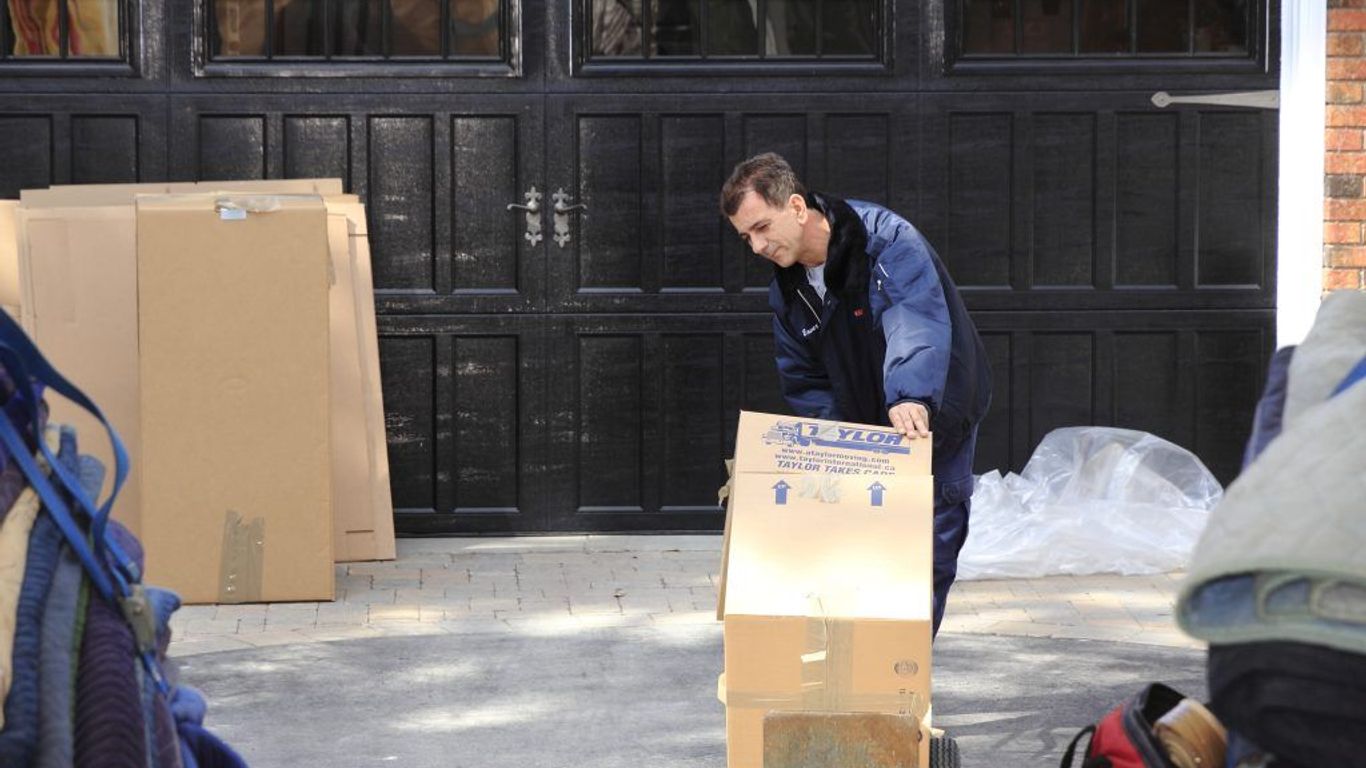
Moving across the country, especially from Canada to the US, can feel like a huge undertaking. But these days, there are some pretty neat tools that can make the whole process feel a lot less overwhelming. Think of it as having a digital assistant for your move.
Utilizing Floor Planning Tools For Efficient Packing
Before you even start packing, figuring out where everything will go in your new place is a big step. This is where floor planning tools come in handy. You can map out your new home and decide exactly where each piece of furniture and box should go. This is super helpful if you’re downsizing or just want to make sure you’re not paying to move things you won’t have space for. It helps you pack smarter, too, by knowing what you’ll need access to first.
AI Route Optimization For Timely Arrivals
When it comes to the actual transportation part of your long-distance move, timing is everything. Moving companies are using AI route optimization software to plan the most efficient paths for their trucks. This means they can avoid major traffic jams and get your belongings to your new Canadian home on schedule. It’s not just about speed; it’s about reliability and reducing the chances of unexpected delays that can really throw a wrench in your moving plans. Over 70% of moving companies are now using tools like these to improve their service [d0d2].
Protecting Your Information With Robust Cybersecurity
Moving involves sharing a lot of personal information, from your address to contact details and payment information. It’s important that this data is kept safe. Reputable moving companies use strong cybersecurity measures to protect your sensitive details. This means your information is encrypted and stored securely, giving you peace of mind throughout the entire moving process. You can also take steps yourself, like creating a virtual moving binder for important documents [472f].
- Digital Inventory: Keep a digital list of all your packed items, perhaps with photos, for your records.
- Secure Document Storage: Use cloud storage or encrypted drives for important moving-related paperwork.
- Communication Apps: Utilize apps that allow for clear communication with your moving company, keeping a record of all discussions.
- Virtual Surveys: Many companies now offer virtual surveys to assess your moving needs, reducing the need for in-person visits and potential data sharing.
Using technology wisely can transform a stressful long-distance move into a much more manageable experience. From planning the layout of your new home to ensuring your data is secure, these digital aids are designed to simplify the complexities of relocating.
Using the latest tools can make moving much easier. Think about how apps can help you keep track of your belongings or how online services can help you find the best moving companies. These smart solutions can save you time and stress. Ready to see how technology can help your next move? Visit our website to learn more and get a free quote!
So, How Does Long Distance Moving Actually Work?
Alright, so we’ve walked through a lot of stuff about moving your life across the country. It’s definitely more than just throwing boxes in a truck, right? It’s about making sure your stuff gets there safe, on time, and without a ton of extra headaches. From figuring out quotes to packing up those last few items, there’s a whole process. Remember, good planning makes a huge difference. Whether you’re heading across Canada or even into the States, taking the time to pick the right movers and understand the steps involved really pays off. It might seem like a big task, but with the right approach, you can get your new chapter started without too much stress.
Frequently Asked Questions
What makes a move a ‘long-distance’ move in Canada?
Generally, a move is considered long-distance if it crosses provincial borders or covers a significant distance within the same province, often over 100 kilometers. It’s more than just moving across town; it involves a different level of planning and logistics.
How do moving companies figure out the cost for a long-distance move in Canada?
The price is usually based on how much stuff you have (weight or volume) and how far it’s going. Things like special packing needs, extra services, and the time of year can also change the total cost. It’s not just a flat fee.
Why do moving quotes from different companies vary so much?
Companies have different ways of calculating costs and offer different levels of service. Some might include more in their basic price, while others charge extra for things like packing or insurance. It’s important to compare what’s included, not just the final number.
What’s typically included in a long-distance moving quote?
A good quote should cover the transportation of your belongings, basic packing supplies for fragile items, and the labor to load and unload. However, always check for details on things like unpacking, storage, or special item handling, as these might cost extra.
How far in advance should I book movers for a long-distance move?
It’s best to book your movers at least 4 to 8 weeks before your moving date, especially if you’re moving during a busy season like summer or the end of the month. This gives you more options and helps ensure you get the date you want.
What’s the difference between a cheap moving quote and the best value?
The cheapest quote might seem appealing, but it could lead to hidden fees, damaged items, or a disorganized move. The best value comes from a reputable company that offers fair pricing for reliable service, good communication, and protection for your belongings, even if it’s not the absolute lowest price.
Leave a Comment