How Does Long Distance Moving Work? A Comprehensive Guide
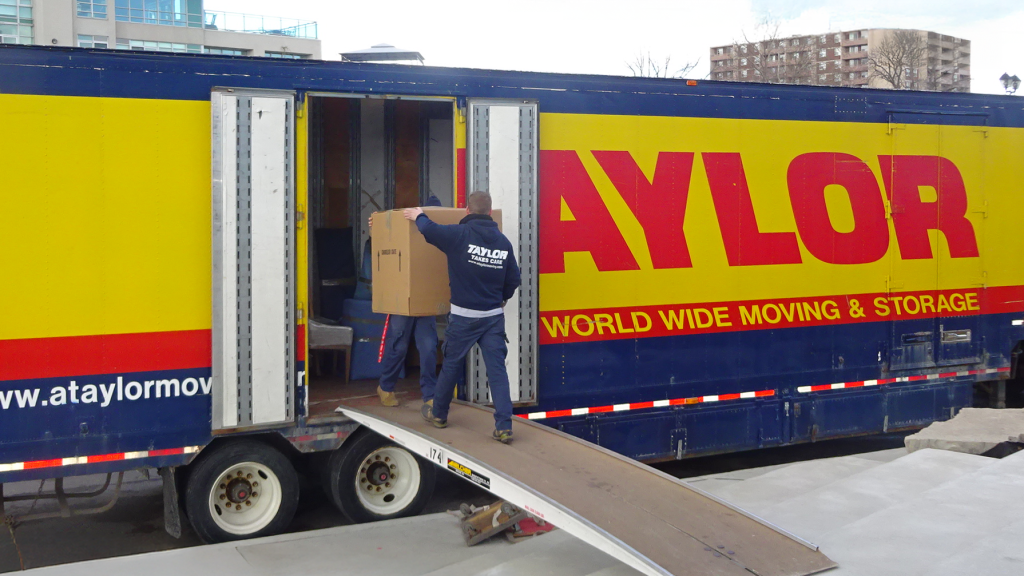
Moving across the country or even just a few provinces over can feel like a huge undertaking. You might be wondering, how does long distance moving work? It’s more than just packing boxes and loading a truck; it’s a whole process that needs careful planning and execution. This guide breaks down what you need to know to make your long-distance move go as smoothly as possible, from understanding the costs to choosing the right movers.
Key Takeaways
- Long-distance moving in Canada involves planning, careful packing, and reliable transportation, differing significantly from local moves due to distance and logistics.
- Booking movers well in advance, typically at least three weeks, is recommended to secure your preferred dates and allow for proper planning.
- Moving costs are usually based on the weight of your shipment and the distance traveled, not just the time it takes.
- Professional movers handle everything from providing an estimate and packing to loading, transporting, and delivering your belongings, with post-move support available.
- When selecting a moving company, consider their reputation, services offered, and value, not just the cheapest price, to ensure a positive experience.
Understanding Long Distance Moving
What Constitutes a Long Distance Move?
So, you’re thinking about moving across the country, maybe from Vancouver to Halifax, or perhaps even further afield. When does a move officially become a ‘long distance’ one? Generally, it’s when you’re crossing provincial lines or covering a significant distance, often considered 400 kilometers or more. This isn’t just about distance, though; it’s about the complexity involved. Unlike a quick local hop across town, these moves require a different level of planning and execution. It means your belongings are traveling a long way, and that journey needs careful management.
The Strategic Approach to Long Distance Moving
Long-distance moving is more than just loading up a truck and driving. It’s a whole process that involves several key parts working together. Think of it like planning a big trip: you need to figure out the route, pack smart, and make sure everything arrives safely at the destination. For movers, this means:
- Detailed Planning: Mapping out the entire timeline from packing to delivery.
- Secure Packing: Using the right materials to protect your items on a long haul.
- Clear Communication: Keeping you informed every step of the way.
- Efficient Logistics: Coordinating the truck, route, and delivery schedule.
It’s about making sure everything goes smoothly, even when you’re hundreds or thousands of kilometers away from your old home. This strategic approach helps prevent those annoying hiccups that can happen with bigger moves.
Key Differences from Local Moves
Moving across town is one thing, but moving across Canada is another beast entirely. Local moves are usually pretty straightforward. You can often get a quick estimate, pack up, and be in your new place within a day or two. The logistics are simpler, and if something goes wrong, it’s usually easier to fix.
Long-distance moves, however, demand more attention to detail.
- Time: They take longer, both in terms of preparation and the actual transit time.
- Cost: They are typically more expensive due to the distance and resources involved. Moving companies calculate costs based on factors like weight and mileage, which are significantly higher for long hauls.
- Coordination: You need a mover who can handle the complexities of long-distance transport, including potential overnight stops and more involved scheduling. The level of coordination required is just much higher.
Essentially, while local moves are about efficiency, long-distance moves are about careful, deliberate planning and execution over a much larger scale.
Planning Your Long Distance Relocation
Moving across the country, especially to or from Canada, isn’t something you can just wing. It takes some serious thought and organization way before the moving trucks even show up. Think of it like planning a big trip, but with way more stuff and a lot more paperwork.
When to Book Your Long Distance Movers
So, when’s the magic time to actually book movers for a big move between Canada and the US? It’s not really a “last minute” kind of deal. Most moving companies, especially those handling cross-border moves, need a good amount of notice. We’re talking at least three weeks, but honestly, the further out you can book, the better. This gives everyone involved – you, the movers, and potentially customs brokers – enough breathing room to get everything sorted. Booking early also means you’re more likely to get the exact dates you want, which can be a big deal if you have specific deadlines for leaving your old place or starting a new job. Plus, it often means you can snag a better price.
Essential Documentation for Your Move
This is where cross-border moves get a bit more complicated than just moving within Canada. You’ll need to have your ducks in a row, document-wise. For a Canada-US move, this typically includes things like a detailed inventory of everything you’re bringing, proof of ownership for certain items, and potentially customs forms. If you’re moving to Canada from the US, you’ll also need to be aware of any import regulations or duties that might apply to your household goods. It’s a good idea to get a clear list from your moving company about exactly what documents they need from you and what they will handle themselves. Missing paperwork can cause major headaches and delays at the border.
Creating a Comprehensive Moving Plan
Beyond just booking movers and gathering documents, a solid plan is your best friend. This means mapping out a timeline for packing, coordinating with your moving company, and figuring out logistics like disconnecting utilities and setting them up at your new place. It’s also smart to think about what you’ll need immediately upon arrival – things like toiletries, a change of clothes, and important documents should travel with you, not on the moving truck. A good plan helps reduce those “oh no, I forgot!” moments. You can find helpful checklists online that break down tasks by week or month, which can make the whole process feel a lot more manageable. This comprehensive checklist can be a great starting point for organizing your relocation.
Planning a long-distance move, especially across the Canadian border, requires attention to detail. It’s about more than just packing boxes; it’s about coordinating schedules, understanding regulations, and preparing for the logistics of transporting your belongings over a significant distance.
Here’s a quick rundown of what goes into a good plan:
- Timeline Creation: Start with your move-out date and work backward. Assign deadlines for packing specific rooms, booking services, and confirming details with your movers.
- Inventory Management: Keep a detailed list of all items being moved. This is helpful for insurance purposes and for customs if you’re moving internationally.
- Logistics Coordination: Arrange for utility shut-offs and set-ups, change your address with relevant services, and plan for transportation if you’re not driving your own vehicle.
- Contingency Planning: What happens if there’s a delay? What if something gets damaged? Having a basic backup plan can save a lot of stress.
Calculating Long Distance Moving Costs
Figuring out the cost of a long-distance move can feel like a puzzle, especially when you’re moving between provinces or even across the Canada-US border. It’s not as simple as just picking a number out of a hat. Several things play a role, and understanding them can help you get a clearer picture of what to expect. The final price is a mix of distance, weight, services, and timing.
Factors Influencing Your Moving Estimate
When you get a quote for moving your household goods from one Canadian province to another, or even from Canada to the US, the moving company looks at a few key details. The sheer volume of your belongings is a big one – how many rooms are you moving? Are we talking about a small apartment or a large family home? The more stuff you have, the more it’s going to cost to move it. Then there’s the distance. Moving from Toronto to Vancouver is obviously going to cost more than moving from Toronto to Ottawa. It’s just basic math, really.
Here are some of the main things that affect the price:
- Weight of your shipment: Heavier loads mean more fuel and more effort.
- Distance of the move: The further the truck has to travel, the higher the fuel and labor costs.
- Volume of your belongings: More items mean more space needed on the truck and more packing materials.
- Time of year: Moving during peak season (summer and early fall) can sometimes be more expensive than during off-peak times.
- Services required: Do you need packing help? Special crating for fragile items? Storage? These extras add to the total cost.
- Accessibility at both locations: If the moving truck can’t get close to your home, or if there are many stairs, it can take more time and effort, which impacts the price.
It’s important to remember that the cheapest quote isn’t always the best deal. Sometimes, a lower price might mean fewer services, less experienced movers, or hidden fees that pop up later. Always ask for a detailed breakdown of what’s included.
Understanding Weight-Based vs. Hourly Costs
For local moves within Canada, companies often charge by the hour. You’ll have a team of movers show up, and they work until the job is done, with the clock ticking. However, when you’re moving long distances, especially across provinces or internationally, the pricing model usually shifts. It becomes less about how long the movers are physically working at your old and new places and more about the overall logistics of transporting your belongings over a significant distance.
For these longer hauls, the cost is typically calculated based on the weight of your shipment and the mileage involved. This makes sense because the fuel, wear and tear on the truck, and the time spent on the road are directly related to how much weight is being moved and how far it’s going. Think of it like sending a package – a heavier package going further costs more to ship. This weight-based system helps moving companies manage fuel costs and plan their routes more effectively for cross-country or cross-border journeys.
What Is Included in Your Moving Quote?
When you receive a quote for your long-distance move, it’s vital to know exactly what you’re paying for. A good quote should be transparent and detailed. Generally, a standard long-distance moving quote will cover the transportation of your household goods from your old home to your new one. This includes the use of the moving truck, fuel, and the labor involved in loading and unloading your items at the origin and destination points.
However, there are often additional services you might need that aren’t automatically included. These can range from professional packing and unpacking services to specialized crating for delicate items, temporary storage if there’s a gap between moving out and moving in, and even vehicle transportation. Always ask for a clear list of what’s covered and what’s considered an extra charge. For example, if you’re moving from Canada to the US, customs brokerage fees might be separate from the main moving quote. Understanding these details upfront can prevent surprises down the road and help you budget more accurately for your relocation.
The Long Distance Moving Process
So, you’ve decided to move across the country, maybe from Vancouver to Halifax, or perhaps even further afield. It’s a big undertaking, and understanding the actual process can make it feel a lot less overwhelming. It’s not just about packing boxes and loading a truck; there’s a whole sequence of events that needs to happen smoothly.
From Estimate to Pickup Day
This is where the real planning kicks in. After you get your estimate, which is usually based on the weight of your belongings and the distance, the next step is booking your moving date. It’s a good idea to book your movers well in advance, especially during peak seasons. Think at least three to four months ahead if you can. Once booked, you’ll work with your moving company to finalize details. This includes confirming the inventory of your items, discussing packing services if you’ve opted for them, and setting a specific pickup window. The days leading up to pickup are for final packing, organizing, and preparing your home. Your moving coordinator will be your main point of contact, keeping you updated on the schedule.
During Transit and Delivery
Once the movers have loaded your belongings, they begin the journey to your new Canadian home. For long-distance moves within Canada, the truck will likely travel directly to your destination, though sometimes items might be consolidated with other shipments. You’ll typically receive an estimated delivery window, and the moving company should keep you informed about the truck’s progress. On delivery day, the crew will unload your items. It’s important to be present to supervise the unloading, check for any obvious damage, and sign the delivery receipt. This is also when you’ll settle any remaining balance, as per your agreement.
Post-Move Follow-Up and Support
After everything is unloaded and you’ve had a chance to start unpacking, the process isn’t quite over. Most reputable moving companies will follow up with you a few days or weeks later to ensure you’re satisfied with the service. This is also the time to address any issues or concerns that may have arisen, such as reporting any damage that wasn’t immediately apparent. Filing a claim, if necessary, should be done promptly according to the mover’s policy. Good communication during this phase helps close out the move on a positive note and provides valuable feedback for the company.
The entire long-distance moving process, from the initial estimate to the final follow-up, is a coordinated effort. It relies heavily on clear communication, detailed planning, and the professionalism of the moving crew. Understanding each stage helps manage expectations and ensures a more predictable experience.
Here’s a general timeline to give you an idea:
- 3-4 Months Before: Research and book movers, get estimates.
- 1-2 Months Before: Declutter, gather packing supplies, confirm details with movers.
- 1-2 Weeks Before: Pack non-essential items, arrange for utility transfers.
- Moving Day: Supervise loading, final walkthrough of old home.
- During Transit: Stay in touch with your moving coordinator.
- Delivery Day: Supervise unloading, inspect items, sign paperwork.
- Post-Delivery: Follow up with the moving company, unpack, settle in.
Choosing the Right Moving Company
Finding the right moving company for a long-distance move, especially one crossing the Canada-US border, can feel like a big task. It’s not just about finding someone to haul your stuff; it’s about trusting them with your belongings and your timeline. You want a company that understands the complexities of moving across provinces or states, not just across town.
Evaluating Moving Company Services
When you start looking, you’ll see a lot of companies advertising. It’s important to look past the flashy websites and see what they actually offer. Think about what you need. Are you packing yourself, or do you need full packing services? Do you have any special items like pianos or artwork that need careful handling? Some companies offer custom crating for valuable items, which can be a lifesaver. Also, consider their experience with cross-border moves specifically. This isn’t the same as a local move; there are customs forms and different regulations to consider. A company that specializes in Canada-US moves will know these details.
- Packing and Unpacking: Do they offer full packing, partial packing, or just loading and unloading?
- Specialty Items: Can they handle things like large appliances, fragile artwork, or vehicles?
- Storage: Do they have secure storage options if you need to bridge a gap between moving out and moving in?
- Cross-Border Expertise: Do they have a solid understanding of customs procedures for Canada-US moves?
Beyond the Cheapest Quote: Finding Value
It’s tempting to go with the lowest price you find, but that’s often a mistake. The cheapest quote might not include everything, and you could end up paying more later for hidden fees or poor service. True value comes from a company that offers reliable service, clear communication, and a good track record. Look for companies that provide detailed quotes and explain what’s included. A company that offers a “not-to-exceed” estimate, like Allied Van Lines, can give you price certainty while still allowing for potential savings if the move is quicker than expected. It’s about finding a balance between cost and quality. Remember, a move gone wrong can cost you more in time, stress, and damaged goods than you ever saved on the initial quote.
What to Expect from Professional Movers
Once you’ve picked a company, what should the actual experience be like? You can expect a professional moving crew that arrives on time, or at least communicates if there are delays. They should handle your belongings with care, using proper packing materials and techniques. Communication is key throughout the process, from the initial estimate to the final delivery. A good moving company will keep you informed about the status of your shipment, especially during a long-distance or cross-border move where transit times can vary. They should also have a clear process for addressing any issues that might arise. Don’t hesitate to ask questions at any stage; a reputable company will be happy to provide answers.
When choosing a mover, prioritize clear communication and a detailed plan. A company that takes the time to explain the process, potential challenges, and what’s included in their quote is usually a sign of professionalism. This upfront clarity helps manage expectations and reduces surprises down the road, making the entire relocation smoother.
Navigating Cross-Border Moves
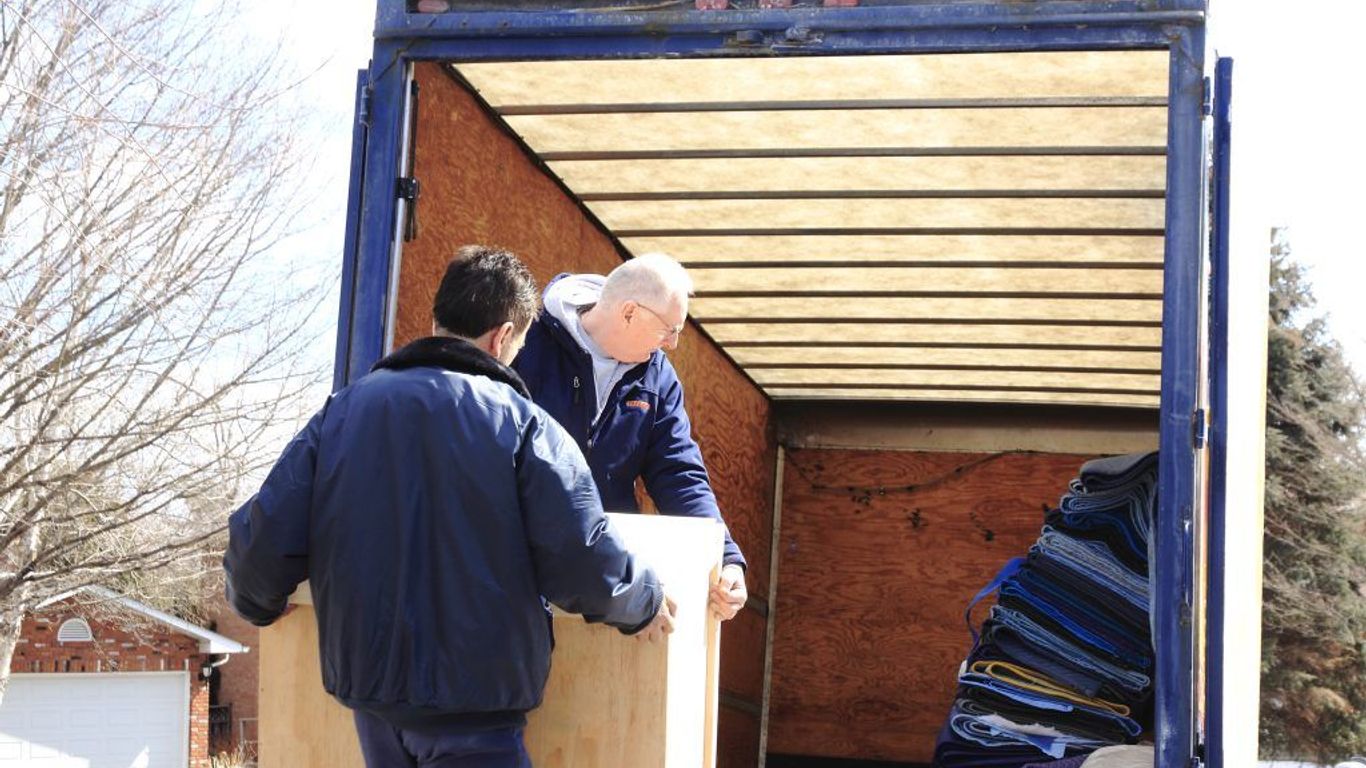
Moving your household from the United States to Canada, or vice versa, is a bit more involved than a typical long-distance move within the country. It’s not just about covering more miles; it’s about crossing an international border, which brings a whole new set of rules and paperwork. Understanding these requirements upfront can save you a lot of headaches and unexpected costs.
Customs and Documentation for Canada-US Moves
When you move between the US and Canada, you’ll need to deal with customs. This means having the right documents ready for both countries. For individuals moving their personal belongings, you’ll generally need proof of ownership for your items and a detailed inventory list. This list should include everything you’re bringing, with estimated values. It helps customs officials understand what’s coming across the border and ensures you’re not trying to bring in anything restricted.
Here’s a basic rundown of what you might need:
- Proof of Citizenship or Residency: This could be your passport, birth certificate, or other government-issued ID. If you’re moving to Canada, you’ll need the appropriate visa or work permit.
- Bill of Sale or Proof of Ownership: For items you’ve purchased recently, a bill of sale can be helpful. For older items, your detailed inventory list usually suffices.
- Detailed Inventory List: This is super important. It should list each item, its condition, and its approximate value. Some movers provide specific forms for this.
- Customs Declaration Forms: You’ll need to fill out specific forms for both US and Canadian customs. Your moving company can usually guide you on which ones are needed.
It’s a good idea to get familiar with what you can and cannot bring across the border. Things like firearms, certain food products, and even some household plants can have restrictions. Your moving company should be able to provide a list of commonly restricted items, or you can check the official government websites for both countries. Preparing this documentation properly is key to a smooth cross-border shipping experience.
Logistics of Moving Household Goods Internationally
Beyond the paperwork, the actual logistics of moving goods across the border involve specific considerations. Moving companies that handle Canada-US moves are experienced with these nuances. They understand the routes, the potential delays at border crossings, and how to properly pack and secure your belongings for a longer journey.
- Vehicle Shipping: If you’re shipping a vehicle, there are specific import/export regulations and potential duties or taxes to consider.
- Valuable Items: For high-value items like artwork or antiques, you might need additional documentation or appraisals.
- Timing: Border crossings can sometimes experience delays due to traffic, weather, or increased security. Experienced movers factor these possibilities into their timelines.
The process of moving household goods internationally requires a different mindset than domestic moves. It’s about coordinating multiple stages, understanding regulations, and ensuring clear communication between all parties involved. Think of it as a complex puzzle where each piece, from packing to customs clearance, needs to fit perfectly.
Timeline for Cross-Border Relocations
Cross-border moves generally take longer than standard long-distance moves. While a domestic long-distance move might take a week or two from pickup to delivery, a US-Canada move can often take longer, sometimes up to three weeks or more, depending on the distance and border crossing efficiency. This extended timeline is due to the added steps of customs processing and the longer transit distances. Booking your movers well in advance, ideally 6-8 weeks before your desired move date, is highly recommended to allow ample time for planning and to secure your preferred moving dates. This lead time helps manage expectations and ensures all necessary preparations can be made without rushing. For anyone planning a move between these two countries, having a clear understanding of the necessary permits and documentation is a great starting point.
Moving to another country can seem like a big challenge, but it doesn’t have to be! We help make your move across borders smooth and easy. Thinking about an international move? Let us handle the details so you can focus on your new adventure. Visit our website today to learn more and get a free quote!
So, How Does Long Distance Moving Actually Work?
Alright, so we’ve gone over a lot of ground here, haven’t we? Moving across the country, or even just across a few provinces, is a pretty big deal. It’s not just about stuffing your life into boxes and hoping for the best. It really comes down to good planning, making sure your stuff is protected, and keeping the lines of communication open with your movers. Whether you’re moving within Canada or even heading down to the States, understanding the process, getting clear quotes, and picking the right company makes all the difference. It can seem overwhelming, but with the right approach, your long-distance move can go from a headache to a manageable, even smooth, transition. Just remember to book ahead, ask questions, and trust the professionals to get you to your new home safely.
Frequently Asked Questions
How much does it cost to move long distance in Canada?
The cost of a long-distance move in Canada depends on a few things. The main factors are how far you’re moving and how much stuff you have. Movers usually figure out the price based on the weight of your belongings and the distance the truck will travel. Sometimes, they might also consider the time it takes. It’s good to get a few quotes to compare prices.
Why do long-distance moving estimates differ so much?
Moving quotes can vary a lot because each moving company has its own way of calculating prices. Some might charge more for extra services like packing or special handling. The type of truck used, the time of year, and even how busy they are can also affect the price. Always ask for a detailed breakdown of what’s included in the quote.
What’s usually included in a long-distance moving quote?
A good long-distance moving quote should cover the basic moving services, like loading your items, transporting them to your new home, and unloading them. It should also mention any extra fees for things like packing supplies, insurance, or storage if you need it. Make sure to clarify what’s in the quote before you agree to anything.
How far in advance should I book movers for a long-distance move?
It’s best to book your long-distance movers at least three weeks before your moving date. However, booking even earlier, like a month or two ahead, is even better, especially if you’re moving during a busy season. This gives the movers enough time to plan everything and ensures you get the date you want.
What’s the difference between weight-based and hourly moving costs?
For local moves, movers often charge by the hour, meaning you pay for the time it takes to pack, load, move, and unload. For long-distance moves, it’s more common to charge based on the weight of your belongings and the distance. Weight-based pricing is generally fairer for longer moves because the distance is a bigger factor than just the time spent driving.
What should I expect from the long-distance moving process?
The process usually starts with getting an estimate from the moving company. Once you book, they’ll schedule a pickup day. On moving day, they’ll load your belongings carefully. During transit, they’ll transport your items to your new home. After delivery, they’ll help unload, and you’ll do a final check to make sure everything arrived safely.
Leave a Comment