How Long Do Long Distance Movers Take? A Comprehensive Guide

Planning a move across the country can feel like a big puzzle, and one of the biggest pieces is figuring out the timeline. You’re probably wondering, how long do long distance movers take? It’s not a simple answer, as a lot goes into it. From the moment you book your movers to when your last box arrives, there are many steps involved. We’ll break down what affects the duration of your move and what you can expect.
Key Takeaways
- The time it takes for long-distance movers to complete a move varies greatly depending on factors like distance, the amount of stuff you have, and the time of year.
- Typical moves within Canada can take anywhere from a few days to a couple of weeks, but this is just for the transit time.
- Packing and loading your belongings can add several days to the overall moving process before the truck even hits the road.
- Cross-border moves from Canada to the US add extra time due to customs procedures and border crossing requirements, often extending the transit duration.
- Booking your movers well in advance, ideally at least three weeks, helps ensure a smoother process and allows for better planning, which can indirectly impact the overall time.
Understanding Long Distance Moving Timelines
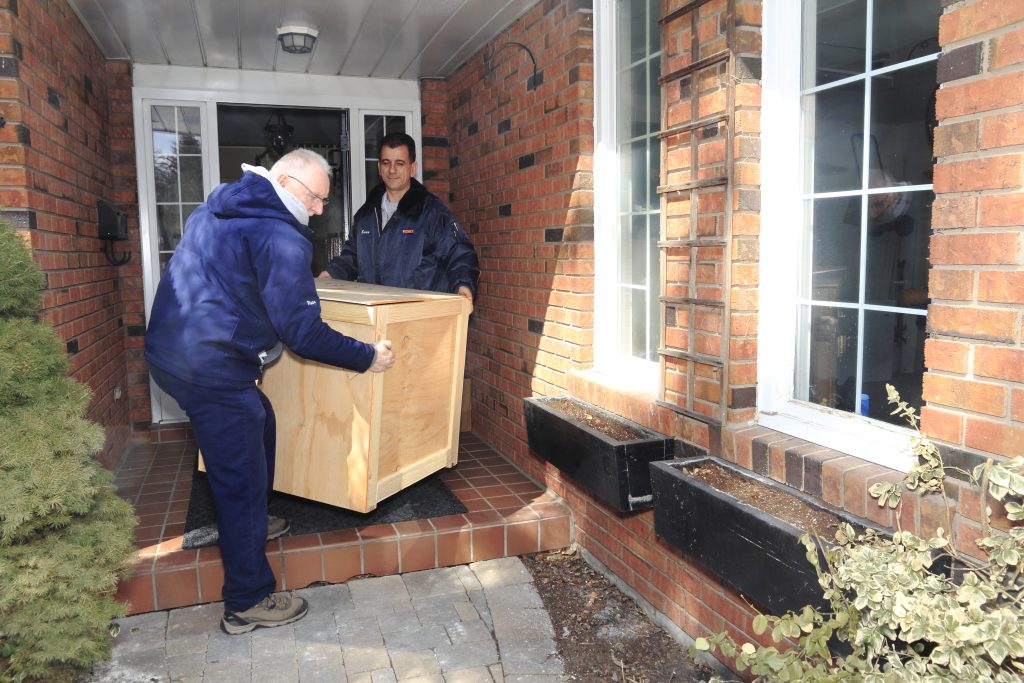
Moving across Canada can feel like a big undertaking, and figuring out how long it will all take is a common question. It’s not just about the day the movers show up; there’s a whole process involved. Understanding these timelines helps you plan better and reduces a lot of the stress that comes with relocating.
Factors Influencing Your Move Duration
Several things play a role in how long your long-distance move will take. It’s not a one-size-fits-all situation. Think about:
- Distance: Obviously, moving from Vancouver to Halifax takes longer than moving from Toronto to Montreal. The miles really do matter.
- Volume of Goods: The more stuff you have, the longer it takes to pack, load, and unload. A small apartment move is different from a large family home.
- Services Needed: Are you just getting transport, or do you need full packing and unpacking services? These extras add time.
- Time of Year: Moving during peak season (like summer or the end of the month) can mean busier schedules for movers and potentially longer wait times.
- Route and Logistics: Sometimes, the most direct route isn’t the fastest due to road conditions, traffic, or the mover’s existing routes. Cross-country moving typically takes 2-7 days for delivery, but this can vary.
Typical Timeframes for Canadian Long Distance Moves
While every move is unique, here are some general ideas for how long things might take within Canada:
| Type of Move | Estimated Transit Time | Notes |
|---|---|---|
| Provincial (within province) | 1-3 days | Shorter distances, often more direct routes. |
| Interprovincial (across provinces) | 3-10 days | Longer distances, may involve multiple stops or transfers. |
| Major City to Major City | 5-14 days | Can be faster if direct routes are common, but volume can increase time. |
Remember, these are just transit times. The packing, loading, and unloading phases add to the total duration.
It’s important to remember that moving companies often operate on scheduled routes. This means they might not be able to pick up your belongings on your exact preferred day, and delivery might be within a window of several days rather than a specific hour. Planning around these windows is key.
The Role of Distance in Transit Time
Distance is a pretty straightforward factor. The further you’re moving, the longer the truck will be on the road. This isn’t just about the miles, though. It also involves:
- Driver Hours: There are regulations on how long drivers can operate a vehicle safely.
- Fuel Stops and Rest: Longer trips require more stops for fuel, driver rest, and vehicle checks.
- Route Efficiency: A mover might choose a slightly longer route if it avoids major traffic congestion or offers better road conditions, especially during certain seasons.
Atlas Van Lines offers customized long-distance moving services that take these factors into account to provide a more accurate timeline for your specific situation.
Key Elements Affecting How Long Do Long Distance Movers Take
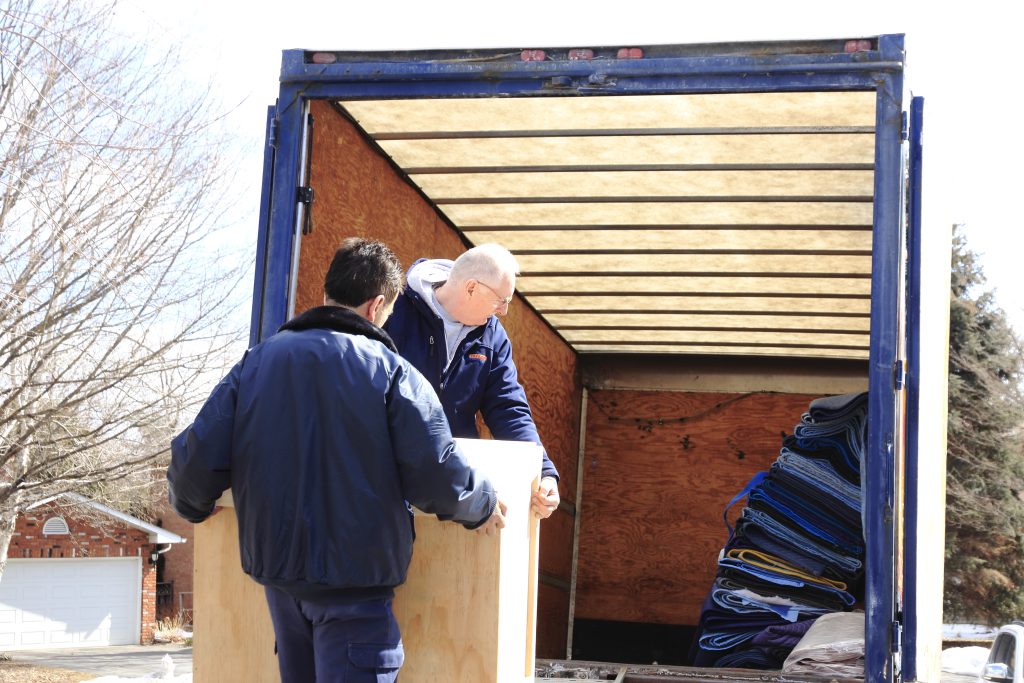
When you’re planning a move across the country, it’s natural to wonder just how long the whole process will take. It’s not just about the driving time, though. Several things can really change the timeline. Understanding these factors can help you set realistic expectations and plan your life around the move.
Distance and Route Complexity
This one seems pretty obvious, right? The farther you’re moving, the longer it’s going to take. But it’s not just about the miles on the odometer. The actual route matters a lot. Are there major highways all the way, or will the truck have to navigate smaller, slower roads? Sometimes, a slightly longer route using major highways is actually faster than a shorter one with more traffic lights and lower speed limits. Think about moving from Vancouver to Halifax versus Vancouver to Calgary. The latter is significantly shorter and usually quicker. The complexity of the route, including potential road construction or seasonal closures in certain Canadian provinces, can add unexpected hours or even days to your transit time.
Volume and Weight of Your Belongings
How much stuff are you actually moving? A small apartment’s worth of boxes will take a lot less time to load and unload than a whole house full of furniture. Movers often estimate based on the volume and weight of your items. If you have a lot of heavy furniture or many boxes, it simply takes more time for the crew to carefully load everything onto the truck and then unload it at your new home. This is why getting an accurate inventory is so important when you get your quote. It directly impacts how long the physical moving process will take.
Time of Year and Seasonality
Believe it or not, the season can play a big role in how long your move takes. Summer is peak moving season, and while that might mean more availability for movers, it also means more traffic on the roads, especially around major Canadian cities. Winter moves, particularly in provinces with harsh weather like Manitoba or Quebec, can bring significant delays due to snowstorms and icy conditions. Moving during the holidays can also be tricky, as crews might have limited availability. Planning your move outside of these peak times can sometimes lead to a smoother, faster process.
It’s important to remember that moving companies often operate on a schedule that balances multiple clients. While you might want your items to arrive tomorrow, they need to coordinate pickups and deliveries efficiently across their network. This logistical dance is a major reason why transit times can vary, even for similar distances.
Here’s a general idea of what to expect for transit times within Canada:
| Distance Category | Typical Transit Time |
|---|---|
| Local (within province) | 1-2 days |
| Short-distance (e.g., Toronto to Montreal) | 2-4 days |
| Medium-distance (e.g., Calgary to Vancouver) | 3-7 days |
| Long-distance (e.g., Halifax to Edmonton) | 7-14 days |
| Cross-Canada (e.g., St. John’s to Victoria) | 14-21+ days |
Keep in mind these are estimates. Factors like the specific route, the mover’s schedule, and any unforeseen issues can affect these timelines. For more details on what influences moving costs, you might find information on how long-distance moving costs are calculated in Canada helpful.
Planning Your Long Distance Move Timeline
When you’re planning a move across Canada, getting the timing right is pretty important. It’s not just about picking a date and hoping for the best. A well-thought-out schedule helps everything go smoother, from packing up your old place to settling into your new one. Starting your planning early is the biggest key to a successful long-distance move.
Advance Booking Recommendations
Booking your movers well in advance is a smart move, especially if you’re relocating during peak seasons like summer or the end of the year. Waiting too long can mean limited availability and potentially higher prices. Generally, aiming to book your long-distance movers at least 8 to 12 weeks before your desired moving date is a good idea. This gives you plenty of time to get quotes, compare companies, and secure the date that works best for you. For moves during busy periods, consider extending that window even further.
- 8-12 weeks out: Research moving companies, get quotes, and book your preferred mover.
- 4-6 weeks out: Confirm your booking, start decluttering, and gather packing supplies.
- 2-3 weeks out: Begin packing non-essential items, arrange for utility transfers, and notify relevant parties of your address change.
- 1 week out: Pack essentials box, confirm details with your movers, and finalize any last-minute arrangements.
The Importance of a Moving Schedule
A detailed moving schedule acts like a roadmap for your relocation. It breaks down the entire process into manageable steps, making it less overwhelming. This schedule should include everything from when to start packing specific rooms to when to confirm utility shut-off and set-up dates. Having a clear plan helps you stay on track and reduces the chances of forgetting important tasks. It’s also a great way to coordinate with family members or anyone helping you with the move. Think of it as your personal moving command center.
A well-structured schedule isn’t just about ticking boxes; it’s about reducing stress and ensuring that critical tasks aren’t overlooked. It provides a sense of control during what can often feel like a chaotic time.
Communication During Transit
Once your belongings are on the truck, communication with your moving company becomes even more important. You’ll want to know the estimated arrival time and have a point of contact in case of any issues. Most reputable movers will provide you with updates, especially for longer journeys. Don’t hesitate to ask about their communication protocols and how they handle tracking your shipment. Knowing what to expect and having a clear line of communication can significantly ease your mind while your possessions are in transit across the country. This is especially true when you’re planning a long-distance move and want to stay informed.
Beyond Transit: Additional Time Considerations
So, you’ve got your moving dates set, and the truck is booked. That’s great! But the time it takes for your stuff to actually get from Point A to Point B is only part of the picture when it comes to long-distance moves in Canada. There are other bits and pieces that add to the overall timeline, and it’s good to know about them.
Packing and Loading Duration
Before the truck even hits the road, there’s the packing and loading process. This isn’t usually a same-day affair for a big move. Professional movers will often spend a full day, sometimes more, carefully packing your belongings, especially if you’ve opted for full-service packing. They’ve got to wrap furniture, box up dishes, and make sure everything is secure for the journey. Then comes the loading itself. Imagine getting a whole household onto a truck – it takes time, skill, and a good bit of muscle. The more stuff you have, and the more complex it is to pack, the longer this phase will take. For a large home, expect at least a day, possibly two, dedicated just to getting everything packed and loaded properly.
Unloading and Unpacking Services
Once the truck arrives at your new Canadian home, the clock doesn’t stop. The unloading process is the reverse of loading, and it requires the same level of care. Movers will bring your items into your new space, placing them in the rooms you designate. If you’ve hired unpacking services, they’ll get to work opening boxes and setting up basic items. This can take anywhere from a few hours to a couple of days, depending on the volume of your belongings and the extent of the unpacking services you’ve requested. It’s not just about getting things off the truck; it’s about getting them into your new life.
Potential Delays and Contingency Planning
Even with the best planning, things can go sideways. Weather is a big one, especially during Canadian winters. A blizzard can halt a moving truck for days. Road construction, unexpected vehicle issues, or even traffic jams can add hours to transit times. It’s wise to build some buffer time into your schedule. Think about what you’ll do if your belongings are delayed by a day or two. Having a small bag with essentials packed separately can be a lifesaver. While movers aim for efficiency, understanding the factors influencing your move duration helps set realistic expectations and prepare for the unexpected.
Cross-Border Moving Timelines
Moving between Canada and the United States involves a bit more than just a longer drive. It’s a whole different ballgame with its own set of rules and timelines. You’re not just moving your stuff; you’re navigating international regulations. This means things can take longer than you might initially expect, and it’s all about being prepared.
Customs and Border Crossing Procedures
When you move from Canada to the US, or vice versa, your belongings have to go through customs. This isn’t like crossing the border for a vacation. Movers have to fill out specific paperwork for the goods being transported. This includes detailed lists of everything in your shipment, often down to the box level. The border agents will review these documents, and sometimes they might even inspect the truck. This process can add anywhere from a few hours to a full day, depending on the border crossing’s volume and the thoroughness of the inspection. It’s a good idea to have all your documentation organized and readily available to make this part as smooth as possible.
International Transit Durations
Once your shipment clears customs, the actual transit time can vary quite a bit. It’s not just about the miles between your old Canadian home and your new US address. Factors like the specific route, potential traffic delays, and the mover’s schedule all play a role. For example, a move from Windsor, Ontario, to Detroit, Michigan, will be much quicker than a move from Vancouver, British Columbia, to Miami, Florida. While a local move might take a day or two, cross-border moves can easily stretch into several days or even a week or more for longer distances. It’s important to remember that international relocations are considerably longer, potentially spanning weeks or months due to complex transportation logistics.
Documentation Requirements
This is where many people run into unexpected delays. You’ll need a variety of documents for a cross-border move. This typically includes proof of identity (like passports or enhanced driver’s licenses), proof of citizenship or residency status in your destination country, and detailed inventory lists for your household goods. If you’re moving with specific items, like vehicles or pets, there might be additional forms and certifications required. Missing or incorrect paperwork is one of the most common reasons for delays at the border. It’s best to work closely with your moving company, as they usually have a good handle on what’s needed, but ultimately, the responsibility for providing accurate documentation falls on you. Having a clear checklist of required documents can save a lot of headaches.
Moving across the Canada-US border isn’t just a longer version of a domestic move. It requires careful attention to customs regulations, specific documentation, and a realistic understanding of transit times. Planning ahead and working with movers experienced in cross-border logistics is key to a successful relocation.
Planning a move across the border? It’s important to know how long things might take. Understanding the timeline can help you pack and prepare without the stress. We can help make your international move smooth and easy. Visit our website today to learn more about planning your cross-border relocation!
Wrapping Up Your Long-Distance Move
So, how long does it really take to move across the country? As we’ve seen, there’s no single answer. It depends on a lot of things, like how far you’re going, what time of year it is, and how the moving company schedules their routes. It’s not just about the truck driving from point A to point B; it’s about the planning, the packing, and making sure everything arrives safe and sound. The best thing you can do is talk to your moving company, get a clear timeline, and understand what factors might speed things up or slow them down. Good communication is key to making sure your long-distance move goes as smoothly as possible.
Frequently Asked Questions
How long does a typical long-distance move take in Canada?
A long-distance move within Canada usually takes anywhere from a few days to a couple of weeks. This depends a lot on how far apart your old and new homes are. For example, moving between cities in the same province might be quicker than moving from coast to coast.
What factors can make my move take longer?
Several things can affect how long your move takes. The distance is a big one, of course. Also, the amount of stuff you have to move matters – more boxes and furniture mean more time to load and unload. The time of year can play a role too; moving in the winter with snow and ice can slow things down.
How much time should I add for packing and loading?
Packing and loading your belongings can take a day or two, sometimes more, especially if you have a lot of items or fragile things that need careful packing. Professional movers can often do this more efficiently, but it’s still a significant part of the overall time.
How far in advance should I book my long-distance movers?
It’s best to book your long-distance movers at least three weeks ahead of time. This gives the moving company enough time to plan everything properly, and it helps make sure they have availability for your preferred moving dates.
What is the difference between a long-distance move and a cross-border move?
A long-distance move is within Canada. A cross-border move means moving from Canada to the United States. Cross-border moves often take longer because they involve dealing with customs and border crossing procedures, which can add extra time.
Can I choose an exact pickup and delivery day for my move?
Usually, you can’t pick one exact day for both pickup and delivery. Moving companies often provide a delivery window, like ‘between Tuesday and Thursday.’ This is because the truck might have other stops to make along its route. Good movers will communicate clearly about these windows.
Leave a Comment