How Long to Do Long Distance Before Moving: A Comprehensive Guide

Deciding when to close the distance in a long-distance relationship can feel like a big puzzle. You’re probably wondering, “how long to do long distance before moving?” It’s not a simple question with a single answer, because everyone’s situation is different. This guide will help you think through what’s important, from checking in with yourself to figuring out the practical stuff like moving across Canada.
Key Takeaways
- Assess if you and your partner are truly ready for the commitment and potential sacrifices of a long-distance relationship before considering a move.
- Consider personal factors like career goals, financial stability, and the overall health of the relationship when deciding on a timeline for closing the distance.
- Communication is key; regularly discuss expectations, timelines, and concerns with your partner to ensure you’re on the same page about moving closer.
- When planning a move within Canada, book long-distance movers well in advance, understand what’s included in quotes, and compare costs carefully.
- Research your new Canadian city thoroughly, looking into job markets, local culture, and transportation options to prepare for your new life.
Assessing Your Readiness For A Long-Distance Move
Moving for a relationship, especially across Canada, is a big step. It’s not just about packing boxes; it’s about building a future together. Before you start looking at moving companies or packing tape, it’s important to really think about whether you and your partner are ready for this kind of change.
Understanding The Commitment Of Long-Distance Relationships
Long-distance relationships (LDRs) require a different kind of effort than those where you see each other every day. You have to be intentional about communication, trust, and making time for each other, even when miles separate you. It’s about building a strong foundation of connection that can withstand the physical distance. Think about how you both handle disagreements, how you support each other through tough times, and how you celebrate successes when you can’t be there in person. Are you both truly committed to making this work, not just for the idea of being together, but for the reality of building a life in the same place? This commitment needs to be solid before you even think about packing up your apartment in Calgary to move to Halifax, for example.
Evaluating Personal And Professional Factors
Beyond the relationship itself, consider your personal and professional lives. Are you moving for a job opportunity, or is the move primarily relationship-driven? If it’s the latter, have you thought about your career prospects in the new Canadian city? Will you be able to find work that satisfies you? What about your social life? Moving means leaving behind friends and familiar routines. It’s important to assess your own adaptability and willingness to build a new community. Sometimes, you might feel like you no longer fit in your current surroundings, which can be a sign that it’s time to relocate to a different state, or in this case, province.
Considering The Financial Implications Of Relocation
Moving across Canada isn’t cheap. You’ll have costs associated with the move itself, like hiring movers, packing supplies, and potentially travel expenses. But there are also costs associated with setting up a new life: finding a new place to live, setting up utilities, and the general expenses of starting over. It’s wise to create a detailed budget. Think about:
- Moving Costs: Get quotes from long-distance movers. Costs can vary significantly based on distance, the volume of your belongings, and the services you choose.
- Setup Costs: This includes things like security deposits for rent, utility hookups, and potentially buying new furniture if you can’t bring everything.
- Living Expenses: Research the cost of living in your new city. Things like rent, groceries, and transportation can differ greatly across Canada.
- Emergency Fund: It’s always a good idea to have some savings set aside for unexpected expenses that can pop up during any cross-country move.
Being financially prepared can significantly reduce stress and allow you to focus on the exciting aspects of your new life together.
Determining The Ideal Timeline For Your Long-Distance Relationship
Figuring out when to close the distance in a long-distance relationship can feel like trying to hit a moving target. There’s no magic number of months or years that works for everyone, and honestly, trying to stick to a rigid timeline might just add unnecessary pressure. Instead, it’s more about checking in with yourselves and your partner to see if you’re both genuinely ready for that next big step.
Common Milestones In Long-Distance Relationships
While every relationship is unique, some common checkpoints can help you gauge progress. Think of these as gentle nudges rather than strict rules. Have you visited each other’s hometowns? Have you met each other’s friends and family? These experiences build a deeper connection and give you a clearer picture of each other’s lives outside the relationship. Another big one is celebrating significant anniversaries or holidays together, even if it’s virtually. It shows commitment and a desire to share important moments. The goal is to build a shared history and understanding that goes beyond just phone calls and video chats.
- Meeting the inner circle: Getting to know each other’s closest friends and family members.
- Shared experiences: Planning trips or activities together, even if they are short visits.
- Future discussions: Talking openly about what life might look like when you’re closer.
- Financial alignment: Discussing how you’ll handle shared expenses or moving costs.
Moving in together is a significant life event. It’s wise to have conversations about finances, household duties, and other important topics before you start sharing a living space. This kind of planning helps make the transition smoother and can lead to a more harmonious home life.
The Role Of Communication In Setting Timelines
Open and honest communication is the bedrock of any relationship, but it’s absolutely vital when you’re miles apart. Don’t be afraid to talk about your feelings, your hopes, and your fears regarding the future. If one of you is feeling ready to move closer and the other isn’t, it’s important to understand why. Is it career-related? Family obligations? Financial concerns? Addressing these issues head-on, rather than letting them fester, is key. Regular check-ins, perhaps monthly, can help keep the conversation flowing and ensure you’re both on the same page. It’s about creating a safe space where both partners feel heard and understood.
Signs It’s Time To Discuss Moving Closer
Sometimes, the signs are subtle, and other times, they’re pretty obvious. Are you finding yourselves constantly planning your next visit, and is it becoming harder to say goodbye each time? Do you feel like you’re living parallel lives rather than a shared one? If you’re both consistently talking about a future together and actively making plans that involve closing the distance, that’s a strong indicator. Another sign is when the logistical challenges of being apart start to outweigh the benefits of the distance. Perhaps you’re both tired of the time difference making spontaneous calls difficult, or you miss the simple things, like sharing a meal or watching a movie together on the couch. When the desire to be physically present with each other becomes a strong, shared feeling, it’s definitely time to start seriously discussing the practicalities of moving. You might want to explore resources on moving in together as a couple to get a head start on planning the logistics.
Planning Your Long-Distance Move Across Canada
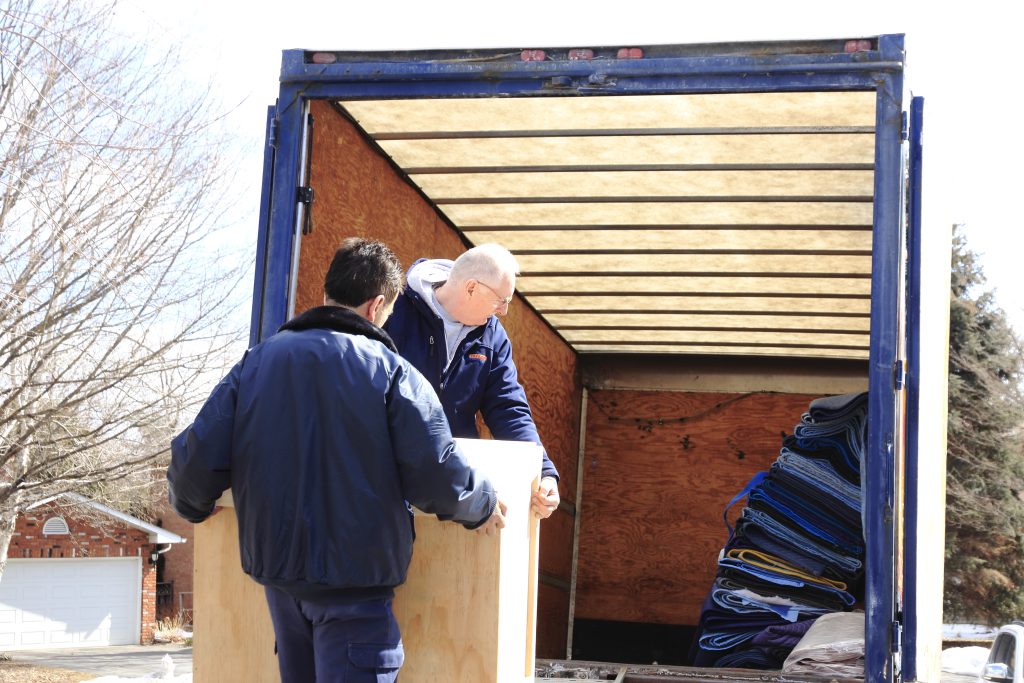
Moving your life across Canada is a big deal. It’s not just about packing boxes; it’s about planning a whole new chapter. When you’re thinking about making the leap, especially after a period of long-distance dating, timing is everything. You want to make sure you’re ready for the commitment and that the move itself is as smooth as possible.
How Long in Advance Should You Book Long-Distance Movers?
Booking your movers well ahead of time is super important for a cross-Canada move. Think of it like booking a flight for a popular holiday – the earlier you book, the better your chances of getting the date you want and potentially a better price. For a move spanning the vast distances of Canada, aiming to book your long-distance movers at least 4 to 6 weeks in advance is a good rule of thumb. This gives moving companies enough notice to schedule your move, especially if you’re moving during peak seasons like the summer months or at the end of the month. It also allows you time to get multiple quotes and compare services without feeling rushed. Remember, a move across the country is a significant endeavor, and early planning is key to a successful relocation. Moving across the country requires careful preparation.
What To Expect During A Long-Distance Move
So, what actually happens when you hire movers for a long-distance trek across Canada? It usually starts with an in-home or virtual estimate. This is where the moving company assesses how much stuff you have and gives you a price. Then comes the packing – you can do it yourself or have the movers pack for you. On moving day, the crew will load everything onto the truck. After that, it’s a waiting game as your belongings make their way to your new Canadian city. Delivery day is when they unload everything at your new place.
Here’s a general idea of the process:
- Estimate: Get quotes from a few companies. Be detailed about what you’re moving.
- Booking: Confirm your chosen mover and lock in your dates.
- Packing: Start packing non-essentials early. The movers will pack the rest if you’ve opted for that service.
- Loading: The moving crew arrives to load your belongings.
- Transit: Your items are transported to your new home.
- Delivery: The movers unload your items at your destination.
It’s wise to have a checklist to keep track of everything. This helps prevent forgetting important steps and reduces stress.
Understanding Long-Distance Moving Costs In Canada
Figuring out the cost of moving across Canada can feel a bit like a puzzle. Prices can vary a lot based on a few key things. The distance you’re moving is a big one, obviously. The amount of stuff you have, measured by weight or volume, also plays a huge role. The time of year can affect prices too; moving in the summer is often more expensive than in the off-season. Some companies offer binding estimates, which give you a fixed price, while others provide non-binding estimates that can change.
Here are some factors that influence the cost:
- Distance: The further you move, the more it generally costs.
- Weight/Volume: More belongings mean higher costs.
- Time of Year: Peak moving seasons (like summer) can be pricier.
- Services: Packing, unpacking, and storage services add to the total.
- Insurance: Extra coverage for your belongings will increase the price.
It’s always a good idea to get detailed quotes and understand exactly what’s included. This way, you won’t be surprised by hidden fees later on. Planning your move early can help you manage these costs better. Checklist for long-distance moves can be a great resource.
Navigating The Logistics Of Moving Within Canada
Moving across Canada is a big undertaking, and getting the logistics right is key to a smooth transition. It’s not just about packing boxes; it’s about planning, communication, and making sure everything arrives safely at your new home.
Choosing The Right Long-Distance Moving Company
When you’re looking for a moving company to handle your cross-Canada move, you’ll find there are a few different types of services. Some companies offer full-service moves, where they do everything from packing to loading, driving, and unloading. Others might offer container services, where you pack your own belongings into a container, and they transport it for you. Then there are options like renting a truck and doing it all yourself, which can be the cheapest way to move across Canada if you’re up for the work.
- Full-Service Movers: These companies handle most of the heavy lifting, packing, and transportation. They’re generally more expensive but offer the most convenience.
- Moving Containers: You pack the container yourself, and the company moves it to your new location. This offers a balance of cost and effort.
- Rental Trucks: The most budget-friendly option, but requires you to do all the packing, loading, driving, and unloading.
It’s important to research companies, read reviews, and get multiple quotes to compare. Look for companies with experience in long-distance moves within Canada, as they’ll be familiar with the routes and potential challenges. Companies like Two Amigos specialize in coast-to-coast service, which can be a good option for a hassle-free move.
What Is Included In A Long-Distance Moving Quote?
A long-distance moving quote can vary quite a bit, and understanding what’s included is vital. A good quote should break down the costs clearly. Typically, it will cover the transportation of your belongings from your old home to your new one. Some quotes might include packing supplies, professional packing services, and unpacking at your destination. It’s also important to ask about insurance coverage – what’s covered, and what isn’t? Don’t be afraid to ask for a detailed explanation of everything listed in the quote.
Always clarify what’s included in your moving quote. Things like packing materials, disassembly/reassembly of furniture, and specific insurance coverage can significantly impact the final price and your overall experience.
Weight-Based Versus Hourly Moving Costs
Moving companies in Canada often calculate their long-distance moving costs in one of two main ways: based on weight or based on the time it takes. Weight-based pricing is common for longer distances, where the total weight of your belongings is the primary factor. This can be more predictable for budgeting, as you’ll have a clearer idea of the cost once your items are weighed.
Hourly rates, on the other hand, are more typical for local moves or shorter distances. While they might seem straightforward, they can be unpredictable for long-distance moves, as unforeseen delays (like traffic or weather) can drive up the cost. It’s worth asking potential movers how they structure their pricing for your specific route and what factors influence the final cost. Understanding these differences can help you choose the cheapest ways to move that best fit your budget and needs.
Preparing For Your New Life In A Canadian City

So, you’ve decided to make the big move and are heading to a new Canadian city. That’s exciting! But before you start packing, it’s smart to get a feel for what life will be like there. It’s not just about the new address; it’s about settling into a new community and making it feel like home.
Exploring The Economic Landscape Of Your New City
Every city has its own economic vibe, and understanding it can really help you plan. Are there lots of job opportunities in your field? What’s the general cost of living like compared to where you are now? For example, cities like Hamilton have a strong mix of healthcare, education, and manufacturing, making it a good spot for professionals. Knowing this helps you figure out your budget and what to expect financially. It’s also worth looking into the local job market if you haven’t secured employment yet. Having a handle on the economic scene means you can approach your new life with more confidence.
Understanding Cultural And Recreational Opportunities
What do you like to do in your free time? Canada has so many diverse cities, each with its own unique culture and things to do. Maybe you’re moving to Oakville, known for its beautiful waterfronts and arts scene, or perhaps Burlington, with its lively festivals and parks. Researching local attractions, like the Burlington Performing Arts Centre or the Royal Botanical Gardens, can give you a taste of what to expect. It’s also a great way to find new hobbies or connect with people who share your interests. Think about the local sports teams, museums, and community events – these are the things that make a city feel alive.
Assessing Transportation And Accessibility
Getting around is a big part of daily life. How easy is it to commute to work or run errands? Many Canadian cities, like Hamilton, have pretty good public transit systems, bike lanes, and are generally walkable. Plus, access to major highways and transit networks like GO Transit can make traveling to nearby areas a breeze. It’s a good idea to look into the public transport options and even map out potential commutes from different neighborhoods. This will help you figure out the best place to live and how you’ll manage your day-to-day travel. Understanding the transportation network is key to feeling settled and independent in your new city.
Before you even start packing, it’s a good idea to gather all your important documents. This includes things like your birth certificate, passport, and any academic or professional records. Having these ready can make a huge difference when you’re dealing with official processes in your new Canadian home. Check out this checklist for essential documents to make sure you don’t miss anything important.
Here’s a quick look at what to consider:
- Job Market: Research key industries and employment rates.
- Cost of Living: Compare housing, groceries, and utility costs.
- Recreation: Identify parks, community centers, and cultural venues.
- Transit: Look into bus routes, train lines, and cycling infrastructure.
- Community: Explore local events, festivals, and social groups.
Getting ready for your big move to a Canadian city? It’s an exciting time, and we’re here to help make it smooth. From packing your favorite mug to setting up your new home, we handle the heavy lifting so you can focus on starting your new adventure. Let us take the stress out of your relocation. Visit our website today to get a free quote and learn how we can help you settle in with ease!
Wrapping Up Your Long-Distance Move Decision
So, you’ve been doing the long-distance thing, and now you’re thinking about closing the gap. It’s a big step, for sure. There’s no magic number of months or years that works for everyone. It really comes down to what feels right for you and your partner. Think about all the things we’ve talked about – communication, visiting each other, and really getting a feel for life in each other’s cities. When you feel that pull, that certainty that you’re ready to take the plunge and build a life together in one place, that’s probably your sign. Don’t rush it, but also don’t wait forever if you know it’s the right move. Planning is key, and when you’re ready, a good moving company can help make the actual transition much smoother, whether it’s across town or across the country.
Frequently Asked Questions
How long should I wait before moving for a long-distance relationship?
There’s no magic number! It really depends on your relationship. Some couples feel ready to move after a few months of dating, while others might wait a year or more. Think about how well you know each other, your communication style, and if you’ve visited each other often. It’s more about feeling secure and committed than a specific time frame.
What are the biggest things to consider before moving for a relationship?
You should think about a few big things. First, is your relationship strong enough to handle living together? Second, what about your job or school? Will you have good opportunities in the new place? Lastly, moving costs money. Make sure you have a plan for how you’ll pay for the move and set up your new life.
How do I know if my partner is ready for me to move closer?
Open and honest talks are key! You should both feel comfortable discussing your future. If you’re both excited about the idea of living in the same city, visiting each other’s friends and family regularly, and making future plans together, these are good signs. It’s about shared excitement and commitment.
How far in advance should I book movers for a long-distance move in Canada?
It’s best to book movers at least 4-6 weeks before your moving date, especially if you’re moving during a busy time like the summer or end of the month. This gives you plenty of options and helps ensure you get the company and time slot you want. Booking early also gives you more time to plan everything else.
What affects the cost of moving across Canada?
Several things change the price. The distance you’re moving is a big one. Also, how much stuff you have matters a lot – more items mean a higher cost. The time of year can also play a role, as can any extra services you need, like packing or special handling for fragile items. Getting a detailed quote is the best way to know for sure.
What should I expect during a long-distance move in Canada?
A long-distance move involves more than just loading boxes. You’ll typically have an initial estimate, a packing and loading day, the actual transit time (which can take several days depending on distance), and then the unloading at your new home. Good moving companies will keep you updated throughout the process, from start to finish.
Leave a Comment