How Long to Do Long Distance Before Moving: A Comprehensive Guide
Thinking about making a big move, especially a long-distance one within Canada? It’s a lot to consider, right? You’ve got relationship stuff, money matters, and all the practicalities of packing and driving. Figuring out how long to do long distance before moving is a big question, and it’s not just about the physical move itself. It’s about making sure everything lines up so you’re not just moving homes, but building a future together. Let’s break down what goes into this decision and how to plan it out.
Key Takeaways
- Booking long-distance movers should ideally happen at least three weeks in advance, but a year is not too early if you know your dates.
- The timeline for your move is affected by factors like the distance, the time of year, and the availability of moving companies.
- A typical long-distance move within Canada can take anywhere from a few days to a couple of weeks, depending on the distance and services used.
- Before moving in together long-distance, assess your relationship’s readiness, your financial situation, and if your career and life goals align.
- For cross-border moves to the US, be aware of specific documentation, customs procedures, and logistics that differ from domestic moves.
Understanding Long-Distance Moving Timelines
Planning a move across the country, or even just across a few provinces, takes time. It’s not like deciding to move across town. You can’t just throw things in a car and go. There’s a lot more to consider, and giving yourself enough breathing room is key to a less stressful experience.
How Far In Advance Should You Book Long-Distance Movers?
When you’re looking at moving your entire life from, say, Vancouver to Halifax, you need to book your movers well ahead of time. Most moving companies recommend booking at least three weeks in advance, but honestly, for a truly smooth process, aiming for 8 to 12 weeks out is much better. This gives you time to get quotes, compare services, and secure your preferred moving date, especially if you’re moving during a busy season like summer or the end of the month. Booking too late can mean limited availability and potentially higher costs. It’s always better to have a bit too much time than not enough when it comes to big moves. Starting your planning 8 weeks out is a good rule of thumb.
What Affects The Timeline Of Your Move?
Several things can influence how long your move takes to plan and execute. The distance is obvious, but other factors play a role too.
- Distance: The further you’re going, the more complex the logistics and the longer the transit time will be. Moving from Toronto to Montreal is different from moving from St. John’s to Victoria.
- Time of Year: Moving during peak seasons (summer, holidays, end of the month) means movers are busier, so you need to book further in advance. Off-peak times might offer more flexibility.
- Services Needed: Are you just moving boxes, or do you need packing, unpacking, storage, or special handling for items like pianos or artwork? These add time to the planning and execution.
- Customs and Border Crossings: If your move involves crossing provincial borders with specific regulations or, more significantly, crossing the Canada-US border, this adds a layer of complexity and time for paperwork and potential inspections.
- Your Availability: Sometimes, you might only have a specific window to move, which can put pressure on the timeline.
The actual moving day itself is just one part of the timeline. The real work involves research, packing, coordinating, and preparing for the arrival at your new home. Rushing these steps can lead to forgotten items or damaged goods.
Typical Duration Of A Long-Distance Move In Canada
How long the actual transportation takes depends heavily on the distance. A move within the same province might take a day or two for transit, while a cross-country move can take anywhere from a few days to over a week.
Here’s a general idea:
- Intra-provincial (within the same province): 1-3 days transit time.
- Inter-provincial (between provinces): 3-7 days transit time.
- Cross-country (e.g., BC to NS): 7-14 days transit time.
Remember, this is just for the transit of your belongings. The entire process, from deciding to move to being fully settled, can take months. It’s wise to plan your move with a structured timeline to keep everything on track.
Factors Influencing Your Decision To Move
Deciding to move for a relationship is a huge step, and it’s not just about packing boxes. It’s about making sure you and your partner are truly ready for this next chapter, especially when it involves crossing provincial lines or even the border. Let’s break down what goes into that big decision.
Assessing Relationship Readiness For A Move
Before you even think about booking movers, you need to have a real talk about where your relationship stands. Are you both on the same page about the future? Moving is a massive commitment, and it’s not something to jump into lightly. Think about how you handle disagreements now – will adding the stress of a move make things better or worse? It’s also worth considering how you both cope with change and uncertainty. Long-distance relationships already have their own unique set of challenges, like managing the co-regulation gap and dealing with the everyday absence of your partner. Adding a move into the mix can amplify these issues if you’re not prepared.
- Open Communication: Have you discussed your fears and expectations about the move openly and honestly?
- Conflict Resolution: How do you typically work through disagreements? Is there a healthy pattern in place?
- Shared Vision: Do you both see a long-term future together in the new location?
- Independence: Do you both have a sense of self outside the relationship, which is important for adjusting to a new environment?
Moving for a relationship isn’t just about closing the distance; it’s about ensuring your connection is strong enough to withstand the pressures and changes that come with a shared life in a new place.
Evaluating Financial Preparedness For A Joint Future
Money talks, especially when you’re planning a life together. A long-distance move, particularly within Canada, can rack up significant costs. You’ll need to consider moving company fees, potential new rental deposits or home buying costs, setting up utilities, and maybe even new furniture. It’s wise to sit down together and create a realistic budget. This isn’t just about who pays for what, but also about your shared financial goals. Are you saving for a house? Planning for future education? Having a clear picture of your combined finances will make the transition smoother and reduce potential stress.
Here’s a quick look at some potential costs:
| Expense Category | Estimated Cost Range (CAD) |
|---|---|
| Professional Movers | $1,500 – $8,000+ |
| Packing Supplies | $200 – $500 |
| Travel Expenses (for you) | $100 – $500 |
| New Home Setup (deposit, utilities) | $500 – $3,000+ |
| Temporary Housing (if needed) | $50 – $200 per day |
Note: These are rough estimates and can vary greatly based on distance, volume of goods, and specific locations within Canada.
Considering Career And Life Goals Alignment
Moving for a partner is wonderful, but it shouldn’t mean sacrificing your own ambitions. Think about your career path. Will moving to your partner’s city offer new job opportunities for you, or will it mean a step back? What about your personal life goals? Do you have hobbies or interests that are important to you? Will you be able to pursue them in the new location? It’s about finding a balance where both of your lives can thrive. Sometimes, a move might align perfectly with both your career aspirations and your relationship goals, making the decision much easier. Other times, it might require some compromise or a phased approach. For instance, one partner might move first to establish themselves, with the other following once their career is secure or a suitable job is found. This is where clear communication about expectations becomes really important.
The Planning And Logistics Of Long-Distance Relocation
Moving your life across the country, or even just a few provinces over, is a big deal. It’s not just about packing boxes; it’s a whole operation that needs careful thought and organization. When you’re planning a long-distance move within Canada, getting the logistics right from the start can save you a lot of headaches down the road.
Calculating Long-Distance Moving Costs In Canada
Figuring out how much a long-distance move will cost can feel like a puzzle. Companies usually base their prices on a few key things. For moves within Canada, the distance you’re traveling and the total weight of your belongings are the big ones. Think of it like this: the further you go and the more stuff you have, the more it’s going to cost. Some movers might also charge by the hour, especially for local moves, but for longer distances, weight and mileage are generally the main factors. It’s always a good idea to get a few different quotes to compare. Remember, the cheapest quote isn’t always the best value, so look at what’s included.
- Distance: How many kilometers are between your old place and your new one?
- Weight: How much do all your packed items weigh in total?
- Services: Are you just getting transport, or do you need packing, unpacking, or storage?
- Timing: Moving during peak season (like summer) can sometimes cost more than off-peak times.
Understanding how costs are calculated helps you budget more effectively and avoid surprises. It’s about knowing what you’re paying for.
What Is Included In A Long-Distance Moving Quote?
When you get a quote from a moving company, it’s important to know exactly what you’re paying for. A standard long-distance moving quote in Canada typically covers the transportation of your household goods from your old home to your new one. This usually includes the labor to load everything onto the truck and unload it at your destination. Some companies might also include basic packing supplies for fragile items or a certain amount of basic insurance. However, things like full packing services, custom crating for valuable items, or storage solutions are often extra costs. Always ask for a detailed breakdown of what’s in the quote and what isn’t. This way, you won’t be caught off guard by unexpected charges later on. You can prepare for a smooth long-distance move by clarifying these details upfront.
Choosing The Right Long-Distance Moving Company
Picking the right moving company is a big part of making your long-distance move go smoothly. You want a company that’s reliable, experienced, and treats your belongings with care. Start by looking for companies that specialize in long-distance moves within Canada. Check their reviews and see what past customers have said about their experience. A good company will be transparent about their pricing and services. Don’t be afraid to ask questions about their insurance policies, how they handle damage claims, and what their process is from start to finish. Some companies offer different levels of service, so you can choose what best fits your needs and budget. It’s also worth checking if they have specific experience with the type of move you’re making, whether it’s a standard household move or something more complex.
- Reputation: Look for reviews and testimonials.
- Licensing and Insurance: Make sure they are properly licensed and insured.
- Communication: Do they communicate clearly and promptly?
- Services Offered: Do they provide the services you need (packing, storage, etc.)?
A well-chosen moving company can make a world of difference. They handle the heavy lifting and the logistics, letting you focus on settling into your new home.
Preparing For Your Long-Distance Journey
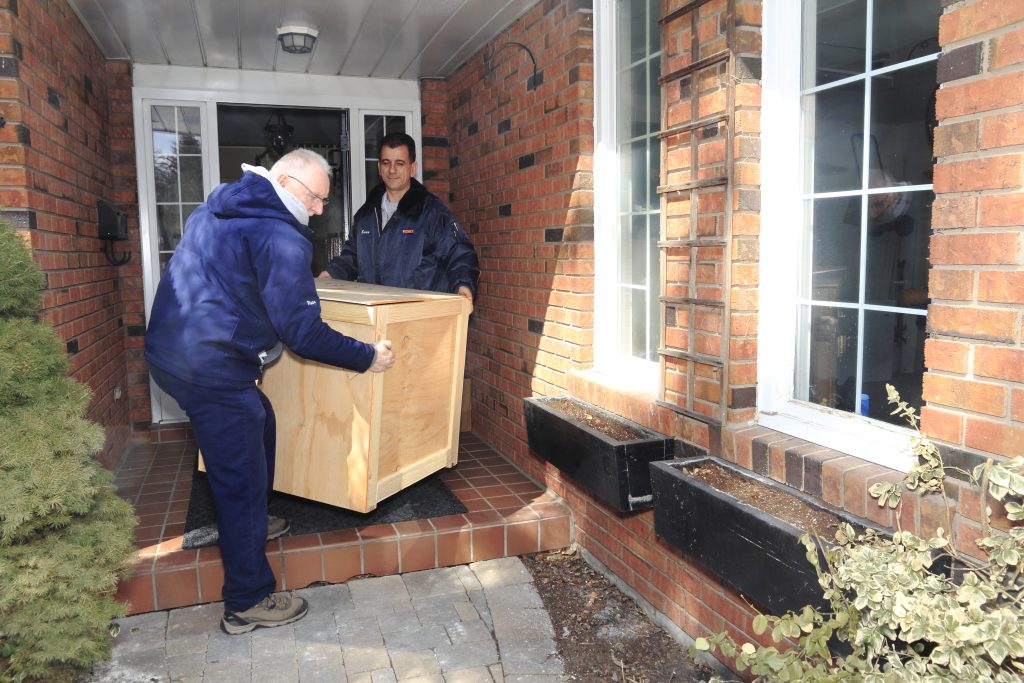
So, you’ve decided to pack up your life and move across the country to be with someone special. That’s a huge step! It’s not just about loading up boxes; it’s about getting ready for a whole new chapter. Think of it like getting ready for a big road trip – you need to pack smart, know what to expect, and have all your important papers in order. This part is all about making sure you’re set for the move itself, from the moment the movers arrive to when you finally unlock your new door.
What To Expect During A Long-Distance Move
Moving long-distance in Canada can feel like a big undertaking, but knowing what’s coming can make it much smoother. It usually starts with getting a quote from a moving company. They’ll often do an in-home estimate or a virtual walkthrough to get a good idea of how much stuff you have and how far it needs to go. This helps them give you a more accurate price. Then comes the packing – you can do it yourself, or many companies offer professional packing services. On moving day, the crew will carefully load everything onto the truck. The actual transit time can vary a lot depending on the distance, the weather, and the mover’s schedule. Sometimes they’ll deliver everything in one go, other times it might be a few days apart. Once the truck arrives at your new place, they’ll unload your belongings. It’s a good idea to have a plan for where big items should go to make unpacking easier.
Essential Documents For Moving Within Canada
When you’re moving within Canada, you might not think you need a lot of paperwork, but it’s wise to keep some key documents handy. This includes things like your driver’s license or provincial ID, as you might need it to prove your identity at your new address, especially if you’re setting up utilities or opening a new bank account. If you’re renting, your lease agreement is a big one. For homeowners, your property deed or mortgage documents are important. Don’t forget any insurance papers – home, auto, or even health. It’s also a good idea to have contact information for your moving company and any important contacts at your new job or school. Keeping these in a dedicated folder or binder makes them easy to find when you need them most.
Packing Strategies For A Smooth Transition
Packing can feel overwhelming, but a good strategy makes all the difference. Start early! Don’t wait until the last minute. Go room by room and declutter as you pack. If you haven’t used something in a year, consider donating or selling it. Pack an ‘essentials’ box with things you’ll need immediately upon arrival – toiletries, a change of clothes, basic kitchen items, medications, and important documents. Label every box clearly with its contents and the room it belongs in at the new place. This saves so much time and frustration later. For fragile items, use plenty of padding like bubble wrap or packing paper, and make sure those boxes are clearly marked ‘Fragile’.
Moving is a process, and while the physical act of packing and transporting items is a big part of it, the mental and emotional preparation is just as important. Thinking through the logistics ahead of time can reduce a lot of stress.
Remember, the goal is to make the unpacking process as easy as possible. Planning your move carefully now will pay off big time later.
Navigating Cross-Border Moves
Understanding Canada-US Moving Procedures
Moving your household from Canada to the United States, or vice versa, is a bit more involved than a typical long-distance move within the country. It’s not just about packing boxes and driving; there are specific rules and paperwork involved. Think of it like a longer trip, but with official checkpoints. The biggest difference is the customs process. You’ll need to be prepared for declarations and potential inspections of your belongings.
Here’s a general idea of what to expect:
- Customs Declarations: Both Canada and the U.S. require you to declare goods you’re bringing across the border. This usually involves filling out specific forms detailing the items you’re moving.
- Prohibited and Restricted Items: Certain items are not allowed or have restrictions when crossing the border. This can include things like firearms, certain food products, and even plants.
- Moving Company Involvement: Reputable cross-border movers are experienced with these procedures. They can guide you through the paperwork and handle much of the logistics, making the process smoother.
It’s important to remember that the rules can change, so staying informed is key. Working with a mover experienced in Canada-US moves can really help take the guesswork out of it.
Required Documentation for Cross-Border Relocation
Gathering the right documents is probably the most critical part of a cross-border move. Missing a form or having incorrect information can cause significant delays or even prevent your belongings from crossing.
Here’s a list of common documents you’ll likely need:
- Proof of Identity: This typically includes passports for everyone moving. For children, birth certificates might be needed.
- Customs Forms: You’ll need to complete specific customs declaration forms for both Canada and the U.S. Your moving company can provide these or guide you on where to get them.
- Inventory List: A detailed list of all the items you are moving, often including estimated values. This is usually part of the customs declaration.
- Visa or Immigration Documents: If you are moving for work or to live permanently, you’ll need the appropriate visa or immigration paperwork.
Don’t underestimate the importance of accurate documentation. Double-checking everything before your moving day can save you a lot of headaches at the border.
Customs and Logistics of Moving Household Goods
When your household goods cross the border, they go through a customs clearance process. This is where officials check your declarations and ensure you’re not bringing anything prohibited.
- Valuation: You’ll need to declare the value of your household goods. This is used for customs purposes and sometimes for insurance.
- Duties and Taxes: Generally, if you’re moving your own household goods that you’ve owned and used for a certain period (often 6-12 months), you can move them duty-free. However, rules can vary, and it’s best to confirm with your mover or the relevant government agencies.
- Logistics: This covers the actual transportation. Your moving company will coordinate the truck, the route, and the timing to ensure your belongings arrive as planned. They’ll also manage the handover at the border and the final delivery.
Making The Final Decision To Relocate
So, you’ve been doing the long-distance thing, and now you’re thinking about closing the gap. That’s a huge step, and honestly, it’s not just about packing boxes. It’s about making sure you’re both really ready for this next chapter. Think about it – you’re not just moving cities; you’re merging lives. It’s a big deal, and it deserves some serious thought before you book the movers.
When Is The Right Time To Combine Households?
Figuring out the right moment to move in together is tricky. It’s not a one-size-fits-all answer, you know? Some couples feel ready after a year, others need more time. A good sign is when you can easily picture your daily lives intertwined. Have you talked about who does what chores? How you’ll handle finances? These aren’t the most romantic topics, but they’re super important for making sure living together actually works. It’s about building a solid foundation, not just a shared address. Before making significant life changes for a relationship, consider a future together five years down the line. If the idea of a long-term commitment doesn’t feel daunting, it might be a sign to proceed. This introspection is crucial before uprooting your life for someone else.
Balancing Personal Aspirations With Relationship Milestones
It’s easy to get caught up in the excitement of a relationship and want to rush into moving. But what about your own goals? Are you putting your career on hold? What about your hobbies or friendships? It’s important to find a balance. Moving in together should feel like a positive step for both of you, not a sacrifice of your individual dreams. Talk about how you can support each other’s personal ambitions even after you’ve combined households. Maybe your partner’s new job in a different province means you’ll need to find a new role, or perhaps you’re looking forward to exploring a new city together. Whatever it is, make sure it feels right for everyone involved.
The Importance Of Open Communication Before Moving
Seriously, talk. Talk about everything. What are your expectations for living together? What are your fears? What does a successful shared life look like to each of you? Don’t assume you’re on the same page. Sometimes, what seems obvious to one person is completely different for the other. Open communication is the bedrock of any strong relationship, and it’s absolutely vital when you’re planning a big move like this. Discussing and aligning expectations regarding finances, daily routines, and long-term goals is key for a successful shared living experience. Moving in together is a significant step that requires a strong foundation of trust and effective communication.
Here’s a quick checklist to get you started:
- Financial Talk: How will bills be split? Who’s responsible for what? Have you discussed savings goals?
- Daily Life: What are your expectations for chores, quiet time, and social life?
- Future Vision: Where do you see yourselves in 1, 5, or 10 years? Does this move align with those visions?
- Support System: How will you maintain friendships and family connections in a new place?
Making the decision to combine households is a big one. It’s about more than just convenience; it’s about building a shared future. Taking the time to communicate openly and honestly about your expectations, goals, and concerns will make the transition much smoother and set you up for success as a couple.
Thinking about moving? It’s a big step, and deciding where to go can be tough. Once you’ve made up your mind, let us help make the rest of the process smooth and easy. We handle all the details so you can focus on settling into your new home. Ready to start your next chapter? Visit our website today to get a free quote and see how we can help you move with confidence!
Wrapping Up Your Long-Distance Move Timeline
So, you’ve read all about timing your long-distance move. It’s clear that there’s no single magic number for how long you should do long-distance before packing up. It really depends on your situation, your relationship, and what feels right for both of you. Whether it’s a few months or a year or more, the key is open communication and making sure you’re both on the same page. Planning ahead, especially with movers, is super important, usually at least three weeks out for a Canadian move. Take your time, figure out what works best, and then you can focus on the actual move itself, knowing you’ve made a thoughtful decision.
Frequently Asked Questions
How far ahead of time should I book long-distance movers?
It’s a good idea to book your long-distance movers at least three weeks before your moving date. This gives the moving company enough time to plan everything out properly so your move goes smoothly.
What things can affect how long my move takes?
Several things can change how long your move takes. The distance you’re moving, how much stuff you have, and even the weather can play a part. Also, booking movers last minute can sometimes mean fewer options for delivery times.
How much does it cost to move long-distance in Canada?
The cost depends on a few things. We usually figure out the price based on how far you’re moving and how much your belongings weigh. The more stuff you have and the farther you go, the more it will likely cost.
What’s usually included when I get a moving quote?
A good quote should cover the basics like loading your items, transporting them to your new home, and unloading. It’s smart to ask if packing, unpacking, or special services like moving large or fragile items are included or cost extra.
What should I expect on moving day?
On moving day, the movers will carefully pack and load your belongings onto the truck. They’ll then drive your stuff to your new place. Once there, they’ll unload everything. It’s important to have a clear plan and communicate with your moving team.
What documents do I need for moving within Canada?
For moves within Canada, you generally don’t need special documents like passports. However, it’s wise to have identification handy, and any paperwork related to your moving contract or insurance. Keep important personal documents separate and with you.
Leave a Comment