How Long to Do Long Distance Before Moving: A Comprehensive Guide

Thinking about making a big move, maybe across the country or even just to a new province? It’s a lot to consider, especially when a relationship is involved. You’ve got to figure out the timing, the money, and if you’re both really on the same page. This guide is here to help you sort through all the details, from packing up your life to what to expect when the moving truck finally arrives. We’ll break down how long to do long distance before moving and what that really means for your journey.
Key Takeaways
- Booking long-distance movers in Canada should ideally happen at least three weeks in advance, though booking up to a year ahead is possible. This gives movers enough time to plan and execute your relocation smoothly.
- The timeline for a long-distance move in Canada can vary. While booking movers needs advance notice, the actual moving process itself can take several days depending on the distance and services required.
- Factors like relationship readiness, financial stability, and aligned career or life goals are important to assess before deciding to combine households and move.
- When planning a long-distance move within Canada, consider the costs involved, what a moving quote typically includes, and how to pick the right moving company for your needs.
- For moves between Canada and the US, be aware of the specific documentation, customs procedures, and logistics involved in relocating household goods across the border.
Understanding Long-Distance Moving Timelines
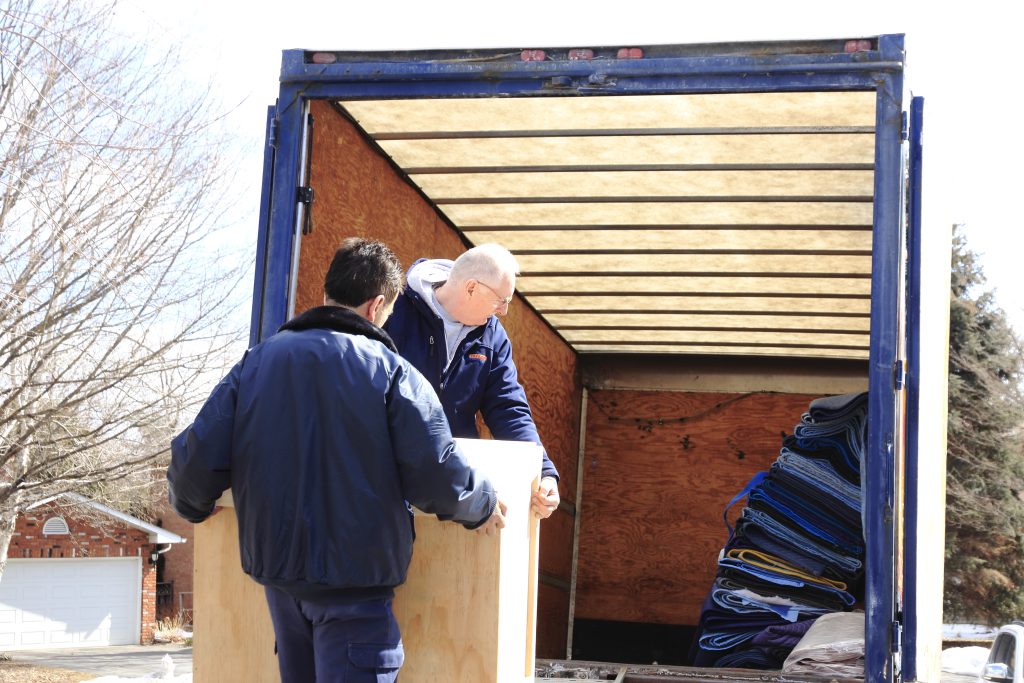
Planning a move across Canada, or even just across the province, takes time. It’s not like packing up a few boxes for a local move; long-distance relocations involve a lot more coordination and foresight. You can’t just decide to move next week and expect everything to go smoothly. The further you’re going, the more lead time you’ll need.
How Far In Advance Should You Book Long-Distance Movers?
When you’re looking at moving companies for a long-distance haul within Canada, booking ahead is key. Most movers recommend scheduling your move at least three weeks in advance. This gives them enough time to properly plan, organize, and execute your relocation without feeling rushed. However, for peak moving seasons, like the summer months or around holidays, you might want to book even earlier, perhaps 6 to 8 weeks out. This buffer helps ensure you get the date you want and that the moving company has the resources available.
What Affects The Timeline Of Your Move?
Several things can influence how much time you’ll need to plan your move. The distance is the most obvious factor, of course. Moving from Vancouver to Halifax is a much bigger undertaking than moving from Toronto to Ottawa. The size of your home and the amount of stuff you have also play a role; more belongings mean more packing and loading time. If you have specialty items, like a piano or a large art collection, that requires special handling, that adds to the timeline too. And don’t forget about potential delays. Weather can be a factor, especially during certain times of the year in Canada. Unexpected issues can pop up, so having a bit of wiggle room in your schedule is always a good idea. It’s generally advised to start the planning process 8 to 12 weeks before your moving date.
Typical Duration Of A Long-Distance Move In Canada
The actual transit time for a long-distance move within Canada can vary quite a bit. For moves within the same province or to a neighbouring one, it might only take a day or two. However, if you’re crossing the country, say from British Columbia to Newfoundland, the journey could take anywhere from 5 to 14 days, sometimes even longer, depending on the specific route and the moving company’s schedule. It’s not just about the driving time; it includes loading, potential stops, and unloading. A good moving company will give you an estimated delivery window, but it’s important to remember that these are estimates. Having a structured approach to your move can help manage expectations and keep things on track.
When planning your long-distance move, remember that the timeline isn’t just about booking movers. It also includes decluttering, packing, notifying relevant parties of your address change, and arranging for utilities. Give yourself ample time for each of these tasks to avoid last-minute stress.
Here’s a general idea of what to expect:
- Packing: This can take anywhere from a few days to several weeks, depending on how much you have and how organized you are.
- Loading: The day of the move, loading can take several hours, especially for larger homes.
- Transit Time: As mentioned, this varies greatly by distance, from 1-2 days for shorter hauls to over a week for cross-country moves.
- Unloading: Similar to loading, this can take several hours on the delivery day.
Factors Influencing Your Decision To Move
Making the call to move somewhere else, especially a long distance within Canada, means taking a hard look at more than just your feelings. There are a few things you can’t ignore—your relationship, money, work, and where you see your life heading next. Let’s break down what really matters before you pack up and go.
Assessing Relationship Readiness For A Move
Moving for a partner is a big step, especially if you’re taking your long-distance relationship to the next level. It’s not just about missing each other or looking forward to ending those long drives and FaceTime calls.
- Have a real chat about what living together might look like. Are you moving in together or getting separate places at first? Sometimes it’s smart to agree on living arrangements ahead of time, instead of assuming you’ll just figure it out.
- Make sure you talk about habits and expectations. Daily routines, privacy, even chores can be more important than you think.
- Consider how you both handle stress—because moving is stressful, and it can test even the happiest couples. For more questions to ask each other, take a look at some honest advice about deciding on living arrangements.
When you move for someone else, you’re blending two lives together—not just two addresses. Be as clear with each other as possible about expectations in order to avoid surprises.
Evaluating Financial Preparedness For A Joint Future
Let’s talk money. Uprooting your life to another province or city isn’t just about hiring movers. There’s rent, deposits, even little things like getting a new license. Make a budget for everything you can think of—then expect surprises.
Here’s a quick table of estimated upfront costs for a long-distance move within Canada:
| Expense Type | Estimated Cost (CAD) |
|---|---|
| Moving Company | $2,000 – $8,000 |
| Security Deposits | $500 – $2,500 |
| Travel/Hotel | $200 – $1,500 |
| Utility Setup Fees | $100 – $400 |
| Driver’s License/ID | $60 – $150 |
- Get clear on your joint financial picture—debts, savings, income. Will you be able to support yourself if things take longer than planned?
- Decide how you’ll split bills, both during the move and once you arrive.
- Factor in job-hunting, or if one of you is quitting work to relocate, how long until the household is back at full income?
Considering Career And Life Goals Alignment
It’s easy to think love conquers all, but work and goals count for a lot too. Canada’s provinces and cities offer different job markets and lifestyles. Before you go:
- Be honest about what you both want next. If your partner is settled in their career but you’d need to start from scratch, is that OK with you?
- Investigate if your field is in demand in the new location, or if you’re OK with retraining or changing direction.
- Consider extra education or certification requirements if you’re moving between provinces.
If your long-distance relationship is feeling pressure, you’re not alone. There are a few silent stressors that can make or break the jump, such as different priorities or fearing resentment if one person sacrifices more than the other. Addressing these psychological factors in long-distance relationships before you actually move can honestly save you both trouble down the road.
Long story short: moving long-distance for a relationship in Canada means looking at the big picture—not just flights or moving trucks, but everything that makes a life together work. Take the time to weigh these factors, have awkward conversations, and plan for what-ifs. It won’t make the decision easier, but it will make it smarter.
The Planning And Logistics Of Long-Distance Relocation
Moving your life across Canada is a big deal, and it’s not something you can just wing. It takes some serious planning and figuring out the logistics. Think of it like building a house; you wouldn’t just start hammering nails without a blueprint, right? The same goes for a long-distance move. You need to know your costs, pick the right help, and have a solid plan in place.
Calculating Long-Distance Moving Costs In Canada
Figuring out how much a long-distance move will cost can feel like a puzzle. It’s not just about the distance; a lot of things play a role. The weight of your stuff is a big one, of course. Then there’s the distance itself – moving from Vancouver to Halifax is going to cost more than moving from Toronto to Ottawa. Some companies also charge by the hour, especially for local moves, but for longer hauls, it’s usually a combination of weight and mileage. You also have to think about extra services, like packing, unpacking, or needing storage. It’s wise to get a few different quotes to compare. Understanding how these costs are calculated is key to budgeting effectively.
Here’s a general idea of what influences the price:
- Distance: The further you go, the more it costs.
- Weight: Heavier shipments mean higher costs.
- Volume: How much space your belongings take up.
- Time of Year: Moving during peak season (summer) can be more expensive.
- Accessibility: Difficult-to-reach locations might add to the cost.
- Additional Services: Packing, unpacking, special item handling, storage.
What Is Included In A Long-Distance Moving Quote?
When you get a quote from a moving company, it’s important to know exactly what you’re paying for. A standard quote for a long-distance move within Canada usually covers the transportation of your household goods from your old place to your new one. This often includes the labor for loading and unloading. However, things like packing supplies, professional packing services, or temporary storage might be extra. Some companies offer different levels of service, so make sure you clarify what’s in the base price and what you’d be paying for as add-ons. Always ask for a detailed breakdown. It’s also good to know if they offer binding estimates (a fixed price) or non-binding ones (which can change).
- Transportation: Moving your items from point A to point B.
- Loading and Unloading: The physical labor to get your belongings onto and off the truck.
- Basic Insurance: Most companies include a basic level of coverage, but it’s usually quite limited.
- Fuel Surcharges: Often factored into the overall cost.
Don’t just look at the bottom line when comparing quotes. A cheaper quote might mean fewer services or less coverage. It’s about finding the best value for your specific needs and peace of mind.
Choosing The Right Long-Distance Moving Company
Picking the right moving company is probably one of the most important decisions you’ll make. You want a company that’s experienced, reliable, and has good communication. Look for companies that are registered and insured. Check out their reviews – what are other people saying about their experience? A company that provides clear, detailed quotes and answers all your questions patiently is usually a good sign. Don’t be afraid to ask about their process, their insurance policies, and what happens if something goes wrong. It’s also helpful if they have a good understanding of moving within Canada, as regulations and logistics can differ from other types of moves.
- Research: Look for companies with a solid reputation and positive reviews.
- Get Multiple Quotes: Compare pricing and services from at least three different companies.
- Ask Questions: Don’t hesitate to clarify anything you don’t understand about the quote or the process.
- Check Credentials: Ensure they are properly licensed and insured for long-distance moves.
Preparing For Your Long-Distance Journey
Moving across the country, especially within Canada, is a big deal. It’s not just about packing boxes; it’s about getting ready for a whole new chapter. Thinking through what to expect and having the right paperwork can make a huge difference in how smooth things go. You want to feel prepared, not overwhelmed, right?
What To Expect During A Long-Distance Move
A long-distance move involves more than just a longer drive for the moving truck. It’s a process that starts with a detailed estimate and ends with your belongings safely in your new Canadian home. You’ll likely have a move coordinator who acts as your main point of contact, helping with scheduling and any questions that pop up. The actual moving day can be busy, with movers carefully packing and loading your items. Then comes the transit time, which can vary depending on the distance and the mover’s schedule. Finally, delivery day is when everything arrives at your new place. It’s important to have a clear understanding of the timeline and what each step entails.
Essential Documents For Moving Within Canada
While moving within Canada is generally simpler than crossing borders, having your documents in order is still key. You’ll want to keep important personal records, like birth certificates, passports, and medical information, easily accessible. If you’re moving for work, have your employment contracts or offer letters handy. For vehicle registration and driver’s licenses, check the requirements for your new province. It’s also a good idea to have copies of your moving contract and insurance details readily available. Think of it as your moving day survival kit.
Packing Strategies For A Smooth Transition
Packing is often the most time-consuming part of any move, but with a good strategy, it doesn’t have to be a nightmare. Start early, maybe a few weeks before your move date. Declutter as you go – get rid of things you don’t need or use anymore. Pack an
Navigating Cross-Border Moves
Moving between Canada and the United States is a bit more involved than a typical long-distance move within one country. It’s not just about packing your belongings and driving; there are specific procedures, documentation, and customs to consider. Think of it as a logistical puzzle with a few extra pieces.
Understanding Canada-US Moving Procedures
When you’re moving from Canada to the US, or vice versa, you’re dealing with international borders. This means customs declarations are a big part of the process. Your moving company will likely have experience with this and can guide you, but it’s good to be aware of what’s involved. You’ll need to declare all the goods you’re bringing across, and there are rules about what you can and cannot bring. For instance, certain food items, plants, or even firearms might have restrictions. It’s wise to check the official government websites for both Canada and the US for the most up-to-date information on prohibited or restricted items before you start packing.
Required Documentation for Cross-Border Relocation
Gathering the right paperwork is key to a smooth cross-border move. You’ll typically need proof of identity, like a passport or driver’s license. If you’re moving to the US, you might need visa documentation or proof of legal residency. For moving household goods, a detailed inventory list of everything you’re shipping is usually required. This list helps with customs declarations and can be important for insurance purposes. Your moving company will likely provide a template for this inventory. It’s also a good idea to have copies of any important personal documents, such as birth certificates or marriage licenses, readily accessible, not packed away in a moving box.
Customs and Logistics of Moving Household Goods
Customs is where things can get a little tricky. When you move your household goods across the Canada-US border, they are subject to customs inspection and duties. The specifics can depend on whether you are moving new items or used household goods you’ve owned for a certain period. Generally, used household goods that you’ve owned for at least six months and are bringing for your personal use are often exempt from duties. However, this isn’t always the case, and rules can change. It’s important to work with a moving company that understands these regulations. They can help ensure all the necessary customs forms are filled out correctly and that your belongings are declared properly to avoid delays or unexpected charges. This is especially true if you’re moving valuable items or vehicles.
Moving across the border requires careful planning and attention to detail. Don’t underestimate the paperwork involved, and always communicate openly with your moving company about your specific situation. Being prepared can save you a lot of stress and potential headaches down the line.
Making The Final Decision To Relocate
Deciding to pack up your life and move to a new city, especially when it involves a partner, is a huge step. It’s not just about changing your address; it’s about merging lives and futures. This decision shouldn’t be rushed. Think about what this move really means for both of you. Are you both on the same page about where you’re going and why? Have you talked through the big stuff, like jobs, finances, and where you’ll live? These conversations are super important before you even start looking at moving trucks.
When Is The Right Time To Combine Households?
There’s no magic number of months or years that dictates when you should combine households. It really comes down to how well you know each other and how ready you both feel. Have you spent enough time together in different situations? Think about trips you’ve taken, how you handle stress, and if you’ve discussed your long-term dreams. If you’re feeling pressured or unsure, it’s okay to wait. There’s never a bad time to take your time. It’s better to be absolutely sure than to jump into something that might not be the right fit.
Balancing Personal Aspirations With Relationship Milestones
Moving for a relationship is a big deal, but so are your own personal goals. Maybe you’ve always wanted to live in a specific Canadian city for its job market or lifestyle, like Oakville with its strong economy and beautiful waterfront, or Burlington, known for its community feel and access to nature. It’s important that the move doesn’t mean sacrificing your career ambitions or personal growth. Ideally, the move should support both your relationship and your individual aspirations. Can the new location offer opportunities for both of you? Discussing these things openly can help you find a path forward that feels right for everyone involved.
The Importance Of Open Communication Before Moving
Seriously, talk about everything. Don’t assume your partner knows what you’re thinking or feeling. Lay it all out there – your hopes, your fears, your expectations for living together in a new place. This includes practical things like who will handle what chores, how you’ll manage finances, and what your social lives will look like. Before moving in with a partner, consider if you’ve traveled together, discussed finances, understand each other’s habits, and aren’t just doing it to save money. Open and honest chats now can prevent a lot of misunderstandings later. It’s about building a solid foundation for your shared future, one conversation at a time.
Thinking about moving? It’s a big step, and deciding where to go can be tough. Once you’ve made up your mind, let us help make the rest of the process smooth and easy. We handle all the details so you can focus on settling into your new home. Ready to start your next chapter? Visit our website today to get a free quote and learn more about how we can help you move with confidence.
Wrapping It Up
So, how long should you do long distance before you make the big move? Honestly, there’s no magic number. It really depends on you, your partner, and what feels right for both of you. Take your time, talk things through, and don’t rush into anything. When you do decide it’s time, remember that planning is key, especially when moving across Canada. Booking your movers a few weeks ahead, like at least three weeks out, gives everyone enough breathing room to get things sorted. Whether it’s packing up your whole life or just getting the logistics figured out, a little preparation goes a long way. Good luck with your move!
Frequently Asked Questions
How far ahead of time should I book movers for a long-distance move in Canada?
It’s a good idea to book your long-distance movers at least three weeks before your moving day. This gives the moving company enough time to plan everything out properly. If you know your moving date far in advance, like months ahead, that’s even better! Booking early helps make sure you get the date you want and can sometimes even save you money.
What makes the cost of a long-distance move change?
Several things can affect how much a long-distance move costs. The main ones are how far you’re moving (more miles usually means more money) and how much stuff you have (more weight or volume costs more). The time of year can also play a role, as moving during busy seasons like summer or the end of the month might be pricier. Also, if you need extra services like packing or storage, that will add to the total cost.
What’s usually included when I get a quote for a long-distance move?
A typical long-distance moving quote in Canada should cover the transportation of your belongings from your old place to your new one. This includes the labor for loading and unloading, the truck, fuel, and basic insurance for your items. Sometimes, it might also include things like disassembly and reassembly of basic furniture. Always ask what’s included so there are no surprises!
How long does it typically take for movers to complete a long-distance move within Canada?
The actual time it takes for movers to move your stuff a long distance in Canada can vary a lot. It depends on how far apart your locations are. It could take anywhere from a few days to over a week for the truck to get from your old home to your new one. The movers will give you an estimated delivery window when you book.
What’s the difference between a cheap moving quote and the best value for a long-distance move?
A cheap quote might seem great, but it doesn’t always mean you’re getting the best deal. The best value is when you get good quality service for a fair price. Sometimes, the cheapest movers might cut corners on things like insurance, customer service, or careful packing, which can lead to more problems and costs later. It’s better to look for a company with good reviews and clear pricing that offers reliable service.
What kind of documents do I need for a move between Canada and the US?
Moving between Canada and the US involves more paperwork than a move within Canada. You’ll likely need proof of citizenship (like a passport or birth certificate) for everyone moving. You’ll also need a detailed inventory of all the items you’re bringing, and potentially other documents depending on your visa or residency status. It’s best to talk to your moving company about the specific documents needed for your situation.
Leave a Comment