How Long to Do Long Distance Before Moving: The Ultimate Guide

Thinking about taking the big leap and moving for your long-distance relationship? It’s a huge decision, and honestly, there’s no magic number for how long to do long distance before moving. Everyone’s situation is different. You want to make sure you’re both ready, that the relationship is solid, and that the move itself makes sense. This guide will help you figure out if it’s the right time for you and your partner.
Key Takeaways
- There’s no set time for how long to do long distance before moving; it depends on your relationship.
- Make sure your relationship is strong and you’re both committed before planning a move.
- Talk openly about future plans, expectations, and what life will look like after the move.
- Consider practical things like jobs, finances, and support systems before making the move.
- Planning the actual move, whether it’s across Canada or to the US, is a big part of the process.
Understanding Long-Distance Relationships Before Moving

Moving in with someone you’ve been dating long-distance is a huge step. It’s not just about packing boxes; it’s about packing up your lives and merging them. Before you even start thinking about movers in Canada, you need to really look at where your relationship stands. Is it strong enough to handle the pressure of living together 24/7? Have you talked honestly about what this move means for both of you?
Assessing Relationship Strength and Commitment
This is where you get real with yourselves. Long-distance relationships have a unique way of highlighting what works and what doesn’t. You’ve probably gotten good at communicating and making the most of your time together. But living in the same city, or even the same house, is a different ballgame. Think about how you handle disagreements now. Are you both willing to put in the work to resolve conflicts face-to-face? Commitment isn’t just about saying ‘I love you’; it’s about showing up, day in and day out, even when it’s tough.
Here are some things to consider:
- Communication Style: How do you typically resolve arguments? Are you both open to discussing issues calmly, or do things tend to escalate?
- Shared Values: Do you have similar views on important life topics like finances, family, and future goals?
- Trust Levels: Have you built a solid foundation of trust? Long-distance can sometimes mask underlying trust issues.
- Independence: How much personal space and independence do you each need? This will be important to figure out when you’re sharing a home.
Communicating Expectations for the Future
Talking about the future is super important. What does moving in together actually look like for each of you? Are you on the same page about household chores, finances, social lives, and personal time? It’s easy to assume you both want the same thing, but assumptions can lead to big problems down the road. A 74% statistic shows that the cost of travel has directly influenced couples’ decisions to move in together, highlighting how practicalities can shape expectations [9549].
Consider these points:
- Daily Life: Who will handle what around the house? Think cooking, cleaning, errands.
- Finances: How will you manage shared expenses? Will you have joint accounts, or keep things separate?
- Social Life: How will you balance time with each other, friends, and family? Will you host people often?
- Career Goals: How does this move fit into your individual career paths? Are you both willing to support each other’s professional ambitions?
Moving is a big deal, and so is moving in together. It’s not just about finding a place in a new city like Hamilton or Burlington; it’s about building a shared life. Being upfront about your hopes and fears now can save a lot of heartache later.
Evaluating Personal Readiness for a Move
Beyond the relationship itself, you need to think about your own readiness. Are you genuinely excited about moving, or are you feeling pressured? Moving to a new place, even if it’s to be with someone you love, can be isolating at first. You’ll be leaving behind your familiar surroundings, friends, and routines. It’s important to assess if you’re prepared for that change and if you have a support system in place, or a plan to build one, in your new Canadian city.
Think about:
- Emotional Preparedness: Are you feeling optimistic and ready for a new chapter, or are you anxious and hesitant?
- Logistical Readiness: Have you thought about the practical steps involved in relocating your life?
- Support Network: Do you have friends or family nearby, or are you prepared to build new connections?
- Personal Goals: How does this move align with your own personal aspirations and dreams?
Key Milestones in a Long-Distance Relationship
Experiencing Significant Life Events Together
Life happens, right? And when you’re in a long-distance relationship, experiencing those big moments apart can be tough. Think about it: a new job offer in Vancouver, a family wedding in Halifax, or even just a really bad day that you wish you could share with your partner in person. How you both handle these events, whether it’s a joyous occasion or a difficult time, really shows the strength of your connection. Being able to support each other, even from afar, builds a foundation for when you’re finally in the same city.
It’s not just about the big stuff, either. Even smaller things, like celebrating a birthday or getting through a stressful week, become important markers. Do you make an effort to celebrate together virtually? Do you check in regularly when things get hectic? These shared experiences, big and small, are like little checkpoints on the road to moving closer.
Navigating Challenges and Conflicts
No relationship is perfect, and long-distance ones have their own unique set of hurdles. Misunderstandings can happen more easily when you’re not face-to-face. Maybe a text message comes across wrong, or a missed call leads to assumptions. How you work through these disagreements is a huge indicator of your relationship’s health. Do you communicate openly and honestly, even when it’s uncomfortable? Do you try to understand each other’s perspectives, even if you’re miles apart?
Conflict resolution in an LDR is a skill that needs practice. It’s about being patient, giving each other the benefit of the doubt, and remembering that you’re a team. Successfully overcoming arguments, especially those that arise from the distance itself, proves you can handle whatever comes your way. It shows you’re both committed to making it work.
Building Trust and Reliability
Trust is the bedrock of any relationship, but it’s especially vital when you’re not seeing each other every day. Reliability is key here. Do you do what you say you’re going to do? If you promise to call at a certain time, do you? If you say you’ll visit on a specific weekend, do you make it happen? These actions, or lack thereof, build or erode trust over time.
Think about it like this:
- Consistent Communication: Regular check-ins, even brief ones, show you’re thinking of them.
- Honesty: Being upfront about your feelings and your day-to-day life builds transparency.
- Keeping Promises: Following through on plans, big or small, demonstrates dependability.
When you can count on your partner, day in and day out, it creates a sense of security. This security is what makes the idea of moving to be with them feel less like a leap of faith and more like a natural next step. It’s knowing that the person you’re planning to move for is someone you can truly rely on, whether they’re across the country or just across town. This reliability is what makes planning a move, perhaps even a long-distance move within Canada, feel manageable and exciting. For example, if you’re considering a move to a city like Burlington, Ontario, knowing your partner is reliable makes the transition smoother.
Building trust isn’t about grand gestures; it’s about the consistent, everyday actions that show you value the relationship and your partner’s feelings. It’s the quiet confidence that comes from knowing they’ll be there for you, even when they’re not physically present.
Factors Influencing the Timeline for Moving
Deciding when to close the distance in a long-distance relationship isn’t just about feelings; it’s also about practicalities. Several big factors can really shape how long you might want to stay long-distance before making the big move to Canada.
Career and Employment Opportunities
Your job situation is a huge piece of the puzzle. Are you or your partner looking to switch careers, or is one of you established in a role that’s hard to replicate elsewhere? Sometimes, one person has a career that requires them to stay put for a while, like finishing a specific project or gaining a certain amount of experience. Other times, one partner might have a job offer in the new Canadian city that makes the move more appealing sooner rather than later. It’s not just about finding a job, but finding one that aligns with your long-term goals and financial needs. For instance, if one of you is in a field with strong opportunities in cities like Toronto or Vancouver, that could speed things up. Conversely, if your career is niche and tied to your current location, you might need to wait until you’ve built up savings or found a remote option.
- Assessing job markets: Researching employment trends in your potential new Canadian city. Are there companies hiring in your field? What are the typical salary ranges?
- Remote work possibilities: Can your current job be done remotely, at least temporarily, to ease the transition?
- Skill transferability: How easily can your skills and experience be applied to jobs in a new province or territory?
The economic landscape in many Canadian cities is diverse, offering opportunities across various sectors. Understanding these local economies can significantly impact your decision-making process for a move.
Family and Social Support Systems
Moving means leaving behind your established network of friends and family. This can be tough, especially if you’re used to having a strong support system nearby. Think about how important it is for you to be close to your parents, siblings, or your core group of friends. If you have aging parents who need care, or if you’re deeply involved in your local community, that’s a big consideration. On the flip side, maybe your partner has a great support system in their Canadian city, and you’re looking forward to building new connections there. It’s also worth considering how your families feel about the move; sometimes, their support (or lack thereof) can influence the timeline. Building trust and reliability in a relationship is key, and knowing you have a support system, whether old or new, helps with that secure attachment.
- Proximity to family: How important is it for you to be within a short drive or flight of your immediate family?
- Social integration: How easy will it be for you to build a new social circle in Canada, and how much support do you have from your partner’s existing friends?
- Community involvement: Are you involved in local groups or activities that would be difficult to leave or replicate?
Financial Preparedness for Relocation
Let’s be real, moving is expensive. You’ve got packing, transportation, setting up a new place, and potentially covering costs for two households for a short period. Being financially ready can make the whole process much smoother. This means having a solid savings cushion to cover unexpected expenses. It’s not just about the cost of the move itself, but also about having enough to live on while you or your partner get settled into new jobs or routines. Getting a clear picture of moving costs in Canada is a good first step. You’ll want to look into how long-distance moving costs are calculated and what affects them. Sometimes, getting a few different moving quotes can help you budget better.
- Moving expenses: Budgeting for movers, packing supplies, travel, and potential temporary housing.
- Cost of living: Researching the difference in living expenses between your current location and your new Canadian city.
- Emergency fund: Having savings to cover at least 3-6 months of living expenses in case of job loss or unexpected costs.
Planning for a move involves more than just packing boxes; it requires a realistic financial assessment to ensure a stable transition into your new life in Canada.
Preparing for the Transition to Living Together
So, you’ve decided it’s time to close the distance and start sharing a space. That’s a huge step! But before you pack the first box, there’s a lot to think about to make sure this transition goes as smoothly as possible. It’s not just about moving furniture; it’s about merging lives.
Planning the Logistics of the Move
This is where the rubber meets the road, or rather, where the truck meets the driveway. You’ll need to figure out the nitty-gritty details of getting all your belongings from point A to point B. Think about what you’re bringing and what you might be leaving behind. Decluttering is your best friend right now. Seriously, go through everything. If you haven’t used it in a year, or if it doesn’t bring you joy, it might be time to let it go. This is a great chance to downsize and only move what you truly need and love. Consider using a storage unit for items you’re unsure about or won’t need immediately. When it comes to actually moving your stuff, especially if you’re moving within Canada, you’ll want to look into reputable moving companies. Getting quotes early is key, and understanding what’s included in those quotes can save you a lot of headaches later. Remember, a long-distance move isn’t just about transport; it’s about careful planning and execution.
Setting Up a New Home Environment
Once the boxes are (mostly) unpacked, it’s time to make the new place feel like home. This involves more than just putting furniture in rooms. It’s about creating a shared space that works for both of you. Talk about how you want the living room arranged, where the kitchen supplies will go, and even how you’ll handle shared chores. If you’re moving to a new city like Hamilton or Burlington, exploring your new neighbourhood together can be a fun way to start building your life there. Think about creating zones for work, relaxation, and hobbies. It’s also a good time to think about any new furniture or decor you might need. Maybe you can use a floor planning tool to visualize how everything will fit before you even start unpacking. This helps avoid the frustration of realizing your couch doesn’t quite fit in the living room.
Establishing New Routines and Habits
Living together means your daily lives will intertwine. This is a fantastic opportunity to build new routines that support your relationship and individual well-being. Discuss things like morning routines, meal planning, and how you’ll spend your evenings and weekends. It’s also important to set expectations around communication and alone time. Building trust and reliability in these day-to-day interactions is just as important as the big relationship milestones. Remember, merging households after a long-distance relationship involves establishing new routines and responsibilities to ensure a smooth transition for everyone involved. This might mean adjusting work schedules, figuring out grocery shopping, or even deciding on a regular date night. It’s all part of building a shared life.
Making the Decision to Move: When is the Right Time?
Deciding when to close the distance and move in with your partner is a big step. It’s not just about packing boxes; it’s about merging two lives. You’ve likely spent a good amount of time apart, and now you’re thinking about sharing the same space, the same routines, and the same everyday moments. This transition needs careful thought, not just a gut feeling. The right time is when both of you feel genuinely ready and have a clear, shared vision for your future together.
Signs Your Relationship is Ready for the Next Step
How do you know if you’re truly ready to take the plunge? It’s more than just missing each other. Look for consistent patterns of strong communication, mutual respect, and a deep sense of trust. Have you successfully navigated disagreements and supported each other through tough times, even from afar? If your communication feels open and honest, and you can talk about your future without major hesitation, that’s a good sign. It’s also important that you’ve both discussed what living together will actually look like, beyond just the romantic idea of it. Have you talked about finances, chores, personal space, and how you’ll handle future career moves or family obligations?
- Consistent, open communication: You can discuss anything, big or small, without fear of judgment.
- Shared future vision: You both talk about and plan for a future that includes each other.
- Proven conflict resolution: You’ve worked through disagreements constructively.
- Mutual support: You actively support each other’s personal and professional goals.
Moving in together is a significant commitment. It’s about building a shared life, not just sharing an address. Take the time to ensure you’re both on the same page about expectations and responsibilities before making the leap.
Considering the Impact on Your Lives
Moving for a relationship means significant changes for both of you. Think about your careers. Are there job opportunities in the new location for both partners? If one person is moving for the other’s job, how will that be managed? Consider your social circles too. Will you be leaving behind close friends and family in Canada? How will you build new connections in your new city, whether it’s Oakville, Hamilton, or somewhere else? It’s also about personal space and independence. Even in the closest relationships, having your own time and interests is important. Have you discussed how you’ll maintain that balance once you’re living together?
The Importance of Shared Goals
When you’re planning a move to be together, having aligned goals is key. This isn’t just about wanting to live together; it’s about what you want to build as a couple. Are you both on the same page about major life decisions like starting a family, career paths, or where you see yourselves in five or ten years? If your long-term aspirations are vastly different, it might be worth exploring those differences more deeply before committing to a move. Open dialogue about these shared goals can help solidify your decision and prepare you for the journey ahead. It’s about building a life together, not just moving closer. For help with the practicalities of relocating within Canada, consider looking into moving companies in Canada.
Navigating the Practicalities of a Long-Distance Move
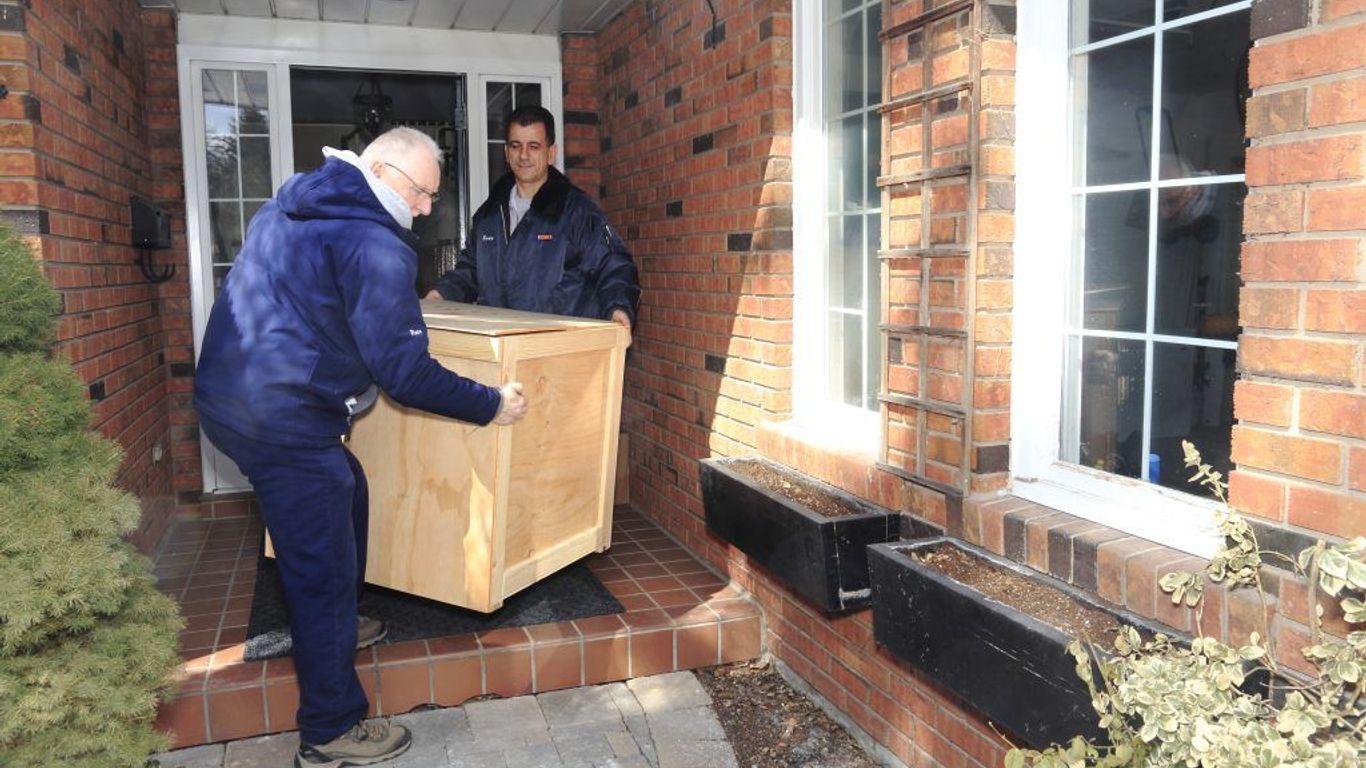
Moving across the country, or even just a few provinces over, is a big deal. It’s not just about packing boxes; it’s about planning a whole new chapter. When you’re moving long-distance within Canada, there are specific things you need to think about to make sure it all goes smoothly. This isn’t like moving across town. You need to be really organized.
Choosing the Right Moving Company in Canada
Finding a moving company that understands the ins and outs of long-distance moves in Canada is super important. You want a company that has experience with these kinds of moves, not just local ones. Look for companies that are upfront about their services and pricing. It’s wise to get quotes from at least three different companies before you decide.
Here’s what to consider when picking a mover:
- Experience: Do they specialize in long-distance moves within Canada?
- Reputation: Check reviews and ask for references. See what past clients say about their reliability and how they handle belongings.
- Services Offered: Do they offer packing, unpacking, storage, or special handling for fragile items?
- Insurance: What kind of coverage do they provide for your belongings during the move?
- Communication: How easy is it to get in touch with them? Good communication is key for long-distance moves.
Understanding Moving Costs and Quotes
Long-distance moving quotes can vary a lot, and it’s not always about the cheapest price. The cost is usually based on a few things:
- Distance: How far are you moving?
- Weight/Volume: How much stuff do you have? Some companies charge by weight, others by the space your items take up on the truck.
- Services: Packing, unpacking, and storage all add to the cost.
- Time of Year: Moving during peak season (summer) can be more expensive.
- Accessibility: Difficult-to-access locations for the moving truck might incur extra fees.
When you get a quote, make sure you understand exactly what’s included. Ask about potential extra charges. Some companies offer binding quotes (a fixed price) or not-to-exceed estimates, which can give you more certainty about the final cost. It’s helpful to have a clear idea of your budget before you start getting quotes. You can use a moving checklist to help you budget and plan.
What to Expect During the Moving Process
Once you’ve booked your movers, there’s still a lot to do. The process usually starts with a detailed estimate, either in-person or virtual. Then comes the packing, which can take days or even weeks depending on how much you have. On moving day, the crew will load your belongings onto the truck. The actual transit time can vary significantly based on the distance and any stops along the way.
After your items arrive at your new home, the movers will unload them. It’s a good idea to have a plan for where you want things to go in your new place. Some companies offer unpacking services, which can be a big help. Remember to confirm delivery dates and times well in advance, especially for longer distances. It’s also a good idea to have a small bag with essentials packed separately, so you have immediate access to things like toiletries, medications, and a change of clothes.
Moving across Canada means dealing with different provincial regulations and potentially longer transit times. It’s important to choose a mover that is experienced with these specific challenges and can provide clear communication throughout the entire journey. Don’t hesitate to ask questions about customs if you’re moving between provinces with specific regulations, though this is less common within Canada than cross-border moves.
Planning ahead is the name of the game. Having a solid relocation plan can make all the difference. Whether you’re moving to a vibrant city like Burlington, Oakville, or Hamilton, or somewhere else entirely, being prepared for the practicalities will make your transition much smoother.
Moving a long distance can feel like a huge task, but it doesn’t have to be overwhelming. Planning ahead is key to making sure everything goes smoothly. From packing up your belongings carefully to figuring out the best way to transport them, every step matters. Don’t let the distance stress you out; let us help you make your move easy and stress-free. Visit our website today to learn more about how we can help you with your next big move!
Wrapping It Up
So, you’ve read all about figuring out the right time to make that big move. It’s not a one-size-fits-all answer, right? Think about what feels right for you and your situation. Planning ahead is always a good idea, especially for a long-distance move across Canada. It gives you time to sort out all the details, pack up without a mad rush, and get everything lined up. Whether it’s a few weeks or a couple of months, giving yourself that buffer can make a world of difference. Ultimately, the goal is to get you settled into your new place feeling good, not stressed out. Take your time, plan smart, and you’ll be on your way to your new adventure before you know it.
Frequently Asked Questions
How long should a long-distance relationship last before moving?
There’s no magic number for how long you should be long-distance before moving. It really depends on your relationship. Some couples feel ready after a year, while others might need two or more. The most important thing is that you both feel secure, trust each other, and have talked a lot about your future together.
What are the signs that it’s time to move for a relationship?
You’ll know it’s time when you’ve both grown incredibly close, even with the distance. You should feel like you can talk about anything, handle disagreements well, and really trust each other. If you’re both excited and a little nervous about the idea of living together and see a clear path forward, that’s a good sign.
How important is communication in a long-distance relationship before moving?
Communication is super important! You need to talk openly about your hopes, fears, and what you expect from each other once you move. Discussing things like where you’ll live, jobs, and how you’ll handle daily life helps make sure you’re on the same page and reduces surprises later.
What if one person is ready to move before the other?
This is a tricky situation. It’s important to understand why each of you feels the way you do. Maybe one person has a job opportunity they can’t pass up, or the other feels anxious about leaving their current life. You need to have honest talks, maybe set a timeline, or explore compromises. Sometimes, it might mean waiting a bit longer.
How do finances play a role in deciding when to move?
Money is a big deal when moving. You need to think about the costs of moving your stuff, finding a new place, and setting up a new home. Both partners should be prepared financially, or at least have a solid plan for how you’ll cover these expenses together. This could mean saving up for a while before the move.
What are some common challenges couples face after moving for a relationship?
After moving, you’ll face new challenges like adjusting to living together 24/7, figuring out new daily routines, and maybe even dealing with missing your old friends or job. It’s also common to feel a bit of pressure to make the move ‘work.’ Remember to be patient with each other and keep talking through any issues that come up.
Leave a Comment