How Much Do Long Distance Movers Cost in 2026? A Comprehensive Guide

Moving your life across the country, or even just across the border, can feel like a huge undertaking. You’re probably wondering about the big question: how much do long distance movers cost? It’s not a simple number because so many things play a role. This guide is here to break down what goes into the price tag, what you can expect, and how to make sure you’re getting the best deal for your move.
Key Takeaways
- The cost of long-distance moving in Canada is usually based on the weight of your belongings and the distance you’re traveling. Other factors like the time of year and any extra services you need also affect the price.
- A moving quote typically includes the transportation of your items, basic insurance, and sometimes packing supplies. Always check what’s covered and understand the difference between binding (fixed price) and non-binding (variable price) estimates.
- Planning ahead is key. Booking your movers at least three weeks in advance is recommended to ensure availability and allow for proper planning. Expect a process that includes an initial estimate, scheduling, packing, loading, transit, and final delivery.
- Moving between Canada and the US involves extra steps like customs declarations and specific documentation. Make sure you know what paperwork is required for your cross-border relocation.
- Don’t just go for the cheapest quote. Focus on the overall value, considering the mover’s reputation, services offered, and how they communicate. A slightly higher price can often mean a smoother, less stressful move.
Understanding Long Distance Moving Costs
Moving your life from one province to another, or even just across a large distance within Canada, isn’t quite like moving across town. It involves a whole different set of considerations, and naturally, a different cost structure. When you’re looking at a long-distance move, the price tag can seem a bit daunting at first, but it’s usually based on a few key things that movers need to account for.
How Long Distance Moving Costs Are Calculated in Canada
So, how do moving companies actually figure out what to charge you for a big move across Canada? It’s not just a random guess, thankfully. Most companies look at a combination of factors to give you an estimate. The primary drivers are typically the weight of your belongings and the distance the moving truck needs to travel. Think about it – more stuff means a heavier load, which requires a bigger truck and more fuel. Longer distances obviously mean more time on the road, more fuel, and more logistical planning.
Here’s a general breakdown of what goes into the calculation:
- Weight of Shipment: This is a big one. Movers will often weigh your packed belongings to get a precise figure. The heavier your load, the more it costs to transport.
- Distance: The mileage between your old place and your new home is a direct cost factor. Moving from Vancouver to Halifax is going to cost more in fuel and driver time than moving from Toronto to Ottawa.
- Volume/Cubic Feet: Sometimes, especially for international or very large moves, movers might also consider the space your items take up in the truck.
- Time of Year: Moving during peak seasons (like summer or the end of the month) can sometimes be more expensive due to higher demand.
- Services Needed: Are you just getting a truck and movers, or do you need packing services, storage, or special handling for delicate items? These extras add to the total cost.
Factors Influencing the Price of Your Move
Beyond the basic weight and distance, several other things can nudge the final price up or down. It’s not just about how much stuff you have, but also how and when you’re moving it. For instance, if your home is difficult to access, like on a narrow street or up several flights of stairs without an elevator, movers might need more time and effort, which can affect the cost. The accessibility of both the origin and destination locations is something to consider. Also, think about your timeline. If you need your belongings at your new place by a specific date, that might require a more direct route or a dedicated truck, which can be pricier than a shared transport option. The type of moving service you choose also plays a role; a full-service move where the movers pack everything for you will naturally cost more than a DIY packing job.
Why Moving Quotes Can Vary Significantly
Ever get a few quotes and wonder why they’re so different? It’s a common experience, and it usually comes down to how each moving company operates and what they include in their price. Some companies might be more thorough in their initial assessment, leading to a more accurate quote, while others might give a lower estimate that could increase later. The quality of the moving crew, the type of equipment they use, and their overhead costs all factor into their pricing. It’s also about the level of service. One company might include basic packing materials in their quote, while another charges extra for them. Always ask for a detailed breakdown of what’s included in each quote to understand the differences.
It’s easy to get caught up in just the dollar amount when comparing moving quotes. However, the cheapest option upfront might not always be the best value in the long run. Hidden fees, unexpected charges, or lower quality service can end up costing you more in stress and actual money down the line. Taking the time to understand what each quote covers is really important.
Key Components of a Moving Quote
What Is Typically Included in a Long Distance Moving Quote?
When you get a quote for a long-distance move within Canada, it’s like getting a detailed breakdown of what you’re paying for. Most reputable movers will include the basics like the transportation of your belongings from your old place to your new one. This usually covers the labour involved in loading and unloading, as well as the actual drive. Some companies might also throw in basic packing supplies or offer packing services as an add-on. It’s always a good idea to ask what’s covered. You want to know if things like disassembly and reassembly of furniture are included, or if they charge extra for that. Also, check if insurance or valuation coverage is part of the deal. This is super important for protecting your stuff.
Weight-Based Versus Hourly Moving Costs
For moves within Canada, you’ll often see two main ways companies calculate their prices: by weight or by the hour. For local moves, charging by the hour is pretty common. The movers estimate how long the job will take and charge you accordingly. However, when you’re moving long distances, especially across provinces, the cost is usually based on the weight of your shipment and the mileage involved. This makes sense because the further they have to go and the more stuff you have, the more it costs them in fuel and time. Some companies might offer a “not-to-exceed” estimate, which is a good middle ground, meaning they won’t go over a certain price but might charge less if they finish faster. It’s good to understand which method your mover is using.
Here’s a quick look at how they generally work:
- Hourly: Best for local moves, predictable if you know how much you have and how long it might take. Price can fluctuate.
- Weight-Based: Standard for long-distance. The more your stuff weighs, the more you pay. This is often combined with mileage charges.
Understanding Binding Versus Non-Binding Estimates
This is a big one, and it’s where a lot of confusion can happen. A non-binding estimate is just that – an estimate. The final price can change based on the actual weight of your shipment, how long the move takes, or if there are unexpected issues. It’s like a ballpark figure. On the other hand, a binding estimate is a fixed price. What they quote you is what you’ll pay, no surprises, assuming the inventory of your belongings doesn’t change significantly. Some companies also offer a “binding not-to-exceed” estimate, which means the price won’t go up beyond the estimate, but it could be lower if the move is quicker or lighter than expected. Always clarify what type of estimate you’re receiving before you agree to anything. It’s wise to get these details in writing to avoid any misunderstandings later on.
When comparing quotes, don’t just look at the bottom line. Understand what services are included, how the price is calculated, and the type of estimate you’re getting. A slightly higher quote that’s binding and includes more services might actually save you money and stress in the long run compared to a cheaper, non-binding estimate that could end up costing more.
Planning Your Long Distance Relocation

Moving your life across the country, or even just across a few provinces, is a big deal. It’s not something you can just wing. Proper planning is key to making sure everything goes smoothly, from the moment you decide to move until your last box is unpacked. Think of it like preparing for a big trip – you wouldn’t just show up at the airport without a plan, right? The same goes for a long-distance move.
How Far in Advance Should You Book Long Distance Movers?
This is a question we get a lot. Honestly, the sooner the better. While some people might try to book a mover just a week or two before they need to move, that’s really cutting it close. The sweet spot for booking long-distance movers in Canada is generally at least three weeks in advance. This gives the moving company enough time to properly plan the logistics, schedule your move, and make sure they have the right resources available. If you’re moving during a busy season, like the summer months or around holidays, you might want to book even further out, maybe six to eight weeks ahead. It’s always better to have more time than not enough. You can check out a general moving checklist to help you stay on track [5abd].
What to Expect During a Long Distance Move
So, what actually happens when you book a long-distance move? It usually starts with an estimate, either in-person or virtual. Then, the moving company will work with you to set a date for packing and loading. On moving day, the crew will carefully pack your belongings, load them onto the truck, and then drive them to your new home. The delivery process can take a few days or even a couple of weeks, depending on the distance and the mover’s route. Communication is super important here; your moving company should keep you updated on the progress.
Here’s a general idea of the timeline:
- Estimate & Booking: As soon as you know your moving dates.
- Packing & Loading: Usually a day or two before your scheduled departure.
- Transit: The time your belongings are on the truck, traveling to your new location.
- Delivery: When your items arrive at your new home.
Remember, a long-distance move isn’t just about getting your stuff from point A to point B. It involves careful planning, secure packing, clear communication, and reliable execution. Don’t underestimate the details.
Choosing the Right Moving Company for Your Needs
Picking the right mover can feel overwhelming, but it’s worth the effort. You want a company that’s reliable, experienced, and transparent about their pricing and services. Look for companies that have good reviews and a solid track record, especially for long-distance moves within Canada. Don’t just go for the cheapest quote you find; consider the overall value and the quality of service. A company that communicates well and offers support throughout the process can make a huge difference. It’s also a good idea to ask about their insurance policies and what happens if something goes wrong. You can find more tips on selecting a mover by looking at a general moving checklist [1c29].
When you’re comparing companies, think about:
- Reputation: Check online reviews and ask for references.
- Services Offered: Do they offer packing, unpacking, or storage if you need it?
- Communication: How responsive are they to your questions?
- Pricing: Is the quote clear and detailed? Are there any hidden fees?
- Experience: Have they handled moves of similar distance and complexity before?
Navigating Cross-Border Moves
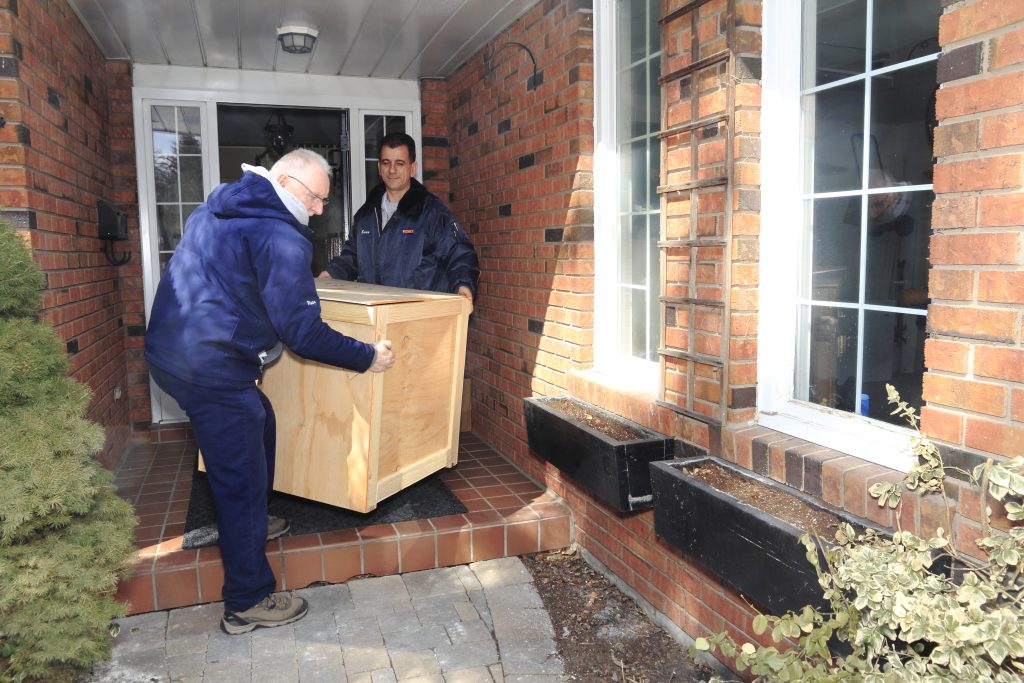
Moving your household from Canada to the United States involves more than just a longer distance; it’s a whole different ballgame with specific rules and paperwork. Think of it less like a really long drive and more like a mini-international move, even though it’s just across the border. Understanding these differences is key to a smooth transition.
Moving From Canada to the United States
When you’re packing up your life in Canada to start fresh in the U.S., there are a few extra steps to consider. Your moving company will need to be experienced with these types of moves. They’ll handle the logistics of getting your belongings across the border, but you’ll be responsible for making sure all the necessary documentation is in order. This often includes things like a detailed inventory of everything you’re bringing, proof of ownership for certain items, and potentially even information about your new life in the States.
- Inventory List: A detailed list of every item being moved, including its value. This is crucial for customs.
- Bill of Sale/Proof of Ownership: For items like vehicles or high-value goods, you might need documentation proving you own them.
- Customs Declaration Forms: These forms are required by both Canadian and U.S. border agencies.
International moving costs from the US can be quite high, and while this section focuses on moving from Canada, it’s good to be aware that cross-border moves have their own pricing structures. International moving costs from the US are estimated to be between $6,300 and $15,900 in 2026, and cross-border moves will fall within or near this range depending on the specifics.
Essential Documents for Cross-Border Relocations
Gathering the right paperwork is probably the most important part of a cross-border move. Missing even one document can cause delays or headaches at the border. Your moving company can guide you, but ultimately, it’s your responsibility to have everything ready.
- Passport or Enhanced Driver’s License: For identification purposes for everyone moving.
- Moving Company’s Bill of Lading: This is your contract with the movers and proof of shipment.
- Detailed Inventory: As mentioned, this is a must-have. It should list items, quantities, and estimated values.
- Customs Forms: Specific forms required by U.S. Customs and Border Protection (CBP).
Moving across the Canada-U.S. border isn’t just a longer version of a domestic move. It requires careful attention to documentation, customs regulations, and specific logistical planning. Companies experienced in these moves can make a big difference.
Understanding Customs and Border Processes
When your moving truck reaches the border, it will be subject to inspection. U.S. Customs and Border Protection (CBP) will want to verify that you’re not bringing in anything prohibited and that the goods declared match what’s in the truck. They have the right to inspect your belongings. Some items are restricted or outright banned, so it’s vital to know what you can and cannot bring. This is where having that accurate inventory list really pays off. Your moving company should be able to provide guidance on common restricted items, but it’s always best to double-check the official CBP guidelines. Understanding these elements will help you budget effectively for your overseas move.
Commonly restricted items include things like firearms, certain types of food, and large amounts of currency. It’s also important to be aware of any duties or taxes that might apply to certain goods, though household goods for personal use are often exempt if properly declared. The whole process can take time, so building some buffer into your moving timeline is a smart move.
Maximizing Value in Your Move
When you’re planning a long-distance move, especially across Canada, it’s easy to get caught up in just the price tag. But focusing solely on the cheapest quote can sometimes lead to more headaches and unexpected costs down the road. The real goal is to get the best value for your money, which means balancing cost with quality service and a smooth experience.
The Cheapest Quote Versus Best Value
It’s tempting, right? You see a quote that’s significantly lower than the others and think you’ve hit the jackpot. However, those super low quotes often come with hidden fees or a lack of essential services. Sometimes, a slightly higher quote from a reputable company that includes better packing, more comprehensive insurance, or a more reliable delivery window actually ends up being the more cost-effective option in the long run. Think about it: what’s the cost of damaged furniture or a delayed arrival when you have nowhere to stay?
- Hidden Fees: Always ask what’s not included. Things like packing supplies, stairs, long carries, or fuel surcharges can add up quickly.
- Service Quality: A cheaper mover might cut corners on staffing, equipment, or training, leading to a higher risk of damage or delays.
- Reliability: Companies with consistently higher prices often have better logistics and a proven track record of on-time deliveries.
The cheapest option might seem appealing at first glance, but it can often lead to more problems and higher expenses later on. It’s about finding a mover who offers a fair price for dependable service and clear communication.
Making the Most of Your Relocation Budget
Getting the best value isn’t just about picking the right mover; it’s also about how you prepare and what services you choose. A little planning can go a long way in keeping your costs down without sacrificing quality.
- Declutter Ruthlessly: The less you move, the less it costs. Go through your belongings and donate, sell, or discard anything you don’t truly need. This is especially important for long-distance moves where every pound counts.
- Pack Smart: If you’re packing yourself, do it carefully and use good quality materials. If you opt for professional packing, understand what’s included. Sometimes, packing just the fragile items yourself can save money.
- Timing Your Move: Moving during the off-season (typically fall or winter, avoiding holidays) can sometimes result in lower prices compared to the busy summer months. Booking your move well in advance can also help secure better rates.
Services That Offer the Best Return on Investment
Not all moving services are created equal, and some provide a much better return for the money you spend. Consider which services will give you the most peace of mind and prevent costly issues.
- Full Valuation Coverage: While basic insurance is often included, it might not cover the full value of your belongings. Full valuation coverage means the mover is responsible for replacing or repairing items that are damaged or lost, up to an agreed-upon amount. This is a key service for protecting your possessions.
- Professional Packing: If you have a lot of fragile items or simply don’t have the time, professional packers can save you stress and potential damage. They have the right materials and techniques to keep your items safe.
- Dedicated Move Coordinator: Having a single point of contact who can answer your questions, manage the schedule, and help resolve any issues can be incredibly valuable, especially for complex moves like those crossing provincial borders or the Canada-US line. This service helps prevent miscommunication and keeps the process on track.
Preparing for Your Moving Day
Moving day itself can feel like a whirlwind, but a little bit of preparation goes a long way in making it smoother. It’s the culmination of all your planning, and being ready can really cut down on stress.
What to Expect on Moving Day
On the big day, the moving crew will arrive, usually within the scheduled window. They’ll start by carefully wrapping your furniture and larger items to protect them during transit. You can expect them to systematically pack items from each room, loading them onto the truck. It’s a good idea to have a designated person from your household to oversee the process, answer any questions the movers might have, and do a final walkthrough of your home before the truck pulls away. This walkthrough is your last chance to spot anything that might have been missed.
Items That Cannot Be Loaded Onto Moving Trucks
There are certain things movers simply can’t take with them. This is mostly for safety reasons, as some items are flammable, explosive, or could otherwise pose a risk. It’s important to know these restrictions beforehand so you can make other arrangements.
- Flammable liquids and gases: This includes things like propane tanks, gasoline, paint thinner, and aerosol cans.
- Perishables: Food items that can spoil, like fresh produce, dairy, or frozen goods, should not be packed. They can attract pests and create a mess.
- Hazardous materials: This category covers a range of items, from certain cleaning supplies to ammunition and batteries that could leak or cause issues.
- Live plants and pets: While not always explicitly listed, movers generally cannot transport live plants or animals.
It’s always best to confirm the specific list of prohibited items with your moving company well in advance. What one company allows, another might not, especially when crossing borders.
Ensuring a Smooth Transition from Estimate to Delivery
Communication is key throughout the entire process, but it’s especially important on moving day and leading up to delivery. Make sure you have the contact information for your move coordinator and the trucking company. If you’re moving across the country, planning your long-distance relocation properly involves confirming delivery windows and understanding any potential delays. Having a clear understanding of the timeline and who to contact if issues arise will make the entire experience much less nerve-wracking. Remember, a well-prepared moving day sets the stage for a successful delivery and a fresh start in your new home.
Getting ready for moving day can feel like a lot, but we’re here to help make it smooth. Think about packing up your belongings and getting them to your new place without any stress. We can handle all the heavy lifting and tricky parts for you. Ready to make your move easy? Visit our website today to get a free quote and see how we can help!
Wrapping Up Your Long-Distance Move
So, figuring out the cost of moving across Canada can feel like a puzzle, right? We’ve looked at how things like distance, how much stuff you have, and the services you pick all play a part. Remember, the cheapest quote isn’t always the best deal in the long run. It’s really about finding a mover who offers solid planning, good communication, and reliable service to get your belongings from point A to point B without a hitch. Take your time, get a few quotes, and ask questions. A little effort upfront can save you a lot of headaches later on.
Frequently Asked Questions
How do moving companies figure out the cost of a long-distance move in Canada?
Moving companies in Canada usually calculate long-distance moving costs based on a few main things. The most important ones are how much stuff you have (its weight) and how far it needs to go. Think of it like this: the more your belongings weigh and the farther they travel, the more it will cost. They also consider if you need extra services like packing or special handling for certain items.
Why can the price quotes from different moving companies be so different?
Quotes can vary a lot because each moving company has its own way of doing things. Some might include more services in their basic price, while others charge extra for everything. The type of estimate they give you (like a fixed price or one that can change) also makes a big difference. Plus, some companies might be more experienced or have better equipment, which can affect their pricing.
What’s usually included when I get a quote for a long-distance move?
A typical long-distance moving quote in Canada often covers the transportation of your belongings from your old home to your new one. This usually includes the labor to load and unload the truck, fuel costs, and the actual moving truck. However, things like packing supplies, unpacking services, or storage might cost extra, so it’s always good to check exactly what’s in the quote.
How much time should I give movers before my long-distance move?
It’s a good idea to book your long-distance movers at least three to four weeks before your moving day. This gives the moving company enough time to plan everything properly and ensures you get your preferred moving dates. Booking further in advance is even better, especially if you’re moving during a busy season like summer or the end of the month.
What’s the difference between a binding and a non-binding moving estimate?
A binding estimate is a fixed price for your move that won’t change, as long as the amount of stuff you’re moving stays the same. A non-binding estimate, on the other hand, is just a guess. The final price could be higher or lower depending on the actual weight and services used. It’s usually best to aim for a binding estimate for more price certainty.
What items are usually not allowed on a moving truck for a long-distance move?
Moving companies can’t transport certain items because they can be dangerous or harmful. This typically includes things like flammable liquids (like gasoline or paint), explosives, perishable food items that could spoil, plants, and sometimes even certain cleaning supplies. It’s always smart to ask your moving company for a complete list of prohibited items before your move.
Leave a Comment