How to Move Long Distance: Your Ultimate Guide for a Smooth Transition
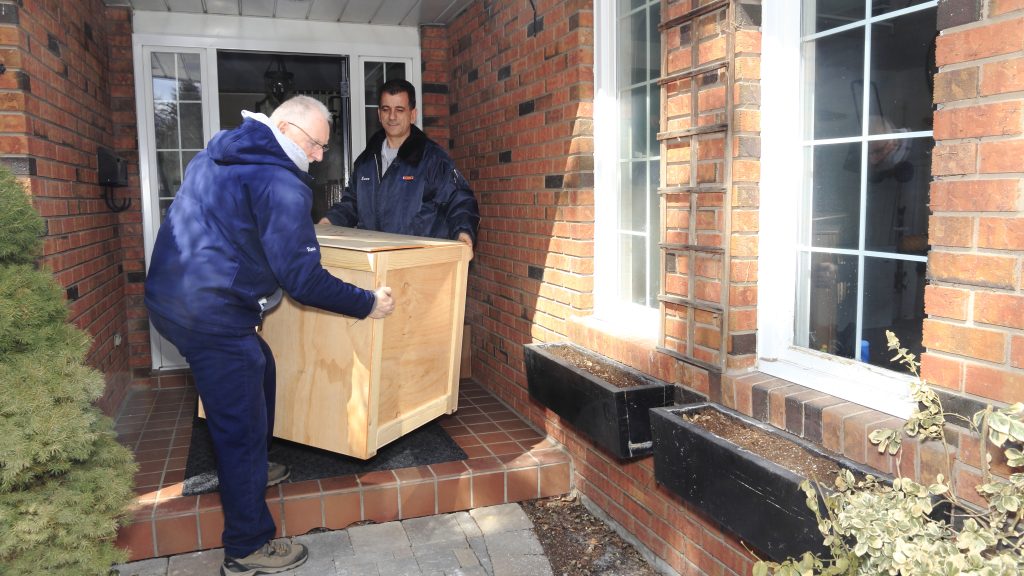
Moving your life across the country, or even just across a provincial border, can feel like a huge undertaking. It’s not just about packing boxes; it’s about planning, protecting your stuff, and making sure everything arrives safe and sound. This guide is here to break down how to move long distance, covering everything from figuring out the costs to actually getting your belongings to your new home without a hitch.
Key Takeaways
- Moving long distance in Canada has unique challenges compared to local moves, making careful planning super important.
- Understanding how moving companies calculate costs, whether by weight or hourly, helps you get a realistic quote and budget effectively.
- Choosing the right moving company involves looking beyond just the cheapest price to find a balance of value, reliability, and good service.
- Proper packing and insurance are vital for protecting your belongings during the long journey, especially for special items.
- For moves between Canada and the US, be prepared for extra paperwork, customs procedures, and specific rules for what you can bring.
Understanding How to Move Long Distance in Canada
Moving across Canada is a different beast than just moving across town. It involves more than just packing up your stuff and driving. You’re dealing with different provinces, potentially different regulations, and a whole lot more distance. The biggest difference? The sheer scale of it all.
Key Differences Between Local and Long-Distance Moves
When you move locally, say within the Greater Toronto Area, it’s usually a same-day affair. You can often see your movers, and if something goes wrong, it’s easier to sort out quickly. Long-distance moves, however, stretch over days or even weeks. This means more coordination, more potential for things to go awry, and a need for a much more detailed plan. Think about it: a move from Toronto to Vancouver isn’t just a longer drive; it’s a logistical puzzle involving significant mileage, potential overnight stops for the moving crew, and a different set of considerations for your belongings’ safety over such a long haul. It’s less about speed and more about careful execution.
Why Planning Matters for Cross-Province Relocations
Planning is absolutely key when you’re moving between provinces. You can’t just wing it. You need to think about:
- Timing: When do you need to be out of your old place, and when do you need to be in your new one? This is especially important if you’re selling a home and buying another, or if you have a new job start date.
- Logistics: How will your belongings get from Point A to Point B? Will you use a full-service mover, rent a truck, or use a container service? Each has its own pros and cons for a cross-Canada move.
- Budget: Long-distance moves cost more. You need to figure out how much you can spend and where that money will go.
- Documentation: While not as complex as international moves, you still need to keep track of important documents related to your move, like quotes and insurance.
Proper planning helps prevent those last-minute scrambles that lead to forgotten items or unexpected expenses. It turns a potentially chaotic event into a manageable process.
Common Challenges in Long-Distance Canadian Moving
Several things can make a long-distance move tricky. One of the biggest is cost variability. Quotes can differ wildly between companies, and unexpected fees can pop up if you’re not careful. Another challenge is scheduling. Popular moving times, like the end of the month or during summer, book up fast. You might not get your preferred dates if you don’t plan ahead. Then there’s the actual transit time; a move from Halifax to Victoria isn’t going to happen overnight. You need to factor in how long your belongings will be in transit and what that means for you. Finally, protecting your items over thousands of kilometers is a concern. Things can shift, get jostled, or be exposed to different weather conditions. This is why choosing the right moving company is so important for a cross-Canada relocation.
Cost Factors and Estimates for Long-Distance Moving
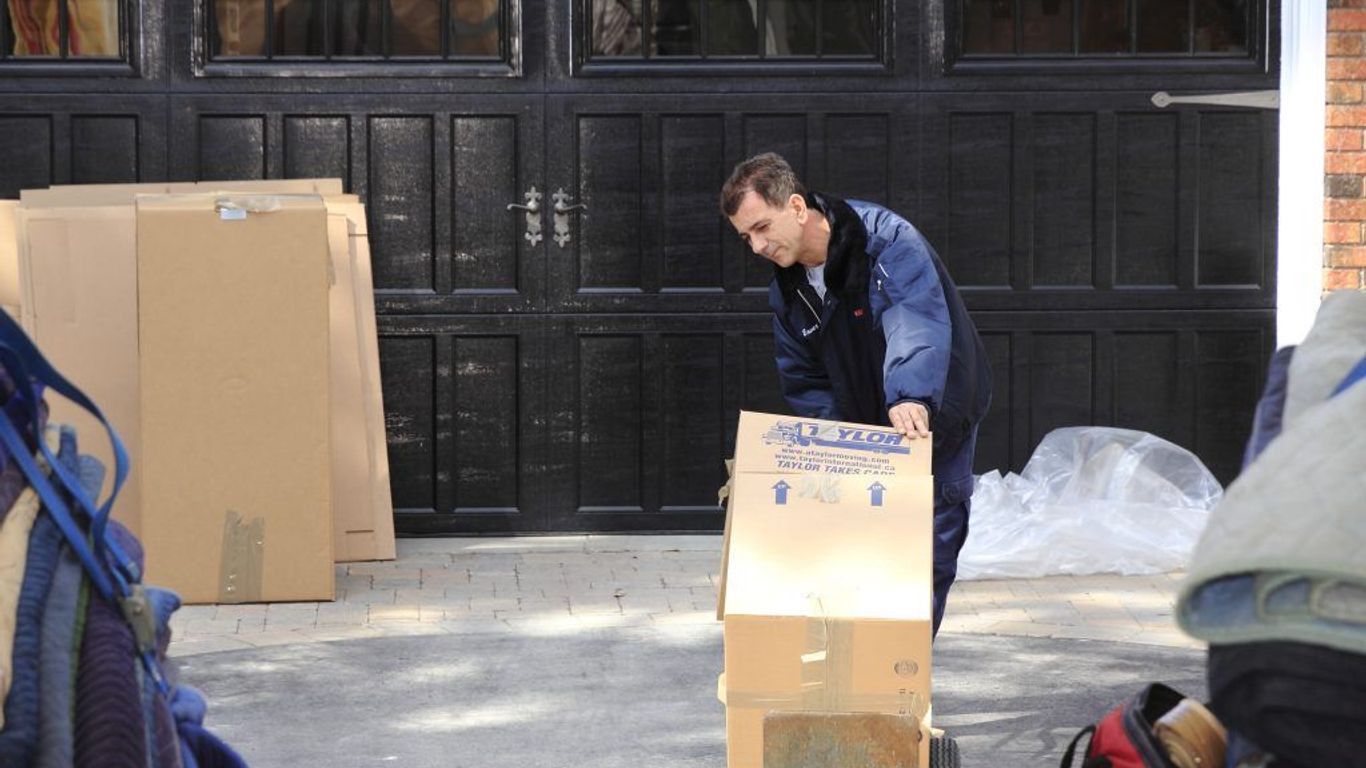
Moving across provinces can feel like a big undertaking, and figuring out the cost is often the first hurdle. It’s not as simple as just picking a number out of a hat. Several things play a role in how much you’ll end up paying to get your stuff from one end of Canada to the other.
How Long-Distance Moving Costs Are Calculated in Canada
When you’re moving long-distance within Canada, movers usually base their prices on a few key things. The distance you’re moving is a big one, of course. The further you go, the more fuel and time it takes. But it’s not just about the miles. The weight of your belongings is also a major factor. Heavier loads mean more fuel and potentially a bigger truck, which all adds up. The size of your home also plays a part – more stuff means more work and more space needed on the truck. Finally, the services you choose, like packing or unpacking, will affect the final price.
Comparing Weight-Based and Hourly Charges
For local moves, you might see hourly rates. But for long-distance moves in Canada, it’s almost always weight-based. This makes sense because the company needs to know how much they’re hauling. They’ll weigh your items, often at the origin and sometimes at the destination, to get an accurate figure. This weight is then used with the distance to calculate the cost. Some companies might offer binding estimates, which is a fixed price, or non-binding estimates, which can change. It’s good to understand which type of estimate you’re getting.
What to Expect in a Detailed Moving Quote
A good moving quote should be pretty clear about what’s included. You should see the estimated weight of your shipment, the distance of the move, and the rate per pound or kilogram. It should also break down any extra services you’ve requested, like packing supplies, special handling for fragile items, or storage. Don’t be afraid to ask questions if something isn’t clear. A detailed quote helps you compare different companies and avoid surprises down the road. Always get quotes from at least three different companies to compare.
Here’s a general idea of what influences the cost:
- Distance: The number of kilometers between your old and new homes.
- Weight: The total weight of all your packed belongings.
- Volume: Sometimes, especially for international moves, the space your items take up is considered.
- Services: Packing, unpacking, crating, disassembly/assembly of furniture.
- Timing: Moving during peak season (summer) or at the end of the month can sometimes cost more.
- Accessibility: Difficult-to-access locations at either end can add time and effort.
Understanding these cost factors is key to budgeting your move effectively. It’s not just about the sticker price; it’s about the value and services you receive for that price. A slightly higher quote might actually save you money in the long run if it means fewer problems and a smoother transition.
When you’re looking at quotes, remember that the cheapest option isn’t always the best. A company that provides a very low quote might be cutting corners on service or insurance, which could lead to more expenses later. It’s about finding a balance between cost and quality service. You can find more information on how long-distance moving costs are calculated in Canada.
| Factor | Description |
|---|---|
| Distance | Kilometers between origin and destination. |
| Weight | Total weight of your belongings. |
| Home Size | Number of rooms or estimated volume of items. |
| Services | Packing, unpacking, crating, storage, etc. |
| Time of Year | Peak seasons (summer) vs. off-peak seasons. |
| Insurance | Coverage for your belongings during transit. |
| Accessorial Fees | Charges for special services like stairs, long carries, or shuttle services. |
Selecting a Trusted Long-Distance Moving Company
Choosing a reliable long-distance moving company in Canada takes more than a quick Google search and picking the cheapest name you find. The stakes are higher when your belongings travel great distances or across provincial lines—so it’s worth investing time in picking a mover that treats your stuff (and your timeline) with care.
How to Evaluate Canadian Moving Companies
Before handing over your household to a company, take these steps:
- Check for accreditation and insurance. Reputable Canadian movers will have clear insurance details, professional memberships (like CAM), and positive records with consumer protection groups.
- Ask for references and read real customer reviews—not just the good but the bad. Long-distance moves don’t always go perfectly, so see how a mover handles problems.
- Check how they handle estimates. Do they offer in-home or virtual surveys to calculate costs based on your household’s actual weight and distance?
- Look for experience with moves similar to yours—especially if you have special items, need storage en route, or are moving to less common destinations within Canada.
Take your time comparing movers. Rushing into a decision can lead to headaches if things go sideways miles away from home.
Choosing Between Cheapest Quote and Best Value
It’s easy to be drawn in by low numbers, but the real cost of a move isn’t just what’s on the quote. The cheapest moving quote often hides risks that can cost you more later—like late deliveries, damages, or surprise fees.
| Criteria | Cheapest Quote | Best Value |
|---|---|---|
| Upfront Price | Lowest | Moderate-High |
| Insurance Coverage | Basic (or extra fee) | Usually robust |
| Planning Support | Minimal | Often included |
| Service Guarantees | Few | Many |
| Risk of Hidden Charges | Higher | Lower (if well written) |
Consider what matters most: Is it having your stuff arrive safely and on time? Is it having expert help with packing or tricky scheduling? Companies recognized for long-distance excellence, like best overall moving companies in Canada, may cost a bit more but deliver peace of mind and better outcomes.
Considerations for Scheduling Your Move
Scheduling is another big deal for long-distance moves in Canada. Movers’ calendars fill up—especially during summer or the end of each month, when demand spikes. Here’s what to keep in mind:
- Book well in advance. Three weeks is a good minimum, but for busy times, try for two months or more.
- Be clear about your must-have dates (for both pickup and delivery), but be ready for some flexibility. Good movers set realistic time windows instead of over-promising specific days they can’t control.
- Ask about their process if your preferred date isn’t available. Will they help find the next best slot? Do they communicate regularly to keep you in the loop?
The best moving companies aren’t just about muscle on moving day—they’re planners, communicators, and problem-solvers.
Making a smart choice now means way less stress when you’re already juggling a cross-province move. No company is perfect, but reliable movers make a difficult process easier—not harder.
Pro Tips for Packing and Protecting Your Belongings

When you’re moving long-distance across Canada, how you pack your stuff is a really big deal. It’s not just about getting things into boxes; it’s about making sure they arrive in the same condition they left. Think of it like this: your belongings are going on a long road trip, and they need to be prepped for it.
The right packing methods can save you a lot of headaches and potential damage.
Professional Packing and Crating Services
Sometimes, you just don’t have the time or the energy to pack everything yourself, especially when you’re dealing with a big move. That’s where professional packers come in. They’re trained to pack all sorts of items, from delicate dishes to bulky furniture, using the best materials and techniques. They know how to fill boxes so nothing shifts around, and they can wrap furniture to prevent scratches. It’s a service that can really take the pressure off.
For really valuable or fragile items, like artwork or antique furniture, professional crating might be the way to go. Movers can build custom wooden crates to give these items an extra layer of protection. It might cost a bit more, but for peace of mind with your most prized possessions, it’s often worth considering.
Insurance and Liability for Long-Distance Moves
Even with the best packing, accidents can happen. That’s why understanding insurance and liability is super important. Most moving companies in Canada offer some level of coverage, but it’s usually basic. This basic coverage often only pays out a small amount per pound, which might not cover the actual value of your items if something gets lost or damaged.
| Coverage Type | What it Covers | Cost |
|---|---|---|
| Basic Liability | Minimal coverage, usually a set amount per pound, regardless of item value. | Included (but limited) |
| Full Value Protection | Covers the replacement value of lost or damaged items. You choose a declared value. | Additional cost, based on declared value |
It’s a good idea to ask your moving company exactly what their standard coverage includes and what your options are for additional protection. You might also want to check if your home insurance policy offers any coverage for moves.
Handling Specialty Items and Restricted Goods
Some things just aren’t meant for a regular moving truck. Perishable items, like food that needs refrigeration, are a no-go because they can spoil and damage other belongings. Flammable materials, such as propane tanks or certain cleaning supplies, are also a safety hazard and are usually prohibited. You also can’t typically move pets in the moving truck; they need their own travel arrangements. It’s always best to check with your mover about what they can and cannot transport. You’ll likely need to arrange separate transport for things like pets or hazardous materials. For example, if you’re moving with pets, you’ll want to look into pet transport services that specialize in animal relocation.
Navigating Cross-Border Moves from Canada to the US
Planning a move from Canada to the US is nothing like a regular local move. You’ve got paperwork, customs, and a lot of details standing between you and your new home across the border. If you’re just starting to think about it, here’s what to expect and how to keep things on track.
Essential Documents for a Canada–US Move
Before packing your first box, make sure you know what paperwork is needed. Moving household goods between countries gets a lot easier if you have the right forms ready.
- Valid passports for every family member
- Proof of residency or visa for the US
- Detailed inventory of household goods (include descriptions and values)
- CBP Form 3299 (Declaration for Free Entry of Unaccompanied Articles)
- Receipts for new purchases that haven’t been used in Canada
Keep originals and a few copies handy. Don’t forget that pets, cars, and even some electronics might need extra forms.
Getting your documents together early can help prevent headaches at the border. It’s the single most effective thing you can do to reduce delays or additional questions on the big day.
How Customs and Border Processes Work
Once your moving truck heads for the border, it doesn’t just drive through. Canadian and US customs both have rules you’ll need to follow. Here’s how the basics look:
| Customs Step | What’s Involved |
|---|---|
| Vehicle arrival | Moving truck reaches the border and is inspected |
| Document review | Officers check your forms, ID, and moving inventory |
| Goods inspection | Belongings may be checked for restricted/prohibited items |
| Declaration of items | You must declare all new, valuable, or restricted items |
| Approval or hold | If all is clear, your items are released for entry into the US |
Always declare anything out of the ordinary. Declaring items like currency over $10,000, firearms, or certain plants and food is expected, or you could run into issues. For a detailed checklist, it’s smart to review established steps for Canada–US household moves.
Moving with Pets and Restricted Items
Your pet is part of the family, but rules for bringing them into the US are strict:
- Get recent vet records: Rabies certificate and proof of vaccinations are a must.
- Research breed or species restrictions: Not every pet is allowed entry; double-check requirements.
- Microchip info: Recommended for cats and dogs for easy identification.
Other restricted or prohibited items can include:
- Perishable food or seeds
- Firearms, ammunition, explosives
- Alcohol and tobacco beyond allowed limits
- Certain plants or soil
Many people are surprised by what has to stay behind. Check the full list of what you can and can’t bring to avoid last-minute surprises.
The border process can test your patience, especially if you’ve forgotten something small like a pet’s paperwork or a box of canned goods that’s not allowed. It pays to double-check restrictions well before your move.
Moving from Canada to the US is no weekend project. Being ready for customs, prepared with documents, and realistic about what can travel with you will make things much smoother. Take your time, start early, and don’t be afraid to ask for advice along the way.
Lump-Sum Relocation: Getting the Most from Your Moving Budget
So, your employer is giving you a lump sum for your move? That sounds great, right? It means you get to manage the funds yourself. But honestly, it can also feel a bit overwhelming. You want to make sure you’re spending it wisely and not ending up with unexpected costs. It’s like getting a gift card, but for your entire life packed into boxes.
How to Use a Lump-Sum Relocation Allowance Wisely
When you get a lump sum, it’s your responsibility to figure out the best way to use it. This means you’re in the driver’s seat for planning and booking. The goal is to get the most value without cutting corners that could cause problems later. Think about what’s most important to you. Is it having movers pack everything? Or maybe you’re okay with doing most of the packing yourself to save money for other things? It’s all about balancing your needs with the budget you’ve been given. You’ll want to compare different moving services and see what fits best. Sometimes, the cheapest option upfront can end up costing more if things go wrong. It’s a good idea to look into what’s typically included in these employee relocation packages to get a baseline.
Comparing DIY vs Full-Service Moving Options
This is where the big decisions happen. You can go the DIY route, which usually means renting a truck and doing all the loading and unloading yourself. This can save a lot of money, but it’s a ton of work and can be pretty stressful, especially for a long-distance move across provinces. On the other hand, you have full-service movers. They handle pretty much everything – packing, loading, transporting, and unloading. This is way more convenient, but it’s also the most expensive option.
Here’s a quick look at what each might involve:
- DIY Move:
- Rent a truck or container.
- Pack all your belongings yourself.
- Load and unload the truck/container.
- Drive the truck yourself.
- Unpack and set up your new home.
- Full-Service Move:
- Movers pack your items.
- Movers load everything onto their truck.
- Movers transport your belongings to your new home.
- Movers unload everything.
- Movers may offer unpacking services.
There’s also a middle ground, like hiring movers just for the heavy lifting or using a moving container service where you pack and load, but they transport it for you. Managed lump sums can give you more control over how you allocate these funds, letting you pick and choose services. Managed lump sums offer flexibility.
Stretching Your Relocation Budget Without Sacrificing Quality
Okay, so how do you make that money go further? First, get multiple quotes from different moving companies. Don’t just go with the first one you call. Ask for detailed breakdowns of what’s included in each quote. Sometimes, a slightly higher quote might include better insurance or more thorough packing, which could save you headaches down the road.
When comparing quotes, look beyond just the bottom line. Consider the mover’s reputation, reviews, and the level of service they provide. A cheap quote might seem appealing, but if it leads to damaged items or delays, it’s not a good deal.
Also, think about timing. Moving during the off-season (usually fall or winter, avoiding holidays) can sometimes be cheaper than during the busy summer months. And don’t be afraid to ask if there are any ways to reduce the cost, like packing some items yourself or choosing a delivery window that’s more flexible for the moving company. It’s all about smart planning and making informed choices.
Ensuring a Smooth Moving Day and Delivery Experience
Moving day itself can feel like the big finale, but it’s really just another step in the whole process. Getting your stuff from point A to point B without a hitch takes some serious coordination. It’s not just about the movers showing up; it’s about being ready for them and knowing what to expect when your belongings finally arrive at your new Canadian home.
Preparing for Moving Day in Advance
Think of moving day like a big event you’re hosting. You wouldn’t want guests showing up to a messy house, right? The same goes for your movers. A little prep work goes a long way. Make sure all your boxes are clearly labeled with their contents and the room they belong in at the new place. This makes unloading so much faster. Also, clear pathways through your home. Move any small furniture, rugs, or clutter that could get in the way. If you have kids or pets, arrange for them to be somewhere else for the day if possible. It just makes things less chaotic for everyone involved. Having a small bag with essentials – like toiletries, a change of clothes, phone chargers, and important documents – packed separately means you won’t have to dig through boxes right away.
Communication and Coordination with Movers
Good communication is key, especially for long-distance moves across provinces. Before the moving truck even pulls up, confirm the arrival time with your moving company. Discuss any last-minute details or potential issues. On moving day, designate one person to be the main point of contact for the moving crew. This person should be available to answer questions and make decisions. If there are any changes or unexpected delays, make sure the movers communicate them to you promptly. This helps manage expectations and reduces stress. It’s also a good idea to have a copy of your moving contract and inventory list handy. This way, you can refer back to it if needed.
What to Expect During Delivery and Unloading
When your belongings arrive at your new home, the process is essentially the reverse of pickup. The movers will bring your items into the designated rooms based on your labels. Take a moment to check the condition of your furniture and boxes as they are unloaded. Note any damage on the delivery receipt before signing it. This is important for any insurance claims later on. If you’ve opted for professional packing services, the movers will place items in their correct rooms. If you packed yourself, you’ll be doing the final placement. Don’t feel pressured to sign off immediately if you have concerns; take the time to do a quick walkthrough. The goal is to have everything placed where you want it, making the start of your new life in Canada a bit easier. For those moving heavy or bulky items, palletizing shipments can help with efficient delivery, and carriers often provide real-time tracking so you know exactly when to expect your goods real-time GPS tracking.
The final stage of your move is just as important as the first. Clear communication with your moving company, thorough preparation of your home, and a methodical approach to unloading will make a significant difference in how smoothly your moving day concludes. Remember, a well-organized delivery means you can start settling into your new Canadian home with less stress and more excitement.
Making sure your moving day goes smoothly and your deliveries arrive without a hitch is our top priority. We handle all the details so you can relax. Ready to experience a stress-free move? Visit our website today to get a free quote and learn more about our services!
You’ve Got This!
So, moving across the country might seem like a huge task, and honestly, it is. But with a solid plan and the right help, it doesn’t have to be a total headache. Remember to break it down, pack smart, and communicate with your movers. Whether you’re heading to a new city in Canada or crossing the border into the US, taking the time to prepare makes all the difference. You’ve got this – here’s to a smooth move and a great new start!
Frequently Asked Questions
How are long-distance moving costs figured out in Canada?
Long-distance moving costs in Canada are usually based on the weight of your things and the distance between your old and new home. Sometimes, companies also look at how many movers are needed or if you need extra services like packing or storage. Always ask for a detailed quote so you know what you’re paying for.
Why do moving quotes for long-distance moves change so much?
Moving quotes can be very different because each move is unique. Things like the time of year, how far you’re going, the size of your home, and any extra services you need (like packing or special item handling) all affect the price. Some companies might also offer different levels of service or insurance, which can change the cost.
What’s included in a long-distance moving service?
A typical long-distance moving service includes loading your things, transporting them to your new home, and unloading them. Many movers also offer packing, unpacking, and storage. Some companies provide extra help like moving pianos, special crating for fragile items, or even car transport. Always check what’s in your quote before you book.
How far ahead should I book my long-distance move?
It’s best to book your long-distance move at least three weeks before your moving day. The earlier you book, the more likely you’ll get your preferred date, especially during busy times like summer. Some companies can handle last-minute moves, but planning ahead gives you more options and less stress.
Can I pick the exact day for pickup and delivery?
Most moving companies try to match your preferred dates, but exact days for pickup and delivery can depend on things like distance, route, and how busy the schedule is. Good movers will give you a delivery window and keep you updated along the way. Communication is key, so make sure you talk to your moving company about your needs.
What items aren’t allowed on the moving truck?
Some things can’t go on the moving truck for safety reasons. These include perishable foods, fuel, paint, ammunition, liquids, batteries, propane tanks, aerosol cans, gas cans (unless empty), matches, oil, and pets. If you’re not sure about something, ask your mover before packing it.
Leave a Comment