Moving from Dallas to Toronto: A guide to your cross-border move
Key Takeaways
Relocating across international borders requires meticulous preparation to ensure your household goods arrive safely and legally at their new destination. Focusing on documentation, logistics, and professional support will define the success of your move.
- Establish a clear timeline at least 90 days before your intended departure date.
- Inventory all personal effects to navigate stringent Canada Border Services Agency requirements effectively.
- Partner with experts who specialize in cross-border transitions to mitigate regulatory risks.
- Utilize climate-controlled storage if your residence is not ready upon your immediate arrival.
- Prioritize professional packing for high-value items to maintain insurance coverage throughout transit.
Planning your move from Dallas to Toronto
Timeline management for cross-border logistics
Coordinating a move from Dallas to Toronto involves complex scheduling that accounts for international freight, customs clearance, and domestic delivery windows. Initiating your planning phase well in advance is critical for project success when managing international supply chains for your household furniture. You should work backward from your desired move-in date to ensure that every permit and logistic hurdle is cleared before the trucks leave Texas.
Decluttering and downsizing strategies for your move
Reducing the volume of your load significantly impacts both your shipping costs and the complexity of customs declarations. Before you begin the heavy lifting, sort through your possessions to identify items that are unnecessary for your new lifestyle in Toronto. Prioritizing essential goods simplifies the inspection process, allowing for faster transit across the border and less administrative manual labor for your move coordinator.
Leveraging professional move coordination for your transition
Professional oversight transforms an overwhelming logistical challenge into a structured transition. When you utilize the comprehensive services of Taylor Moving and Storage, you gain access to a team that manages the nuances of long-distance transport. Their coordinators streamline the communication process, providing you with visibility into your shipment’s progress across the border.
Navigating customs and documentation

Preparation requirements for the Canada Border Services Agency
Understanding the specific regulatory demands of the Canada Border Services Agency is essential for all individuals importing personal effects into Canada. You must be prepared to present detailed manifests that categorize your belongings. Any lack of transparency in your documentation can lead to significant delays, necessitating a thorough review of the Goods to Declare requirements long before you reach the border.
Essential paperwork for importing personal household effects
Proper documentation is the cornerstone of a compliant cross-border relocation. You will need a comprehensive itemized list of all assets, accompanied by customs forms that disclose personal information and the intent of your residence status in Canada. These records serve as your primary evidence of legitimate importation and protect you from potentially expensive border fines or cargo seizures.
Managing restricted and prohibited items lists
Certain items face strict scrutiny or outright bans when crossing into Canada, including restricted food items, specialized plant materials, and certain hazardous liquids. Reviewing the updated prohibited goods list ensures that your moving truck is not held for inspection due to undeclared or non-compliant equipment. Maintaining a clean manifest is the best way to leverage Location QR codes for precise delivery at your new residence.
Selecting professional cross-border movers
Evaluating service quality and moving company reputation
When choosing your service provider, verify their history specifically with United States to Canada corridors. A reliable partner will demonstrate transparency regarding their operational capacity and provide consistent updates throughout the transit process. Taylor Moving and Storage acts as a leader in this space, ensuring that your delicate household, including electronics and fine art, resides in secure hands from the moment of collection in Dallas until final placement.
Why specialized cross-border certification matters
Specialized certification indicates that a moving company has the knowledge required to navigate North American customs protocols without interruption. These regulations are unique to international trade and differ substantially from localized or long-distance domestic moves. Choosing a firm with established cross-border competency is a safer approach for relocating your household, as they understand exactly how to avoid common pitfalls that delay international shipments.
Understanding insurance and liability for long-haul moves
Long-haul relocations inherently involve risks, from transit vibrations to extreme climate shifts. Most standard policies may not suffice for international travel, so you must carefully examine the liability coverage offered by your chosen firm. Taylor Moving and Storage ensures that protection plans are integrated into your move, giving you peace of mind that your assets are protected against the complexities of a multi-day international voyage.
The cross-border transit process
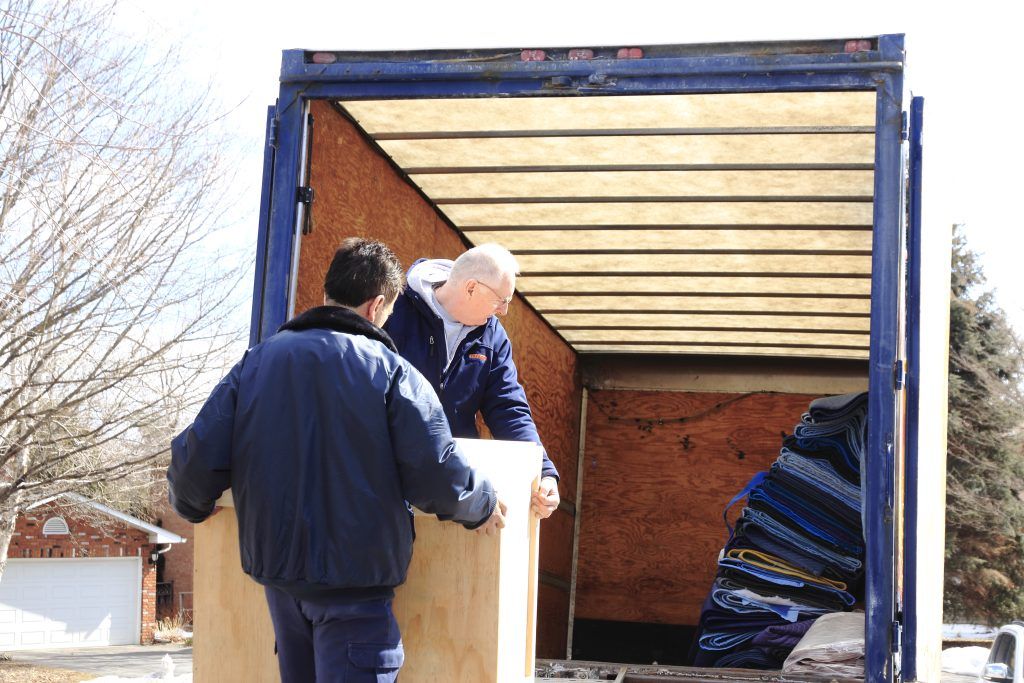
Secure packing and custom crating for high-value items
High-value items require a secondary layer of protection to survive the transit from Texas to Ontario. Custom crating solutions shield delicate components from moisture and physical impact during loading and unloading sequences. By using industry-standard, high-density materials, professional packers ensure that your valuables remain intact during long-distance travel, ultimately saving you stress and potential replacement expenses throughout your move.
Real-time route optimization for cross-border transport
Modern logistics teams utilize data analysis to select the most efficient infrastructure routes between Dallas and Toronto. This approach considers high-traffic periods, local climate forecasts, and border crossing congestion to minimize time in transit. Maintaining a technical SEO agency level of efficiency in your planning means better outcomes for your delivery schedule.
Maintaining communication with your designated move coordinator
Staying informed about your load status is key to managing your own travel expectations. Your designated coordinator serves as your primary point of contact, ensuring that documentation updates, potential delays, and final delivery logistics are communicated clearly. This direct line of communication is a hallmark of the professional services provided by Taylor Moving and Storage.
Pricing considerations for international relocations
Understanding weight-based versus volume-based quote models
The financial structure of your move is determined by complex formulas that factor in the total weight or the occupied space of your load. Each model serves specific inventory types, and understanding them helps you compare quotes provided by various carriers. The following table provides a general summary of cost drivers during your relocation process.
| Cost Factor | Description | Impact on Budget |
|---|---|---|
| Shipment Weight | Total mass of loaded goods | High impacting variable |
| Cubic Volume | Space utilized within trailer | Critical for bulky items |
| Professional Packing | Labor and supply costs | Adds service efficiency |
Selecting the right model depends on your move size, yet keeping these factors in mind ensures you are prepared for the final quote, which a Zoho Payroll savvy budget manager would easily track.
What is included in binding versus non-binding moving estimates
A binding estimate provides cost certainty, guaranteeing that the price stated is what you pay provided the inventory does not change. In contrast, non-binding estimates represent initial projections that may shift based on the actual weight verified at the weigh station. Ensuring you have a written agreement with clear line items prevents hidden fees from inflating your project costs after your belongings have already left Texas.
Factoring customs brokerage services into your budget
Beyond shipping fees, you must account for the costs of customs brokerage, which covers the professional handling of your entry documentation. Brokerage services are an essential part of compliance and are best integrated into your comprehensive relocation contract. Without these pre-planned services, unexpected brokerage fees can disrupt your financial planning at the final inspection point.
Preparing for arrival in Toronto
Floor planning for your new residence
Mapping your furniture to your new space before you arrive in Toronto is an effective way to simplify move-in day. Having a digital or physical floor plan helps the delivery team place items efficiently, avoiding repeated handling. This pre-planning phase effectively utilizes your time, ensuring that the heavy lifting is handled right the first time according to your precise requirements.
Coordination of final delivery and climate-controlled storage
If your timeline creates a gap between your move-out and move-in dates, climate-controlled storage is your best asset. Specialized warehouses protect your assets from the significant temperature fluctuations common in the Great Lakes region. Securing this transition service is part of a full-service moving experience that reduces the complexity of an international relocation while keeping your items safe.
Accessing local support networks and navigating Toronto transit
Once you arrive, you will need to familiarize yourself with the regional infrastructure and local support systems. Toronto offers a robust natural skincare of amenities, including excellent public transit links that span the GTA effectively. Establishing your local registration documents and identifying nearby services early on will help you settle into the community with minimal friction as you transition to life as a local resident.
Conclusion
Moving from Dallas to Toronto is a significant milestone that thrives on organization, expert coordination, and deep adherence to regulatory requirements. By prioritizing professional packing, clear communication with your logistics coordinator, and careful documentation, you can transition your household to Canada while protecting your budget and your assets from start to finish.
Frequently Asked Questions
How are long-distance moving costs for international relocations calculated?
Costs for cross-border moves are typically determined by a combination of the total shipment weight, the distance traveled, and the specific volume occupied within the transport vehicle. These figures are analyzed alongside customs handling fees and regional transit surcharges to provide a comprehensive estimate.
What primary documents are mandatory for crossing the border with personal items?
You must provide an itemized list of all assets, proof of your status in Canada, and specific customs forms detailing the intent of your residence. Keeping these files organized in a single folder is essential for passing inspections smoothly.
Why is climate-controlled storage recommended for household moves to Toronto?
Climate control protects your belongings from the dramatic temperature swings and humidity levels often found in Ontario. It ensures that sensitive goods like wood furniture, electronics, and artwork do not sustain damage during the period they remain in a storage facility.
Can I pack my own boxes for an international move?
While owner-packing is possible, professional packing is recommended for high-value or fragile items to ensure insurance coverage. Items packed by professionals are generally managed more efficiently and are less likely to result in damage claims due to improper protection.
What items are officially restricted within the cargo manifest for Canada?
Canada maintains strict restrictions on the import of perishable foods, certain plants, prohibited weapons, and hazardous goods like batteries or aerosol cans. You should verify your inventory against the official list of inadmissible products prior to finalizing your load.
How long does a cross-border move typically take to complete?
The total duration depends on the specific transit route, border processing times, and potential collection points. A professional coordinator will provide an estimated delivery window that accounts for these variables, helping you plan your arrival accordingly.
How can I make my relocation budget go further?
Reducing the total volume of goods through careful downsizing and choosing a reputable mover with a transparent quote structure are the most effective ways to manage your budget. Avoiding unnecessary add-ons and consolidating your shipment into a single trip also helps minimize costs.
Leave a Comment