Moving from Los Angeles to Toronto: a guide for a seamless cross-border relocation
Key Takeaways
Relocating across the border requires precise preparation to ensure your belongings reach Canada efficiently while meeting strict regulatory standards. Use these insights to streamline your transition and minimize common moving stresses.
- Start planning your move at least three months in advance to secure preferred dates.
- Secure precise documentation for your household goods to ensure smooth customs clearance.
- Organize your inventory early to decide what is worth shipping versus what you should replace in Toronto.
- Research the specific restricted item lists for both the United States and Canada to avoid transport issues.
- Engage an expert move coordinator to manage customs-aware logistics and support your transition from the first step to the final delivery.
Planning your move from Los Angeles to Toronto
Identifying your moving timeline
Moving across international borders demands a structured approach, starting with a clear timeline that accommodates both domestic logistics and regulatory requirements. We recommend identifying your target departure date at least twelve weeks out, giving you enough breathing room for paperwork, home surveys, and logistics booking. Establishing this baseline early allows you to align your departure with work start dates or lease beginnings in Canada, creating a more settled experience at your new destination.
Budgeting for a long-distance cross-border relocation
Budgeting for a major international relocation requires looking beyond the base transport costs to account for variable factors like fuel surcharges, potential storage needs, and customs handling fees. It is easy to overlook smaller costs such as professional packing materials, temporary accommodation, or insurance, which can accumulate during a long-distance move. By tracking every anticipated expense, you avoid surprises and ensure that your relocation budget prioritizes the services that add the most value to your transition.
Inventory assessment and downsizing strategies
Before you pack a single box, conduct a thorough inventory assessment to determine which items justify the cost of international freight versus those that are better off left behind. Consider the utility of your current furniture and household goods in a typical Toronto apartment, which may differ significantly from the layout of a Los Angeles home. Downsizing not only reduces your shipping footprint but can also save you significant money in logistics fees, making your move more efficient and sustainable.
When to book your professional international movers
Booking your team three to six weeks in advance is an ideal window for most moves, but high-demand months may require earlier reservations. Booking early secures your place in the carrier’s calendar, which is critical when navigating international logistics where timing is tied to consolidation schedules. We suggest reaching out for moving quotes as soon as you have defined your move window to guarantee reliable service for your transition.
Understanding cross-border logistics and documentation
Required paperwork for moving household effects
Proper documentation is the bedrock of a successful cross-border move, as your shipment will be subject to thorough review at the border. You must prepare a detailed inventory manifest, including the estimated value of all items, alongside personal identification and relevant visa documentation. Missing or inaccurate paperwork frequently leads to significant processing delays or, in some cases, the refusal of your goods at the border, making thorough preparation your top priority.
Navigating customs procedures at the US-Canada border
Customs procedures for household goods require a precise approach to ensure your shipment enters Canada without unnecessary complications. You will need to present an accurate, itemized list of your goods, often categorized by room, to help customs officials perform their duties efficiently. Working with cross-border movers who are familiar with specific US-Canada corridor protocols can drastically reduce the confusion often associated with these administrative hurdles.
Managing visa and residency documentation for your move
Your legal status in Canada directly dictates the tax implications and paperwork requirements for importing your personal goods. Whether you are moving under a work permit, a student visa, or as a permanent resident, you must have your official approval documents readily accessible for inspection. Keeping these documents physically handy—rather than packed inside a crate—ensures that border personnel can verify your status without stalling your logistics.
The role of a dedicated cross-border move coordinator
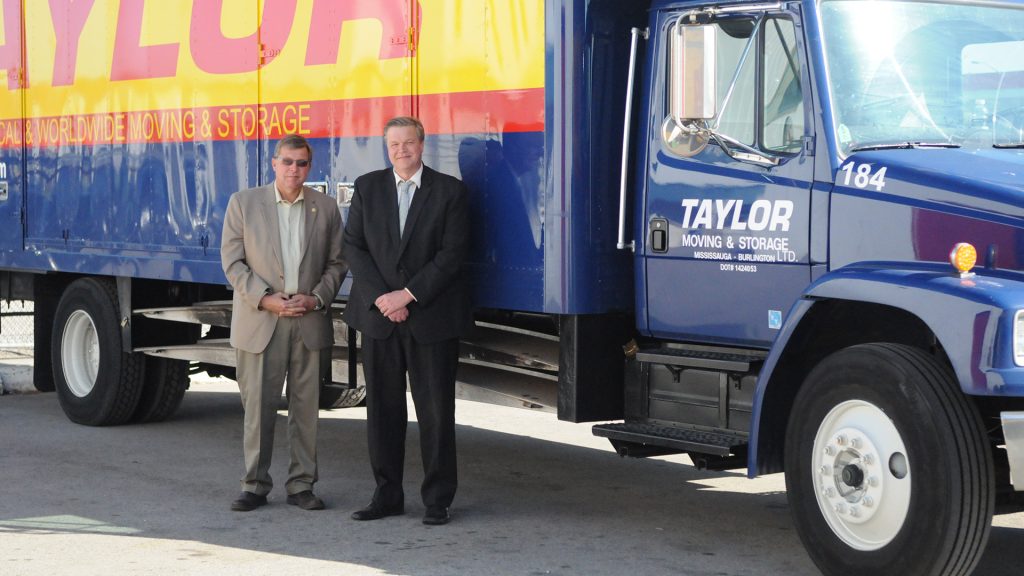
Taylor offers a quality-first process defined by expert service and clear communication, which includes access to a dedicated moving coordinator. This professional acts as your single point of contact, helping you navigate the complex web of cross-border customs requirements that often leave independent movers in a lurch. By leaning on a coordinator, you simplify the process of coordinating containers and customs, effectively transforming the headache of international transit into a managed project.
What to include in your shipment and what to leave behind
Items that are restricted or prohibited across the border
Knowing exactly what can safely cross the border is essential for avoiding failed clearance, as certain items are heavily restricted or entirely prohibited in Canada. Goods like hazardous materials, certain types of firewood, and specific agricultural products belong on your "do not pack" list. Most of our cross-border relocations clients are surprised to learn that even common household cleaners might trigger special handling requirements during the inspection phase.
Handling perishable goods and hazardous materials
Perishables and dangerous goods such as batteries, propane tanks, and volatile fuels are non-starters for professional interstate or international transport. These items must be cleared out or properly disposed of before your moving truck arrives, as they pose safety risks and violate international shipping regulations. If you discover these items during your packing phase, opt to donate, sell, or discard them at a local Los Angeles disposal facility rather than risking the integrity of your entire shipment.
Shipping high-value items and climate-sensitive goods
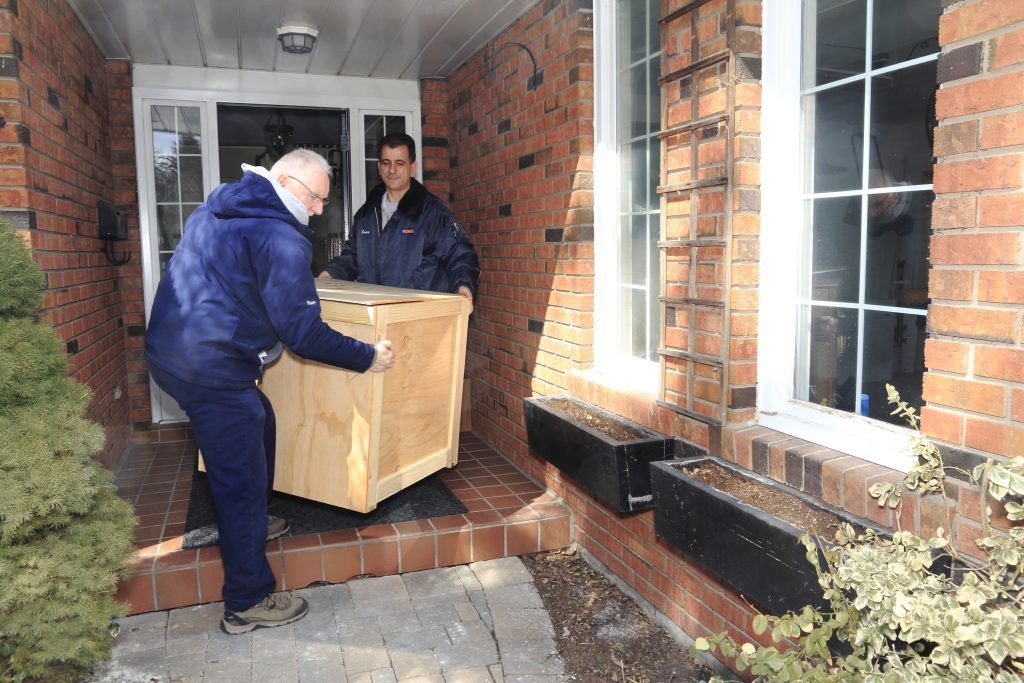
For valuable antiques, instruments, or climate-sensitive collections, standard packing methods may fall short of the protection required for a multi-day journey. Custom crating solutions offer an extra layer of structural protection and shock absorption to prevent damage during the transit process. If you possess delicate glass or highly valued family heirlooms, specialized packing techniques are not just a luxury; they are a necessary measure to ensure these items reach Toronto in their original condition.
Professional packing and crating for long-haul transport
Professional packing teams provide the security and organization needed for safe long-distance transit, while also helping you optimize the space within your shipping containers. Utilizing trained packers protects fragile goods, reduces potential claims, and usually results in a more organized move-in process on the other end. Consider the following breakdown of common packing categories often used by our teams:
| Item Category | Packing Strategy | Priority Level |
|---|---|---|
| Fragile Kitchenware | Wrapped in high-grade bubble filler | High |
| Electronics | Static-shielded and custom crated | High |
| Books & Media | Heavy-duty small cardboard boxes | Medium |
| Clothing & Linens | Wardrobe boxes for wrinkle prevention | Low |
After your items are safely secured in these specialized packages, the remaining space is efficiently managed by your coordination team.
Calculating the costs for a Los Angeles to Toronto move

Fixed versus variable pricing models
International logistics providers often utilize different pricing strategies, with fixed costs covering your base transit and variable costs adjusting based on real-time factors like weight or specific documentation needs. Understanding the difference helps you compare estimates accurately and plan for potential fluctuations in your final invoice. It is always wise to clarify whether a quote includes insurance and customs handling fees upfront while you are still reviewing potential moving partners.
How distance and shipment weight impact your final quote
Cost calculations for cross-border moves are heavily influenced by the total weight of your goods and the distance they must travel from Los Angeles to Toronto. Because these logistical corridors specializing in shipping across borders involve complex fuel and labor coordination, every hundred pounds removed from your load directly translates to a lower variable cost. Our teams often find that customers who take the time to downsize see a significant reduction in their total bill compared to those who ship their full, unedited inventory.
Comparing moving quotes for accuracy and transparency
When you receive multiple estimates, check them carefully for parity in the services bundled within each quote. A lower price might exclude the very items you expect, such as professional packing or heavy-duty international insurance coverage. Always ask for a clear, written breakdown of every fee, including potential customs administrative charges or currency conversion adjustments, to ensure that the quote you hold is truly reflective of your upcoming transition.
Avoiding common hidden fees in international logistics
Hidden fees in the moving industry often stem from unexpected factors like long-carry surcharges at either residence, container storage fees during customs delays, or additional crating requirements for specialized items. To mitigate these risks, keep your move coordinator updated on any changes regarding your access at the destination or any additions to your inventory. We follow a strict process of early communication to identify these potential variables, ensuring you remain informed throughout the planning phase.
Why choose Taylor for your cross-border relocation
Our quality-first process and communication standards
Taylor supports Canada-US moves with a quality-first process, customs-aware coordination, and strong communication from initial estimate through delivery. We believe that your move is more than just shipping items; it is a complex logistics project that requires transparency and discipline. Our team prioritizes consistent updates, so you never feel out of the loop while your belongings traverse the thousands of miles between California and Ontario.
AI-augmented logistics for efficient route optimization
We utilize advanced technology to streamline the movement of your assets, ensuring your belongings take the most efficient paths possible. This tech-forward approach allows us to analyze travel trends and optimize each route for safety and reliability. By applying these digital tools to the reality of road travel, we ensure that your property is monitored effectively throughout the entire long-distance corridor.
Flexible quoting options and moving coordination support
Providing flexibility in our service structures allows you to tailor your move based on your specific requirements rather than choosing a rigid, one-size-fits-all package. Should you require additional help with documentation or specific logistics planning, our support team remains ready to adapt to the unexpected demands that often arise during an international move. We focus on giving you choices that protect both your budget and your peace of mind.
Our secure, climate-controlled storage solutions for transition periods
Taylor offers secure storage units that ensure your belongings are protected while you navigate the logistical gap between Los Angeles and Toronto. If your new home is not ready, having immediate access to a climate-controlled environment prevents the degradation of sensitive electronics and furniture that might otherwise occur. Our storage solutions are specifically designed to sustain inventory safety during these bridge periods, providing a reliable safety net for your property.
What to expect during the delivery process
Tracking your items from pickup to arrival
Throughout the journey, you can rely on our communication discipline to keep you informed of your shipment status as it clears customs and moves toward the GTA. While the transit time depends on factors like clearing delays, we provide updates that allow you to prepare your arrival schedule accordingly. Keeping tabs on your progress takes the mystery and stress out of the long transit, allowing you to settle into your new home with clarity.
Preparing your new home in Toronto for delivery
Successful delivery starts at your new residence, where early preparation makes the final unloading phase significantly faster and safer. Ensure all hallways and entry points are clear and that you have reserved any necessary parking space for a large moving truck well in advance of the scheduled date. Being intentional about the physical layout of your new space will allow our crews to unload items directly into their proper rooms, saving everyone time and energy.
Managing unloading and assembly at the destination
Unloading is a coordinated team effort where our professionals handle the placement of your furniture based on your preferences. We ensure that delicate items are positioned carefully and that larger furniture pieces are assembled correctly for immediate use. Following the plan established during your pre-move walkthrough ensures that the chaos of arriving in a new city feels immediately contained and under control.
Resolving post-move support and final walkthrough tasks
Once the last box is inside your Toronto home, conduct a final walkthrough to confirm that every element of your inventory has been accounted for and positioned as intended. Verify that your furniture was reassembled properly and that your belongings survived the long haul without incident. Should any questions arise after the team departs, our support staff remains available to verify your documentation and ensure your move ends with the same high quality that characterized the planning phase.
Conclusion
Moving from Los Angeles to Toronto is a significant milestone that relies on meticulous coordination and expert logistical support, but with the right planning, it results in a successful fresh start. By prioritizing documentation accuracy, downsizing carefully, and partnering with experienced professionals who understand cross-border nuances, you can navigate this complex journey with confidence and arrive in your new home ready to start your next chapter.
Frequently Asked Questions
What documents do I need for a Canada-US move?
You will generally need your passport, valid visa or work permit documentation, a detailed inventory list with item values, and proof of your residency status to clear customs efficiently.
What can I bring across the border when I move?
You are typically allowed to move your personal household goods duty-free, but you must declare them and provide a complete inventory to customs officials upon your arrival.
What items are restricted or should be checked in advance?
Certain items like food, plants, restricted chemicals, and specific types of equipment are subject to strict border regulations and should be cleared well before your moving date.
How long does a cross-border move take?
Transit times can vary based on distance, customs processing speed, and consolidation, but most moves on this route are planned to take several weeks from packing to final delivery.
How do active visas affect the move process?
Your visa status determines your ability to legally import household goods without payings duties, so having your physical permit ready to show at the border is absolutely vital.
What happens if customs paperwork is incomplete?
Incomplete or inaccurate paperwork often leads to the impounding of your shipment, potential fines, and significant delays that complicate your arrival schedule in your new city.
Can I transport my vehicle across the border during the move?
Moving a vehicle involves unique registration and inspection requirements that are separate from household goods, so verify these specific transport rules through official government channels before finalizing your plans.
Leave a Comment