Moving from New York to Toronto: A complete cross-border guide

Key Takeaways
Transitioning across international borders requires meticulous preparation and a thorough understanding of customs. These five points summarize essential elements for a successful move from New York to Toronto:
- Ensure you obtain and fill out all necessary customs documentation well in advance of your crossing date.
- Categorize your inventory into household goods and professional equipment to simplify duty calculations at the border.
- Partner with a specialist who understands the unique regulatory environment of the Canada-United States corridor.
- Plan your budget around variable costs such as weight, distance, and specialized storage requirements.
- Leverage professional support for unpacking and administrative coordination to facilitate a smoother arrival in the GTA.
Understanding the unique requirements of New York to Toronto moves
Crossing the border between the United States and Canada is a major undertaking that demands more than simple logistics. For residents moving to the Greater Toronto Area, this relocation involves strict adherence to federal regulations and tax statutes. Managing these variables requires a proactive approach to international relocation to ensure all legal and logistical bases are covered before your goods ever leave New York.
Border crossing documentation and customs requirements
Customs clearance involves providing detailed inventory lists for everything contained in your shipment. Isaac’s Moving & Storage provides guidance on these filings, but you remain responsible for the accuracy of your declarations.
Determining your residency status for tax and legal purposes
Before you relocate, confirm your status with the Canada Revenue Agency to avoid unexpected fiscal penalties. Understanding Loblaw Companies and other corporate structures might help if you are moving for employment, but your personal tax situation requires independent verification.
Differences between interstate and international moving logistics
Unlike moving between states, international moves involve strict border security protocols. You must account for potential delays, inspections, and specific vehicle requirements that differentiate this journey from typical long-distance shipments within the US.
Planning your move from New York to Toronto

Developing a clear strategy is critical for a smooth transition from New York to Toronto. You should initiate your planning phase at least three months before your projected move date to secure capacity on the correct transit lanes. A well-constructed timeline acts as the foundation for both your budget and your peace of mind.
Establishing an accurate moving timeline
Successful relocations rely on a structured calendar that encompasses packing, documentation review, and final transit dates. Whether researching companies that provide international moving services or coordinating with your current landlord, timing serves as the primary driver of cost stability.
Declaring household goods versus professional equipment
Customs officials distinguish sharply between personal household effects and equipment intended for income-generating activities. Keep these categories strictly segregated to prevent administrative backlog at the border.
Coordinating pickup in the US and delivery in the GTA
Logistics across these regions require specialized equipment that can handle different regulatory requirements in New York and Ontario. The following table outlines standard planning phases for your move:
| Process Stage | Primary Action | Timeline Goal |
|---|---|---|
| Initial Assessment | Audit all current assets | 90 Days Pre-move |
| Documentation Prep | Gather customs/visa forms | 60 Days Pre-move |
| Logistic Booking | Confirm transit company | 45 Days Pre-move |
Properly mapping your logistics helps you navigate potential hurdles, such as the peak shaving and load shifting energy protocols that might impact temporary storage facilities if you choose to store goods before final delivery.
Navigating customs procedures as a household
Entry into Canada is governed by specific regulations that apply to all arriving goods. Navigating these requirements effectively is what separates a seamless relocation from one that is fraught with border delays.
Required paperwork for Canadian residency and immigration
You must present valid passports and immigration permits for all family members. For those requiring specific guidance on document preparation, Elate Moving provides comprehensive international shipping support.
Managing restricted and prohibited items
Certain items, including specific plants, vehicles, and firearms, face intense scrutiny or outright bans. Review the current restricted goods list provided by the Canada Border Services Agency for a detailed breakdown of items you must leave behind.
Handling the duty and tax implications of imported household goods
Most personal effects are exempt from duty if you are relocating for the purpose of primary residency. However, you must accurately declare these items as "settler’s goods" at the moment you reach the border crossing point.
Choosing the right cross-border moving company
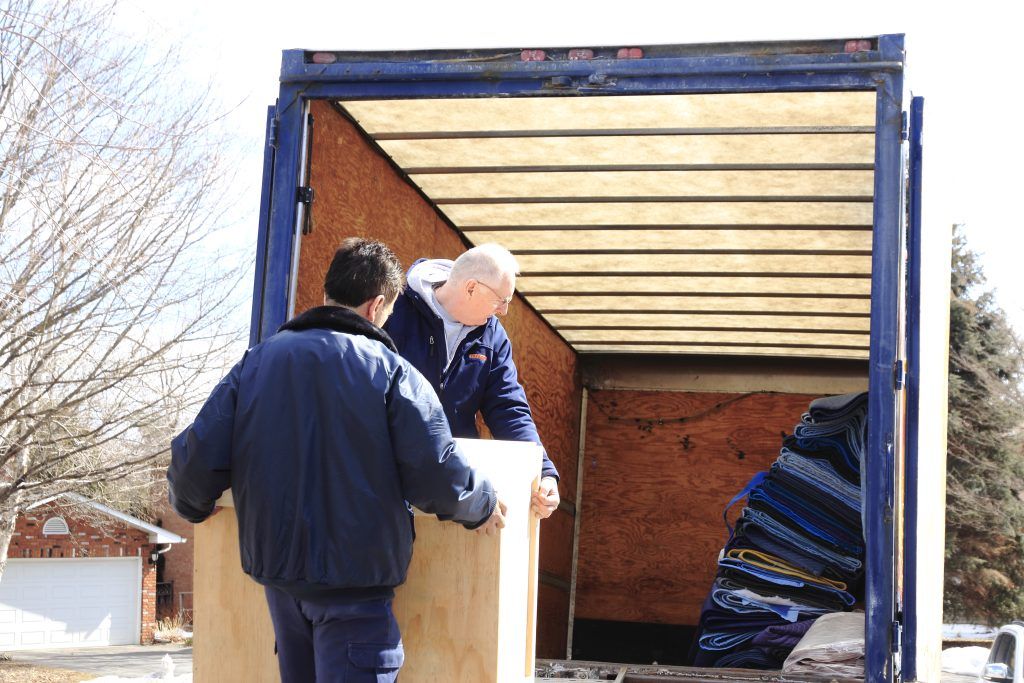
Selecting a partner for this move is a high-stakes decision that dictates the safety and efficiency of your relocation. Because regulations change frequently, you need a firm that prioritizes transparency throughout the entire international process.
Verifying carrier authority for international transport
Always ensure that your chosen provider possesses the correct US-to-Canada carrier credentials. Using a firm like Ship Smart allows you to focus on getting a quote while professionals manage the complexities of international transit compliance.
Evaluating experience with Canada-US cross-border lanes
Experience matters when dealing with border patrol and regional customs agents. You should verify that your prospective team has specific, verifiable history on the New York-to-Toronto route.
Comparing full-service options like professional packing and crating
When hiring a full-service team, consider the following benefits that usually improve the safety of your shipment:
- Professional crating for high-value artwork or glass furniture.
- Specialized packing supplies designed to survive long-haul international transport.
- Inventory tracking that provides real-time updates across the border.
- Climate-controlled storage solutions for sensitive heirloom items.
Regardless of your final choice, the team must offer clear communication channels that remain open from the moment of pickup to the final unpacking at your Toronto address.
Estimating costs and logistics for international transport
International moves carry unique costs that fluctuate based on global transit demand. Price transparency is essential to avoid surprises during your project.
How weight, volume, and distance influence pricing
Transporters base their initial estimates on the total weight and cubic volume of your belongings. These metrics are then adjusted for the total mileage from your specific New York location to your new home address in Toronto.
Factors that cause price fluctuations in cross-border moves
Currency conversion rates, fuel surcharges, and customs processing fees often affect final pricing. Ensure your quote includes a comprehensive breakdown of potential variables.
Budgeting for extra services: storage and climate-controlled facilities
If you find yourself with a gap between closing on your sale in New York and receiving keys in Toronto, seek out luxury vacation rental support or local climate-controlled storage to protect your assets.
Settling into your new life in the Greater Toronto Area
Arriving in Toronto marks the beginning of an exciting chapter, but the logistics of moving in do not end at the Canada-US border. Once your goods arrive in the GTA, you need local experts to finish the placement and assembly of your life.
Finding reliable residential movers within the GTA
Once your belongings clear customs, you need local experts familiar with the layout of neighbourhoods like Liberty Village or Yorkville. Taylor International provides the necessary local presence to ensure your transition into the region is professional and seamless.
Navigating regional geography: Toronto, Hamilton, and Burlington
Understanding the layout of the Golden Horseshoe is vital for your commute and social life. Use the same attention to detail you used for the international crossing to manage your local transitions around the lake.
Utilizing local support for efficient unpacking and community integration
Take advantage of local service providers to assist with the final setup of your new home. Whether you need help with technical installations or just local advice on regional amenities, having a reliable support system makes the final mile of your journey easier.
Conclusion
Successfully relocating from New York to Toronto requires a commitment to planning and a rigorous approach to compliance. By partnering with experienced teams like Taylor International and keeping a clear focus on documentation and timelines, you can effectively manage the stresses of cross-border relocation, allowing you to move confidently into your new home in Canada.
Frequently Asked Questions
Do I need a visa to move my household goods to Canada?
While household goods may travel under specific customs exemptions, your ability to legally reside in the country depends entirely on your valid work, study, or permanent residency status. Ensure your immigration papers are separate from your moving documents.
Are there specific restrictions for moving plants across the border?
Yes, agricultural products are subject to strict regulation and inspection by the Canadian Food Inspection Agency. It is generally advisable to avoid transporting live plants across the border to prevent quarantine or seizure.
How long does a typical cross-border move take?
International moves vary depending on customs processing times, distance, and transit volume, but most household relocations span several weeks. Work with your moving coordinator to establish a realistic delivery window.
What happens if my customs paperwork is incomplete?
Incomplete documentation is the leading cause of shipment delays at the border. Your goods may be held in a bonded warehouse until you can rectify the documentation, which could incur unexpected storage charges.
Can I move my car along with my household items?
Vehicle importation involves a different set of federal regulations and taxes than household goods. You must declare the car and ensure it meets Canadian safety and emissions standards before it can be registered at your destination.
Why do quotes from different movers vary so much?
Quotes reflect variations in service scope, including insurance coverage levels, the quality of packing materials, and the inclusion of administrative assistance for customs. Always verify what is included in the base rate.
What payment methods are commonly accepted for international moves?
Most reputable firms accept a variety of payment methods, including credit cards and wire transfers. Confirm the acceptable forms of payment with your specific moving company well before the pickup date.
Leave a Comment