Moving from the GTA to the USA: A comprehensive guide for your cross-border relocation
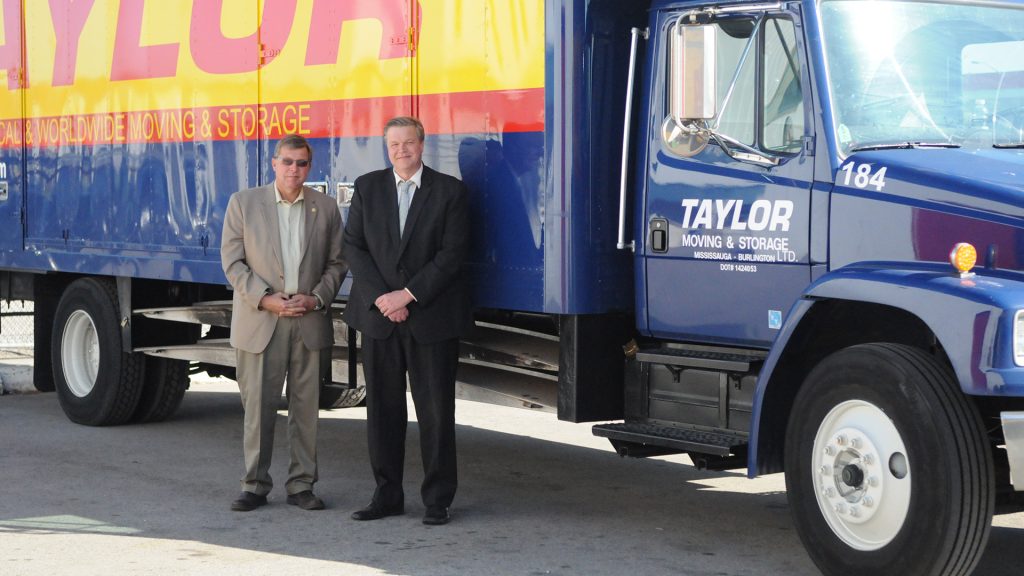
Key Takeaways
Moving your life across an international border is a significant undertaking that requires thorough preparation and specialized logistical support. Adhering to the following principles will help ensure a successful transition to the United States.
- Start your planning process at least three months before your departure date.
- Maintain a clear inventory of all household goods for customs declarations.
- Secure professional packing services to ensure compliance with international transit standards.
- Verify the status of your visa or work permit well in advance of the move.
- Partner with an experienced team for easier cross-border planning throughout the region.
Planning your cross-border move
Relocating internationally is far more complex than standard residential moves, and the process begins long before the first box is loaded onto a truck. When you are moving from GTA to USA, you must account for international logistics, changing immigration regulations, and strict cross-border transit times. Successful transitions rely on a well-coordinated strategy that prioritizes organization and compliance with both Canadian and American regulations. By focusing on these elements early, you can reduce the stress associated with shifting households across such a significant distance.
Assessing your moving volume and inventory
Before you finalize any transit plans, you need an accurate assessment of what is moving with you. High-quality moving companies like Taylor Moving utilize advanced survey methods to determine the exact volume of your shipment, which directly impacts your moving quote and container needs. Taking the time to declutter before your inventory is finalized will save both time and money during the logistics phase.
Selecting a specialized cross-border moving company
Cross-border expertise is not standard among all moving companies; you need a partner that understands the nuances of the Canada-US border. Taylor Moving focuses on the specific requirements of international relocations, ensuring that every shipment is handled according to the necessary compliance standards. Selecting a firm with a deep understanding of cross-border relocation services allows you to bypass many common logistical hurdles that plague cross-border transitions.
Establishing a realistic relocation timeline
Setting a schedule involves balancing your personal deadlines with the realities of international logistics and customs processing. You must allow for variables like border wait times, potential shipment inspections, and international document verification. Below is a suggested breakdown of the typical relocation stages to help you manage your expectations during the planning period.
| Phase | Primary Activity | Expected Timeframe |
|---|---|---|
| Preparation | Inventory assessment and quote finalization | 6-8 weeks |
| Documentation | Compiling customs forms and visa records | 4-6 weeks |
| Transit | International shipping and border crossing | 2-10 days |
| Delivery | Arrival, unpacking, and final checks | 2-4 days |
After finalizing your timeline, remember to communicate your specific moving dates early to your coordinator so they can secure the necessary capacity. Relying on professional guidance like that provided by trusted USA moving services can help you avoid common scheduling conflicts.
Understanding cross-border customs and documentation

Navigating the bureaucratic side of the border is perhaps the most daunting aspect of preparing for an international move. You will encounter mandatory paperwork that must be filed accurately to ensure your goods clear customs without unnecessary delays or seizure. As a premier provider, Taylor Moving underscores the importance of customs awareness, identifying that documentation errors are the leading cause of delivery interruptions when moving from GTA to USA.
Required paperwork for household goods
Every shipment entering the United States as part of a household relocation must have supporting documentation including a detailed inventory and specific declarations. These documents verify the ownership of your items and declare their value for entry purposes. You must keep your passport and identification documents readily available to support these filings throughout the process.
Navigating customs broker requirements
In many cases, hiring a customs broker or working through an experienced moving company is essential to streamline the release of your household goods. These professionals understand the intersection of trade agreements and personal property laws that apply to your specific shipment. They help ensure your paperwork is complete and that all declaration forms are submitted correctly to the appropriate border authorities.
Impact of active visas on the moving process
Your immigration status determines which forms are required and whether additional verification is necessary to facilitate your entry. When you are in the process of moving from GTA to USA, any change in visa status should be reported to your logistics coordinator immediately. Ensuring your visa documentation is current will prevent headaches at the border, as the authorities will cross-reference your household shipment with your legal right to reside in the United States.
Logistics and specialized moving services
Moving your household implies managing a diverse array of items, each with different transit requirements to ensure they arrive in original condition. Whether you are dealing with fragile glassware, bulky furniture, or sensitive mechanical equipment, standardized transit solutions are often insufficient. By opting for professional support, you gain the benefit of years of experience in safely navigating the specific environment of long-haul international transport.
Benefits of full-service packing for international transitions
Full-service packing provided by experts minimizes the risk of damage, as the team understands how to properly brace and wrap items for the rigors of long-distance transport. Professionals also use materials specifically designed for international transit, which are more resilient than standard household packing supplies. This ensures the integrity of your belongings during long, multi-leg journeys.
Secure storage solutions during the transition period
a list of storage considerations includes:
- Climate control settings to protect sensitive electronics and wood surfaces
- High-security monitoring for total inventory protection
- Flexible access for retrieving items mid-transit if required
- Organized labeling systems for all stored containers
By utilizing these secure methods, your belongings are insulated from the unpredictability of new home arrivals or potential gaps in occupancy. Proper warehousing maintains the condition of your assets until the exact moment you are ready for delivery.
Handling high-value items and custom crating
For unique items that cannot fit into standard boxes, custom crating provides the necessary structure to survive transit impacts. This service usually focuses on specialized protection for glass tabletops, high-end art, or antique pieces. By building a frame to the specific dimensions of the object, you effectively negate the dangers of vibration and shifting within the moving van.
Coordinated delivery and arrival protocols
Effective delivery is about communication, particularly when arranging entry into high-security living spaces or multi-story condominiums. A coordinator will work to synchronize the arrival of your goods with the access rules of your new building. This prevents unnecessary waiting time or the risk of your delivery being delayed by building management or access restrictions.
Financial considerations for an international move

Relocating internationally requires a transparent budget that accounts for both service fees and the peripheral expenses associated with crossing a border. Many families overlook the variability of costs in the international moving sector, often leading to unplanned financial stress. Understanding the economic drivers behind your quote will help you make a more informed choice.
How cross-border moving costs are calculated
Costs are primarily derived from the volume of goods, the distance traveled, and the specific level of service selected for your relocation. Because your move involves an international boundary, additional fees such as document processing, insurance coverage, and compliance management are typically bundled into your quote. Recognizing these factors ensures that you are comparing apples to apples when evaluating estimated costs.
Understanding the difference between weight-based and volume-based estimates
Estimates are typically crafted either by calculating the total weight of your household goods or by assessing the physical space your items occupy in a shipping unit. While weight-based pricing is common for domestic routes, international standards often rely on volume to determine the cost of space on a specialized vehicle. It is important to confirm which measurement your mover uses during the final estimate phase.
Hidden costs to prepare for in a long-distance relocation
Beyond the base moving fees, residents must anticipate costs related to administrative filings, potential storage extensions, and insurance premiums for personal property protection. While companies like Taylor Moving provide detail on their fee structures, you should also account for costs associated with setting up utilities, re-registering vehicles, and the initial taxes involved when you arrive in your new location.
Prohibited and restricted items for US entry
There are clear regulations on what can and cannot cross the border, and ignoring these guidelines can lead to the confiscation of your personal effects. The list of restricted items is often updated based on safety and security concerns, making it necessary to review the current policies. Failure to declare items can create significant legal and personal burdens during your transition.
Common household goods that face border restrictions
Items such as specific types of alcohol, meat products, or certain consumer electronics may be subject to review or duty. It is always wise to review the specific regulations concerning items that reside in your pantry or secondary storage before the loading day begins. Compliance here is essential to moving through the border without a hold on your shipment.
Managing personal items like plants and produce
Agricultural products are heavily restricted to prevent the spread of invasive species or diseases. Most fresh produce, plants, and soil are generally discouraged or require extensive certificates of inspection. If you have botanical items of significant sentimental or monetary value, disclose them to your mover early to determine if they can be safely and legally transported.
Handling hazardous materials and restricted goods
Dangerous items like propane canisters, cleaning chemicals, batteries, and corrosive materials are strictly prohibited on most moving vehicles. Ensure that these are disposed of properly before the loading team arrives at your residence. Professional movers will actively scan for these items during the pre-loading inventory to maintain the safety of the truck and its crew.
Ensuring a smooth moving day experience
Your moving day should feel structured and controlled, rather than a frantic exercise in chaos. The difference lies in the level of professional support you have chosen to guide you through the process. A successful move is the result of clear expectations, open channels of communication, and a team trained to anticipate potential challenges.
Roles and responsibilities of your move coordinator
Your coordinator acts as the single point of contact between your household and the logistics team. They handle scheduling, provide updates on transit status, and act as your advocate if any logistical hurdles appear during the journey. Having this professional oversight removes the burden of managing moving logistics yourself.
Best practices for tracking your shipment in transit
Modern movement systems enable clearer communication regarding where your goods are located. Use the digital tools provided by your moving company to receive updates on your shipment’s progress as it moves through various regional hubs. Knowing the location of your items gives you peace of mind that nothing has been left behind.
Preparing your household for the pickup and loading process
Preparation begins by ensuring that hallways are clear, pets are secured in a safe environment, and valuable documents are kept in your personal possession during the move. Your team will arrive ready to work, so your task is to ensure they have the access they need to operate efficiently. A well-prepared home allows the loading crew to complete their work faster, reducing the overall time you need to spend on loading day.
Conclusion
Moving to a new life abroad requires careful planning, adherence to strict legal documentation, and the support of experienced professionals. By addressing the logistics, financial, and regulatory aspects of your move early, you create the best possible foundation for your transition to your new American home.
Frequently Asked Questions
How are cross-border moving costs calculated?
Costs are calculated based on a combination of item volume, total distance, insurance requirements, and administrative fees associated with border crossings.
How long does a typical cross-border move take?
Most Canada-USA moves take between 2 and 10 days depending on the distance, though customs processing times can occasionally add to this schedule.
What documents are required for my cross-border move?
You typically need a detailed inventory, proof of ownership, a passport, and specific declaration forms required by the U.S. border protection authorities.
Can I move plants or produce across the border?
Agricultural goods, including plants and produce, are generally restricted to prevent the spread of disease, and you should check current border policies for specific exemptions.
What happens if my documentation is incomplete at the border?
Incomplete documentation can lead to significant delays, the seizure of your property, or the refusal of entry for some or all of your household goods.
Does an active visa change how I move?
Yes, your visa or work permit status determines which entry documents are required, and it acts as an essential verification piece during the customs process.
Should I prioritize professional packing services?
Professional packing significantly reduces the risk of in-transit damage and ensures that your items are packed in a way that meets, and often exceeds, the standards required for international border inspection.
Leave a Comment