Moving Long Distance in Canada: Your Ultimate Guide
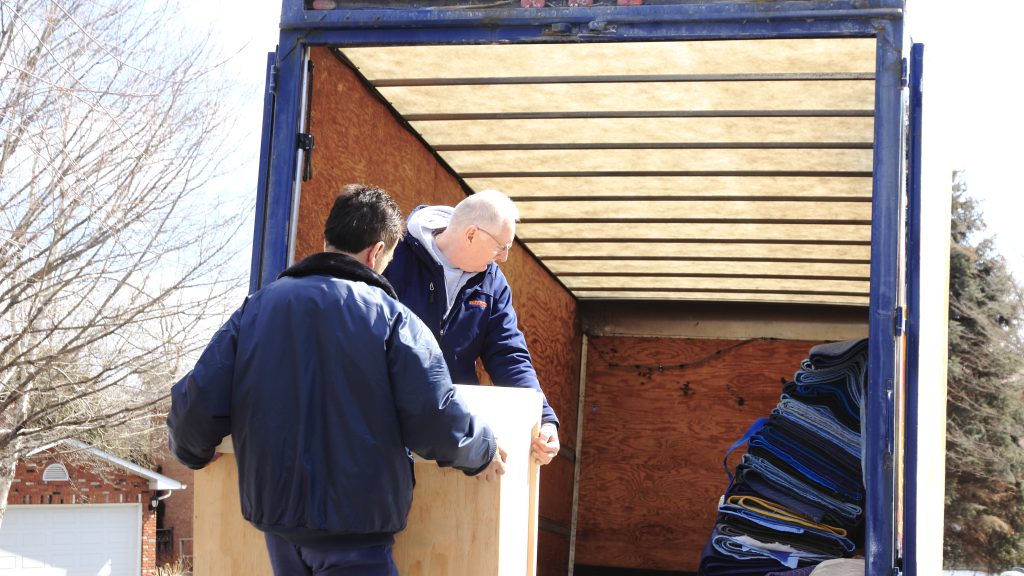
Planning a move across Canada can feel like a big task. You’ve got a lot to think about, from packing up your current place to getting settled in a new city. This guide is here to help break down the process of moving long distance in Canada, making it feel a lot less overwhelming. We’ll cover the ins and outs of choosing movers, what to expect during the move itself, and how to get ready for your new home.
Key Takeaways
- Understanding the costs involved in moving long distance in Canada is the first step in planning your budget.
- Getting multiple moving quotes will help you see the range of prices and services available.
- Choosing the right movers means looking beyond just the cheapest price to find the best value for your needs.
- The moving process, from the initial estimate to the final delivery, requires careful planning and communication.
- Preparing for your new Canadian home includes understanding local transportation and community life.
Planning Your Long-Distance Move Across Canada
Moving across Canada is a big deal. It’s not like just moving across town; you’re talking about covering serious distances, often from one coast to the other. This kind of move needs careful thought and a solid plan to make sure everything goes smoothly. You’ll want to get a handle on what this whole process entails before you even start packing boxes.
Understanding Long-Distance Moving Costs in Canada
Figuring out how much a long-distance move will cost can feel like a puzzle. There are a lot of pieces that go into the final price. It’s not just about the distance, though that’s a big part of it. Think about the volume and weight of your stuff, how accessible your old and new homes are, and what extra services you might need. The more stuff you have, the more it’s generally going to cost to move it. It’s wise to get a few different estimates to compare.
Factors Influencing Your Moving Budget
Several things can really change the price tag on your move. For starters, the time of year matters. Moving during peak season, like the summer months when many families relocate, can be more expensive than moving in the off-season. Also, consider the type of service you choose. Do you want movers to pack everything, or will you handle that yourself? Packing services add to the cost. If you have large, heavy items like a piano or a safe, that often means extra fees too. Don’t forget about potential storage needs if your move-in date doesn’t line up perfectly with your move-out date. Planning ahead can help you avoid unexpected expenses, and having a clear budget is key to managing your move effectively. Understanding your moving budget is the first step.
Why Moving Quotes Vary Significantly
It’s pretty common to get wildly different quotes from different moving companies, and it can be confusing. Part of the reason is how they estimate things. Some companies might base their quotes heavily on the estimated weight of your belongings, while others might focus more on the volume or the time it’s expected to take. The level of service included also plays a huge role. One quote might include full packing and unpacking, while another might only cover loading and transport. Always ask for a detailed breakdown of what’s included in each quote. It’s also worth noting that some companies might have higher overhead costs or different insurance policies, which can affect their pricing. A detailed timeline can help you stay organized throughout the process, following a moving checklist is a good idea.
When you’re planning a long-distance move across Canada, remember that it’s more than just transporting your belongings. It involves a lot of coordination, careful packing, and clear communication with your chosen movers. Taking the time to understand all the costs and factors involved will save you headaches down the road.
Choosing the Right Long-Distance Movers
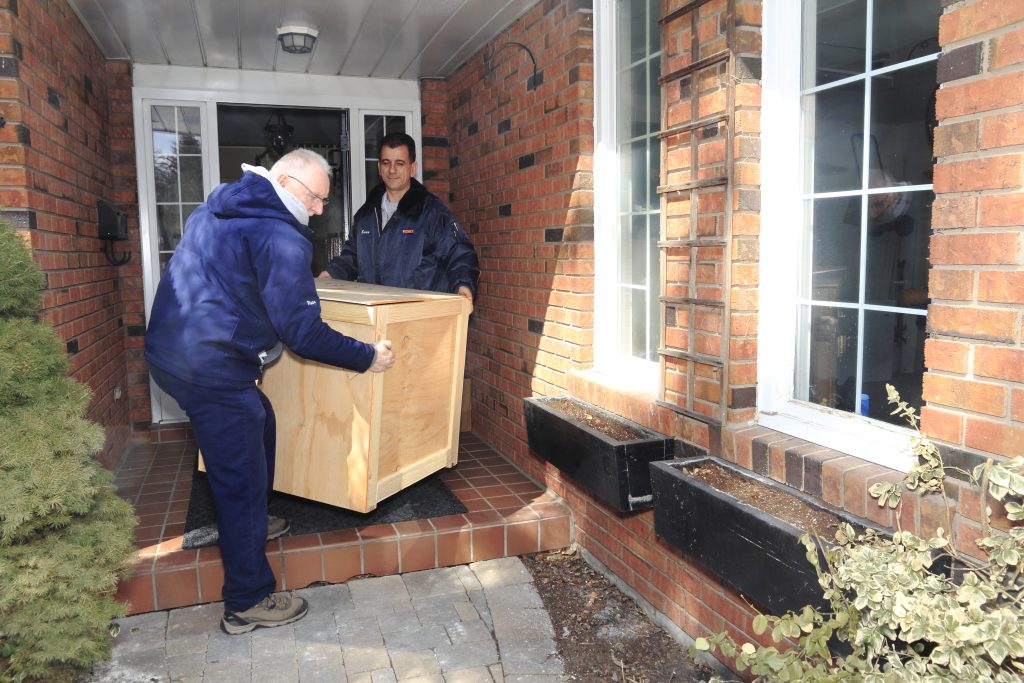
So, you’ve decided to pack up your life and move across this great country of Canada. That’s a big step! Now comes the part where you need to find the people who will actually get your stuff from Point A to Point B. Picking the right moving company can feel like a puzzle, and honestly, it’s one of the most important pieces of the whole moving process. You want movers who are reliable, careful with your belongings, and won’t leave you with a mountain of unexpected charges.
Weight-Based vs. Hourly Moving Rates
When you start getting quotes, you’ll notice two main ways movers charge for long-distance moves: by weight or by the hour. It’s not always clear which is better, and it really depends on your specific move.
- Weight-Based Rates: This is pretty common for longer hauls. The company weighs your entire shipment, and the cost is based on that weight. It’s generally more predictable for very long distances because the travel time is a bigger factor than how fast the crew works. However, you need to trust that they’re weighing accurately.
- Hourly Moving Rates: You’ll see this more for local or shorter-distance moves, but some long-distance companies might use it too, especially if they’re estimating a specific number of hours. The price is calculated by multiplying the number of hours the movers work by their hourly rate. This can be good if the movers are super efficient, but it can get expensive if they’re slow or run into unexpected delays.
It’s important to ask movers how they calculate their rates and what method they use for your specific cross-Canada move. Sometimes, a company might offer a binding estimate based on weight, which gives you a fixed price beforehand.
What’s Included in a Moving Quote
This is where things can get tricky. A moving quote isn’t just a number; it’s a breakdown of services. You need to know exactly what you’re paying for. Always ask for a detailed, written quote that clearly outlines all charges.
Here’s a general idea of what might be included:
- Transportation: The actual cost of moving your items from your old place to your new one.
- Labor: The cost of the movers packing, loading, and unloading your belongings.
- Packing Supplies: Sometimes this is extra, sometimes it’s included if you opt for full-service packing.
- Disassembly/Reassembly: For large furniture like beds or tables, some companies will take them apart and put them back together.
- Insurance/Valuation: This is super important. Basic valuation is usually included, but it’s often very minimal. You’ll likely want to look into additional moving insurance.
- Stairs/Long Carry Fees: If your home has a lot of stairs or the truck has to be parked far from your door, there might be extra charges.
- Fuel Surcharges: Especially for long distances, fuel costs can be a significant factor.
Always read the fine print on any quote. What seems like a great deal can quickly change if there are hidden fees for services you assumed were standard.
Selecting the Best Value Over the Cheapest Option
It’s tempting to go with the absolute lowest quote you receive. Who doesn’t want to save money, right? But when it comes to moving your entire life across Canada, the cheapest option can often end up costing you more in the long run. Think about it: movers who offer rock-bottom prices might be cutting corners somewhere.
- Risk of Damage: They might not have the best equipment or the most experienced crews, leading to damaged furniture or boxes.
- Hidden Fees: That super low quote might not include essential services, and they’ll add them on later.
- Poor Communication: You might find it hard to get in touch with them when you have questions or issues.
- Unreliable Service: They might show up late, not show up at all, or deliver your belongings much later than promised.
Instead of just looking at the price tag, focus on the overall value. Look for companies with a good reputation, like Great Canadian Van Lines, which has decades of experience and high ratings. Check reviews, ask for references, and make sure you feel comfortable with the company you choose. A slightly higher quote from a reputable mover is often worth the peace of mind.
The Long-Distance Moving Process
From Estimate to Delivery: What to Expect
So, you’ve decided to move across Canada. That’s a big deal! The first step after getting your quotes is understanding what happens next. It’s not just about packing boxes; it’s a whole process that starts with a detailed estimate and ends with your belongings safely in your new home.
Here’s a general idea of what you can expect:
- Initial Consultation and Estimate: A moving company will usually send someone to your home, or conduct a thorough virtual assessment, to get a clear picture of everything you need to move. They’ll look at the size of your home, the types of items, and any special packing needs. This is where they’ll give you a more accurate estimate, which might be binding or non-binding.
- Booking and Scheduling: Once you’ve chosen your movers, you’ll book your moving dates. It’s important to confirm pickup and delivery windows. Remember, long-distance moves often involve a range of dates for delivery, not a specific day, especially for cross-country trips.
- Packing and Preparation: This is where you come in! You’ll need to pack your belongings or arrange for the movers to do it. Proper packing is key to preventing damage during the long journey. Make sure to label boxes clearly with their contents and the room they belong in at your new place.
- Loading Day: The moving crew will arrive on your scheduled pickup day. They’ll carefully load all your packed items onto the moving truck. This can take several hours, depending on the volume of your belongings.
- Transportation: Your items will travel across the country. The movers will keep you updated on the general progress, but exact real-time tracking might not always be available.
- Delivery: On the scheduled delivery day, the truck will arrive at your new address. The crew will unload your belongings into the rooms you designate. It’s a good idea to have a walkthrough with the crew leader to check for any obvious issues.
- Unpacking and Settling In: After the movers leave, the real work of unpacking begins. Take your time and prioritize essential items first.
Moving across Canada is a marathon, not a sprint. Patience and clear communication with your moving company are your best allies throughout this entire process. Don’t hesitate to ask questions at any stage.
How Far in Advance to Book Your Movers
Booking your long-distance movers is one of those things you really don’t want to put off. Think of it like booking a flight for a popular holiday – the earlier, the better. For a cross-Canada move, aiming to book at least 2 to 3 months in advance is a smart move. This gives you the best chance of securing your preferred dates, especially if you’re moving during peak seasons like the summer months or at the end of the year.
Here’s why booking early is so important:
- Availability: The best moving companies, especially those with a good reputation and lots of experience with long-distance moves, fill up quickly. Booking early ensures you get to work with a company you trust.
- Better Pricing: While not always the case, sometimes booking further out can lead to better rates or more flexibility in pricing. Last-minute bookings can sometimes come with a premium.
- Reduced Stress: Knowing your move is booked and confirmed takes a huge weight off your shoulders. It allows you more time to focus on other aspects of your relocation, like finding a new place or sorting out utilities.
- More Options: Booking early gives you the time to properly research different moving companies, compare quotes, and read reviews without feeling rushed.
If you find yourself needing to move on shorter notice, don’t panic. It might just mean fewer options and potentially higher costs, but it’s still doable. Just be prepared to be flexible with your dates and potentially pay a bit more.
Estimated Timeline for Your Canadian Move
The actual time it takes for your belongings to travel from your old home to your new one can vary quite a bit. It’s not like a quick drive across town. For a long-distance move within Canada, you should generally expect the transit time to be anywhere from 5 to 14 business days. This timeframe is influenced by several factors, including the distance between your origin and destination, the specific route the moving truck takes, and the number of other stops the company might be making along the way.
For example, a move from Toronto to Vancouver will naturally take longer than a move from Ottawa to Halifax. The moving company will provide you with an estimated delivery window when you book your move. It’s important to understand that this is usually a window, not a guaranteed specific date. Weather conditions, road closures, and unforeseen delays can all impact the timeline. Always have a buffer in your plans for these possibilities. If you’re moving between provinces, it’s a good idea to have essential items packed separately so you have them readily available upon arrival, just in case there’s a slight delay in your main shipment. Planning for cross-border moves between Canada and the US can also involve different timelines due to customs procedures.
Specialized Moving Services
Moving across Canada is one thing, but when your move involves crossing international borders or requires specific corporate arrangements, things get a bit more complex. It’s not just about packing boxes and loading a truck; it’s about understanding regulations, documentation, and unique logistical challenges. These specialized moves require a different level of planning and execution.
Navigating Cross-Border Moves Between Canada and the US
Moving between Canada and the United States isn’t like moving from Toronto to Vancouver. You’re dealing with customs, different regulations, and specific paperwork for both countries. It’s a process that needs careful attention to detail to avoid delays or unexpected issues at the border. Companies that handle these moves often have specific expertise in cross-border logistics.
- Customs Declarations: You’ll need to declare all goods you’re bringing into the new country. This includes household items, vehicles, and even pets.
- Prohibited Items: Both Canada and the US have lists of items that are restricted or prohibited from crossing the border. It’s important to know these beforehand.
- Vehicle Importation: Bringing a vehicle across the border involves specific requirements, including emissions standards and safety checks.
- Documentation: Expect to provide proof of ownership for items, identification, and potentially visa or immigration documents.
Moving internationally means more than just a longer distance; it’s a challenge involving customs, logistics, and careful execution.
Understanding Documentation for International Relocations
When you’re moving internationally, especially between Canada and the US, the paperwork can feel overwhelming. It’s not just about your moving company handling it; you’ll likely need to be involved too. Having the right documents ready can make the entire process smoother. This often includes things like:
- Bill of Lading: This is your contract with the moving company and a receipt for your shipment.
- Inventory List: A detailed list of everything being moved, often prepared by the movers.
- Customs Forms: Specific forms required by Canadian or US border agencies.
- Proof of Residency/Citizenship: Documents to verify your status in the country you’re moving to.
Corporate Relocation and Lump-Sum Allowances
Many companies offer relocation assistance to employees moving for work. This can come in different forms, like a direct move managed by the company or a lump-sum allowance. If you receive a lump sum, you’re essentially managing the move yourself and need to make smart decisions about how to spend that money. It’s about balancing the cost of services with the quality and reliability you need. You might compare different moving quotes to get the best value for your allowance, ensuring your belongings are handled with care without breaking the budget.
- Full-Service Moves: The company handles everything, often with a dedicated coordinator.
- Partial-Service Moves: You might pack yourself but have movers handle the loading, transport, and unloading.
- DIY Moves: You manage all aspects, potentially just hiring a truck or container.
Choosing the right approach depends on your budget, the amount of support you need, and the value you place on your time and peace of mind. For many, a reliable long-distance mover is key, even with a lump sum, to ensure a smooth transition. Companies like Peak Moving Company can help manage these complex moves.
Preparing for Your New Canadian Home
So, you’ve picked your new Canadian city and the movers are booked. That’s a huge step! But before you start unpacking those boxes, there’s a bit more to think about to make sure your arrival goes smoothly. It’s not just about getting your stuff from point A to point B; it’s about settling into your new life.
Moving to Popular Canadian Cities
Canada has so many amazing places to call home, each with its own vibe. Whether you’re heading to the bustling streets of Toronto, the scenic beauty of Vancouver, the vibrant culture of Montreal, or the prairie charm of Calgary, understanding the local scene is key. Think about what drew you to that specific city – was it the job market, the lifestyle, or maybe the natural surroundings? For instance, cities like Burlington and Oakville offer a great balance of family-friendly living with access to big-city amenities, while Hamilton boasts a strong industrial and arts scene with beautiful natural landscapes. Knowing a bit about your new city’s character can help you feel at home faster.
Settling into Your New Community
Once you’re in your new place, the real settling-in begins. This means getting to know your neighbourhood. Finding local amenities like grocery stores, pharmacies, and parks is a good first step. You might want to look into community centres, libraries, or local clubs that match your interests. If you have kids, researching schools and local activities is a big one. It’s also a good idea to get a handle on local events or festivals happening soon after you arrive; these are fantastic ways to meet people and feel connected. Keeping all your important moving documents organized in one place, like a binder, can really help reduce stress during this transition period. Organizing your move makes this part much easier.
Understanding Local Transportation
Getting around your new Canadian city is something you’ll need to figure out pretty quickly. Public transit systems vary a lot across Canada. Big cities like Toronto have extensive subway and bus networks, while smaller towns might rely more on local bus routes or even have limited options. If you’re moving to a place like Hamilton, you’ll find a decent public transit system along with good bike lanes and pedestrian paths, plus easy access to GO Transit for trips to Toronto. It’s worth checking out the local transit authority’s website before you arrive to get a feel for routes, schedules, and fare options. This will help you plan your commutes and explore your new surroundings without relying solely on your moving truck!
Getting familiar with local transportation options before you even arrive can save you a lot of hassle and help you feel more independent in your new Canadian home from day one.
Getting ready for your new Canadian home is a big step! We know moving can feel overwhelming, but it doesn’t have to be. Our team is here to make your transition smooth and stress-free. From packing up your old place to settling into your new one, we handle all the details so you can focus on what matters most. Ready to start your new adventure? Visit our website today to learn more about our moving services and get a free quote!
Wrapping Up Your Big Move
So, you’ve made it through the whole process of planning a long-distance move across Canada. It’s definitely a lot to think about, from figuring out costs and choosing the right movers to packing everything up just right. Remember, it’s not just about getting your stuff from point A to point B; it’s about making sure your belongings are safe and that you know what’s happening every step of the way. Take your time, do your homework on moving companies, and don’t be afraid to ask questions. A well-planned move means less stress and a smoother start in your new Canadian home. Good luck with the journey!
Frequently Asked Questions
How do moving companies figure out the cost of moving my stuff across Canada?
Moving companies usually calculate the cost based on a few things. The main ones are how much your stuff weighs and how far it’s going. Sometimes, they also consider how long the move will take. Think of it like this: heavier items and longer distances usually mean a higher price. They’ll often give you a quote after looking at everything you need to move.
Why are the prices different for different moving companies?
You’ll see different prices because each moving company has its own way of doing things. Some might charge more for extra services like packing or unpacking. Others might have different insurance options, or maybe they use different types of trucks. It’s also about the quality of service they offer. The cheapest price isn’t always the best deal if the movers aren’t careful with your belongings.
What’s the difference between paying by weight and paying by the hour?
Paying by weight means the total cost is based on how much everything you’re moving weighs. This is common for really long moves. Paying by the hour means you’re charged for the time the movers spend working, from when they start until they finish. This is more common for shorter moves or when you need packing services.
What should I expect from the moving process, from the first estimate to my stuff arriving?
First, you’ll get an estimate, which is a price guess. Then, movers will likely do a more detailed check, maybe even in person, to give you a final quote. On moving day, they’ll carefully load your belongings. After the drive, they’ll unload everything at your new place. Good movers will keep you updated along the way.
How far ahead of time should I book my movers for a long-distance move in Canada?
It’s best to book your movers as early as you can, especially for long-distance moves. Think about booking at least 2 to 3 months in advance. This is because good moving companies get booked up quickly, particularly during busy seasons like summer or the end of the month.
What if I need to move my household items between Canada and the United States?
Moving between Canada and the U.S. is a bit more complicated than just a long-distance move within Canada. You’ll need to be aware of customs rules and have the right paperwork, like a detailed list of your belongings and possibly proof of ownership. It’s smart to work with movers who specialize in cross-border moves because they know how to handle all the extra steps involved.
Leave a Comment