Navigating the Nuances: How to Tip Long Distance Movers
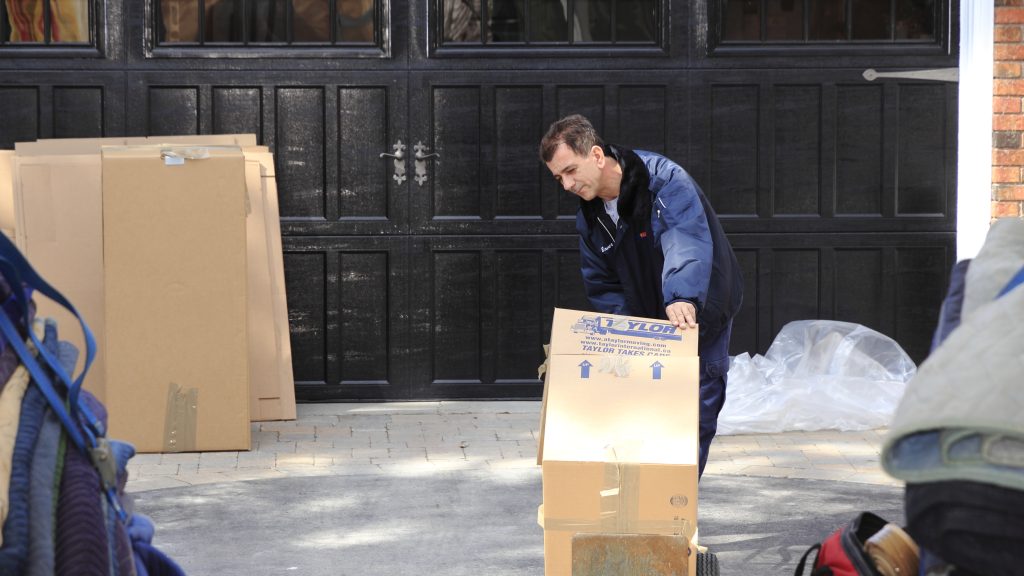
Moving across the country or even just a few provinces over can feel like a huge undertaking. You’ve got boxes to pack, logistics to sort out, and a whole new place to get used to. While the focus is often on the big stuff like choosing a moving company and figuring out the costs, there’s a smaller detail that can make a big difference: tipping your movers. It’s not always straightforward, especially with long-distance moves, so let’s break down how to tip long distance movers.
Key Takeaways
- Tipping long-distance movers isn’t always required, but it’s a great way to show appreciation for good service.
- Consider the crew’s hard work, efficiency, and care for your belongings when deciding how much to tip.
- A common guideline is $5-$10 per mover per hour, but adjust based on the complexity and length of the move.
- For very long or difficult moves, a flat amount per person or a percentage of the total moving cost can also work.
- Always tip in cash if possible, and consider giving individual envelopes to each crew member.
Understanding Long-Distance Moving Costs
How Long-Distance Moving Expenses Are Calculated
Figuring out the cost of moving your stuff across Canada isn’t as simple as just picking a number out of a hat. Movers look at a few key things to come up with a price. For long-distance moves, the main drivers are usually the distance your belongings will travel and how much they weigh. Think of it like this: the further they go and the heavier the load, the more fuel and time it takes, which naturally bumps up the cost. It’s not just about the weight of your couch, though. The total volume of your items also plays a big part. A lot of smaller things can take up just as much space, and therefore effort, as a few big pieces.
- Distance: The mileage between your old place and your new one is a primary factor.
- Weight: The total weight of everything being moved.
- Volume: How much space your items take up in the truck.
- Time of Year: Moving during peak seasons (like summer or holidays) can sometimes cost more due to higher demand.
The final price often comes down to a combination of these elements, and different companies might weigh them slightly differently.
Factors Influencing Your Moving Quote
When you get a quote for a long-distance move within Canada, there are several things that can make that number go up or down. Beyond the basic distance and weight, the type of service you choose makes a big difference. Are you packing everything yourself, or do you want the movers to handle it? Full-service packing usually adds to the cost. Also, think about any special items you have. Moving a piano or a large art collection might require special equipment or extra care, which gets factored in. The accessibility of your pickup and delivery locations also matters. If the moving truck can’t get close to your door, or if you live in a walk-up apartment building, it can mean more labor and time, and thus, a higher quote. The cost of long-distance moving is influenced by several key factors.
Why Moving Quotes Can Vary Significantly
It’s pretty common to get different quotes from different moving companies, and it can be confusing. A big reason for this is how each company calculates its prices and what they include in their standard service. Some might have a base rate that’s higher but includes more services, while others might offer a lower base rate but charge extra for things like packing supplies or disassembly of furniture. Another factor is the type of estimate they provide. A binding estimate means the price is fixed, no surprises, but it might be a bit higher to cover all possibilities. A non-binding estimate, on the other hand, can change based on the actual weight and time, potentially leading to a lower or higher final bill than initially expected. It’s always a good idea to ask for a detailed breakdown of what’s included in each quote so you can compare apples to apples. Factors influencing your moving quote can really change the final number.
When to Book Your Long-Distance Movers

Figuring out the best time to book your long-distance movers can feel a bit like trying to catch a moving train. It’s not just about picking a date; it’s about making sure you get the service you need without a last-minute scramble. For moves involving Canada, especially cross-border ones, timing is everything.
Ideal Booking Timeline for Your Move
When you’re planning a move from one Canadian province to another, or even across the border into the US, giving yourself plenty of lead time is a smart move. Generally, aiming to book your moving company about six to eight weeks before your desired moving date is a good sweet spot. This timeframe usually offers the best mix of availability and competitive pricing. It allows movers to properly schedule your move into their routes and gives you enough time to sort out all the details without feeling rushed. Booking too late can mean limited options and potentially higher costs, especially during peak moving seasons like summer or the end of the month.
Advance Notice for Optimal Scheduling
Think of it this way: the more notice you give your moving company, the more likely they are to accommodate your specific needs. For a long-distance move within Canada, or a move from Canada to the US, booking three months in advance is often recommended, especially if you have a very specific pickup or delivery date in mind. This is particularly true if you’re moving during a busy period. Companies need time to plan logistics, assign crews, and prepare the necessary equipment. For international moves, or moves during holidays, you might even need to book further out. It’s always better to be a little early than too late when it comes to securing your preferred moving dates.
Flexibility in Pickup and Delivery Dates
While you might have an ideal date, being flexible can sometimes make the booking process much smoother and potentially save you money. If your schedule allows, offering a range of dates for pickup and delivery can open up more options with your moving company. Sometimes, moving just a day or two earlier or later can make a big difference in availability. This flexibility is especially helpful when coordinating cross-border moves, as customs and border crossing times can sometimes be unpredictable. If you can be adaptable, you might find it easier to secure a spot with a reputable mover and potentially get a better rate. Remember, requested dates are often just that – requests – and actual logistics can sometimes dictate the final schedule.
Planning ahead is key for any long-distance move, especially when crossing borders. It helps ensure you get the services you need, when you need them, and can avoid unexpected stress and costs.
Choosing the Right Moving Service
When you’re planning a move across Canada, or even just across the country, picking the right moving service is a big deal. It’s not just about getting your stuff from point A to point B; it’s about how smoothly that happens and what kind of support you get along the way. You’ve got a few different paths you can take, and understanding them will help you make a choice that fits your needs and your budget.
Evaluating Different Service Levels
Movers often offer different tiers of service, and knowing what each one entails can save you a lot of headaches. Think about what you’re willing to do yourself versus what you’d rather have professionals handle. This is where you really start to see how different companies approach a move.
- Full-Service Moving: This is pretty much what it sounds like. The moving company handles almost everything – packing your belongings, loading the truck, transporting everything to your new place, and even unpacking. It’s the most convenient option, especially if you’re short on time or just want the least amount of stress possible. They’ll often provide all the packing supplies too.
- Partial-Service Moving: This is a middle-ground option. You might pack most of your own boxes, but the movers will handle the heavy lifting, loading, and transport. Or, they might pack certain fragile items for you, while you take care of the rest. It’s a good way to save a bit of money while still getting professional help with the most demanding parts of the move.
- DIY Moving (Truck Rental): This is the most hands-on approach. You rent a truck, pack everything yourself, load it, drive it to your new home, and unload it. You’re in complete control, and it’s usually the cheapest option. However, it requires a lot of physical effort and time, and you’re responsible for any damage that happens during the move.
Full-Service vs. DIY Moving Options
Deciding between full-service and DIY is a major fork in the road for your move. A full-service move is like hiring a concierge for your belongings. They manage the packing, the loading, the driving, and the unloading. It’s a premium service that frees up your time and energy, letting you focus on settling into your new Canadian home. On the flip side, a DIY move, often involving renting a truck, puts you in the driver’s seat for every single step. You pack, you load, you drive, you unload. This route is typically the most budget-friendly, but it demands a significant investment of your own time and physical labor. You’ll need to be prepared for the heavy lifting and the logistics of driving a large vehicle, especially if you’re moving to a new province.
The cheapest mover isn’t always the lowest-cost relocation choice. Sometimes, paying a bit more upfront for a reputable company can prevent costly problems down the road, like damage or delays. It’s about finding the best value for your specific situation.
What Is Typically Included in a Moving Package?
When you get a quote, it’s important to know what’s actually covered. Most reputable movers will include:
- Loading and Unloading: The crew will carefully load your items onto the truck and then unload them at your destination.
- Transportation: This is the actual moving of your goods from your old home to your new one, whether it’s across town or across the country.
- Basic Insurance/Valuation: Most companies offer a basic level of protection for your belongings, though it’s usually limited. You’ll want to understand the specifics of this coverage.
- Disassembly/Reassembly of Standard Furniture: Many services will take apart beds or other large furniture items and put them back together at your new place.
Things that might be extra or not included at all can include:
- Packing and Unpacking Services: Unless you opt for full-service, you’ll likely be packing your own boxes.
- Specialty Item Handling: Moving a piano, a large safe, or very delicate artwork might incur additional fees.
- Long Carry Fees: If the moving truck can’t park close to your home, you might be charged for the extra distance the crew has to carry your items.
- Storage: If you need to store your belongings for a period, this is usually a separate service.
Always ask for a detailed breakdown of what’s included in your quote. This helps avoid surprises and ensures you’re comparing apples to apples when you compare movers for best value.
Preparing for Your Long-Distance Relocation
Getting ready for a big move, especially one that crosses provincial or national borders into Canada, involves more than just packing boxes. It’s about understanding the whole process from start to finish. This means knowing what to expect when the movers arrive, how your belongings are handled, and what paperwork might be needed, particularly if you’re moving between Canada and the US.
What to Expect from Estimate to Delivery
Once you’ve got your moving quote and booked your service, the real preparation begins. The moving company will likely give you a timeline, but it’s good to have your own checklist. This usually starts with a confirmation of your moving dates and any specific instructions. On moving day, the crew will arrive, do a final inventory of your items, and load everything onto the truck. The delivery process is similar, with an inventory check upon arrival to make sure everything made it safely. Clear communication with your moving company throughout this entire period is key to a smooth transition. For a detailed breakdown of what to anticipate, a comprehensive checklist can be a lifesaver for your cross-country move.
Understanding Owner-Packed vs. Professionally Packed Items
When it comes to packing, you have options. You can pack everything yourself, or you can opt for professional packing services. If you pack yourself, make sure you use sturdy boxes and pack them well. Don’t overpack boxes, and label them clearly with the contents and the room they belong in at your new home. It’s important to know that if you pack your own boxes, the moving company might not be liable for any damage to those items. Professionally packed items are handled by trained movers who know how to secure your belongings for transit, often reducing the risk of damage. This is especially true for fragile or high-value items. If you’re unsure about packing certain things, it’s usually best to let the pros handle it.
Essential Documents for Cross-Border Moves
Moving from the US to Canada, or vice versa, means dealing with customs. This is where having the right paperwork is absolutely critical. You’ll likely need a detailed inventory of everything you’re bringing, including estimated values for each item. Proof of residency or citizenship, like passports or birth certificates, will also be necessary. If you’re moving for work, you might need visa or work permit documentation. It’s a good idea to have copies of all important documents readily available, separate from your main shipment. Failing to have the correct documentation can lead to delays, extra fees, or even your belongings being held at the border. Being prepared with these documents can make the entire cross-border process much less stressful.
Preparing for a move, especially one involving international borders, requires attention to detail. Understanding the roles of packing, documentation, and the moving crew’s process helps manage expectations and reduces potential problems. Being proactive with your preparation is the best way to ensure a positive moving experience.
Here’s a quick look at some common documents you might need:
- Bill of Lading: This is your contract with the moving company and a receipt for your shipment.
- Inventory List: A detailed list of all items being moved, often with their estimated value.
- Customs Declaration Forms: Required for crossing the US-Canada border.
- Identification: Passports, driver’s licenses, or other government-issued IDs.
- Visa or Work Permit (if applicable): Documentation related to your legal right to enter and reside in the new country.
The Role of the Moving Crew
The moving crew is the backbone of your relocation. These are the folks who show up on moving day, ready to do the heavy lifting and careful packing. Their professionalism and efficiency directly impact how smooth your move across Canada will be. You want a team that treats your belongings with respect, works diligently, and communicates well throughout the process.
Professionalism and Efficiency on Moving Day
When the moving truck arrives, you want to see a team that’s organized and ready to go. This means they know what they’re doing, from carefully wrapping your furniture to strategically loading the truck. A good crew works together like a well-oiled machine, minimizing wasted time and effort. They should be polite, respectful of your home, and focused on the task at hand. Think about it: these individuals are handling your most prized possessions, so their demeanor and work ethic really matter.
Ensuring the Safety of Your Belongings
This is where the crew’s skill really shines. Proper packing techniques, secure loading, and careful handling are all part of the job. For items that need extra protection, like fragile dishes or large furniture, the crew should use appropriate materials and methods. It’s important to remember that owner-packed items might have different coverage limitations compared to professionally packed ones, so trusting the crew with packing can sometimes offer more peace of mind. This is customary to acknowledge their careful work.
The Importance of a Positive Crew Experience
Moving can be a stressful time, and having a positive interaction with your moving crew can make a big difference. A friendly, communicative team can help ease your worries. They’re the ones you’ll be interacting with most on moving day, so their attitude contributes significantly to your overall experience. Happy movers often do better work, and that’s good news for your belongings. It’s a good idea to have a general idea of how much to tip movers as a way to show appreciation for their hard work and positive attitude.
Navigating Cross-Border and Corporate Moves
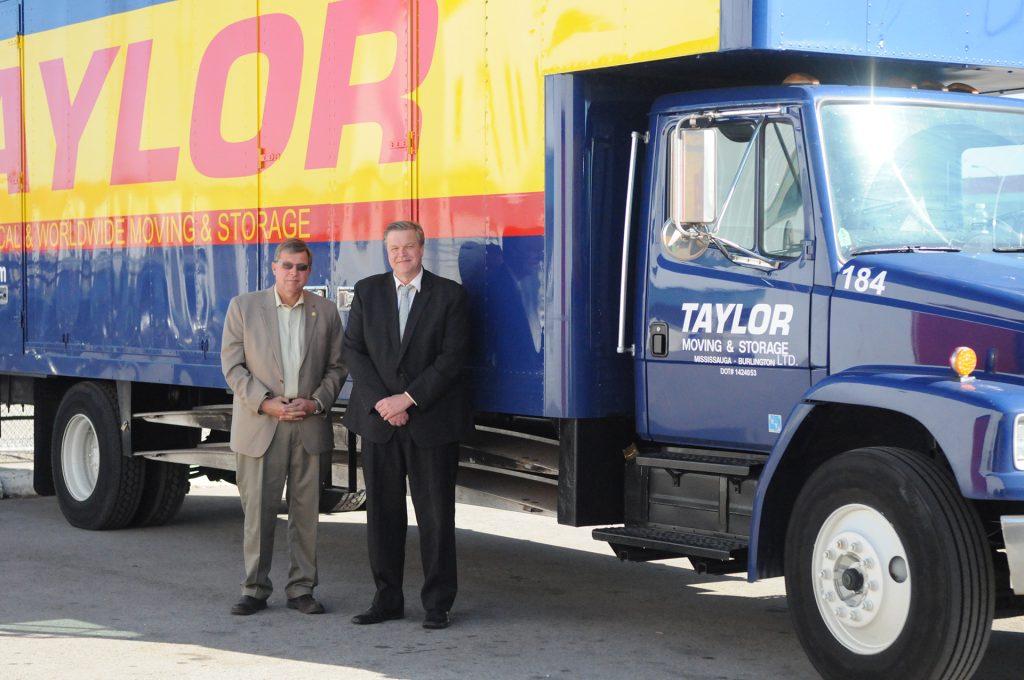
Moving between Canada and the United States, or relocating for a corporate job, comes with its own set of rules and considerations. It’s not quite the same as a local move, and definitely more involved than just driving your stuff across town. You’ve got paperwork, customs, and sometimes entirely different logistical challenges to think about.
Specifics of Canada-US Relocations
When you’re moving your household goods from Canada to the US, or vice versa, it’s more than just a longer trip. You’ll need to be aware of what you can and can’t bring across the border. This often involves specific documentation, like a detailed inventory of your belongings, and understanding customs regulations. Proper planning here can save you a lot of headaches at the border. It’s a good idea to get a clear picture of the required documents well in advance. Things like vehicles, certain food items, or even specific types of alcohol might have restrictions. The movers you choose should be experienced with these cross-border moves, as they’ll know how to handle the logistics and paperwork involved. For example, understanding how customs works when moving household goods is key to a smooth transition.
Considerations for Corporate Relocation Packages
If your move is part of a corporate relocation package, you’re likely dealing with a different set of expectations and services. Companies often have specific agreements with moving companies, and your role might be more about coordinating with your HR department and the moving coordinator. It’s important to understand what your package covers. Does it include packing services? What about storage if needed? Sometimes, corporate moves come with a lump-sum allowance, which gives you flexibility but also means you’re responsible for managing the budget. You’ll want to compare different service levels to make sure you’re getting the best value for your allowance, balancing cost with the quality of service. Remember, the cheapest mover isn’t always the best choice when you’re trying to stick to a budget while still protecting your belongings.
Managing Lump-Sum Relocation Allowances
When you receive a lump-sum relocation allowance, it means you’re given a set amount of money to manage your move. This can be great because it offers flexibility, but it also puts the responsibility of budgeting and making smart choices squarely on your shoulders. You’ll need to figure out how to best use that money. Should you go for a full-service mover, or would a more DIY approach save money? It’s a balancing act. You want to get the most out of your allowance without cutting corners on service quality, especially for a long-distance or cross-border move. Thinking about the total cost, including potential hidden fees or unexpected expenses, is important. For instance, tipping movers is a common practice, and for long-distance moves, customers often tip between 10% and 20% of the total cost due to the increased effort involved.
Here’s a quick look at how you might break down your allowance:
- Packing Supplies: Boxes, tape, bubble wrap, etc.
- Moving Labor: The cost of the movers themselves.
- Transportation: The actual cost of moving your belongings.
- Insurance: Additional coverage for your items.
- Miscellaneous: Cleaning, temporary housing, etc.
Making smart decisions with a lump-sum allowance means understanding the true cost of moving, not just the sticker price. It involves weighing the convenience and protection offered by different services against the funds you have available. Don’t be afraid to ask movers detailed questions about what’s included and what might cost extra.
Making Smart Financial Decisions
When you’re planning a move to or from Canada, figuring out the costs can feel like a puzzle. It’s not just about the sticker price; you’ve got to look at the whole picture to make sure you’re getting good value and not getting hit with surprise charges down the line. This means really digging into what different companies are offering and understanding the types of estimates they provide.
Comparing Movers for Best Value
It’s easy to just grab the cheapest quote you see, but that’s often a mistake when it comes to long-distance moving. The cheapest mover isn’t always the one that saves you money in the long run. Think about it: a lower price might mean less experienced movers, fewer included services, or a higher chance of damage to your belongings. You want to find a company that offers a good balance of quality service and fair pricing. Look at what’s included in their quote – does it cover packing supplies, insurance, and any cross-border paperwork assistance? A slightly higher quote that includes more peace of mind might be the better deal. It’s about the overall value, not just the initial number. When you’re comparing, ask lots of questions about their process and what makes them different. This helps you see beyond just the price tag and understand the actual service you’re paying for.
Understanding Binding vs. Non-Binding Estimates
This is a big one, especially for cross-border moves. A non-binding estimate is just a guess of the total cost. The final price could be higher (or sometimes lower) depending on the actual weight and time the move takes. This can lead to some serious sticker shock when the bill arrives. A binding estimate, on the other hand, is a fixed price. What they quote you is what you pay, barring any significant changes you request during the move. Some companies, like Taylor, offer “not-to-exceed” estimates, which are a good middle ground. They set a maximum price, but you could pay less if the move comes in under budget. Always clarify the type of estimate you’re receiving before you book.
Budgeting for Unexpected Moving Expenses
Even with the best planning, moving can throw curveballs. It’s smart to set aside a little extra cash for those unforeseen costs. This could be anything from needing extra packing supplies you didn’t anticipate, to paying for storage if there’s a delay in your delivery, or even unexpected customs fees for cross-border moves. A good rule of thumb is to add about 10-15% to your total moving budget as a contingency fund. This buffer can save you a lot of stress if something unexpected pops up. Remember, a well-planned budget includes room for the unexpected, making your move to Canada that much smoother.
When comparing moving companies, don’t just look at the price. Consider the company’s reputation, the services they include, and the type of estimate they provide. A slightly higher price for a binding estimate or a company with a strong track record can save you money and headaches in the long run.
Making smart money choices now can really help you later. Think about saving a little bit from each paycheck, or maybe finding ways to spend less on things you don’t really need. These small steps add up and can make a big difference for your future.
Wrapping It Up
So, when all is said and done, tipping your long-distance movers isn’t some strict rule, but it’s definitely a nice way to show you appreciate their hard work. Think about the effort they put in, especially if they dealt with tricky stairs or a really long haul across Canada. A little something extra can go a long way in making sure those folks feel recognized for getting your stuff from point A to point B. It’s not about a set amount, but more about what feels right for the service you received. Just remember to factor it into your moving budget, and you’ll be good to go.
Frequently Asked Questions
How much does it cost to move my things a long distance?
The cost of a long-distance move depends on a few things. We look at how far your stuff needs to travel and how much it weighs. The more stuff you have and the farther it goes, the more it will cost. We can give you a more exact price after we know the details of your move.
Why do moving companies give different price estimates?
Estimates can be different because each moving company might figure costs a little differently. Some might charge more for packing services, while others focus more on the distance and weight. It’s always a good idea to get quotes from a few different companies to compare and find the best value for you.
What’s usually included when I hire movers for a long trip?
Most moving services for long distances include the loading of your belongings onto the truck, driving them to your new home, and unloading them. Some companies also offer packing and unpacking services, storage, and special care for fragile items. It’s best to ask your mover exactly what their service package covers.
How early should I book movers for a long-distance move?
It’s smart to book your movers at least three weeks before your moving date. This gives the moving company enough time to plan everything out properly. If you know your moving date far in advance, booking even earlier, like a few months ahead, can help secure your preferred date.
Can I choose the exact day my movers pick up and drop off my things?
While we try our best to accommodate your preferred dates, exact pickup and delivery days can be tricky for long-distance moves. This is because movers need to plan efficient routes. Sometimes, being flexible with your dates can help you get a better price or more availability.
Are my belongings safe if I pack them myself?
When you pack your own items, the moving company might have different rules about what they can cover if something gets damaged. Professionally packed items usually have more protection. It’s important to understand these differences and pack your own boxes with extra care.
Leave a Comment