Navigating Your Move: A Guide to Canadian Long Distance Movers

Moving across Canada can feel like a big deal, right? You’ve got all your stuff, and you need to get it from point A to point B, often over long distances. It’s not like just packing up your car for a weekend trip. You need reliable canadian long distance movers who know what they’re doing. This guide is here to help you figure out the whole process, from getting quotes to the actual move day, so you can get to your new home without too much stress.
Key Takeaways
- Figuring out the cost of moving long distances in Canada involves understanding how companies calculate prices, what factors make it more or less expensive, and why quotes can differ so much.
- Picking the right canadian long distance movers means knowing how to compare companies, understanding that the cheapest option isn’t always the best value, and knowing what to expect from start to finish.
- Planning ahead is super important for a long-distance move. You need to know how far out to book your movers, what services are actually included, and how long the whole trip might take.
- If you’re moving between Canada and the US, it’s a whole different ballgame with specific documents and customs rules you’ll need to sort out.
- There are special moving services available, especially if you have a relocation budget, and knowing whether to do it yourself or hire full-service movers makes a big difference.
Understanding Canadian Long Distance Moving Costs
How Long Distance Moving Costs Are Calculated in Canada
Figuring out the cost of a long-distance move within Canada isn’t always straightforward. Most moving companies base their pricing on a few key things. The biggest factor is usually the weight of your belongings. The more stuff you have, the more it’s going to cost to move it. Another big part of the calculation is the distance between your old place and your new one. Moving across the country is obviously going to cost more than moving between two nearby provinces.
Companies also look at the volume of your items, meaning how much space they take up. Sometimes, they’ll estimate this based on the number of rooms you have. Add to that the services you need, like packing, unpacking, or special handling for large items. All these pieces come together to form your final quote. It’s a good idea to get a detailed breakdown so you know exactly what you’re paying for.
Factors Influencing the Cost of a Long Distance Move
So, what exactly makes the price go up or down when you’re moving long distance in Canada? Well, besides the weight and distance we just talked about, there are other things to consider. The time of year can play a role; moving during peak season, like the summer months or at the end of the month, often costs more because demand is higher. Think about it, everyone wants to move when the weather is nice and kids are out of school.
Also, the accessibility of your homes matters. If your current place or your new place is hard to get to, maybe it’s on a busy street with limited parking or up several flights of stairs without an elevator, movers might charge extra for the extra time and effort involved. The type of packing services you choose is another big one. If you want the movers to pack everything, that’s going to add to the bill compared to packing yourself. And don’t forget about any special items, like pianos, large artwork, or antique furniture, which require special care and might cost more to move.
Here’s a quick look at some common factors:
- Weight and Volume: The heavier and bulkier your items, the higher the cost.
- Distance: The further the move, the more you’ll pay.
- Time of Year: Summer and holidays are typically more expensive.
- Accessibility: Difficult-to-access locations can increase costs.
- Packing Services: Professional packing adds to the overall price.
- Special Items: Pianos, safes, or large appliances may incur extra fees.
Why Long Distance Moving Quotes Vary Significantly
It’s pretty common to get wildly different quotes from different moving companies, and it can be confusing. One company might give you a quote that’s thousands of dollars less than another for what seems like the exact same move. A big reason for this is how they estimate things. Some companies might be more thorough in their initial assessment, while others might give a more general estimate. It’s important to remember that the cheapest quote isn’t always the best value.
Another reason for the variation is the services included. One quote might include full packing and unpacking, while another might only cover the transportation of your items. Always check what’s included in the price. Some companies might also have different insurance options, which can affect the cost. Plus, some movers might have lower overhead costs, allowing them to offer more competitive pricing. It’s always a good idea to get at least three quotes and compare them carefully, looking beyond just the bottom line number. You can use a moving cost calculator to get a general idea, but a personalized quote is best.
When comparing quotes, pay close attention to the details. What services are explicitly listed? Are there any hidden fees or surcharges you should be aware of? Understanding the specifics will help you make a more informed decision and avoid surprises down the road.
Choosing the Right Canadian Long Distance Movers
Finding the right moving company for a long-distance move across Canada can feel like a big task. It’s not just about picking the first name you see; it’s about finding a team that understands the unique challenges of moving within Canada, from coast to coast. You want a company that’s reliable, experienced, and treats your belongings with care.
How to Select a Long Distance Moving Company in Canada
When you’re looking for movers, start by checking their experience with Canadian long-distance relocations. A company that regularly handles moves between provinces will likely have a better grasp of the logistics involved. Look for companies that are properly licensed and insured. This protects you and your belongings. Reading reviews from past customers can give you a good idea of what to expect. Pay attention to comments about punctuality, communication, and how well items were handled. Some companies, like Great Canadian Van Lines, have been doing this for a long time and have a solid reputation.
Here are a few things to consider:
- Experience: How long have they been in business? Do they specialize in long-distance moves within Canada?
- Reputation: What do online reviews and customer testimonials say?
- Licensing and Insurance: Are they properly registered and insured for long-distance moves?
- Services Offered: Do they provide packing, unpacking, and storage if needed?
- Communication: How responsive are they to your questions and concerns?
Best Value vs. Cheapest Quote for Long Distance Moves
It’s tempting to go with the lowest quote you receive, but that’s often not the best approach for a long-distance move. The cheapest option might mean hidden fees, less experienced movers, or a higher risk of damage to your belongings. The best value often comes from a company that offers a fair price for quality service. This means clear communication, proper packing, careful handling, and timely delivery. Think about what’s most important to you: saving a few dollars upfront or having a stress-free move with your items arriving safely.
Consider this breakdown:
| Factor | Cheapest Quote | Best Value |
|---|---|---|
| Price | Lowest upfront cost | Fair price for quality service |
| Service | Basic transport, potential for hidden fees | Comprehensive service, clear pricing |
| Reliability | Can be inconsistent, higher risk | Dependable, experienced movers |
| Care | May be less careful with belongings | Professional handling and packing |
| Stress | Potentially high due to issues | Lower stress, well-managed process |
What to Expect During a Long Distance Move
Once you’ve chosen a mover, they’ll typically start with a detailed estimate. This might be done in person or virtually. They’ll ask about the volume and weight of your items, the distance, and any special packing needs. After you book, they’ll schedule your packing and loading dates. On moving day, the crew will arrive, carefully pack and load your belongings onto the truck. For long-distance moves, your items might be consolidated with others on the same truck to optimize routes. The delivery date will be scheduled, and you’ll be kept informed of the truck’s progress. Clear communication from your moving company throughout the process is key.
A good moving company will provide a detailed inventory list of all items being transported. This list is important for tracking your belongings and for insurance purposes. Make sure to review it carefully before the movers leave your origin location.
When you’re comparing companies, remember that a well-established mover like AMJ Campbell often provides a more predictable and positive experience, even if their initial quote isn’t the absolute lowest. It’s about peace of mind knowing your move is in capable hands.
Planning Your Canadian Long Distance Relocation
Moving across Canada can feel like a huge undertaking, and honestly, it is. But with a bit of planning, you can make it go a lot smoother. Think of it like packing for a big trip, but instead of a suitcase, you’re packing your whole life.
How Far in Advance Should You Book Long Distance Movers?
This is a question we get a lot, and the short answer is: sooner rather than later. Booking your movers at least 2-3 months before your move date is a good idea, especially if you’re moving during peak season, like the summer months or around holidays. The best movers, the ones with great reputations and availability, tend to get booked up quickly. Waiting too long can mean settling for a company that isn’t ideal, or worse, not finding anyone at all.
Here’s a general timeline to aim for:
- 3-4 Months Out: Start researching moving companies, get initial quotes, and understand the process. This is also a good time to declutter – the less you have to move, the easier and cheaper it will be.
- 2 Months Out: Finalize your choice of mover and book your moving dates. Confirm all the details of your contract.
- 1 Month Out: Start packing in earnest. Notify relevant parties of your address change (like banks, subscriptions, etc.). Arrange for any necessary storage.
- 1-2 Weeks Out: Confirm details with your moving company again. Pack an “essentials” box with items you’ll need immediately upon arrival.
- Moving Day: Be present to oversee the loading and unloading. Have important documents and essentials with you.
What is Included in a Long Distance Moving Service?
When you hire a long-distance moving company in Canada, the services can vary, but generally, you can expect:
- Transportation: This is the core service – getting your belongings from your old place to your new one. This includes the truck, fuel, and the drivers.
- Loading and Unloading: Most full-service movers will handle the heavy lifting, loading your items onto the truck at your origin and unloading them at your destination. This often includes basic protection for your furniture.
- Basic Insurance: Movers are required to offer a basic level of liability coverage, often based on weight. It’s important to understand what this covers and consider purchasing additional moving insurance for greater peace of mind.
Some companies might also offer packing services, unpacking, disassembly and reassembly of furniture, and storage solutions. Always clarify exactly what is included in your quote and contract. Don’t assume anything!
It’s really about getting a clear picture of what you’re paying for. Sometimes, what seems like a good deal upfront might not include services you actually need, leading to unexpected costs or a lot more work for you on moving day.
How Long Does a Long Distance Move Take in Canada?
The time it takes for a long-distance move in Canada really depends on the distance. It’s not just about the driving time, though. You have to factor in loading, potential delays, and unloading.
- Short to Medium Distances (e.g., within the same province or to a neighboring one): This could take anywhere from 1 to 3 days.
- Long Distances (e.g., coast to coast): These moves can take anywhere from 5 days to 2 weeks, sometimes even longer, depending on the specific route and the moving company’s schedule. They often consolidate loads, meaning your truck might be picking up or dropping off other people’s belongings along the way.
It’s always best to get an estimated delivery window from your moving company. Remember, these are estimates, and unforeseen circumstances like weather or traffic can cause delays. Having a flexible timeline, especially for your arrival, can reduce stress. You can find more tips for organizing your move at a comprehensive moving checklist.
Navigating Cross-Border Moves with Canadian Movers

Moving your life from Canada to the United States, or vice versa, is a whole different ballgame than a domestic long-distance move. It’s not just about packing boxes and driving; there are extra layers of paperwork, customs, and regulations to consider. Think of it as a longer, more complicated journey that requires careful planning.
Moving From Canada to the United States: A Step-by-Step Guide
When you’re heading south across the border, the process generally involves a few key stages. First, you’ll need to get quotes from movers who specialize in Canada-US moves. It’s important to find a company with experience in this specific type of relocation, as they’ll be familiar with the ins and outs. Once you’ve chosen a mover, you’ll work with them to schedule your move and get an inventory of your belongings. The actual moving day will involve the movers carefully packing and loading your items. After that, the truck will head to the border. The movers will handle the customs clearance process, which can take some time depending on the volume and type of goods. Finally, your belongings will be delivered to your new home in the US.
Documents Required for Cross-Border Moves
This is where things can get a bit tedious, but it’s super important. You’ll need to have all your documentation in order to avoid delays at the border. Generally, you’ll need:
- Proof of Citizenship/Residency: This could be your Canadian passport, birth certificate, or permanent resident card. Your destination country will have its own requirements for proof of your right to enter and reside.
- Bill of Lading: This is the contract between you and the moving company. It details the services being provided and lists all the items being moved.
- Detailed Inventory List: A comprehensive list of everything you’re bringing with you. This is crucial for customs declarations. It should include descriptions and estimated values of your goods.
- Customs Declaration Forms: These forms are required by both Canadian and US customs agencies. Your moving company will likely assist you with these, but it’s good to be aware of what’s needed.
It’s always a good idea to double-check the specific requirements with your chosen moving company and the official government websites of both Canada and the United States well in advance of your move. Things can change, and being prepared is key.
Understanding Customs Procedures for Household Goods
Customs is probably the most complex part of a cross-border move. When your belongings arrive at the border, they’ll be subject to inspection. The movers will present the necessary documentation, including your inventory list and customs forms. They’ll work with customs officials to ensure everything is declared properly. You generally can’t bring prohibited items across the border, and there might be restrictions or duties on certain goods. For example, firearms, certain food items, and even some vehicles might have specific regulations. Your moving company, especially one experienced in Canada-US moves, will guide you on what you can and cannot bring, and how to handle any applicable duties or taxes. It’s all about making sure everything is above board so your belongings can clear customs without a hitch.
Specialized Moving Services for Canadians
Managing Lump-Sum Relocation Allowances Wisely
So, your company is giving you a lump sum for your move? That can be a bit of a puzzle, right? It’s like getting a gift card, but for your entire life packed into boxes. The trick is to make that money work for you, not the other way around. You want to get the best bang for your buck, and that means thinking smart about how you spend it. Don’t just pick the first mover you find; compare them like you’re shopping for a new car.
When you’re handed a lump sum, it’s your responsibility to manage it. This means you’ll likely be paying the moving company directly and then getting reimbursed. It puts you in the driver’s seat, which is great, but it also means you need to be on top of things. You’ll want to understand what’s included in different moving packages and how they fit within your allowance. Sometimes, the cheapest option isn’t the best value if it means cutting corners on service or protection for your belongings.
Here’s a quick breakdown of what to consider:
- Full-Service Movers: These guys handle pretty much everything – packing, loading, transport, unloading, and even unpacking. It’s the most convenient, but usually the most expensive. If your lump sum is generous, this might be the way to go for a stress-free experience.
- Partial-Service Movers: You might pack your own boxes but have the movers handle the heavy lifting and transport. This can save you some money while still getting professional help with the big stuff.
- DIY with Rental Trucks: This is the most budget-friendly, but also the most work. You rent the truck, do all the packing and loading yourself, and drive it to your new place. This is usually only feasible for shorter distances or if you have a lot of help from friends and family.
When you’re managing a lump sum, think about the total cost, not just the sticker price. Factor in potential hidden fees, insurance, and the value of your own time and effort. A slightly more expensive mover might save you money in the long run by avoiding damage or delays.
Comparing Moving Options for Relocation Budgets
When you’re looking at different moving companies, especially when you’re working with a relocation budget, it’s easy to get overwhelmed. You’ll see quotes that range wildly, and it can be hard to figure out what you’re actually paying for. It’s not just about the distance; it’s about the services included, the company’s reputation, and how they handle your stuff.
Think about it like this:
- What’s included in the quote? Does it cover packing supplies, disassembly of furniture, or unpacking at your new home? Some companies charge extra for these things, while others bundle them in.
- What’s the company’s track record? Look for reviews, ask for references, and see how long they’ve been in business. A company with a solid history is usually a safer bet, even if they aren’t the absolute cheapest.
- How do they charge? Some movers charge by weight, others by the hour, and some use a flat rate. Understanding this is key to comparing apples to apples. For long-distance moves, weight is often a big factor, but hourly rates can apply for packing or loading services.
DIY vs. Full-Service Movers for Relocation Packages
Deciding between doing it yourself (DIY) or hiring full-service movers is a big choice, especially when you have a relocation package to consider. It really comes down to what you value most: saving money or saving time and hassle. If you’re moving within Canada, say from Toronto to Vancouver, the distance alone makes DIY a pretty daunting task.
- DIY Moving: This means you’re renting a truck, packing all your own boxes, loading everything yourself, driving the truck, and then unloading it at your destination. It’s definitely the most budget-friendly option. You have complete control over your belongings, but it requires a lot of physical labor and planning. You’ll need to figure out things like fuel costs, potential overnight stays if it’s a long haul, and the stress of driving a large vehicle across the country.
- Full-Service Movers: With full-service movers, you’re essentially handing over the reins. They’ll come to your home, pack your belongings (or just load them if you’ve packed yourself), transport everything to your new Canadian address, and unload it. This is the most convenient option, freeing up your time and energy to focus on other aspects of your move, like setting up utilities or getting your kids settled. Companies like Far Movers specialize in making these transitions smooth.
When you’re comparing these options for your relocation package, consider the total cost. DIY might seem cheaper upfront, but add in the cost of truck rental, gas, potential lodging, and the value of your time, and the difference might shrink. Full-service movers, while more expensive, offer a level of peace of mind and efficiency that can be well worth the investment, especially for long-distance relocations within Canada. Peak Moving Company is known for its dependable long-distance services.
Key Considerations for Your Long Distance Move
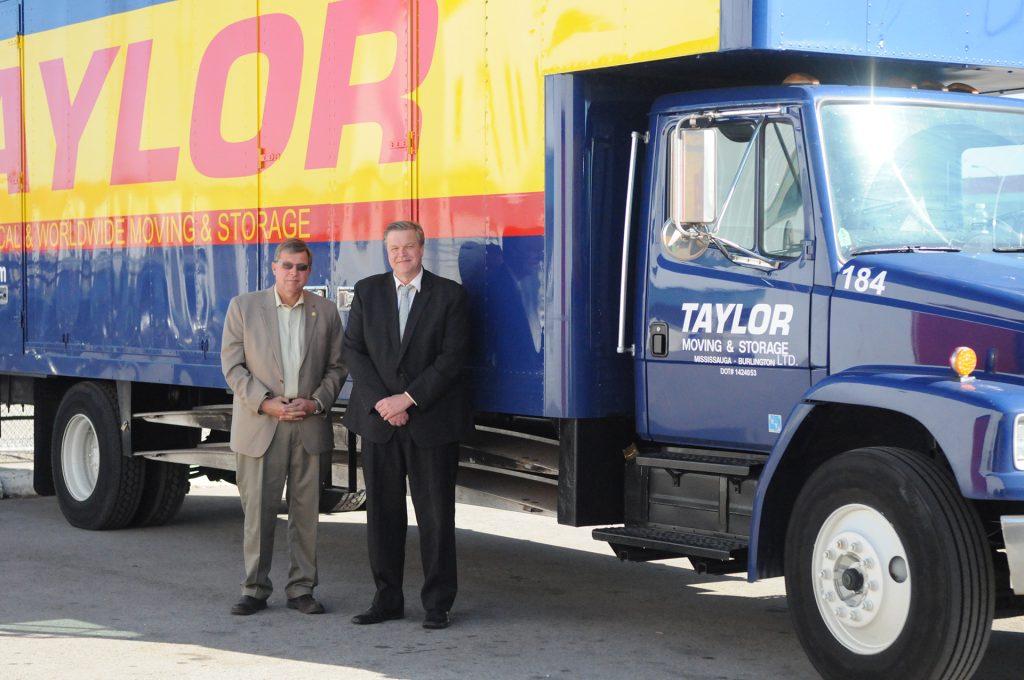
Moving across Canada, or even just across a province, involves more than just packing boxes. It’s a big undertaking, and thinking through a few key things beforehand can make a world of difference. You want to make sure everything goes smoothly from the moment the movers arrive to when they drop off your last piece of furniture.
What to Expect During a Long Distance Move: Estimate to Delivery
When you get a quote, it’s usually based on an estimate. This estimate is your best guess at the total cost, but sometimes things change. The movers will give you a price range, and the final cost could be a bit higher or lower depending on the actual weight of your shipment and any extra services you might need. It’s good to have a buffer in your budget for these possibilities. Communication with your moving company throughout the process is super important. They should keep you updated on timelines and any potential changes. You’ll get an estimated delivery window, and they’ll usually call you a day or two before to confirm the exact delivery time. It’s a good idea to have a plan for what you’ll do if there are any delays, especially if you have kids or pets.
Weight-Based vs. Hourly Moving Costs: Understanding the Difference
How movers charge can really change the final bill. In Canada, long-distance moves are often priced based on the weight of your belongings. This makes sense because heavier loads mean more fuel and more effort. The heavier your stuff, the more you’ll pay. This is common for moves over a certain distance, like between provinces. On the other hand, some local moves, or smaller long-distance jobs, might be charged by the hour. This means you pay for the time the movers spend packing, loading, and unloading. It can be good if the crew is super fast, but it can get expensive if they take a long time. Always ask your mover how they calculate their prices before you book.
Ensuring the Safety of Your Belongings During Transit
Your stuff is important, and you want it to arrive in the same condition it left. Good movers will take steps to protect your furniture and boxes. This often includes using moving blankets, shrink wrap, and proper packing techniques. For fragile items, consider professional packing services or at least using plenty of bubble wrap and sturdy boxes. Make sure you have a clear inventory list of everything being moved. This helps if anything goes missing or gets damaged. It’s also wise to pack a separate box with essentials you’ll need right away at your new place, like toiletries, a change of clothes, and important documents. This way, you don’t have to dig through everything looking for those crucial items. For cross-border moves, understanding the documentation required is key to a smooth transition. Gathering essential documentation is a vital first step.
Planning a big move across the country? It’s a lot to think about! Making sure you have all your ducks in a row is super important to avoid any headaches later on. From packing up your whole life to figuring out the best way to get it all there safely, there are several key things to keep in mind. Don’t let the stress of a long-distance move get you down. Visit our website today to discover helpful tips and get a free quote to make your journey smooth and easy!
Wrapping Up Your Canadian Move
So, you’ve made it through the planning and the packing. Moving across Canada can feel like a huge undertaking, but hopefully, this guide has made things a little clearer. Remember, picking the right movers is key, and it’s not just about finding the cheapest option. It’s about finding a team that communicates well, handles your stuff with care, and gets you to your new home without too many headaches. Take your time, do your research, and trust your gut. Here’s to a smooth transition and a great start in your new Canadian home!
Frequently Asked Questions
How much does it cost to move long distance in Canada?
The price of a long-distance move in Canada depends on a few things. The main factors are how much stuff you have (weight and volume) and how far you’re moving. Companies usually charge by weight, but sometimes they might charge by the hour, especially for shorter distances or if they’re just moving a few items. Always get a few quotes to compare!
Why do moving quotes differ so much?
Moving companies give different prices because they estimate things differently. Some might include more services, like packing or unpacking, in their basic quote. Others might have different ways of calculating the weight or distance. It’s also important to remember that the cheapest quote isn’t always the best value. Look for a company that’s reliable and offers good service for the price.
What’s usually included when I hire long-distance movers?
Most long-distance moving services cover the loading of your belongings onto the truck, the transportation to your new home, and the unloading. Some companies also offer packing and unpacking services for an extra fee. It’s a good idea to ask what’s included in your specific quote so there are no surprises.
How far ahead of time should I book movers for a long-distance move?
It’s best to book your long-distance movers at least 4 to 6 weeks before your moving date. During busy seasons, like summer or the end of the month, you might even want to book 2 to 3 months in advance. This gives you more options and helps ensure you get the moving date you want.
What should I expect from the moving process, from start to finish?
First, you’ll get an estimate, either in person or online. On moving day, the crew will carefully load your items. The truck will then travel to your new home, which can take several days depending on the distance. Once it arrives, the movers will unload everything. Clear communication with your moving company throughout the process is key.
How do I pick the best moving company for a long-distance move in Canada?
Look for companies that are registered and insured. Read reviews from past customers to get an idea of their service quality. Get detailed quotes from at least three different companies and compare not just the price, but also what services are included and the company’s reputation. A company that communicates well and seems trustworthy is usually a good sign.
Leave a Comment