Seamless Corporate Moving in El Paso, TX: Your Guide to a Smooth Transition
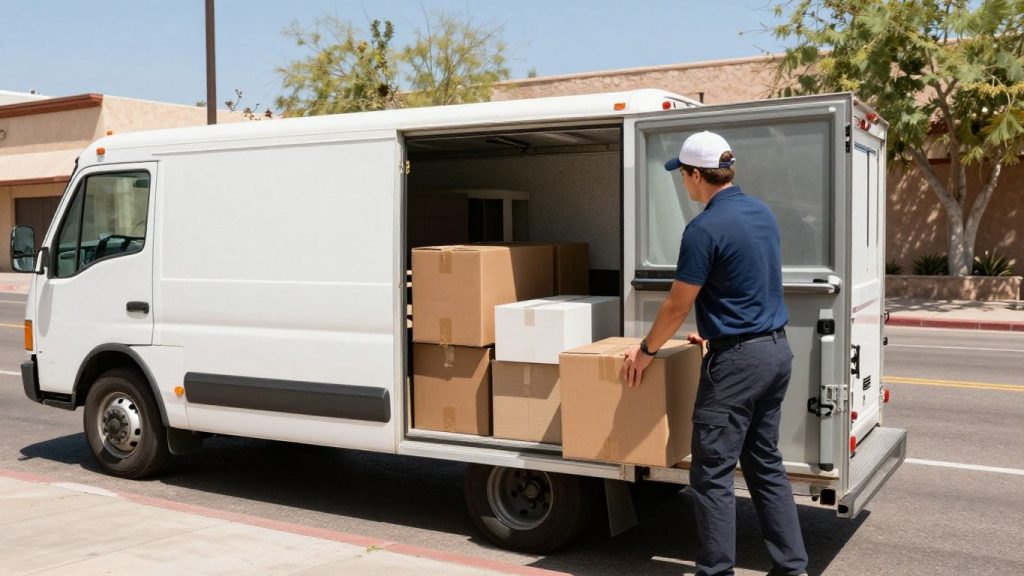
Moving a business can feel like a huge task, especially when you’re heading to a new city like El Paso. It’s not just about packing up desks and computers; it’s about making sure your operations keep running smoothly and your team feels ready for the change. This guide is here to help you figure out the best way to handle your Corporate Moving needs in El Paso, TX, making the whole process less of a headache and more of a fresh start.
Key Takeaways
- When planning your Corporate Moving strategy, look into El Paso’s business incentives and understand the local legal requirements for setting up shop.
- Choose a reliable moving partner experienced in business relocations to handle packing and logistics efficiently.
- Get your business set up by securing office space and arranging for utilities and internet services early on.
- Help your team adjust by providing support for their relocation and introducing them to the local El Paso community and lifestyle.
- Optimize your supply chain by understanding cross-border logistics and customs procedures relevant to El Paso’s unique location.
Planning Your Corporate Moving Strategy
Moving your business to a new city, especially one like El Paso with its unique cross-border advantages, requires a solid plan. It’s not just about packing up boxes; it’s about setting your company up for success in a new environment. Getting this right from the start can save a lot of headaches down the road.
Selecting the Right El Paso Location for Your Business
Choosing the right spot in El Paso is a big deal. Think about what your business needs most. Are you looking for easy access to transportation routes for shipping? Maybe you need to be close to a specific talent pool or a particular industry cluster. El Paso offers a variety of zones, from bustling commercial districts to areas with more industrial capacity. It’s worth looking into the different neighborhoods and what they offer in terms of infrastructure, local amenities, and potential for growth. Consider how the location aligns with your operational needs and your company’s long-term vision.
Navigating Legal and Registration Requirements
When you move your business to Texas, there are some official steps you’ll need to take. This includes registering your business with the state. You might need to file a Certificate of Authority and get a Texas Sales Tax Permit if you’ll be selling goods or services. It’s also a good idea to check local zoning laws to make sure your chosen location fits your business type. Getting these legal bits sorted early prevents future problems.
- File a Certificate of Authority with the Texas Secretary of State.
- Apply for a Texas Sales Tax Permit.
- Update any necessary business licenses and registrations.
- Review local zoning and property regulations.
Setting up your business in Texas involves understanding state and local regulations. While Texas is known for being business-friendly, it’s still important to follow all the required procedures to operate legally and smoothly.
Understanding Business Incentives in Texas
Texas, and El Paso specifically, often has programs designed to attract and support businesses. These can include tax breaks, grants, or other forms of financial assistance. Researching these incentives is a smart move. They can significantly reduce the costs associated with relocating and setting up operations. Sometimes, these incentives are tied to job creation or specific types of investment, so understanding the criteria is key. You can often find information on these programs through the local Chamber of Commerce or economic development agencies. For example, companies involved in international trade might find specific benefits related to cross-border activities. Exploring options like those offered by Sparkle Moving Services can also shed light on available support.
Executing a Seamless Corporate Move
Alright, so you’ve picked El Paso, and you’re ready to get this whole operation rolling. This is where the rubber meets the road, so to speak. It’s not just about packing boxes; it’s about making sure everything keeps running, or at least gets back up and running fast. Picking the right people to help you with this is a big deal. You don’t want just any moving company; you need folks who get the corporate side of things, the logistics, and maybe even the cross-border stuff if that’s part of your plan.
Choosing Your Corporate Moving Partner
This isn’t like moving your couch. You need a company that understands business continuity. They should be able to handle everything from sensitive equipment to office furniture, all while minimizing downtime for your team. Look for movers with experience in commercial relocations, especially those familiar with the El Paso area. Ask about their process for planning, packing, and the actual move day. A good partner will feel like an extension of your own team, not just a service provider.
Here’s what to look for:
- Experience: Have they moved businesses like yours before? What size? What industry?
- Services: Do they offer packing, unpacking, storage, and disposal of old items?
- Insurance: What kind of coverage do they provide for your assets during the move?
- References: Can they provide testimonials or contact information for past clients?
- Technology: Do they use any tracking or inventory systems to keep things organized?
Efficient Packing and Logistics Management
This is where the real work happens before the big day. Proper packing means everything arrives in the same condition it left. For a business, this means labeling everything clearly – not just the room it goes in, but also its contents and priority. Think about your IT equipment; it needs special care. Logistics management is about the timeline. When do things get packed? When do they get moved? When do they get set up at the new place? It all needs to be mapped out.
Consider these points for packing and logistics:
- Inventory: Create a detailed list of everything being moved. This helps with insurance and makes sure nothing gets lost.
- Labeling System: Use a consistent system for all boxes and furniture. Include the destination office/desk and a brief description of contents.
- Timeline: Work backward from your desired move-in date. Schedule packing, loading, transit, and unloading with your moving partner.
- IT & Sensitive Items: Plan for the disconnection, secure transport, and reconnection of computers, servers, and other critical technology.
Planning the physical move is only half the battle. You also need to think about how your operations will continue, even if at a reduced capacity, during the transition. Communication with your team and clients is key to managing expectations.
Coordinating Cross-Border Operations
If your business has ties across the border, El Paso presents unique opportunities and challenges. Moving operations that involve Mexico requires a specific kind of planning. This isn’t just about trucks crossing a line; it’s about understanding customs, regulations, and different business environments. You’ll need partners who are well-versed in international logistics and trade compliance. This could involve IMMEX programs or other trade agreements that can save you money and time, but only if handled correctly.
Key aspects to consider for cross-border moves:
- Customs Brokerage: Having a reliable customs broker is non-negotiable. They handle the paperwork and ensure smooth passage.
- Transportation: Choose carriers experienced with cross-border freight. They know the routes, the border wait times, and the best ways to manage transit.
- Documentation: Ensure all permits, licenses, and declarations are accurate and in order. Mistakes here can cause significant delays and costs.
- Legal Compliance: Understand the import/export laws in both countries. This includes any specific requirements for your industry or products.
Getting this right means your business can continue to operate efficiently, taking advantage of the strategic location of El Paso without getting bogged down in red tape.
Setting Up Your Business in El Paso

Alright, so you’ve made the big move to El Paso, and now it’s time to get your business up and running. This part can feel a bit like putting together furniture without instructions, but don’t worry, we’ll break it down.
Establishing Utility Services and Connectivity
First things first, you need the basics: power, water, and internet. Without these, your business is pretty much on pause. El Paso Electric handles the power, and El Paso Water takes care of the water. For internet and phone, you’ve got a few choices. AT&T and Spectrum are the big players, but it’s worth checking out smaller providers too, especially if you’re in a specific industrial area. Sometimes they have better deals or more reliable service for businesses.
Here’s a quick rundown of who to call:
- Electricity: El Paso Electric
- Water: El Paso Water
- Internet/Phone: AT&T, Spectrum, and other local providers
Make sure to set up these services a few weeks before you officially open your doors. You don’t want to be scrambling on day one trying to get your computers online.
Securing Office Space and Facilities
Finding the right spot for your business is a big deal. El Paso has a range of options, from downtown office buildings to industrial parks on the outskirts. Think about what your business actually needs. Do you need a lot of foot traffic? Are you dealing with heavy equipment? Proximity to major highways like I-10 is a plus for logistics.
Consider these factors when looking:
- Location: Is it convenient for employees and clients?
- Size and Layout: Does it fit your current needs and allow for future growth?
- Zoning: Does the area permit your type of business activity?
- Lease Terms: Understand the costs, duration, and any restrictions.
El Paso’s commercial real estate market can be quite competitive, so it’s wise to work with a local commercial real estate agent. They know the ins and outs of the market and can help you find spaces that might not even be listed publicly yet.
Workforce Recruitment and Training
El Paso has a solid workforce, especially in sectors like healthcare, education, and logistics, thanks to places like Fort Bliss and the University of Texas at El Paso (UTEP). When you’re looking to hire, think about what skills you need most. The local community colleges, like El Paso Community College (EPCC), are great resources for finding skilled workers and can even partner with you for specific training programs.
When recruiting, remember:
- Local Talent Pool: Tap into the existing workforce with relevant experience.
- Training Programs: Partner with local educational institutions for specialized training.
- Employee Benefits: Offer competitive wages and benefits to attract and keep good people.
Getting your team settled and productive is key to a successful launch in your new El Paso location. Don’t underestimate the time and effort it takes to build a strong team.
Integrating Your Team into the El Paso Community
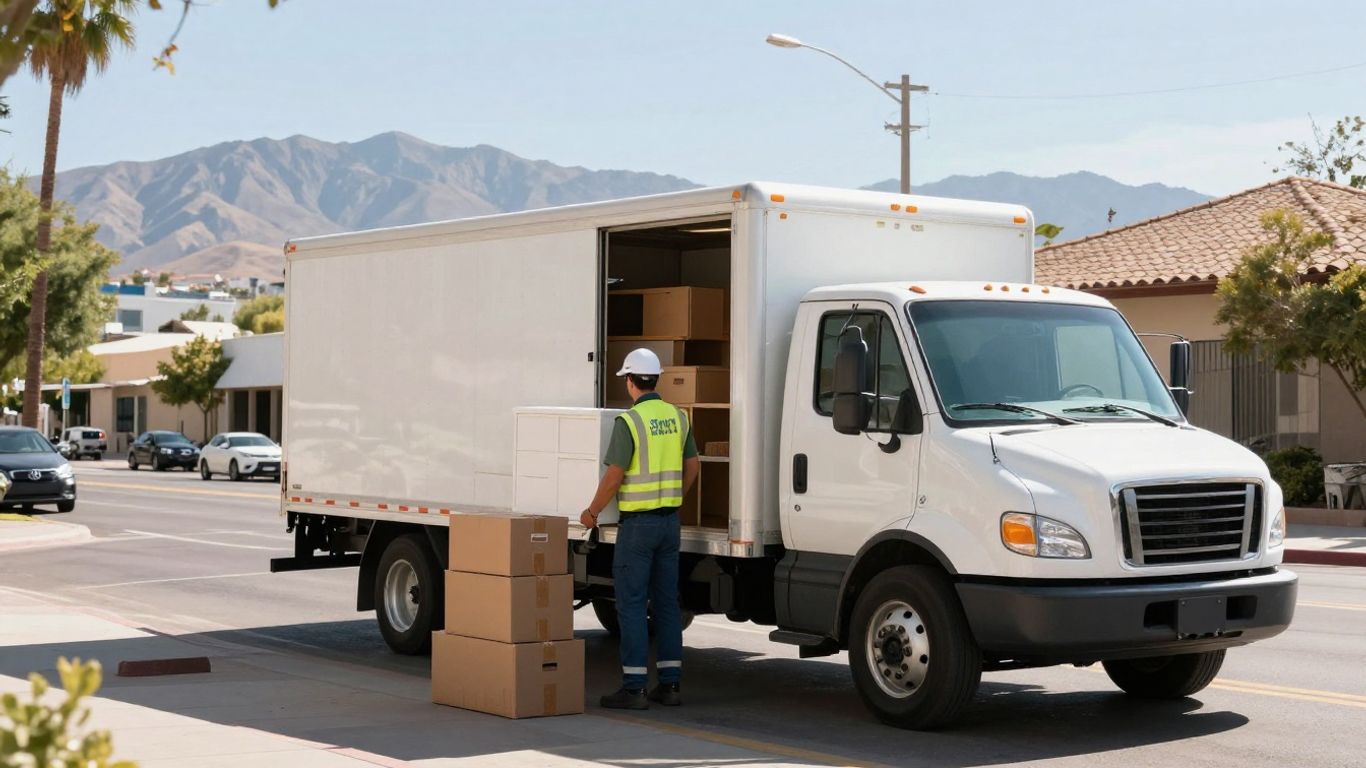
Moving your business to El Paso is a big step, and making sure your team feels at home here is just as important as the move itself. It’s not just about getting people from point A to point B; it’s about helping them settle in, connect with the local vibe, and feel like they’re part of something new and exciting. El Paso has a unique character, and understanding it will make the transition smoother for everyone.
Supporting Employee Relocation and Transition
Relocation assistance goes beyond just packing boxes. Think about offering resources that help your employees and their families adjust to life in a new city. This could include providing information on local schools, housing options, and even helping them find doctors or dentists. A little bit of support can make a huge difference in how quickly people feel settled and productive.
- Neighborhood Exploration: Encourage employees to spend time exploring different parts of El Paso before they commit to a place to live. Each area has its own feel, from historic districts with unique architecture to newer developments with more amenities. Suggest visiting parks, driving during rush hour, and maybe even grabbing a coffee at a local spot to get a real sense of the place.
- School Information: If employees are moving with families, providing details about the local school districts (El Paso ISD, Ysleta ISD, Socorro ISD) and any charter or private options is a big help. Knowing about UTEP and EPCC is also good for employees looking to further their own education.
- Welcome Resources: Consider setting up a point person or a small welcome packet with key local information. This could include maps, lists of community events, and contact info for essential services. Some companies even offer a small stipend for initial setup costs.
Understanding Local Culture and Lifestyle
El Paso is a city where two cultures meet, creating a really interesting and welcoming atmosphere. It’s a place where you’ll hear both English and Spanish spoken regularly, and local traditions are a big part of everyday life. Getting a feel for this cultural blend is key to enjoying life here.
The blend of American and Mexican influences isn’t just for show; it shapes the food, the music, the festivals, and the general pace of life. Embracing this fusion is part of what makes El Paso special.
- Cultural Events: Encourage your team to check out local events like Chalk the Block, the Neon Desert Music Festival, or the various weekend markets. These are great ways to experience the local arts, music, and food scene.
- Bilingualism: While not everyone speaks Spanish, having some basic phrases can really help in daily interactions and make people feel more connected. It shows respect for the local culture.
- Desert Living: El Paso has a desert climate with plenty of sunshine. Help your team understand how to adapt, like staying hydrated, using sunscreen, and adjusting outdoor activities for the warmer months. Also, be aware of occasional dust storms and how to prepare.
Leveraging Community Resources for Newcomers
There are many ways for your employees to get involved and feel connected in El Paso. The city has a strong sense of community, and people are generally friendly. Helping your team tap into this can speed up their integration.
- Local Groups and Clubs: Suggest looking for hobby-based clubs, sports leagues, or volunteer opportunities. Whether it’s hiking in the Franklin Mountains, joining a book club, or volunteering at a local charity, these are excellent ways to meet people outside of work.
- Outdoor Activities: El Paso offers fantastic outdoor opportunities. Mentioning places like Franklin Mountains State Park, the Rio Grande Trails, or Ascarate Park can encourage employees to explore the natural beauty of the area.
- Networking: Encourage employees to be proactive. Striking up conversations with neighbors, attending local gatherings, and visiting community centers can help build a social network quickly. The city’s size makes it easier to feel like you know people once you make an effort.
Optimizing Your Supply Chain and Operations
Moving your business to El Paso means taking a close look at how your goods get from point A to point B. It’s not just about the move itself, but about making sure your whole operation runs smoothly afterward, especially if you’re dealing with international shipments.
Cross-Border Freight and Transportation Expertise
Getting your products across the border efficiently is a big deal. You need to think about how raw materials get into your new El Paso facility and how finished goods get out to your customers. This involves mapping out your material flow and figuring out the best border crossings to use. Some crossings are busier than others, and wait times can really mess with your schedule. It’s worth looking into which ones work best for your specific location and destination markets.
- Map your material flow: Understand what’s coming in and what’s going out.
- Identify optimal crossings: Consider wait times, infrastructure, and your facility’s location.
- Plan for transit time: Factor in border delays, not just driving hours.
Reliable transportation between your Mexican facility and U.S. markets is key. This means working with carriers who know the ins and outs of cross-border movements. You’ll want to make sure they have the right permits, insurance, and a good track record. Sometimes, you might need to transfer freight at the border, so understand how that process works.
Customs Compliance and Documentation Management
This is where things can get tricky, but it’s super important. You’ll be working with a customs broker, and picking the right one makes a huge difference. They handle all the paperwork for imports and exports, making sure you follow the rules. This includes things like commercial invoices, packing lists, and any special permits your products might need. If you’re using programs like IMMEX, your broker will be vital for keeping everything compliant.
Staying on top of customs regulations and having accurate documentation ready can prevent costly delays and keep your operations moving.
Here’s a quick look at what your broker helps with:
- Import/export paperwork
- Following trade rules (like USMCA)
- Resolving customs issues quickly
- Optimizing duties where possible
Warehousing and Inventory Solutions
Once you’re set up, you need a solid plan for storing your goods. Having warehouse space on both sides of the border can give you flexibility. This helps you manage your inventory better and can act as a buffer against those unpredictable border delays. It’s all about positioning your stock where it makes the most sense for production and delivery. You’ll also need systems in place to track everything, especially if you’re dealing with temporary imports under programs like IMMEX. Accurate inventory tracking is non-negotiable for compliance.
Wrapping Things Up
So, moving your business to El Paso, Texas, might seem like a big task, but with a solid plan, it can go pretty smoothly. Think about what makes El Paso a good fit for your company, whether it’s the growing job market or just the general vibe of the place. Getting all your paperwork in order and picking the right spot are key steps. And hey, don’t forget to check out what makes El Paso special once you’re all settled in. It’s a city with a lot to offer, and making the move here could be a really good decision for your business’s future.
Frequently Asked Questions
What makes El Paso a good place for businesses to move to?
El Paso offers a business-friendly environment with fewer rules and lower costs than many other places. Plus, Texas doesn’t have a state income tax, so businesses can keep more of their money. It’s a great spot for companies looking to grow and do well.
What are the main steps when moving a business to El Paso?
First, you need to pick the right spot in El Paso for your business. Then, you’ll handle the paperwork, like registering your business with the state. After that, you’ll set up utilities and get your office ready. Finally, you’ll hire and train your team.
How can a moving company help with a business move to El Paso?
A good moving company can help with packing your office stuff carefully and moving it safely. They handle the tricky parts of logistics, like planning the route and making sure everything arrives on time. This lets you focus on running your business during the move.
What should I know about the job market in El Paso?
El Paso has jobs in areas like healthcare, education, and the military, thanks to places like Fort Bliss. Its location also makes it good for jobs in shipping and trade between the U.S. and Mexico. There are chances for many different kinds of workers.
How can my employees adjust to living in El Paso?
Encourage your team to explore El Paso’s unique culture, which mixes U.S. and Mexican influences. Help them find places to live and learn about local events. Also, point them towards resources that can help with things like schools and getting around town.
What kind of support is available for businesses moving across the border to El Paso?
Companies moving to El Paso can get help with shipping goods across the border. Experts can handle all the paperwork needed for customs and make sure everything follows the rules. They can also help find places to store goods if needed.
Leave a Comment