Seamless Cross Border Moving: Your Guide to International Relocation

Moving your life to another country is a big deal. It’s exciting, sure, but also kind of a headache when you think about all the stuff involved. You’ve got to pack everything, figure out what you can and can’t bring, and then deal with all the rules in the new place. It’s a lot to handle, and honestly, it’s easy to feel lost. This guide is here to help make cross border moving feel a little less scary and a lot more manageable. We’ll break down what you need to know so you can focus on the adventure, not just the stress.
Key Takeaways
- When planning cross border moving, know what services are out there, like packing, shipping, and corporate relocation help.
- Get ready for your international move by sorting documents and deciding what to take well in advance.
- Understand customs rules and get insurance for your stuff to avoid problems and protect your belongings.
- A good timeline, starting six months before, helps manage all the steps of cross border moving.
- Work with certified international movers who know how to handle the details of customs and shipping across borders.
Understanding Your Cross Border Moving Needs
Moving to another country is a big deal, and it’s not just about packing up your stuff. It’s a whole new chapter, and getting it right from the start makes a huge difference. Thinking about what you actually need from a moving company is the first step to making this whole process less of a headache.
What International Relocation Services Are Offered?
When you start looking around, you’ll see that moving companies offer a bunch of different services. It’s not a one-size-fits-all situation. Some companies focus on just getting your boxes from point A to point B, while others handle pretty much everything. You can get help with packing, which is a lifesaver if you have a lot of delicate items or just don’t have the time. Then there’s the actual shipping, whether it’s by sea or air, and often they’ll manage the whole door-to-door process. For businesses, there are special services to help employees move without disrupting work too much.
- Full-service packing: Professionals pack everything for you.
- Customs clearance assistance: Help with the paperwork at the border.
- Storage solutions: If you need to store items temporarily.
- Vehicle shipping: Transporting your car or other vehicles.
It’s really about figuring out which parts of the move you want to handle yourself and which parts you’d rather have experts take care of. Don’t be afraid to ask companies exactly what’s included in their packages.
How to Prepare for Your International Move
Getting ready for an international move means getting organized way ahead of time. One of the biggest things is sorting through your belongings. The more stuff you have, the more it costs to move, so it’s a great time to declutter. Think about what you really need and what you can sell, donate, or toss. Also, start gathering all your important papers early. Passports, birth certificates, marriage licenses, and any medical records should be collected and copied. You’ll want to keep these with you, not packed away in a box. It’s also smart to get quotes from a few different moving companies to compare prices and services.
Insurance Options for Your Valuables
When your belongings are traveling across oceans, things can happen. That’s why insurance is super important. Most international movers will offer some kind of protection for your items. It’s not usually included automatically, so you have to ask about it. There are different levels of coverage, and the cost usually depends on the value of the items you’re insuring. Make sure you understand what the policy covers and what it doesn’t. For example, some policies might cover damage during transit, but not necessarily if something gets lost. Reading the fine print is key here to avoid any surprises later on.
Expert Solutions for Your International Relocation

Moving across borders is a big job, but you don’t have to work through it alone. The right team and services can really change the moving experience from frustrating to smooth. Here’s how professional support can make a difference at every stage.
Comprehensive International Packing Services
Making sure your belongings survive the move is a concern for everyone. International packing pros:
- Know how to pack for different countries’ shipping standards
- Use sturdy materials built to handle long, bumpy trips
- Offer advice on what’s risky to pack and what’s better left behind
You can also opt for partial or full packing options depending on your comfort with self-packing. For those who prefer hands-off, pros handle it from start to finish so you can relax or tackle other priorities.
Door-to-Door International Moving
Door-to-door service means movers handle everything—pickup, transport, customs clearance, and delivery. Benefits of this approach include:
- One point of contact throughout your move
- Clear tracking of your shipment
- Less stress about coordination or language barriers
Here’s a quick breakdown of what you can expect from a typical door-to-door service:
| Step | What It Means |
|---|---|
| Pickup | Items packed and loaded at home |
| Shipping | Secure international transport |
| Customs Handling | Movers help clear goods at borders |
| Delivery & Unpacking | Belongings set up at your new place |
Don’t forget: Moving between countries means dealing with customs. For a stress-free handover, check out customs guidance for international moves and talk to your movers early about paperwork.
Tailored International Corporate Relocation
Business moves have even more moving parts. Most companies offer dedicated corporate relocation help, including:
- Handling cross-border paperwork for employees and their families
- Arranging temporary housing and shipping work equipment
- Working around tight work schedules and business needs
Sometimes, what you truly need is someone who’s done this hundreds of times and can spot problems before they happen. The right mover can save you time, hassle, and money that might’ve slipped through the cracks on your own.
In the end, international movers give you control and peace of mind when you’re facing all the unknowns of relocating to a new country.
Navigating the Logistics of Cross Border Moving
Moving across borders means dealing with a whole new set of rules and paperwork. It can seem like a lot, but breaking it down makes it manageable. The key is to be prepared and work with people who know the ropes.
Understanding Customs Rules and Restrictions
Every country has its own way of handling goods that come in. This is where customs comes into play. They check what you’re bringing in to make sure it follows their laws. You absolutely need to know what’s allowed and what’s not before you even start packing. Some things might be taxed heavily, and others might not be allowed at all. Think about things like food, plants, or even certain electronics. Your moving company can be a huge help here, guiding you on what to expect and how to declare your items properly. They often have experts who deal with this stuff every day.
Here’s a quick look at common areas with restrictions:
- Food and Agricultural Products: Many countries have strict rules to prevent pests and diseases. This can include anything from fresh produce to processed foods.
- Vehicles: Importing a car often involves specific registration, safety, and emissions standards, plus taxes and duties.
- Alcohol and Tobacco: There are usually limits on how much you can bring in without paying extra fees.
- Medications: Prescription and over-the-counter drugs may have specific regulations.
Dealing with customs can feel like a maze, but it’s really about following the instructions. Having a detailed inventory of everything you’re shipping is super important. This list helps customs officials understand what’s in your shipment and can speed up the process. It also helps prevent any surprises when your belongings arrive.
The Importance of Certified International Movers
When you’re moving internationally, picking the right movers is a big deal. Look for companies that are certified for international moves. These companies know the ins and outs of cross-border shipping, customs, and all the necessary paperwork. They’ve done this hundreds of times before. They can help you with everything from packing your fragile items securely to making sure all the documentation is correct for your destination country. This kind of specialized knowledge can save you a lot of stress and potential problems down the line. You can find resources to help you choose international movers.
Managing Documentation for International Moves
Paperwork is a huge part of moving abroad. You’ll need to gather a lot of documents, and they all need to be accurate. This includes things like:
- Passports and Visas: Make sure these are up-to-date and valid for your new country.
- Inventory List: A detailed list of everything you’re shipping, often with estimated values.
- Customs Declarations: Forms required by the destination country.
- Proof of Ownership: For certain items, you might need to show you’ve owned them for a specific period.
- Work Permits or Residency Permits: If applicable.
Your moving company will usually provide templates and guidance for these documents. It’s best to get started on this early, as gathering and filling out these forms can take time. Having copies of everything, both physical and digital, is always a good idea.
Planning Your International Relocation Timeline
Timing is everything when you’re moving overseas. No matter how organized you think you are, international relocation has tons of steps, deadlines, and surprises along the way. Thinking through each phase ahead of time can save you headaches, money, and last-minute panic. Here’s how you can break your move into a manageable timeline, piece by piece.
The Six-Month International Relocation Countdown
Six months might seem like forever, but it isn’t. This is when the groundwork happens:
- Research destinations and moving requirements (like import rules and what you actually can bring).
- Start budgeting for your move, factoring in moving expenses, travel, and setup costs.
- Reach out for moving quotes – at least three, and make sure they’re certified for international work.
- Reserve your moving dates with your chosen company.
- Begin creating a personal checklist.
A sample timeline can help keep tasks in perspective:
| Month Before Move | Key Tasks |
|---|---|
| 6 | Research, budget, inquiries |
| 4-5 | Sort belongings, get quotes |
| 3 | Reserve movers, start documents |
| 2 | Finalize inventory, book travel |
| 1 | Pack, confirm all details |
The earlier you start, the more breathing room you’ll have once things ramp up.
Gathering Essential Personal Documents
Don’t wait until the last minute to find your paperwork. International moves can stall for days—or weeks—if you’re missing documents.
- Collect passports, birth/marriage certificates, and visas.
- Scan and save digital copies, just in case—cloud storage or a secure drive works.
- Store the originals in a travel pouch or a safe spot you’ll have on you (not in a shipment box).
Remember to check if you need medical or school records for entry to your new country. Notify key institutions, like banks and insurance providers, early so there’s time to handle surprises.
For a more detailed month-by-month breakdown of task lists, this 12-month checklist for your move has every step mapped out.
Decluttering Before Your International Move
It’s tempting to haul every possession across the world, but the size of your shipment will hit your wallet hard. This is the best moment to let go of extra stuff:
- Walk through your place room by room and sort items into things to take, store, or get rid of.
- Sell, donate, or discard what you truly don’t use.
- Work with your movers to make a preliminary inventory—this will also help get more accurate quotes and prepare customs paperwork.
You’ll pay less for shipping, and it’ll be much easier to set up your new home if you travel light. It also gives you a chance for a fresh start—you don’t want to open boxes in a new country and wonder why you kept three toasters.
Getting your timeline organized now is the best thing you can do for future-you. International moving is a lot, but following a plan means you can actually get excited, not just nervous.
The Physical Aspects of Your Cross Border Move
Moving overseas is a real workout, mentally and physically. Things get heavy, decisions pile up, and suddenly you’re packing up your life into cardboard boxes. Here’s how the physical side of international relocation usually unfolds.
Professional Packing and Shipping Techniques
Good packing is the only defense your stuff has for crossing continents. Movers use sturdy, double-walled boxes, bubble wrap, custom crates for odd-shaped items, all to prevent damage from bumpy boat rides or airport ramps. There are strict ways of labeling every box for customs too—a missed detail can create delays.
Common techniques movers use:
- Wrapping furniture in padded blankets and shrink-wrap
- Double-boxing fragile items (think glassware or electronics)
- Making custom wooden crates for artwork, pianos, or motorcycles
Below is a comparison table to show you how pro packing compares to doing it yourself:
| Packing Type | Average Prep Time | Breakage Rate (estimated) |
|---|---|---|
| DIY Packing | 10-20 hours | 10-15% |
| Professional Movers | 6-8 hours | 1-3% |
Take some stress off your plate by letting pros handle the wrapping and boxing; you’ll be surprised at the speed and care.
Tracking Your Shipment Across Borders
Once your stuff is on a truck, ship, or plane, it doesn’t disappear into a black hole (though it can feel that way). Modern moving companies give you tracking links or even a mobile app so you can see where your shipment is in real time. This matters because customs delays, storms, or strikes can bump your delivery schedule.
Look for shipment tracking services that include:
- Real-time location updates
- Estimated arrival windows
- Alerts for customs, loading, or delivery changes
There’s nothing quite like watching your sofa cross the Atlantic and knowing it’s making progress.
Arrival and Unpacking Services
When your boxes finally show up at your new address, you’re not left to fend for yourself. Unpacking services can include delivering boxes to the right rooms, re-assembling furniture, and clearing away packing debris. It’s a relief after weeks of feeling unsettled.
Most arrival services will offer to:
- Bring all boxes and furniture inside
- Unpack your belongins and set up key rooms (kitchen, bedrooms)
- Remove all boxes and packing supplies, so you’re not left with a mountain of cardboard
After a long move, being able to sleep in your own bed and make coffee in your real mug on day one feels like a small miracle.
Legal and Financial Considerations for International Moves
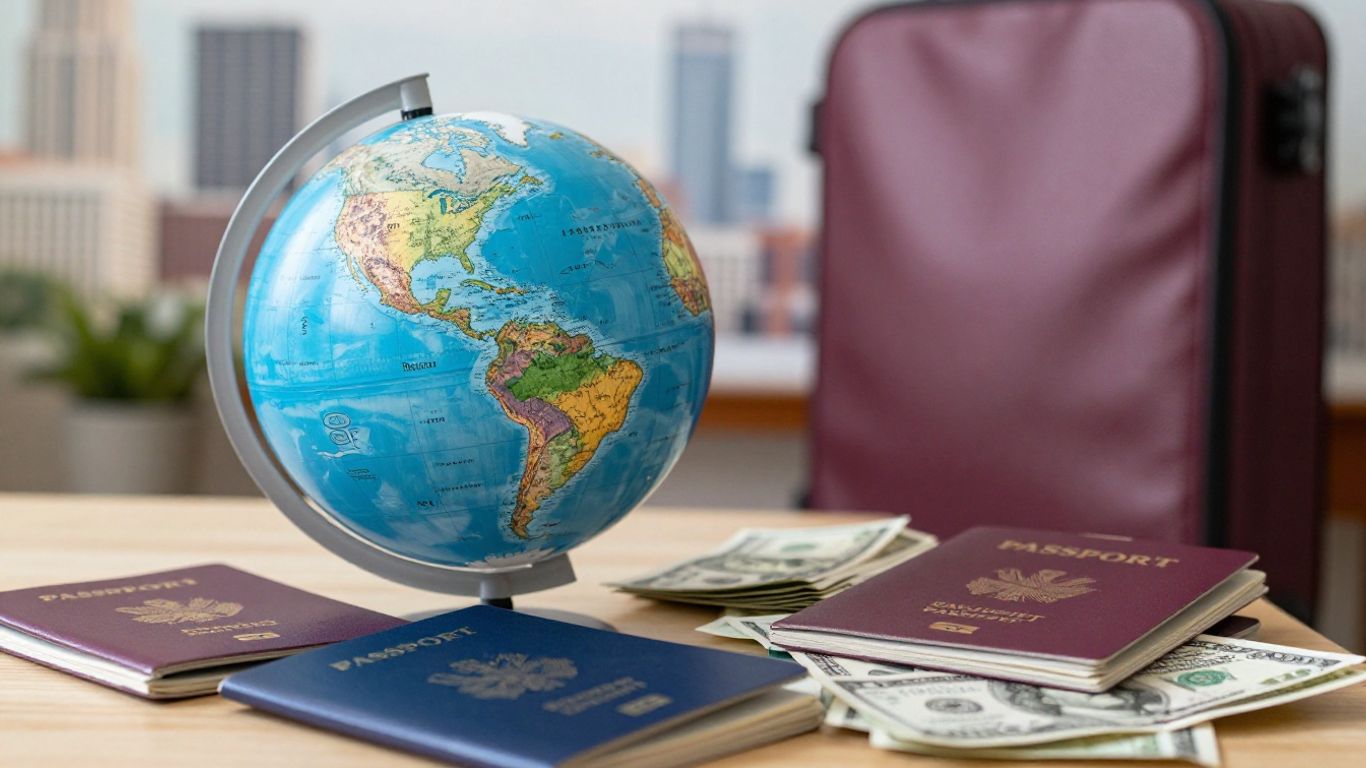
Moving overseas means you’ll run into a ton of rules you’ve likely never worried about before. Some are legal, some are financial, and both will impact how you settle into your new home. Let’s break these down so there are fewer surprises waiting for you on the other side.
Navigating Visa and Work Permit Requirements
Most countries won’t let you stay long-term or work without proper paperwork. Sorting out your visa might feel complicated, but skipping this step just isn’t an option. Work permits are often handled separately from your regular visa, and the requirements change depending on what country you’re heading to, your job, and sometimes even your family situation.
Here’s what you need to keep an eye on:
- Find out which visas you and your family need and exactly what’s required.
- Some places ask for proof of work before approving a visa, so be ready with documentation from your employer.
- Start early. Processing times can stretch out for months.
- If you’re not sure about details, immigration lawyers can walk you through the process.
Missing a key document can turn your move into a stressful scramble. Double-check deadlines and ask questions—the rules are strict, and authorities rarely make exceptions.
Understanding Tax Implications Abroad
It’s easy to forget about taxes when you’re busy booking flights and finding a new apartment, but the IRS hasn’t forgotten about you. Depending on where you move, you could be taxed by both your home country and your new one. Not fun. Luckily, there are some smart ways to stay compliant and avoid surprises.
- U.S. citizens usually have to report global income, even after leaving the country.
- Some countries have tax treaties that might spare you from being taxed twice.
- The timing of your move matters—a lot. Moving mid-year can change your filing obligations.
- Early planning is the best way to prevent costly mistakes. Review the pre-departure checklist for U.S. tax obligations and residency status to help you get started.
| Common Tax Considerations | Questions to Ask Yourself |
|---|---|
| Residency requirements | Will I be considered a resident abroad? |
| Reporting deadlines | When do I need to file? |
| Double taxation | Does a tax treaty apply to me? |
| State exit strategies | Am I breaking ties with my U.S. state? |
Ensuring Legal Compliance in Your New Country
Every country has its own laws about property, banking, and everyday life. Staying in line with the rules isn’t just about avoiding fines—it’s about being able to work, drive, and open a bank account without headaches.
- Register with local authorities as soon as you arrive if it’s required.
- Update your address, driver’s license, and banking to show you’re now living abroad.
- Research local rules for things like pets, vehicles, or even what you can bring into the country.
A quick checklist to stay legally on track:
- Collect all official documents you might need (birth certificates, marriage licenses, diplomas).
- Scan and save digital copies in a secure place—just in case you lose something.
- Reach out to expat groups who’ve already handled these steps in your new city.
The legal side of moving overseas takes effort upfront, but it pays off in how smoothly you’ll settle in. Consider it an investment in your peace of mind.
Ready for Your New Adventure?
So, moving to a new country is a big deal, no doubt about it. There’s a lot to think about, from packing up your whole life to figuring out all the paperwork and rules in a new place. It can feel like a lot, but honestly, with a good plan and the right help, it’s totally doable. Think of it as the start of something new and exciting. You’ve got this, and your new life abroad is just around the corner.
Frequently Asked Questions
What kind of services do you offer for moving overseas?
We offer a bunch of services to help you move internationally. This includes carefully packing your stuff, moving it from your old home to your new one (door-to-door), and even special services for companies moving their employees. We also have storage options if you need them.
How do I get ready for a move to another country?
Getting ready is super important! You should gather all your important papers, like passports and birth certificates. Also, it’s a great time to get rid of things you don’t need anymore. Working with us helps you make a plan so everything goes smoothly on moving day.
Can I get insurance for my belongings when moving abroad?
Yes, absolutely! We offer different insurance plans to keep your things safe while they’re traveling across borders. This way, you don’t have to worry as much if something unexpected happens.
What are customs rules and why are they important?
Customs rules are like the laws for bringing items into a new country. Each country has its own rules about what you can and can’t bring, and sometimes you have to pay taxes. We help you understand these rules so you don’t have problems at the border.
Why should I hire certified international movers?
Certified movers are like the pros of international moving. They know all the tricks and rules for moving things across countries. They’re trained to pack carefully, handle all the paperwork, and make sure your stuff gets to your new home safely. It’s a big help for a complicated move!
How long does it take to plan an international move?
It’s best to start planning at least six months before you plan to move. International moves have a lot of steps, like getting visas and dealing with shipping. Starting early gives you plenty of time to get everything done without feeling rushed.
Leave a Comment