Seamless Toronto to Boston Movers: Your Stress-Free Relocation Guide

Here are the main points to remember when planning your move from Toronto to Boston. Keep these in mind to make your relocation as simple as possible.
Key Takeaways
- Understand all the paperwork and customs rules for moving from Canada to the US.
- Book your Toronto to Boston movers well in advance, especially during busy seasons.
- Get detailed quotes and understand what they include to avoid surprises.
- Pack smart, label boxes clearly, and decide what you can and cannot bring.
- Choose a moving company with experience in cross-border moves for a reliable service.
Planning Your Toronto to Boston Move
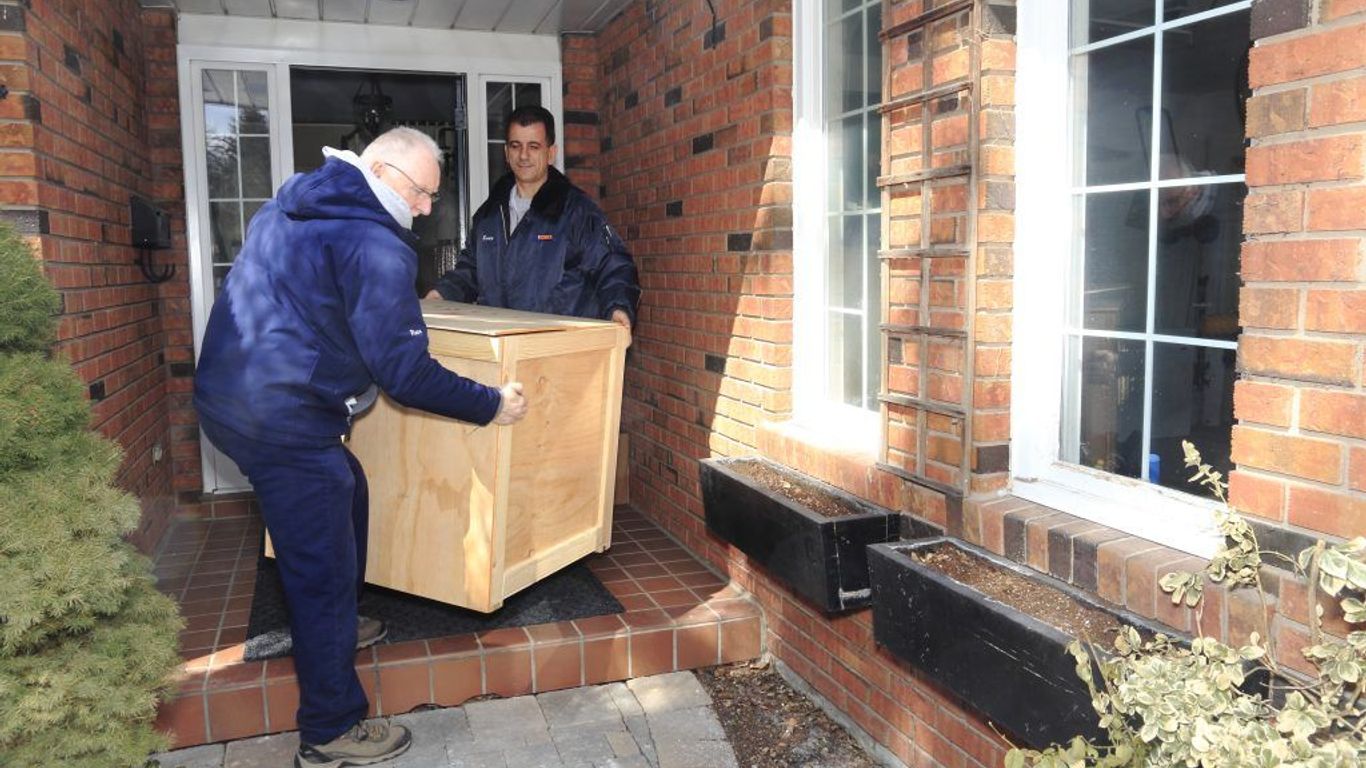
Moving from Toronto to Boston is a big step, and good planning makes all the difference. It’s not just about packing boxes; it’s about understanding the whole process, especially when you’re crossing an international border. Getting this right from the start means fewer headaches down the road.
Understanding Cross-Border Moving Requirements
When you move from Canada to the United States, there are specific rules you need to follow. These aren’t like moving within Canada. You’ll need to think about documentation, customs, and what you can actually bring with you. Failing to prepare for these requirements can lead to delays or even issues at the border. It’s a good idea to get familiar with what the U.S. Customs and Border Protection expects for household goods. This often involves declaring everything you’re bringing.
Choosing the Right Moving Services
For a move like Toronto to Boston, you need a mover that knows cross-border logistics. Not all moving companies handle international moves, and even fewer specialize in Canada-U.S. relocations. Look for companies with experience in this specific corridor. They’ll understand the paperwork, the customs procedures, and how to make the journey smooth. Some companies might offer different service levels, from full-service packing to just transportation. Think about what you need – do you want them to pack everything, or are you handling some of that yourself? It’s also worth checking if they have specific services for things like vehicles or special items. You can find companies that focus on these types of moves, like Tippet Richardson, which has experience with cross-border relocations.
When to Book Your Toronto to Boston Movers
Booking your movers well in advance is key for any long-distance move, but it’s even more important for cross-border relocations. The process involves more coordination, and popular dates fill up quickly. Aim to book your movers at least three weeks before your desired moving date, though booking even earlier, like a month or two out, is even better. This gives the moving company enough time to arrange logistics, prepare necessary documentation, and schedule their crews. It also gives you more time to sort out your own packing and preparations without feeling rushed. Planning ahead can also sometimes help secure better rates, especially if you’re flexible with your moving dates.
Navigating the Logistics of Cross-Border Relocation

Moving your life from Canada to the United States involves more than just packing boxes. There are specific rules and procedures you need to be aware of to make sure everything goes smoothly. It’s not quite like moving across town, that’s for sure. Understanding these details upfront can save you a lot of headaches later on.
Documentation Essentials for Canada to US Moves
When you’re moving from Canada to the US, having the right paperwork is super important. You’ll need to prove your identity and your right to move your belongings. This usually includes things like:
- Proof of Citizenship or Residency: This could be your Canadian passport, birth certificate, or Permanent Resident card. For the US side, you’ll need documentation showing your legal status in the US, like a visa or green card.
- Bill of Sale or Inventory List: A detailed list of all the items you’re bringing with you is a must. This helps customs officials understand what’s coming across the border. It’s a good idea to include the value of each item.
- Driver’s License or Government-Issued ID: You’ll need this for identification purposes.
It’s always a good idea to check the latest requirements with both Canadian and US border agencies before your move, as regulations can change.
Customs Procedures for Household Goods
Crossing the border with your household items requires a bit of a process. Your moving company will typically handle a lot of this, but it’s good to know what’s happening. Generally, you’ll need to declare all the goods you’re bringing into the US. Most personal effects and used household goods are allowed to enter duty-free, provided you’ve owned them for a certain period (usually at least a year) and they are for your personal use.
- Declaration Forms: You’ll fill out forms that list your belongings. This is where that detailed inventory list comes in handy.
- Inspection: Border officials have the right to inspect your shipment. This is why having accurate documentation is so important.
- Duty and Taxes: While most personal items are exempt, certain items might be subject to duties or taxes. This is less common for standard household moves but can apply to things like vehicles or high-value new items.
The entire process can seem a bit daunting, but professional movers specializing in cross-border moves are well-versed in these procedures. They can guide you through the paperwork and customs requirements, making the transition much easier.
What You Can and Cannot Bring Across the Border
There are specific rules about what you can and cannot bring when moving from Canada to the US. Most of your everyday household items are fine, but there are some exceptions.
Generally, you can bring:
- Used furniture and personal belongings
- Clothing and personal effects
- Appliances you’ve owned
- Books, tools, and similar items
Items you generally cannot bring, or that require special attention, include:
- Alcohol and Tobacco: There are strict limits on the amount you can bring across without paying duties.
- Firearms: Bringing firearms across the border is heavily regulated and often requires special permits and declarations. It’s best to check specific regulations well in advance.
- Certain Food Products: Some agricultural products, plants, and meats might be restricted to prevent the spread of pests and diseases. Always check with the relevant authorities before packing these items.
- Hazardous Materials: Things like propane tanks, certain chemicals, or flammable liquids are usually not allowed on moving trucks.
It’s always wise to consult the official websites of U.S. Customs and Border Protection (CBP) and the Canada Border Services Agency (CBSA) for the most current and detailed information. Planning your Canada to US move with a company experienced in these regulations is key to a successful relocation. The actual transit time for your belongings, once cleared, typically takes about 5-10 business days for delivery between Canada and the US, though customs can add to this total transit time.
Estimating Costs for Your Toronto to Boston Move
Figuring out the cost of moving from Toronto to Boston can feel like a puzzle. It’s not just about the distance; a lot of things play a part. Understanding these factors upfront helps you budget better and avoid surprises down the road.
Factors Influencing Long-Distance Moving Quotes
When you get a quote for moving your belongings from Canada to the US, several elements come into play. The weight of your shipment is a big one, naturally. The more stuff you have, the more it costs to move. Then there’s the distance itself – Toronto to Boston is a significant trek. The accessibility of both your current and new homes also matters. Are there tight streets, multiple flights of stairs, or long carries from the truck to the door? These can add time and labor, which translates to cost.
- Weight of your shipment: Heavier loads mean more fuel and effort.
- Distance: The mileage between Toronto and Boston is a primary cost driver.
- Accessibility: Ease of access at both origin and destination points.
- Time of year: Moving during peak seasons (like summer or holidays) can sometimes be more expensive.
- Additional services: Things like packing, unpacking, or special handling for large items.
Understanding Binding vs. Non-Binding Estimates
When you talk to movers, you’ll likely hear about different types of estimates. A non-binding estimate is just that – an estimate. The final cost could be higher or lower depending on the actual weight and services used on moving day. A binding estimate, on the other hand, is a fixed price. What they quote you is what you’ll pay, provided you don’t add or remove items from your inventory. There are also "binding not-to-exceed" estimates, which means the price won’t go over the quoted amount, but you might pay less if the move is quicker or lighter than expected. It’s smart to know which type you’re getting.
It’s important to clarify the type of estimate you receive. A binding estimate offers price certainty, which can be very helpful for budgeting your cross-border move. Always ask for a written confirmation of the estimate type.
How to Get an Accurate Moving Estimate
To get the most accurate estimate for your Toronto to Boston move, honesty is key. Be thorough when listing everything you plan to move. Many companies, including us, offer virtual estimates using tools like Yembo.AI software. This allows a sales representative to get a good look at your belongings without needing to visit in person, which is super convenient for cross-border moves. The more details you provide, the closer the estimate will be to the final cost. Don’t hesitate to ask questions about what’s included and what isn’t. Getting multiple quotes from reputable cross-border movers is also a good practice to compare pricing and services.
Ensuring a Smooth Transition to Boston
Moving day can feel like the big finale of a long production, and you want it to go off without a hitch. For those of you moving from Canada to the US, specifically to Boston, there are a few extra layers to consider, but with the right preparation, it’s totally manageable. The key is clear communication and having a solid plan in place before the trucks even arrive.
What to Expect on Moving Day
On the actual moving day, your primary job is to be available and to oversee the process. The moving crew will handle the heavy lifting, but you’ll need to be there to answer any questions they might have about what goes where, especially if you’ve packed items in a way that isn’t immediately obvious. It’s also a good time to do a final sweep of your old place to make sure nothing is left behind. For cross-border moves, the crew will also be managing the loading with an eye toward customs requirements, so they’ll be organized.
- Final Walk-Through: Before the movers leave your old place, do one last check of every room, closet, and cabinet.
- Inventory Check: If you have an inventory list, cross-reference it with the items being loaded onto the truck.
- Point of Contact: Be the main person the movers can talk to. This avoids confusion.
- Secure Personal Items: Keep important documents, medications, and a small overnight bag with you – don’t let them go on the truck.
The Role of Your Moving Coordinator
When you’re moving from Canada to the US, a moving coordinator is more than just helpful; they’re practically your lifeline. They’re your main point of contact throughout the entire process, from the initial quote to the final delivery in Boston. They handle the complex details, like coordinating with customs brokers if needed, scheduling the truck, and keeping you updated. Think of them as your personal move manager, taking the weight off your shoulders so you can focus on settling into your new life. They can also help with things like coordinating piano disassembly if that’s part of your move.
Stress Management Tools for Relocation
Let’s be honest, moving, especially across an international border, can be a real stressor. It’s a lot to juggle. We understand this, and that’s why we provide resources to help you manage the anxiety. Sometimes just knowing you have a plan and support makes a huge difference. Having a good moving company means you don’t have to worry about every single detail. We also have tools that can help you plan out your new space, which can be really useful if you’re downsizing or just want to visualize your new Boston home before the boxes arrive. You can use our floor planning tools to see how everything might fit. This is especially helpful when moving from a larger Canadian home to a potentially smaller space in Boston.
Why Choose Expert Toronto to Boston Movers
Moving between Canada and the United States, especially from a vibrant hub like Toronto to a historic city like Boston, involves more than just packing boxes. It requires a specialized understanding of cross-border regulations, logistics, and the nuances of international relocation. That’s where choosing experienced Toronto to Boston movers becomes incredibly important. We’re not just moving your belongings; we’re facilitating a significant life transition, and we do it with a focus on quality and care that sets us apart.
Taylor’s Experience in Cross-Border Moves
Our team has spent years honing the skills needed for Canada-US moves. We understand the documentation required, the customs procedures for household goods, and what you can and cannot bring across the border. This isn’t a one-off service for us; it’s a core part of what we do. We’ve helped countless individuals and families make this specific journey, so we’re familiar with the potential hurdles and how to clear them smoothly. This experience means fewer surprises and a more predictable moving day for you. We’ve seen it all, from navigating the complexities of moving a family home to relocating professionals with specific timelines. Our familiarity with routes and regulations means we can plan more effectively, which often translates to better timing and cost efficiency for your move. If you’re looking for movers who know the ins and outs of Canada to US moves, you’ve come to the right place.
Our Commitment to Quality and Service
What does "quality service" actually mean when it comes to moving? For us, it means clear communication from the very first call, transparent pricing, and a moving crew that treats your belongings with the same care they would their own. It means having a dedicated move coordinator who is your point person for any questions or concerns. We also believe in using technology to improve the moving process. For instance, our crews utilize route optimization software to help them arrive on time, and we can even provide access to floor planning tools so you can visualize your new space before you even arrive. We aim to make the entire process feel less like a chore and more like a well-managed project.
What Sets Us Apart from Other Movers
It’s the little things, and the big things, that make a difference. We offer flexible quoting options, including not-to-exceed estimates, so you have a clear picture of potential costs without unexpected spikes. Our team undergoes specialized training, including AI-augmented techniques, to minimize the risk of damage to your items. We also provide resources to help manage the stress that often comes with moving. Unlike local movers who might only handle moves within a province, our specialization in cross-border moves means we’re equipped for the unique challenges that come with crossing an international border. We understand that moving is a significant event, and our goal is to provide a service that reflects that importance, making your transition from Toronto to Boston as straightforward as possible.
Choosing the right movers for an international relocation isn’t just about transportation; it’s about partnering with a team that understands the complexities and is committed to a positive outcome. Our focus on cross-border expertise ensures you’re in capable hands.
Preparing Your Home for the Move
Getting your home ready for a big move, especially one that crosses the border from Canada to the US, takes some thought. It’s not just about packing boxes; it’s about making sure everything is organized and ready to go. A little preparation goes a long way in making the whole process smoother.
Packing Strategies for Long-Distance Moves
When you’re moving from Canada to Boston, packing needs a bit more attention than a local move. You want to protect your belongings during the longer journey. Start by decluttering; seriously, get rid of anything you don’t need. It saves you packing, moving, and unpacking. Use sturdy boxes and don’t overpack them – heavy boxes are hard to move and can break. Labeling is key. Write the room it belongs in and a brief description of the contents on each box. This makes unpacking so much easier when you arrive in Boston. For fragile items, use plenty of packing paper or bubble wrap. Think about using your linens, towels, and clothing to cushion breakable items – it’s a great way to save on packing materials and get more done at once. The goal is to pack smart, not just pack a lot.
Utilizing Floor Planning Tools
Ever wonder if all your furniture will actually fit into your new Boston home? It’s a common worry, especially when you’re moving from a familiar space in Canada to an unknown one. That’s where floor planning tools come in handy. These digital tools let you map out your new space and arrange your furniture virtually. You can see if your sofa will fit through the doorway or if your bed will fit in the bedroom. This can help you decide what to bring and what to leave behind, potentially saving you money on moving costs by not transporting unnecessary items. It’s a smart way to visualize your new life and make sure your belongings will have a place. You can find various online tools that help with this, some even free, to get a feel for how everything looks and fits before the movers even arrive.
Special Considerations for Valuables
When moving across the Canada-US border, certain items need extra care. Valuables, like jewelry, important documents, or sentimental items, should ideally be transported with you personally rather than packed on the moving truck. This gives you direct control over their safety. If you have high-value items that must be moved, discuss this with your moving company. They might have specific crating or packing procedures for such items. It’s also a good idea to have an inventory of these items, perhaps with photos or appraisals, just in case. Remember, while movers are careful, the safest place for irreplaceable items is often with you. For critical documents like passports, birth certificates, or any paperwork related to your move, keep them in a secure, easily accessible place that you carry yourself. You can find a helpful moving checklist to keep track of all these details.
Getting your home ready for a move can feel like a big task, but breaking it down makes it much easier. Think about decluttering items you no longer need and packing essentials first. Taking these steps now will save you time and stress later. For more helpful advice on preparing your space, check out our detailed moving tips on our website.
Conclusion
Moving from Toronto to Boston doesn’t have to be a headache. By planning ahead, understanding the rules for crossing the border, and choosing the right Toronto to Boston movers, you can make your transition smooth and easy. Companies like ours are here to help with every step, so you can focus on settling into your new life in Boston.
Frequently Asked Questions
How far ahead of time should I book Toronto to Boston movers?
It’s a good idea to book your movers at least three weeks before your moving date. This gives the moving company enough time to plan everything out properly. If you can book even earlier, like a month or two in advance, that’s even better, especially if you’re moving during a popular time like summer or the end of the month.
What kind of documents do I need to move from Toronto to Boston?
For moving from Canada to the US, you’ll likely need proof of citizenship, like a passport. If you’re moving for work or school, you’ll need the correct visa or work permit. Your moving company can help you figure out the exact papers needed for your situation, but having your passport ready is always a good start.
Can I bring all my household items to Boston?
Most of your regular household items are fine to bring. However, there are some things you can’t move, like certain plants, firearms, and large amounts of alcohol or tobacco. It’s best to check the official US Customs and Border Protection rules or ask your movers about any specific restrictions before you pack.
How do moving companies figure out the cost for a Toronto to Boston move?
The price usually depends on a few things. The main ones are how much stuff you have (weight and volume) and how far the movers have to drive. Things like packing services, special handling for big items, and the time of year can also change the price. Always ask for a detailed quote!
What’s the difference between a binding and a non-binding moving estimate?
A binding estimate is a set price that won’t change, no matter what. A non-binding estimate is just a guess, and the final price could be higher or lower depending on the actual weight and time. Some companies also offer ‘not-to-exceed’ estimates, which means the price won’t go up by more than a certain percentage.
What should I do on moving day?
On moving day, make sure you or someone you trust is there to oversee things. Keep important documents and essentials with you, like a box with toiletries and a change of clothes. Double-check that everything is loaded onto the truck and that you have the mover’s contact information. Then, you can relax a bit while they do the heavy lifting!
Leave a Comment