Seamless Toronto to San Francisco Movers: Your Guide to a Stress-Free Relocation
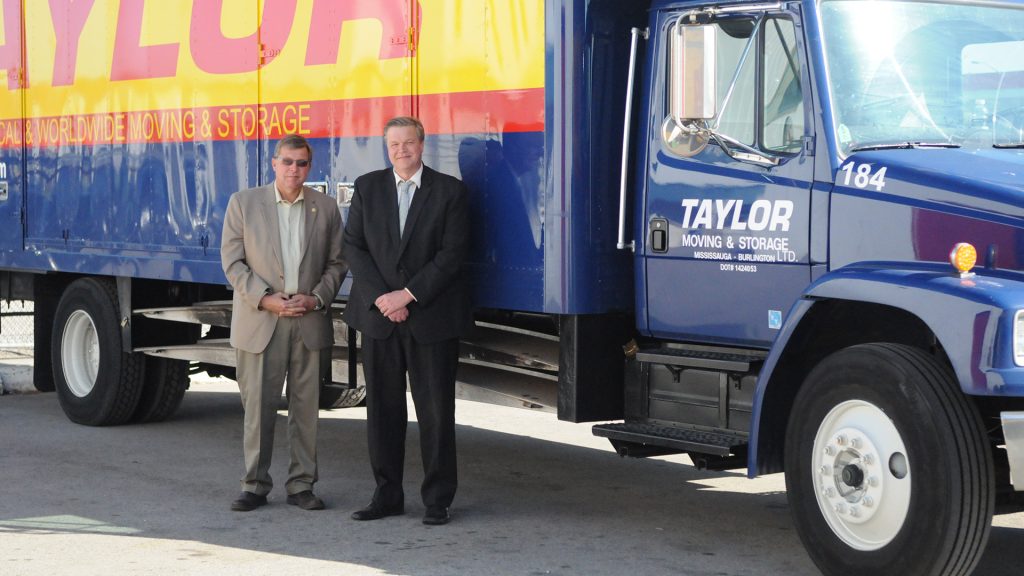
Here are the main points to remember when planning your move from Toronto to San Francisco.
Key Takeaways
- Start planning your move early, especially for cross-border relocations.
- Get multiple quotes from reputable Toronto to San Francisco movers and compare services.
- Understand all the paperwork and customs rules for moving household goods from Canada to the US.
- Pack carefully and consider professional packing services for valuable items.
- Stay organized and communicate regularly with your moving coordinator to reduce stress.
Planning Your Toronto to San Francisco Move
Moving from Toronto to San Francisco is a big undertaking, and good planning is key to making it go smoothly. It’s not just about packing boxes; it’s about understanding the whole process, especially when you’re crossing an international border. Getting this right from the start can save you a lot of headaches down the road.
Understanding Long-Distance Moving Quotes
When you start looking into moving companies, you’ll notice that quotes can vary quite a bit. This is normal for long-distance moves, especially cross-border ones. The price isn’t just based on how much stuff you have. It also depends on factors like the distance, the time of year, and the specific services you need. Some companies might give you a binding quote, which is a fixed price, while others offer non-binding estimates that can change. It’s important to know what kind of quote you’re getting and what it includes. Always ask for a detailed breakdown so there are no surprises later. You can get a general idea of costs by using a free moving cost calculator.
Choosing the Right Toronto to San Francisco Movers
Selecting the right moving company is probably one of the most important decisions you’ll make. You want a company that has experience with cross-border moves between Canada and the US. They should be able to handle all the paperwork and customs requirements. Look for companies that are transparent about their pricing and services. Reading reviews from other customers can also give you a good sense of their reliability and customer service. Don’t just go for the cheapest option; consider the value and peace of mind that a reputable mover provides.
Advance Booking for Your Cross-Border Relocation
Cross-border moves require more coordination than local ones. Booking your movers at least three weeks in advance is highly recommended, though booking even earlier, perhaps a month or more out, is even better, especially if you’re moving during a busy season. This lead time allows the moving company to properly plan your relocation, arrange logistics, and ensure all necessary preparations are made. It also gives you more time to sort out your own affairs without feeling rushed. For international moves, early booking is practically a necessity to manage the complexities involved.
The Cross-Border Moving Process Explained
Moving your life from Toronto to San Francisco is a big deal, and crossing the border adds a whole new layer of complexity. It’s not just about packing boxes and driving; there are specific rules and procedures you need to follow to make sure your belongings get to California without any hitches. Understanding these steps is key to a smooth transition.
Navigating Customs for Household Goods
When you move from Canada to the US, your household goods need to go through customs. This process can seem a bit daunting, but it’s designed to be straightforward if you have the right information. You’ll need to declare all the items you’re bringing with you. The US Customs and Border Protection (CBP) has specific guidelines on what’s allowed. Generally, personal effects and household goods that you’ve owned and used for at least a year are exempt from duty. However, certain items might be restricted or require special attention.
- Inventory List: A detailed inventory of all your items is crucial. This list helps customs officials understand what’s being imported.
- Declaration: You’ll need to complete a declaration form, often referred to as CBP Form 3299, Declaration for Free Entry of Unaccompanied Articles.
- Inspection: While not every shipment is inspected, be prepared for the possibility. Having your inventory list accurate and accessible will speed things up.
It’s important to work with movers who have experience with cross-border shipments, as they can help guide you through this part of the process. They’ll know what documentation is typically required and can assist in preparing it correctly. This is a big part of making sure your move from Canada to the US goes off without a hitch.
Required Documentation for Canada to US Moves
Gathering the right paperwork is probably the most critical part of moving your household goods across the Canadian border. Missing or incorrect documents can lead to delays, extra fees, or even your items being held up. Here’s a breakdown of what you’ll likely need:
- Proof of Citizenship/Residency: You’ll need to show identification, such as a passport or other government-issued ID. If you’re moving under a specific visa or work permit, have those documents ready.
- Bill of Lading: This is the contract between you and the moving company. It details the services being provided and the inventory of your goods.
- Customs Declaration Forms: As mentioned, you’ll need to fill out forms declaring your goods. Your moving company can often provide these or guide you on where to get them.
- Inventory List: A detailed, itemized list of everything being moved. This should include descriptions and estimated values for each item.
Preparing these documents well in advance is highly recommended. Double-checking everything with your moving company ensures you’re not caught off guard at the border.
What You Can and Cannot Bring Across the Border
Knowing what’s allowed and what’s not can save you a lot of headaches. While most of your personal belongings are fine, there are some restrictions you need to be aware of when moving from Canada to the US.
Generally Allowed (with conditions):
- Household Goods: Furniture, clothing, appliances, and personal items you’ve owned and used.
- Vehicles: You can usually bring your car, but there are specific import regulations and potential duties to consider.
- Pets: Pets are generally allowed, but they require proper documentation, including vaccination records.
Restricted or Prohibited Items:
- Alcohol and Tobacco: There are strict limits on the amount you can bring without paying duties and taxes.
- Firearms: Importing firearms into the US is heavily regulated and often requires special permits.
- Certain Food Products: Some agricultural products, plants, and meats may be restricted to prevent the spread of pests and diseases. Always check the latest CBP guidelines before packing these items.
- Hazardous Materials: Items like propane tanks, flammable liquids, and explosives are typically not allowed on moving trucks for safety reasons.
Always check the official US Customs and Border Protection website or consult with your moving company for the most up-to-date information on restricted items. Being informed helps prevent surprises at the border.
Key Considerations for Your Relocation

Moving from Toronto to San Francisco is a big deal, and there are a few things you’ll want to think about before you even start packing. It’s not just about getting your stuff from point A to point B; it’s about timing, cost, and making sure everything goes smoothly, especially when crossing the border.
Factors Affecting Timing and Pricing
When you’re planning a move from Canada to the US, several factors can really change how long it takes and how much it ends up costing. Think about the time of year, for starters. Summer months are usually the busiest for movers, so prices might be higher and availability could be tighter. If you can swing it, moving during the off-season, like in the fall or winter, might save you some money and give you more flexibility. Also, the sheer volume of stuff you’re moving plays a huge role. More boxes and furniture mean more weight and more space, which directly impacts the cost. The distance itself is a given, but the specific route taken can also affect fuel costs and transit time. Don’t forget to factor in potential delays at the border, which can add unexpected time to your move.
Here’s a quick look at what influences your moving costs:
- Time of Year: Peak season (summer) vs. off-season (fall/winter).
- Volume of Goods: More items equal higher costs.
- Distance: Toronto to San Francisco is a long haul.
- Route: Direct routes vs. those with more stops.
- Services: Packing, unpacking, storage, etc.
Route Optimization for Efficiency
Getting your belongings from Toronto to San Francisco efficiently is key. A good moving company will look at the best way to get your things there. This isn’t just about the shortest distance on a map; it’s about considering traffic patterns, potential road closures, and even fuel stops. Some companies use software to figure out the most efficient path, which can save time and money. They might also plan the route to minimize the number of stops or to align with the availability of their moving crews. It’s like planning a road trip, but with a lot more at stake!
Planning the right route can make a significant difference in the overall moving experience. It’s about more than just mileage; it’s about smart logistics that keep your belongings moving forward without unnecessary delays.
Understanding Different Quoting Options
When you get quotes from movers, you’ll likely see a few different types. There are binding quotes, which are a fixed price, no matter what. This gives you certainty about the cost, but you need to be sure about the inventory of your items. Then there are non-binding quotes, which are estimates and the final price can change based on the actual weight and time. A ‘not-to-exceed’ estimate is a good middle ground, where the price won’t go over a certain amount, but you might pay less if the move is quicker or lighter than expected. It’s important to understand what each type of quote means for your budget and to ask questions if anything is unclear. Getting a clear picture of the moving costs upfront is super important for cross-border moves.
Here are the common types of quotes:
- Binding Quote: A fixed price. What you agree on is what you pay.
- Non-Binding Quote: An estimate. The final cost can be higher or lower.
- Not-to-Exceed Estimate: The maximum you’ll pay, but you could pay less.
Services Tailored for Your Move
Moving from Toronto to San Francisco involves more than just loading boxes. It’s a big step, and having the right services can make all the difference. We get that cross-border moves have their own set of challenges, and that’s why we’ve built our services around making this transition as smooth as possible for you.
Full-Service Packing and Preparation
Packing up your entire life can feel overwhelming, right? Our full-service packing means we handle the heavy lifting, literally. Our trained professionals use quality materials to carefully wrap and pack everything, from your delicate china to your bulky furniture. This isn’t just about putting things in boxes; it’s about strategic packing that protects your belongings during the long journey. We can even help with the unpacking at your new San Francisco home if you like. This service is designed to save you time and reduce the stress that comes with preparing for a major move. Think of it as a professional helping hand so you can focus on other aspects of your relocation.
Specialized Handling for Valuables
Some items in your home are more than just possessions; they’re investments or cherished memories. We understand the importance of handling these with extra care. Whether it’s a grand piano, antique furniture, artwork, or sensitive electronics, we have specialized crating and packing techniques. For items that require extra protection, we can build custom crates to ensure they arrive in San Francisco just as they left your Toronto home. Our commitment is to treat your most prized possessions with the utmost respect and security. This attention to detail is what sets us apart when dealing with items that have significant personal or monetary value.
Secure Storage Solutions
Sometimes, your moving timeline doesn’t line up perfectly. Maybe your new place isn’t quite ready, or you’re downsizing and need a temporary spot for some items. We offer secure, climate-controlled storage solutions. Your belongings will be kept safe in our facilities, protected from temperature fluctuations and other environmental factors. This flexibility means you can coordinate your move more effectively, even if there are gaps between moving out of your Toronto residence and moving into your new San Francisco home. It’s a practical solution for many cross-border moving scenarios, providing peace of mind while you settle into your new city.
Making Your Move Stress-Free
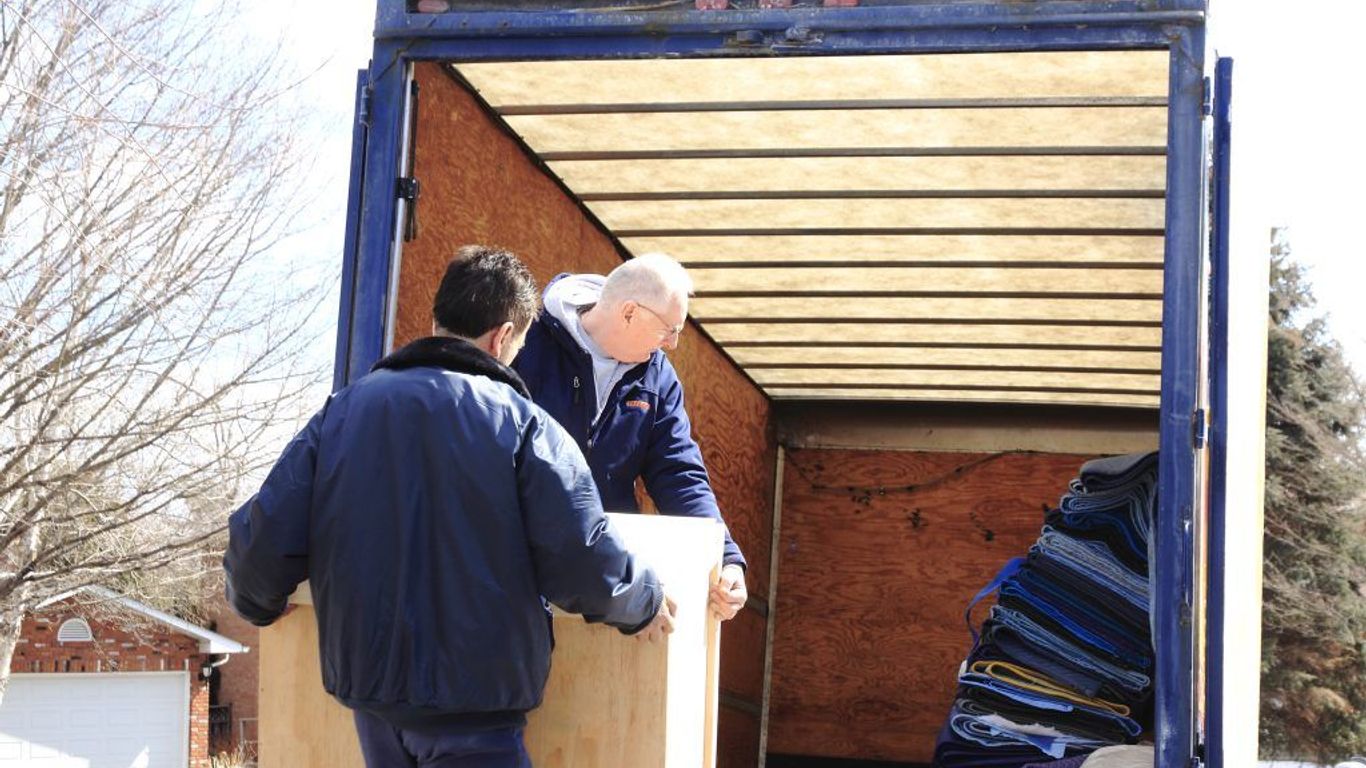
Moving from Toronto to San Francisco is a big deal, and nobody wants the added stress of things going wrong. That’s where having the right support system comes in. It’s not just about getting your stuff from point A to point B; it’s about making the whole journey as smooth as possible for you and your family.
The Role of a Dedicated Move Coordinator
Think of your move coordinator as your personal point person. They’re there to answer your questions, sort out any hiccups, and generally keep things on track. They handle the nitty-gritty details so you don’t have to. This means you can focus on settling into your new life in San Francisco without constantly worrying about the logistics of the move itself. They’re your go-to for everything from customs paperwork to delivery schedules. Having one person to talk to makes a huge difference.
Leveraging Technology for a Smoother Transition
Technology plays a big part in making cross-border moves less complicated these days. Companies use advanced systems for route planning to find the most efficient paths, which can save time and money. You might also find tools that help you plan your new home’s layout before anything is even packed, so you know exactly where things will go. This kind of planning really cuts down on the chaos when you finally arrive. Plus, secure online portals can keep all your important moving documents organized and accessible, which is a lifesaver when dealing with international moves. It’s all about using smart tools to simplify a complex process.
Managing Relocation Stress Effectively
Moving can be tough on anyone. It’s a major life change, and it’s totally normal to feel overwhelmed. A good moving company understands this. They often provide resources to help you cope with the stress. This could be anything from tips on packing efficiently to advice on how to manage your energy levels during the move.
Remember, a well-managed move isn’t just about the physical transport of goods; it’s about supporting the people involved through a significant life event. Taking care of your mental and emotional well-being is just as important as ensuring your belongings arrive safely.
Here are a few things that can help:
- Stay Organized: Keep all your important documents in one place. A checklist can be your best friend.
- Communicate: Don’t hesitate to ask your move coordinator questions, no matter how small they seem.
- Take Breaks: Moving is a marathon, not a sprint. Schedule downtime to relax and recharge.
- Pack an Essentials Box: Include things you’ll need immediately upon arrival, like toiletries, a change of clothes, and important medications. This avoids digging through boxes right away.
By focusing on these aspects, you can turn what might seem like a daunting cross-border move into a manageable and even positive experience. It’s about having a plan and the right partners to help you execute it. For more on planning your move, check out this guide to cross-border paperwork.
Why Choose Expert Toronto to San Francisco Movers
Moving your life from Toronto to San Francisco is a big deal. It’s not just a long drive; it’s a cross-border move that comes with its own set of rules and potential headaches. That’s where picking the right movers makes all the difference. You want a company that knows the ins and outs of moving between Canada and the US, not just someone who can load a truck.
Quality-First Approach to Relocation
When you’re moving such a long distance, especially across an international border, quality really matters. It’s about more than just getting your stuff from point A to point B. It’s about making sure your belongings arrive in the same condition they left. A quality-first approach means the moving company prioritizes careful packing, secure loading, and safe transportation. They’ll have systems in place to prevent damage, which is super important when your items are traveling thousands of kilometers. Think about it: a company that focuses on quality will likely have better training for their crews and use superior packing materials. This attention to detail can save you a lot of stress and potential costs down the road.
Experience with Cross-Border Logistics
This is a big one. Moving from Canada to the US involves customs, specific documentation, and understanding regulations that a local mover might not be familiar with. Expert cross-border movers have navigated these complexities countless times. They know what paperwork is needed for your household goods, what items might cause issues at the border, and how to prepare everything to make that process as smooth as possible. This experience is invaluable. It means they can anticipate potential delays and have solutions ready. For instance, they’ll be up-to-date on any changes in customs procedures that could affect your move. It’s like having a guide who’s already walked the path you’re about to take, making the journey much less uncertain. If you’re curious about what you can and cannot bring, it’s good to have a mover who knows these rules well.
Commitment to Customer Satisfaction
Ultimately, you want to feel confident and well-supported throughout your move. A company committed to customer satisfaction will be transparent with you from the start. This means clear communication about pricing, timelines, and what to expect at every stage. They’ll likely have a dedicated move coordinator who acts as your main point of contact, answering your questions and addressing any concerns promptly. You’ll want to look for movers who have a solid track record of happy customers, perhaps with testimonials that speak to their reliability and care. Knowing that your moving company genuinely cares about your experience, and isn’t just going through the motions, can significantly reduce the stress of a major relocation like moving from Toronto to San Francisco. It’s about building trust and having peace of mind.
Thinking about moving from Toronto to San Francisco? It’s a big trip, but we make it easy. Our team knows how to handle long-distance moves, ensuring your belongings get to your new home safely and without stress. We handle all the details so you can focus on settling in. Ready to start your journey? Visit our website today to get a free quote and learn more about our services!
Conclusion
Moving from Toronto to San Francisco doesn’t have to be a headache. By planning ahead, choosing the right Toronto to San Francisco movers, and understanding the process, you can make your move smooth and successful. Remember to get detailed quotes, prepare all necessary documents, and communicate clearly with your moving company. A little preparation goes a long way in making your new life in San Francisco a great start.
Frequently Asked Questions
How do I get a moving quote from Toronto to San Francisco?
You can get a quote by contacting moving companies directly. They’ll usually ask about the size of your home, the items you’re moving, and the distance. Some companies have online forms or even AI tools to give you an estimate right away. It’s smart to get quotes from a few different companies to compare prices and what they include.
What documents do I need to move from Canada to the US?
You’ll need important documents like passports or other ID for everyone moving. You’ll also need a detailed list of all the items you’re bringing, often called an inventory. Sometimes, you might need proof of ownership for certain items. Your moving company can help you figure out exactly what’s needed for customs.
How long does it take to move from Toronto to San Francisco?
Moving from Toronto to San Francisco is a long trip, so it takes time. It can take anywhere from a few days to a couple of weeks, depending on the moving company’s schedule, the distance, and how they route their trucks. Factors like traffic and weather can also play a part.
What can’t I bring when moving from Canada to the US?
There are certain things you can’t bring, like most food items, plants, and some household cleaners. Also, avoid bringing firearms or large amounts of alcohol or tobacco. It’s best to check with the moving company or US Customs to be sure about any specific items.
Should I pack my own things or hire movers to pack?
Packing yourself can save money, but it takes a lot of time and effort. Professional packers know how to wrap and box items safely, especially fragile ones. If you have a lot of delicate items or just want to save time, hiring movers to pack is a good idea. It can also help if you’re worried about damage during the long trip.
How far in advance should I book Toronto to San Francisco movers?
It’s a good idea to book your movers at least 3 to 4 weeks before your move date, but even earlier is better if possible, especially if you’re moving during a busy season. This gives the moving company enough time to plan and makes sure you get the date you want.
Leave a Comment