Seattle to Toronto movers: A complete guide to your cross-border relocation

Key Takeaways
Moving across the border requires careful planning and documentation to ensure a smooth transition from Washington State to Ontario. These essential points summarize the most critical aspects of your upcoming international relocation.
- Start your planning at least three months in advance of your move date.
- Inventory your items thoroughly to distinguish between allowed and restricted goods.
- Obtain mandatory customs documentation to clear household items without unexpected delays.
- Work with licensed professionals who have specific experience in cross-border logistics.
- Utilize climate-controlled storage solutions if there is a gap in your move-in dates.
Preparing for your move from Seattle to Toronto
Transitioning your life between two major North American cities involves significant logistical orchestration. When you select qualified Seattle to Toronto movers, the process relies on a clear understanding of the regulatory landscape and the physical requirements of transport. Planning early allows you to manage tasks systematically without falling prey to last-minute pressures.
Creating a detailed household inventory
Defining exactly what is moving is the foundation of any successful relocation. By categorizing your belongings, you can determine what stays, what is donated, and what makes the journey to Canada. Creating a comprehensive list helps you understand the volume of your goods, which directly impacts your moving strategy.
Understanding prohibited and restricted items
Cross-border regulations often differ from domestic expectations, making it vital to confirm what customs agents permit. Certain items, such as specific food products, plants, or hazardous materials, cannot cross the border without specialized declarations or may be blocked entirely. Staying informed about these limitations protects you from potential fines or the loss of personal property during transit.
Establishing a realistic long-distance moving timeline
Developing a schedule ensures that your packing, residential departure, and arrival in Toronto occur in a coordinated fashion. You should account for lead times in hiring specialized service providers and the specific window required for international transit. Mapping these events against your work and family commitments prevents unnecessary strain during the relocation period.
Navigating customs and import requirements when moving to Canada

Relocating to a new country means your belongings must pass through specific regulatory channels before entering the destination. The process is governed by the Canada Border Services Agency (CBSA), which requires transparency regarding the nature and value of your household effects. Working with Taylor Moving professionals during this phase provides you with the guidance needed to assemble a compliant entry file.
Mandatory documentation for personal and household goods
Customs officials require an itemized list of your goods, often referred to as a packing list, accompanied by documentation of your residency status in Canada. These records serve as your declaration of ownership and value. Failing to provide accurate documentation can lead to significant logistical delays or additional customs fees at the border.
The role of the CBSA during household importation
The CBSA ensures that only permissible items enter Canada, safeguarding national safety and tax protocols. Agents verify that your imports conform to personal use definitions. It is your responsibility to be present or have authorized representation available to clarify any questions the agency might have regarding your shipment.
Working with licensed international logistics experts
Navigating international red tape becomes far simpler when you involve partners who specialize in regional crossings. International experts clarify the complexities of the cross-border relocation process, ensuring that your paperwork satisfies the specific requirements of both US and Canadian authorities.
Calculating the cost of your cross-border move
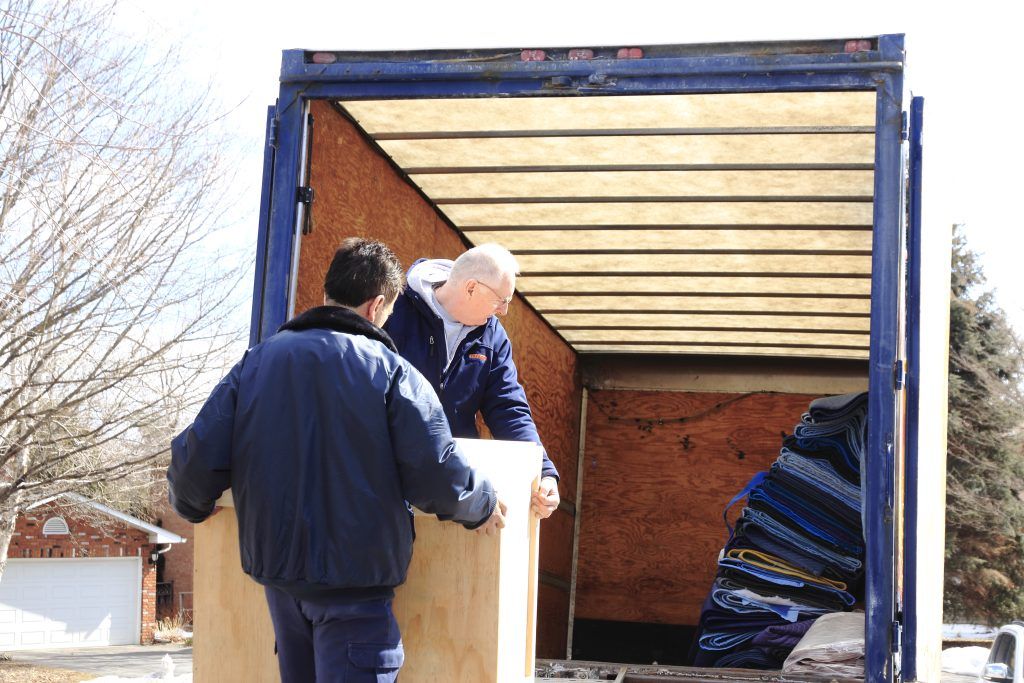
Determining the financial investment for your relocation involves more than just a base rate. Because every household differs in complexity, providers often look at various variables to build an accurate and reliable estimate. Understanding what influences these costs enables you to make informed decisions about your budget and get a quote tailored to your specific requirements.
Factors influencing long-distance moving estimates
Several core metrics affect the final price tag for your move from Washington to Ontario. Distance is the most obvious, but equipment needs and the nature of your items play equally important roles in the planning phase.
| Cost Category | Factor Description | Estimated Impact |
|---|---|---|
| Shipping Distance | Mileage from origin to destination city | High |
| Total Load Weight | Measured in pounds of household items | High |
| Special Packing | Crating needed for fragile or large goods | Moderate |
These factors combine to form your quote, which should be assessed with transparency from your service provider. By keeping these elements in mind, you are better equipped to prioritize your kitchen remodeling savings or other financial goals during the transition.
Understanding weight-based vs volume-based pricing
Moving companies traditionally calculate costs by either the weight of the items or the space they occupy in a shipping container. For complex international moves, it is essential to confirm the pricing model beforehand to avoid discrepancies. Comparing these rates allows for better alignment with your target budget.
Assessing insurance, customs brokerage, and valuation options
Beyond basic transport, you must consider the protection of your assets throughout the journey. Insurance provides coverage against damage, while brokerage services simplify the payment of duties or taxes on your goods. You should carefully review:
- Basic liability coverage included in transport agreements.
- Supplemental valuation options for high-value items.
- The necessity of a licensed customs broker.
- Potential storage fees if your arrival date changes.
Choosing the right level of coverage ensures that your belongings are secured regardless of transit hazards. Consulting with experts helps clarify which services are required versus recommended for your specific situation.
Logistics: What to expect from estimate to delivery
Understanding the lifecycle of your move provides peace of mind while your goods are in transit. Each phase of the operation is designed to keep your belongings moving safely across the corridor. The transition from your previous life to Toronto involves a disciplined sequence of events.
Managing professional load-out and pickup in Seattle
On the day of your departure, your moving crew arrives to prepare your goods for the long haul. Professional teams use high-quality materials to pack your belongings, ensuring they can withstand the rigors of the road. This initial stage is crucial for preventing damage to your most sentimental objects.
Coordinating cross-border transit and customs clearance
As your goods move toward the border, transit coordinators keep communication lines open. Compliance with crossing regulations is strictly monitored to prevent your shipment from being held in secondary inspection lanes. Having a well-documented process here is the most effective way to keep your move on schedule.
Managing expectations for final delivery in Toronto
When your shipment reaches Ontario, the final steps involve careful unloading and placement. This is where Taylor Moving teams ensure that your transition into your new home is orderly. While transit times can vary based on traffic or weather, clear communication about your delivery window allows you to plan your arrival effectively.
Strategies for a successful and stress-free transition
Adjusting to a new country and a new city is an exciting process, but it requires mindful strategies to manage the associated stress. A successful move is one where you feel supported at every step of your journey. By utilizing specific resources, you can ease the pressure of your relocation.
Leveraging a dedicated move coordinator for international support
Having a single point of contact simplifies your move by providing a clear source for updates and concerns. Your coordinator manages the logistics, allowing you to focus on the personal aspects of your, such as setting up utilities or researching local services like professional asphalt paving if you purchase a property.
Utilizing secure, climate-controlled storage during transition gaps
If your lease or closing dates do not align, secure storage becomes a necessity. A facility that keeps your items in a temperature-controlled environment prevents degradation over time. This approach affords you the flexibility of moving at your own pace without feeling rushed.
Tips for managing the cultural and logistical shift to Toronto
Moving to a new urban environment brings a shift in daily habits and social activities. Engaging with local forums and resources can assist you in finding the right professional assistance for stress relief or family needs. Embracing the change, while maintaining a clear plan for your logistical necessities, leads to a more fulfilling start in your new home. Whether you are looking for new social connections or specific services like space planning for your home, having a organized approach to exploration helps you settle in faster.
Conclusion
Relocating from Seattle to Toronto is a significant milestone that benefits from thorough preparation and professional support. By focusing on compliant documentation and working with experienced Taylor Moving staff, you can ensure your transition is as efficient as possible. With the right planning, you will be prepared to enjoy all that your new city has to offer without unnecessary stress.
Frequently Asked Questions
How far in advance should I start planning my Canada-US move?
It is recommended to start the planning process at least three months before your projected move date to ensure all customs and logistical arrangements are finalized.
What documents are strictly required for moving goods into Canada?
You typically need a detailed inventory list, proof of residency status, and specific customs forms detailing the value and origin of your household goods.
Can my moving company help me with the customs process?
Many cross-border specialists can provide guidance on the necessary paperwork, though official declaration responsibilities remain with you as the owner of the goods.
How does customs valuation affecting the cost of my move?
Customs valuation itself does not change the mover’s service fee, but it determines the potential duties or taxes you may need to pay to the government upon arrival.
What should I do if my items are delayed at the border?
If a delay occurs, contact your move coordinator immediately, as they have direct communication channels with transporters and can often identify the specific issue with customs paperwork.
Are there specific items I should avoid bringing across the border?
Yes, items like perishables, certain seeds, plants, and hazardous materials are typically restricted; always consult the latest CBSA guidelines before packing.
How do I ensure my belongings arrive safely in Toronto?
Safety is achieved by using professional packing services and choosing a reputable mover that maintains high standards for load management and climate-controlled transport.
Leave a Comment