Should I Tip Long Distance Movers? A Comprehensive Guide
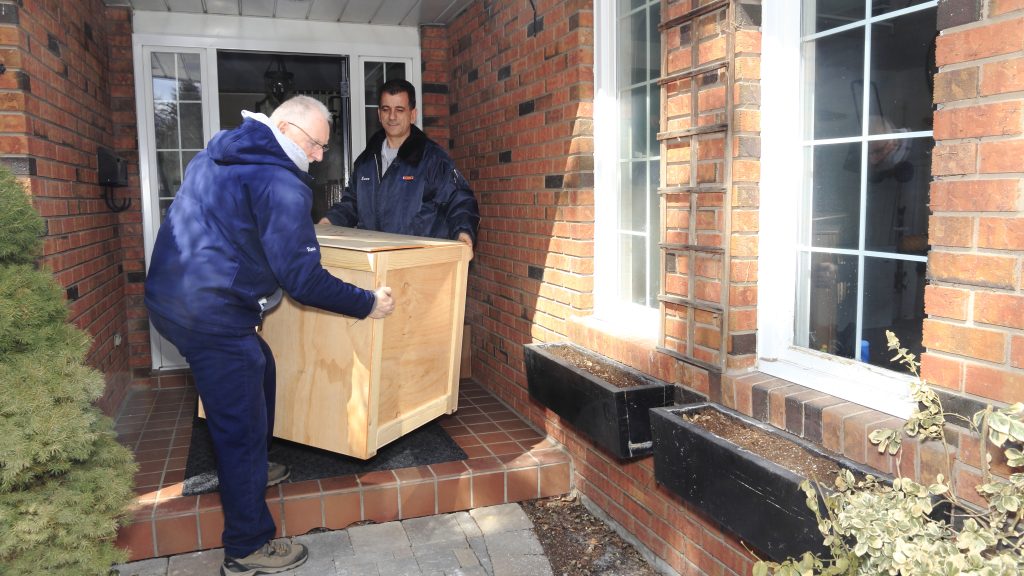
Figuring out if you should tip long distance movers can get confusing, especially if you’ve never moved across Canada before. Some folks just want to know what’s expected, while others are worried about overpaying. In Canada, long distance moving is a big deal—there’s a lot more planning, effort, and coordination involved compared to a quick hop across town. If you’re using a company that focuses on cross-country moves, like Taylor, you’ll see a different level of service and communication. So, do you tip? How much? Who gets it? Let’s break it down so you know exactly what to do when moving day comes.
Key Takeaways
- Tipping long distance movers in Canada isn’t required, but it’s a common way to show appreciation for hard work and care.
- The amount you tip can depend on the size of your move, the distance, and the quality of service you get.
- Tips are usually shared among the moving crew, but it’s okay to hand it to the team leader to split up.
- If you’re not comfortable with cash tips, snacks, drinks, or a good online review are always welcome.
- Don’t assume every move includes gratuity in the price—check your contract so you don’t double-pay.
Understanding Long Distance Moving Costs
Moving across Canada, or even just a significant distance within the country, involves more than just packing boxes. The cost of long-distance moving can feel like a big unknown, but understanding how it’s calculated can make a huge difference in your planning. It’s not just about the distance; several factors play a role in the final price you’ll see on an estimate.
Factors Influencing Long Distance Moving Prices
When you get a quote for a long-distance move, the company looks at a few key things. The sheer volume and weight of your belongings are primary drivers of cost. More stuff means more space on the truck, more fuel, and more time to load and unload. Beyond that, the distance itself is a major factor, naturally. Think about it: the further the truck has to travel, the more it costs in terms of fuel, driver hours, and wear and tear on the vehicle. The time of year can also impact pricing; summer months and the end of the month are often busier and can sometimes come with higher rates. Accessibility at both your old and new homes matters too – tight streets, stairs, or long walks from the truck to the door can add time and effort, which translates to cost.
Here’s a quick look at what influences the price:
- Distance: The mileage between your old and new homes.
- Weight and Volume: How much stuff you’re moving.
- Time of Year: Peak seasons (like summer) can be pricier.
- Accessibility: Ease of access for the moving truck and crew at both locations.
- Services Needed: Packing, unpacking, special item handling, etc.
How Long Distance Moving Quotes Are Calculated
Long-distance moving quotes are typically calculated based on a combination of factors, primarily the weight of your shipment and the distance it needs to travel. Unlike local moves that might be priced by the hour, longer hauls are more about the overall load and the journey. Companies often use sophisticated systems to estimate the weight of your belongings based on the inventory you provide. This weight, combined with the mileage, forms the core of the quote. Some companies might also factor in the estimated time the move will take, especially if there are complex loading or unloading situations. It’s important to get a clear breakdown of what’s included in the estimate, so you know exactly what you’re paying for.
Understanding how quotes are generated helps you ask the right questions and compare offers more effectively. Don’t be afraid to ask for a detailed explanation of the pricing structure.
Why Long Distance Moving Quotes Vary
It’s common for long-distance moving quotes to vary quite a bit between different companies, and even between different types of quotes from the same company. One big reason is the difference in how companies estimate weight and calculate mileage. Some might use industry averages, while others might have more precise methods. The level of service offered also plays a huge role. A quote that includes full packing services will naturally be higher than one for just transportation. Furthermore, some companies offer different types of quotes, like binding estimates (a fixed price) versus non-binding estimates (which can change based on actual weight and time). The specific services you request, such as packing, unpacking, or specialized handling for items like pianos or artwork, will also affect your final bill. Always clarify what is and isn’t covered in each quote you receive.
When Should You Tip Long Distance Movers?
Deciding whether to tip your long-distance movers, especially when moving between Canada and the US, can feel a bit murky. It’s not always a clear-cut situation like tipping at a restaurant. Generally, if the moving crew did a solid job, went the extra mile, and handled your belongings with care, a tip is a great way to show your appreciation. Think about the effort they put in, especially if your move was particularly challenging.
Assessing Mover Performance and Effort
Did the crew arrive on time, work efficiently, and treat your possessions like they were their own? Were they polite and professional throughout the process? If the answer is yes, they likely deserve a tip. Consider the physical demands of the job – carrying heavy furniture up stairs, navigating tight hallways, and loading everything carefully onto the truck. These guys are working hard, often in less-than-ideal conditions, to make your move smoother. A tip acknowledges that hard work.
Considering the Complexity of Your Move
Some moves are just plain harder than others. If you have a lot of bulky, heavy items, or if your home has a lot of stairs or difficult access points, the movers are putting in extra effort. Maybe you’re moving from a condo on the 10th floor in Toronto or into a rural property outside of Calgary. These situations add complexity and require more skill and physical exertion. If your move involved special handling for delicate items, like a piano or antique furniture, and the movers managed it expertly, that’s definitely tip-worthy.
Recognizing Exceptional Service
Beyond just doing their job, some crews really stand out. Perhaps they went above and beyond to help you with a last-minute issue, or maybe they were incredibly patient and reassuring during a stressful part of the move. Exceptional service means the movers didn’t just move your stuff; they helped make a difficult transition feel more manageable. If they were particularly careful with your fragile items, or if they worked diligently to finish the job within the estimated timeframe despite unforeseen challenges, that level of dedication is worth recognizing. A tip is a direct way to say "thank you" for that extra effort. You can hand the tip directly to the crew leader at the end of the move, after everything has been unloaded and you’ve confirmed your belongings arrived safely [0b29].
Here’s a quick way to think about it:
- Good Service: Movers were on time, careful, and professional. A tip is a nice gesture.
- Great Service: Movers went above and beyond, handled challenges well, and were exceptionally polite. A tip is highly recommended.
- Outstanding Service: Movers exceeded expectations, solved problems creatively, and made your move significantly less stressful. A generous tip is definitely in order.
Remember, tipping isn’t mandatory, but it’s a widely accepted way to show gratitude for good work in the moving industry. It’s a personal decision based on your experience with the crew.
Determining the Right Tipping Amount

So, you’ve had a good experience with your long-distance movers, and now you’re wondering about the tip. It’s not always a straightforward thing, especially when you’re moving across provinces or even across the border into Canada. The amount can really depend on a few things, like how hard the crew worked and how complex your move was. It’s a way to show appreciation for their effort, and there are a few common ways people figure out what to give.
Tipping Based on Hourly Rate
One popular method is to tip based on the hourly rate of the movers. This approach directly ties your tip to the time and labor they put in. It feels fair because you’re compensating them for the hours they spent carefully packing, loading, transporting, and unloading your belongings. For a long-distance move, especially one involving Canada, this can add up, so it’s good to have a general idea of what’s considered standard.
- Standard Range: A common guideline is to tip between $4 to $15 per mover, per hour. The lower end might be for a straightforward job, while the higher end is for exceptional service or particularly tough conditions.
- Consider the Day: If you’re looking at a full day’s work, think about a daily tip. Some people aim for around $40 to $65 per mover for a long day, depending on the quality of service they received. This can be a simpler way to manage tips for longer moving days.
- Track the Time: Keep a rough eye on the hours the movers are actively working. This helps you calculate a tip that feels proportional to the effort they put in.
Tipping as a Percentage of the Total Cost
Another way to approach tipping is by looking at the total cost of your move. This method can be simpler if you already have the final bill in hand. It’s a percentage-based system, similar to how you might tip at a restaurant, but with moving, the stakes are a bit higher.
- Typical Percentage: A good starting point is usually between 10% and 20% of the total moving cost. This range allows you to adjust based on your satisfaction.
- Adjust for Service: If the movers went above and beyond, especially with a complex cross-border move into Canada, you might lean towards the higher end of that percentage. If there were minor issues but overall good service, the lower end might be more appropriate.
- What’s Included: Make sure you know what the total cost covers. Sometimes quotes include packing materials or other services, and you’ll want to tip based on the actual labor and service provided.
Flat Rate Tipping Guidelines
Sometimes, you just want a simple, fixed amount to give. Flat rate tipping can be the easiest way to go, especially if you’re not keen on doing complex calculations. It’s a set amount per mover, regardless of the exact hours or total cost.
- Per Mover Amount: A common flat rate is anywhere from $20 to $50 per mover for the entire job. This is a straightforward way to show appreciation.
- Consider the Job Size: For a very large or difficult move, you might consider tipping at the higher end of this range, or even combining it with a smaller hourly tip if you feel it’s warranted.
- Simplicity is Key: This method is great if you want to hand out tips quickly at the end of the move without a lot of fuss. It’s a clear gesture of thanks.
Deciding on a tip amount is personal, but it’s always a good idea to have a plan before the movers finish. Think about the effort they put in, the challenges they faced, and how satisfied you are with the service. A little planning can make the tipping process much smoother for everyone involved, especially when dealing with the logistics of moving to or from Canada.
Remember, these are just guidelines. The most important thing is to tip what feels right to you based on the service you received. A well-executed move, especially one involving the complexities of cross-border logistics, deserves recognition. You can find more information on how long-distance moving costs are calculated to help you budget for these extra costs.
Who Receives the Tip?
So, you’ve decided to tip your long-distance movers. That’s a great way to show appreciation for their hard work, especially when they’re hauling your belongings across provinces or even the border. But who exactly gets that tip? It’s not always as straightforward as you might think.
Distributing Tips Among the Moving Crew
When it comes to distributing tips, the general rule of thumb is that the tip should be shared equally among all the crew members who worked on your move. This includes the movers who did the heavy lifting, loading, and unloading. Everyone who contributed to the physical labor of your move deserves a share. Think of it as a team effort, and the reward should reflect that.
- The Movers: These are the folks doing the actual packing, carrying, and loading/unloading of your items.
- The Drivers: If a different person drove the truck than the one who loaded it, they should also be included.
- Any Helpers: Sometimes there are extra hands on deck for specific tasks; they should get a cut too.
It’s important to clarify with the moving company or the crew leader how tips are typically handled. Some companies might have a system for collecting and distributing tips, while others prefer you hand it directly to the crew. If you’re unsure, asking the crew leader is usually the best bet. They can help ensure everyone gets their fair share.
The Role of the Crew Leader
The crew leader, often called the foreman or the lead mover, plays a key role in managing the team and the move itself. While they are part of the crew and should receive a share of the tip, sometimes it’s appropriate to acknowledge their extra responsibility. They’re the point person for communication, problem-solving, and making sure the move stays on track. Some people choose to give the crew leader a slightly larger portion of the tip to recognize their leadership role, but this is entirely optional. The most common practice is an equal split among all crew members. If you’re tipping a percentage of the total cost, that percentage is usually calculated and then divided among the crew. For example, if you tip 15% of a $5,000 move, that’s $750 to be split. If there were four movers, each would get $187.50. It’s a good idea to have cash on hand for tipping, as not all companies can process tip payments electronically. Tipping based on hourly rate can also influence the total amount you’re distributing.
Alternatives to Monetary Tips
While a monetary tip is a common way to show appreciation for your long-distance movers, it’s not the only way to thank them for their hard work, especially when moving between Canada and the US. Sometimes, other gestures can be just as meaningful, or even more so, depending on the situation and the crew.
Providing Refreshments and Snacks
Moving day can be long and physically demanding. Offering your movers cold drinks and some snacks can make a big difference in their comfort and energy levels. Think about things like bottled water, juice boxes, or even some granola bars or fruit. If it’s a particularly hot day, a cooler with ice and drinks is a lifesaver. This is a simple, direct way to show you care about their well-being during a tough job.
Offering Positive Reviews and Referrals
One of the most valuable things you can give a moving company is a good review. When your movers do an excellent job, take a few minutes to write about your experience online. Positive feedback on platforms like Google, Yelp, or the company’s own website can significantly help their business. It’s a way to thank the entire team, including those you might not have seen much of, and it helps future customers find reliable movers. If you know someone else planning a move, recommending the company that helped you is also a fantastic way to show your appreciation. A strong referral can be worth more than a tip in the long run for the company.
Expressing Gratitude Verbally
Never underestimate the power of a sincere "thank you." Taking the time to speak directly with the crew leader and each mover to express your appreciation for their hard work, professionalism, and care can go a long way. Mentioning specific things you noticed, like their efficiency or how carefully they handled your belongings, makes the compliment more personal and impactful. A heartfelt verbal thank you, especially when combined with other gestures, shows you genuinely value their effort.
Sometimes, the best way to show you appreciate your movers is by acknowledging the effort they put in. It’s not always about the money; it’s about recognizing the physical labor and problem-solving skills involved in a cross-border move. A little bit of kindness and consideration can make a big difference to the crew’s morale and your overall moving experience.
Common Mistakes to Avoid When Tipping Movers

When it comes to tipping your long-distance movers, especially those helping you cross the border between Canada and the US, it’s easy to make a misstep. People often get caught up in the details of the move itself and forget about the etiquette of showing appreciation. Let’s look at some common errors to steer clear of.
Overlooking the Importance of Planning
One of the biggest mistakes people make is not thinking about tipping until the very last minute, or worse, after the movers have already left. This often leads to rushed decisions or forgetting altogether. Proper planning means considering tipping as part of your overall moving budget from the start. Think about how much you might want to tip based on the service you receive, and set that money aside. This way, you’re prepared to show your gratitude without scrambling.
Focusing Solely on Price Over Service Quality
It’s tempting to go with the cheapest moving company you can find, especially for a big cross-border move. However, focusing only on the lowest price can mean overlooking the quality of service. You might end up with movers who are less experienced, less careful, or less professional. When it comes time to tip, you might find yourself in a situation where the service wasn’t great, but you’re unsure how much to tip, or if you even should. Remember, a higher price sometimes reflects better training, better equipment, and a more reliable team, which can make the tipping decision easier if they perform well.
Assuming All Moving Services Include Gratuity
This is a big one, especially when dealing with international moves or companies that have complex pricing structures. Some companies might include a service fee or a "handling charge" that can be mistaken for a tip, or they might have policies that discourage tipping. It’s always best to clarify with the moving company beforehand if gratuity is expected or if it’s already factored into the bill. Don’t just assume. A quick call to customer service can save you from awkward situations or under-tipping. For instance, if you’re moving from Canada to the US, customs and border processes add layers of complexity that might influence the overall effort of the moving crew, so understanding their compensation structure is key.
Here are a few more points to keep in mind:
- Not clarifying the tip policy: Some companies have specific rules about tipping. Always ask if tips are pooled, go to individuals, or if there’s a preferred method.
- Tipping only the crew leader: While the crew leader is important, the entire team works hard. Make sure your tip is distributed fairly among everyone who helped.
- Forgetting about the duration and difficulty: A move that takes longer than expected due to unforeseen circumstances, or one that involves difficult stairs or heavy items, often warrants a more generous tip. Consider the extra effort your movers put in.
It’s important to remember that tipping is a gesture of appreciation for good service. While not mandatory, it’s a widely accepted practice that acknowledges the hard work and physical labor involved in moving your belongings, especially across long distances or international borders. A little planning can go a long way in making sure you show your gratitude appropriately.
When hiring movers, it’s easy to make small slip-ups that can cause big headaches. Our guide, "Common Mistakes to Avoid When Tipping Movers," breaks down the simple things you can do to make sure your tipping goes smoothly. Don’t let a little oversight spoil a great moving experience! For more helpful advice and to get a free quote for your next move, visit our website today.
So, Should You Tip Your Long-Distance Movers?
Alright, we’ve talked a lot about the ins and outs of long-distance moving and tipping. Ultimately, whether you decide to tip your moving crew comes down to a few things. Did they do a good job? Were they careful with your stuff? Did they go the extra mile to make your move smoother? If the answer to those questions is a solid ‘yes,’ then a tip is definitely a nice way to show your appreciation. It’s not a hard and fast rule, especially with long-distance moves where the job is already pretty pricey, but a little something can go a long way in thanking the guys who hauled your life across the country. Think about the service you received, and if it felt right, then go ahead and show them some gratitude.
Frequently Asked Questions
Do I have to tip long-distance movers in Canada?
Tipping long-distance movers in Canada isn’t a strict rule, but it’s a great way to show appreciation for a job well done. Think of it as a bonus for their hard work, especially if they go above and beyond. It’s not mandatory like in some service industries, but it’s definitely a nice gesture for excellent service.
How much should I tip my moving crew?
A good starting point is to think about tipping around 10-20% of the total moving cost, or giving each mover about $50-$100 per day. If you’re tipping based on their hourly pay, maybe aim for $10-$20 per hour per person. The exact amount depends on how tough the job was and how happy you are with the service.
When is it especially important to tip movers?
You should definitely consider tipping if the movers handled a really difficult move, like navigating tight stairs or dealing with bad weather. If they were super careful with your fragile items, worked efficiently, and stayed positive and professional throughout the whole process, they deserve a tip. Basically, if they made your move way easier and less stressful, show them some love.
Should I tip everyone on the moving team?
Yes, it’s best to tip the entire moving crew who helped with your move. The tip is usually divided among them. If there’s a crew leader, they might get a slightly larger share, but everyone who put in the physical effort should be recognized.
Are there other ways to thank my movers besides cash?
Absolutely! Besides cash, you can offer them cold drinks and snacks, especially on a hot day. Writing a glowing online review or giving a strong referral to friends and family is also incredibly valuable to moving companies. Sometimes, just a sincere ‘thank you’ and acknowledging their hard work can go a long way.
What if I can’t afford to tip a lot?
Don’t stress if your budget is tight. Even a smaller tip is better than nothing. Focus on providing excellent customer service yourself – be polite, clear with instructions, and have everything ready for them. A positive attitude and clear communication from your end can also make a big difference in their experience.
Leave a Comment