Stress-Free Toronto to Washington DC Movers: Your Ultimate Guide
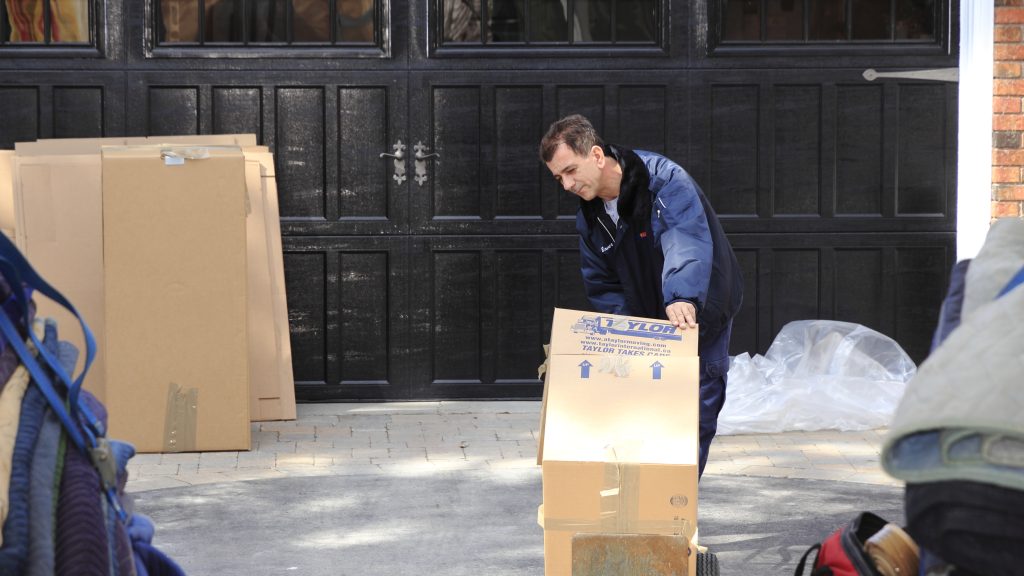
Here are the main things to remember when planning your move from Toronto to Washington DC. Keeping these points in mind will help make your relocation smoother.
Key Takeaways
- Understand the special steps for moving between Canada and the US, like customs and paperwork.
- Get quotes from several Toronto to Washington DC movers and compare what’s included, not just the price.
- Pack a bag with essentials you’ll need right away when you arrive in Washington DC.
- Keep copies of all important moving documents in a safe and easy-to-find place.
- Don’t forget to look into visa requirements if they apply to your situation.
Planning Your Toronto to Washington DC Move
Moving from Toronto to Washington DC is a big step, and getting the planning right from the start makes all the difference. It’s not just about packing boxes; it’s about understanding the whole process, especially when you’re crossing an international border. Proper planning is the bedrock of a smooth cross-border relocation.
Understanding Cross-Border Moving Logistics
When you’re moving from Canada to the US, the logistics get a bit more complicated than a typical domestic move. You’ve got customs regulations, different shipping laws, and the sheer distance to consider. It’s important to get a handle on how these factors will affect your move. Think about things like:
- Timing: How long will it realistically take to get your belongings from Toronto to DC? Factor in potential border delays and transit times.
- Route: While you’re heading to DC, the actual path your belongings take might involve various states and transportation hubs.
- Regulations: Each country has rules about what you can and can’t bring across the border. Knowing these beforehand saves a lot of headaches.
It’s a good idea to start thinking about these details well in advance. The more you understand the complexities of Canada to US moves, the better prepared you’ll be.
Choosing the Right Toronto to Washington DC Movers
Selecting the right moving company is probably one of the most critical decisions you’ll make. You need a company that specializes in cross-border moves, not just local ones. They should be familiar with the specific paperwork and procedures required for moving household goods from Canada into the United States. Look for movers who:
- Have a proven track record of successful Canada-US relocations.
- Are transparent about their pricing and services.
- Can provide references or testimonials from other cross-border clients.
Don’t just pick the first company you find. Do some digging, compare a few options, and ask lots of questions. A good mover will make you feel confident about the process.
Estimating Your Moving Costs
Moving costs can add up, and for an international move, they can be even more varied. It’s not just about the distance; it’s also about the volume of your belongings, the services you need (like packing or storage), and any customs fees that might apply. Companies often calculate costs based on weight and mileage for long-distance and cross-border moves.
Here’s a general idea of what influences the price:
- Volume and Weight: More stuff generally means a higher cost.
- Distance: Toronto to DC is a significant distance.
- Services: Packing, unpacking, crating, and storage all add to the total.
- Insurance: Protecting your belongings during transit is important.
- Customs Fees: While often minimal for household goods, it’s good to be aware.
It’s wise to get detailed quotes from multiple movers. Be sure to understand what is included in each quote and what might be an extra charge. This helps avoid surprises down the line and allows you to budget more accurately for your relocation. Moving to Washington D.C. from Toronto involves careful preparation, and understanding costs is a big part of that.
Getting a clear estimate early on helps you budget and compare different moving companies effectively. Remember, the cheapest option isn’t always the best value when it comes to something as important as moving your entire household.
Navigating the Cross-Border Process

Moving from Canada to the United States involves more than just packing boxes and driving south. It’s a journey with specific requirements that need attention to go smoothly. Think of it like preparing for a big trip, but with official paperwork and customs checks involved. Understanding these steps beforehand makes a huge difference.
Essential Documentation for Canada to US Moves
Gathering the right documents is the first big step. You’ll need to prove who you are and why you’re moving. This usually includes:
- Valid Passports: Everyone moving needs a current passport.
- Government-Issued Identification: Think driver’s licenses or provincial ID cards.
- Proof of Status: This could be work permits, study permits, or residency documents for the U.S. If you’re unsure about what you need, it’s a good idea to check the official U.S. Customs and Border Protection website or consult with your moving company.
- Bill of Sale or Inventory: For any vehicles you’re bringing.
- Moving Company Paperwork: Your mover will provide specific forms, like a Bill of Lading.
It’s always better to have too much information than not enough when dealing with border crossings. Double-checking requirements can save you a lot of headaches at the border.
Customs Procedures for Household Goods
When your belongings cross the border, they go through customs. Your moving company usually handles a lot of this, but you need to be aware of what’s happening. They’ll need a detailed inventory of everything you’re shipping. Certain items might be restricted or require special declarations. For example, firearms, alcohol, and even certain food items can have specific rules. Your movers will guide you on what can and cannot be brought across, and how to declare items properly. This process can take time, so planning ahead is key. Moving between the USA and Canada with professional movers typically takes 5-10 business days for delivery, but customs processing is a big part of that timeline.
Understanding Visa Implications for Relocation
Your reason for moving to the U.S. directly impacts the type of visa or status you’ll need. Are you moving for work? To join family? To study? Each situation requires a different visa category. It’s important to have your visa or immigration status sorted out before your move. If you’re moving for employment, your new employer often plays a role in the visa application process. If you’re unsure about visa types or the application process, seeking advice from an immigration lawyer or consultant is a smart move. This ensures you’re legally allowed to reside and work in the U.S. after your move from Canada.
Services Offered by Toronto to Washington DC Movers
Comprehensive Packing and Crating Solutions
Moving your belongings from Toronto to Washington DC involves more than just loading boxes. Professional movers offer detailed packing services to keep your items safe. This includes using the right materials for different types of goods, from fragile dishes to bulky furniture. They can pack everything, or just the items you’re most worried about. For really delicate or valuable items, like artwork or antique furniture, specialized crating is available. This provides an extra layer of protection, built specifically for those pieces. It’s a good idea to look into these options early, especially if you have a lot of sentimental or high-value items. Companies that handle cross-border moves often have specific protocols for packing to meet the demands of a long journey.
Secure Storage and Warehousing Options
Sometimes, your new home in Washington DC might not be ready when you arrive, or perhaps you need to downsize temporarily. Many Toronto to Washington DC moving companies provide secure storage solutions. These facilities are often climate-controlled, meaning they maintain a steady temperature and humidity level, which is great for protecting furniture, electronics, and important documents from damage. You can store your items for short periods or longer durations, depending on your needs. This flexibility can take a lot of pressure off your move, giving you more time to settle in without worrying about where your belongings will go.
Specialized Services for Valued Items
When you’re moving across the border, certain items might need extra attention. This could include things like pianos, large appliances, or even your car. Movers specializing in Canada to US relocations often have the equipment and training to handle these items safely. They might offer custom crating for things like large mirrors or glass tabletops, or specialized dollies and padding for heavy machinery. It’s important to discuss any particularly valuable or difficult-to-move items with your moving company well in advance of your moving day. This allows them to plan accordingly and ensures your prized possessions arrive in Washington DC just as safely as everything else. For smaller, high-value loads, some services focus on expert packing and weight-based pricing to manage costs effectively.
Making Your Move Stress-Free
Moving from Toronto to Washington DC can feel like a huge undertaking, especially with the border crossing involved. But it doesn’t have to be a constant source of worry. The key is to have the right support and to use the tools available to make things smoother. Smart planning and good communication are your best friends here.
Leveraging Technology for Efficient Relocation
Technology has really changed how we move. Think about using online tools to help plan your move. Some companies offer floor planning software, which is super handy. You can map out where your furniture will go in your new DC place before you even pack a box. This helps you figure out what you really need to bring and avoids that awkward moment of realizing your sofa won’t fit through the door. It’s also great for downsizing, so you’re not paying to move stuff you don’t need.
Another tech advantage is route optimization. Movers use software to figure out the quickest and most efficient routes, which can help avoid traffic jams and get your belongings to DC on time. It’s not just about getting from point A to point B; it’s about doing it smartly.
The Role of a Dedicated Move Coordinator
When you’re dealing with a cross-border move, having a single point of contact can make all the difference. A dedicated move coordinator is like your personal move manager. They’re there to answer your questions, keep you updated on the progress, and help sort out any little hiccups that might pop up. They understand the complexities of moving from Canada to the US, like customs paperwork and timing.
Think of them as your go-to person for anything related to the move. They can help coordinate everything from packing to delivery, making sure all the pieces fit together. This kind of personalized attention really cuts down on the confusion and stress. It’s good to know someone has your back throughout the entire process, from your Toronto home to your new one in Washington DC.
Stress Management Tools for Movers
Moving is stressful, plain and simple. Even with the best planning, things can feel overwhelming. That’s why some moving companies offer resources to help you manage that stress. They might have a stress management toolkit with tips and advice for staying calm during the move. It’s a thoughtful touch that acknowledges moving isn’t just about your stuff; it’s about your well-being too.
These tools can offer practical advice, like how to pack an essentials box with things you’ll need right away upon arrival in DC, or tips for keeping your kids entertained during the long drive. Having access to these resources can really help you feel more in control and less anxious about the whole experience. It’s about making the transition as smooth as possible, not just logistically, but emotionally too. Remember to prepare an emergency kit for your move, including essentials like blankets, water, and snacks, especially for the long journey across the border.
Choosing Value with Your Movers
When you’re planning a move from Toronto to Washington DC, it’s easy to get caught up in just the price tag. But honestly, the cheapest option isn’t always the best one, especially when you’re dealing with a cross-border move. You want to find movers who offer real value, meaning a good balance of cost, quality service, and reliability. Think about it like this: you’re not just paying for muscle to lift boxes; you’re paying for peace of mind, especially when crossing international borders.
Comparing Moving Quotes: Best Value vs. Cheapest
Getting multiple quotes is a smart move, no doubt about it. But don’t just grab the lowest number and run. Look at what’s actually included in each quote. Does one company include packing supplies, while another charges extra? Are there hidden fees for things like long carries or stairs? The goal is to find a mover that provides a transparent and fair price for the services you actually need. Sometimes, paying a little more upfront for a company with a solid reputation and better reviews can save you a lot of headaches down the road. It’s about finding that sweet spot where you feel confident you’re getting a good deal for a job well done. You can check out international moving companies to get a sense of what’s out there.
Understanding Not-to-Exceed Estimates
This is a big one for cross-border moves. A "not-to-exceed" estimate is a great middle ground. It means the moving company gives you a price, but they promise not to charge you more than a certain percentage over that estimate, often around 10%. Sometimes, if they finish faster or use fewer resources than planned, they might even charge you less. This kind of estimate offers some price protection while still allowing for the natural variations that can happen in a long-distance move. It’s a much safer bet than a completely variable, non-binding estimate where the final cost could be anything.
The Benefits of Full-Service Moving Packages
Full-service moving packages can seem like a splurge, but they often provide the most value for a complex move like Toronto to Washington DC. These packages typically include everything: packing, loading, transportation, unloading, and even unpacking. For a cross-border move, this can be incredibly helpful because it means the movers are handling all the logistics, including any specific requirements for moving goods between Canada and the US. It takes a huge amount of stress off your shoulders. You can focus on getting settled in your new home in DC, knowing that your belongings are being handled by professionals. It’s about getting a complete solution that covers all the bases, from start to finish, making the entire process much smoother.
When comparing quotes, look beyond the bottom line. Consider the company’s reputation, the clarity of their pricing, and the specific services included. A slightly higher quote from a reputable company that offers a not-to-exceed estimate and includes comprehensive services might be the best value for your cross-border move.
Preparing for Your New Life in Washington DC

What to Expect During Your Long-Distance Move
Moving from Toronto to Washington DC is a big step, and it’s totally normal to feel a mix of excitement and maybe a little bit of nerves. The actual moving day itself can feel like a whirlwind. You’ve probably spent weeks packing, sorting, and getting everything ready. When the movers arrive, they’ll likely start by carefully wrapping your furniture and then loading everything onto the truck. It’s a process that takes time and a lot of coordination. Remember that cross-border moves have their own set of complexities, like customs and documentation, which are different from a move within Canada.
It’s a good idea to have a plan for what you’ll do on moving day. Maybe you’ll stay out of the way, or perhaps you’ll want to be there to answer any last-minute questions. Keep important documents and essentials with you, like your passport, any new keys, and a small bag with toiletries and a change of clothes. This way, you won’t have to dig through boxes right away. The movers will transport your belongings to Washington DC, and the delivery process will be scheduled. It’s all about trusting the professionals you’ve hired to handle the heavy lifting and logistics.
Tips for Settling into Your New Home
Once your belongings arrive in Washington DC, the real settling-in process begins. Unpacking can feel overwhelming, so try to tackle it room by room. Start with the essentials: your bedroom, bathroom, and kitchen. Having a functional space to relax and prepare meals will make a huge difference. Don’t feel pressured to unpack everything in the first few days. It’s okay to take your time and set up your new home at a pace that feels comfortable for you.
Consider using a floor planning tool before you even move. This can help you visualize where your furniture will go in your new space, making the unpacking and setup process much smoother. It also helps you avoid paying to move items you might not have room for. It’s a smart way to plan and make the most of your new living situation.
Connecting with Your New Community
Moving to a new city like Washington DC means building a new community. It can take a little effort, but it’s so rewarding. Start by exploring your immediate neighborhood. Find local coffee shops, parks, and grocery stores. These everyday places are great spots to meet people and get a feel for the local vibe. If you have specific interests, look for clubs or groups related to those hobbies. Whether it’s a book club, a hiking group, or a sports league, joining activities is a fantastic way to meet people who share your passions.
Don’t underestimate the power of local events either. Check community calendars for festivals, farmers’ markets, or local gatherings. These events are often very welcoming to newcomers. Remember, building connections takes time, so be patient with yourself and enjoy the process of discovering your new surroundings and the people who make up your new community. It’s also worth looking into the cost of living in DC to help budget for your new life.
Getting ready to move to Washington D.C.? It’s an exciting time, and we’re here to help make your transition smooth. From packing up your current home to settling into your new D.C. neighborhood, we’ve got the tips and services to guide you. Don’t let the stress of moving get you down. Visit our website today to learn more about how we can help you start your new life in the capital!
Conclusion
Moving from Toronto to Washington DC might seem like a big task, but with the right help, it doesn’t have to be a headache. Planning ahead, choosing good movers, and knowing what paperwork you need makes all the difference. Think of it as a new adventure, not just a move. By getting organized and picking the right Toronto to Washington DC movers, you can focus on the exciting parts of starting your new life in DC.
Frequently Asked Questions
How far in advance should I book Toronto to Washington DC movers?
It’s a good idea to book your movers at least three to four weeks before your moving date. This gives them enough time to plan everything properly and helps you get the best pick of their schedule. Booking earlier is even better, especially if you’re moving during a busy time.
What documents do I need to move from Canada to the US?
You’ll need things like your passport, visa (if needed), and a detailed inventory list of everything you’re bringing. The moving company will also help with customs forms. It’s smart to have copies of everything, just in case.
How do Toronto to Washington DC movers calculate their prices?
They usually figure out the cost based on how much stuff you have (weight and volume) and how far they have to drive. Things like special packing needs or needing storage can also affect the price. Always ask for a detailed quote.
Can movers pack my things for me?
Yes, most good moving companies offer packing services. They can pack everything or just specific items, like fragile dishes or big furniture. This can save you a lot of time and hassle, and they know how to pack things safely for a long trip.
What’s the difference between a binding and a non-binding estimate?
A binding estimate is a fixed price that won’t change, as long as you don’t add or remove items. A non-binding estimate is just a guess, and the final price could be higher or lower. ‘Not-to-exceed’ estimates are also common, meaning the price won’t go over a certain amount, but might be less.
What should I do if my belongings get damaged during the move?
Most moving companies offer insurance. Make sure you understand what’s covered before you move. If something does get damaged, report it to the moving company right away and follow their claims process. Having photos of the damage can help.
Leave a Comment