The Ultimate Guide to Moving Long Distance: Tips and Tricks for a Smooth Transition

Moving long distance can feel like a huge task, right? It’s more than just packing boxes and loading a truck. It involves a lot of planning, figuring out costs, and making sure your stuff gets to your new home safely. Whether you’re moving across the country or just across the border, having a good plan makes all the difference. This guide is here to help you through the whole process, from getting quotes to settling in.
Key Takeaways
- When moving long distance in Canada, understand that costs are based on factors like distance, weight, and services needed. Get multiple quotes to compare.
- Choosing the right movers is about more than just the cheapest price. Look for reputable companies with good reviews and clear communication.
- Proper packing and organizing are vital for long-distance moves. Pack essentials separately for easy access upon arrival.
- For cross-border moves between Canada and the US, be aware of customs regulations, required documents, and any items you can’t bring.
- Managing your budget is important, especially if you have a relocation allowance. Compare DIY versus full-service options to find the best value.
Planning Your Long-Distance Move
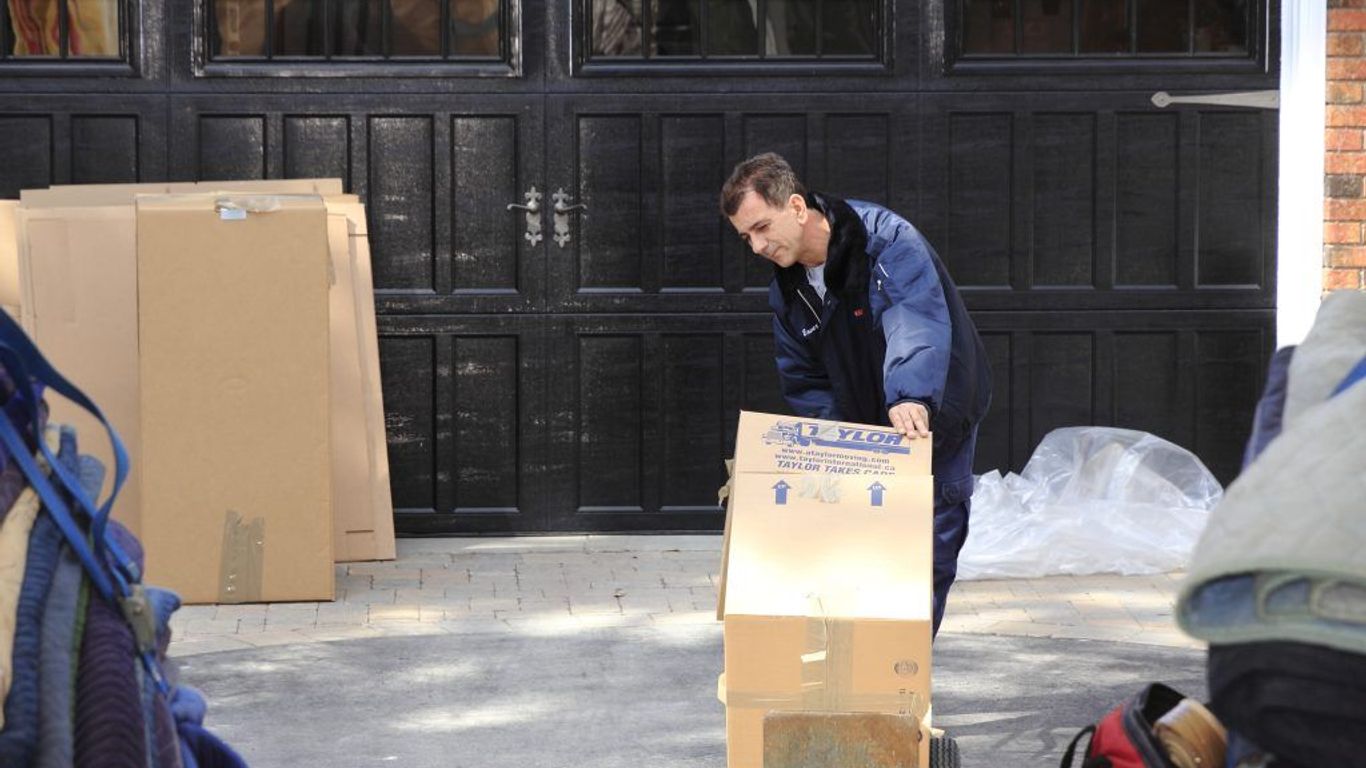
Moving across Canada is a big deal. It’s not like just popping over to the next town; this is a whole new province, maybe even a different time zone. Getting this right starts with good planning. You can’t just wing it and hope for the best. Think of it like packing for a trip to the moon – you need to be prepared for everything.
Understanding Long-Distance Moving Costs in Canada
Figuring out how much a long-distance move will cost isn’t always straightforward. It’s not just about the distance, though that’s a big part of it. Several things play a role, and understanding these can help you budget better. The weight of your belongings is often the biggest factor movers use to calculate costs. The more stuff you have, the more it weighs, and the more it costs to move.
Here are some common cost components:
- Distance: The further you move, the higher the transportation costs.
- Weight/Volume: Movers often charge based on how much your items weigh or how much space they take up on the truck.
- Packing Services: If you want the movers to pack your boxes, that’s an extra service and cost.
- Special Items: Moving large, heavy, or delicate items like pianos, safes, or artwork might incur additional fees.
- Timing: Moving during peak seasons (like summer or the end of the month) can sometimes be more expensive.
- Insurance: While basic liability is usually included, full value protection costs extra.
Factors Influencing Your Moving Estimate
When you get a quote from a moving company, you’ll notice that the numbers can vary quite a bit. This is because different companies have different ways of calculating costs and different overheads. Some might charge by the hour, while others base it on the weight and distance. It’s important to ask for a detailed breakdown of what’s included in your estimate. Don’t be afraid to ask questions; a good mover will be happy to explain things.
Here’s what typically influences the estimate:
- Inventory of Goods: A more accurate inventory leads to a more accurate estimate. Some companies do in-home surveys for larger moves.
- Services Required: Do you need packing, unpacking, storage, or special handling for certain items?
- Accessibility: Difficult access at either the pickup or delivery location (e.g., narrow streets, stairs, elevators) can add time and cost.
- Time of Year: As mentioned, moving during busy periods can affect pricing.
- Type of Estimate: Binding estimates (a fixed price) differ from non-binding estimates (which can change).
Getting multiple quotes is a smart move. It helps you compare prices and services, but remember that the cheapest option isn’t always the best value. Look for companies with good reviews and clear communication.
Why Moving Quotes Vary Significantly
It’s common to get wildly different quotes from different moving companies, and it can be confusing. This variation often comes down to a few key things. Some companies might include more services in their base price, while others offer them as add-ons. The type of moving truck, the experience of the crew, and the insurance options they provide can also affect the final price. Always check what’s included in each quote. For instance, one company might quote a lower price but charge extra for packing supplies, while another might have a slightly higher base price but include basic packing materials. It’s also worth noting that some companies might be more thorough in their initial assessment, leading to a more accurate, though potentially higher, initial quote. This is why it’s so important to have a clear moving plan in place before you start getting estimates.
- Company Policies: Each mover has its own pricing structure and service inclusions.
- Operational Costs: Fuel, labor, insurance, and truck maintenance vary between companies.
- Reputation and Demand: Highly reputable companies or those in high demand might charge more.
- Estimate Accuracy: A quick phone quote will likely be less accurate than a detailed in-home assessment.
Remember, a detailed quote is your best friend when comparing options. It helps you see exactly what you’re paying for and avoid surprises down the road. Planning your move carefully is the first step to a successful transition.
Choosing the Right Long-Distance Movers
So, you’ve decided to move across the country, or maybe just to a different province. That’s a big step! Now comes the part where you need to figure out who’s going to get all your stuff from Point A to Point B. Picking the right moving company for a long-distance move in Canada isn’t like choosing someone to move your couch across town. It’s a whole different ballgame, and getting it wrong can lead to a lot of headaches and unexpected costs.
How to Select a Reputable Moving Company
Finding a moving company you can trust is probably the most important part of this whole process. You’re entrusting them with your belongings, your memories, and frankly, a big chunk of your life. So, how do you weed out the good from the not-so-good?
- Check their credentials: Look for companies that are registered and insured. In Canada, movers often have specific licensing requirements depending on the province. A quick search on provincial government websites or industry associations can help.
- Read reviews, but with a grain of salt: Online reviews can be helpful, but remember that people are often more motivated to leave a review when something goes wrong. Look for patterns in the feedback, both positive and negative.
- Ask for references: A reputable company should be happy to provide references from past clients, especially for long-distance moves.
- Get everything in writing: This is huge. Any promises, services, or costs discussed should be clearly laid out in your contract. Don’t settle for verbal agreements.
It’s also a good idea to see if they have a solid track record. Companies like North American Van Lines are known for their long-distance services, which can be a good starting point for your research.
Best Value vs. Cheapest Quote for Your Move
This is where a lot of people get tripped up. The cheapest quote might look really appealing, especially if you’re trying to stick to a budget. But here’s the thing: the cheapest option often isn’t the best value in the long run. Think about it – how can one company charge significantly less than everyone else for the same service? Usually, it means they’re cutting corners somewhere.
Here’s a quick breakdown:
| Factor | Cheapest Quote Might Mean… | Best Value Often Includes… |
|---|---|---|
| Pricing | Hidden fees, low-quality packing materials, fewer services. | Transparent pricing, clear breakdown of costs, quality materials. |
| Service Level | Less experienced movers, longer transit times, poor communication. | Professional crews, reliable timelines, proactive communication. |
| Protection | Minimal or no insurance, less care with your belongings. | Adequate insurance options, careful handling, damage prevention. |
Sometimes, a slightly higher quote from a company that offers better service, more reliable timelines, and proper protection for your belongings can save you a lot of stress and money down the road. You’re not just paying for transportation; you’re paying for peace of mind. Understand their process and capabilities to make an informed decision.
What to Expect from Estimate to Delivery
Once you’ve chosen a mover, the process generally follows a predictable path, though the specifics can vary. It’s good to know what’s coming so there are fewer surprises.
- The Estimate: This is where the mover assesses what you need moved. For long-distance moves, this is often done via a virtual survey or an in-home consultation. They’ll look at the volume and weight of your items, any special packing needs, and the distance.
- Booking and Scheduling: Once you agree on a quote, you’ll book your moving dates. For long-distance moves, especially during peak seasons (like summer or year-end), it’s wise to book well in advance – sometimes months ahead.
- Packing: Depending on your agreement, you might pack yourself, or the movers might handle it. If they pack, they’ll usually do it a day or two before the loading date.
- Loading Day: The moving crew arrives to load all your belongings onto the truck. This can take several hours, depending on the size of your move.
- Transit: Your items are on the road! For long-distance moves, this isn’t usually a direct trip. Your belongings might be consolidated with other shipments, and there will be a set delivery window rather than an exact time.
- Delivery: The moving truck arrives at your new location. The crew will unload your items, and you’ll do a final check.
Throughout this entire process, clear and consistent communication with your moving company is key. Don’t hesitate to ask questions at any stage. A good mover will keep you informed about your shipment’s progress and any potential delays.
Remember, a long-distance move is a significant undertaking. Taking the time to choose the right movers can make all the difference between a smooth transition and a stressful ordeal.
Preparing for Your Long-Distance Relocation

Getting ready for a big move across Canada can feel like a lot, but breaking it down makes it way more manageable. Think of it like packing for a really long trip, but with all your stuff. The key is to start early and be organized. Seriously, don’t wait until the last minute; it just makes everything harder.
Essential Documents for Moving Within Canada
When you’re moving within Canada, you might not think about documents much, but there are a few things that are good to have handy. It’s not like crossing borders, but keeping things in order helps.
- Identification: Make sure you have your driver’s license or other government-issued ID. You’ll need this for setting up new services or even just proving who you are.
- Lease Agreements/Mortgage Papers: If you’re renting or buying, having copies of your new and old agreements can be helpful for utility setups or if any questions pop up.
- Important Records: Think about things like birth certificates, passports (even though you’re staying in Canada, they’re good IDs), and any medical records you might need.
- Moving Company Paperwork: Keep your contract, inventory lists, and any communication with your movers in one place. This is super important if anything unexpected happens.
It’s easy to just shove everything into a box, but taking a little time to sort through important papers can save you a headache later. A simple folder or binder can keep these vital documents safe and accessible during the chaos of moving day.
Packing Strategies for Long-Distance Moves
Packing for a long-distance move is different from a local one. Things are going to be on the truck for longer, and they might get shifted around more. So, how you pack really matters.
- Declutter First: Before you even think about boxes, go through your stuff. Donate, sell, or toss anything you don’t use or need. Less stuff means less to pack and move, which saves time and money.
- Use the Right Boxes: Sturdy, good-quality boxes are your best friend. Don’t use old, flimsy ones. For heavy items like books, use smaller boxes so they aren’t too heavy to lift.
- Pack Room by Room: Try to pack one room at a time. This helps keep things organized and makes unpacking much easier when you get to your new place. Label boxes clearly with the room they belong in and a general idea of what’s inside.
- Protect Fragile Items: Wrap dishes, glassware, and other breakables carefully. Use packing paper, bubble wrap, or even towels and blankets. Place heavier items at the bottom and lighter ones on top.
What to Pack Separately for Easy Access
There are some things you’ll want to get to right away when you arrive at your new home. These are the "essentials" that make the first night and morning much smoother. It’s a good idea to pack these in a clearly marked box or suitcase that travels with you, not on the moving truck.
- Toiletries: Toothbrushes, toothpaste, soap, shampoo, and any personal medications.
- A Change of Clothes: For everyone in the household.
- Basic Kitchen Supplies: A few plates, cups, cutlery, a pot, and some basic cooking utensils. Don’t forget coffee maker supplies if that’s a must-have for you!
- Important Documents: As mentioned before, keep these with you.
- Phone Chargers and Electronics: You’ll want your phones, laptops, and their chargers handy.
- Basic Tools: A screwdriver, hammer, and pliers can be surprisingly useful for assembling furniture or making small fixes.
- Bedding: At least one set of sheets for each bed.
Starting your preparations early, maybe 8-12 weeks before your move date, can make a huge difference. Breaking down tasks into weekly goals helps too. Book your movers well in advance, ideally at least 8 weeks out, and start decluttering as soon as possible. This gives you plenty of time to sort through everything without feeling rushed.
The Moving Day Experience
Moving day is never just another date on the calendar—especially for long-distance relocations across Canada. Every part of the day can impact how well your move turns out, from the first box being loaded to signing off on your inventory sheet. If you want to keep stress under control and get your belongings where they need to go, it helps to know what to expect and how to get ready.
What Happens on Moving Day
Once your moving crew arrives, things tend to move quickly. Here’s what a typical moving day looks like in Canada:
- Walk through the home with your moving team, pointing out high-value or fragile items.
- Sign necessary paperwork—like inventory forms and the bill of lading—to confirm details and the timeline.
- Movers start protective wrapping and loading, using floor runners to keep spaces clean.
- Items are packed into the truck in a specific order, usually saving essentials for last.
If you’re using a full-service mover, your job can be mostly supervisory, but always plan to be there for questions and last-minute issues. All reputable movers will double-check your inventory with you to keep everyone on the same page.
One tip: Have snacks and water available—not just for yourself, but your movers, too. It keeps energy up and the mood brighter as the day goes on.
Ensuring a Smooth Loading and Unloading Process
Prepping for moving day is half the battle. Here’s what you can do to avoid chaos during loading and unloading:
- Clearly label all boxes with their destination room and fragile status.
- Remove snow, ice, or obstacles from walkways and driveways in advance.
- Be ready for the movers at the scheduled time—delays can add up quickly on a cross-country route.
Many Canadian movers offer planning tools to help with arranging furniture and estimating space in advance, a great way to avoid stress at the last minute.
Here’s a simple reference that helps you check if you’re on track:
| Task | Recommended Timing Before Move |
|---|---|
| Start packing | 4–6 weeks |
| Finalize paperwork | 1–2 weeks |
| Confirm inventory | 1 week |
| Moving day supplies | Day before |
You can always refer to a thorough out-of-province relocation checklist for extra ideas and reminders.
Communication During Your Long-Distance Move
Strong, steady communication with your moving company matters most on moving day. Here’s how to make sure no one drops the ball:
- Share your cell number with the crew and ask for a direct dispatcher contact.
- Let movers know about access restrictions or elevator booking times ahead of arrival.
- Don’t be shy—if you notice a problem or have a special request, speak up right away.
In a country like Canada, where weather and road conditions can change in a flash, your moving team should let you know of any delays or changes in delivery windows immediately. Keeping everyone updated will help you adjust plans on your end.
You’ll appreciate fast, honest updates when you’re waiting on the other side for your belongings. Communication makes the entire move run smoother and keeps everyone on the same side.
Whether you’re moving from Vancouver to Halifax or just to another province, sticking to a clear plan and staying in touch with your movers—before, during, and after loading—takes a lot of the pain out of long-distance moving day. For more about how early prep can make this process easier, look into starting to pack well in advance and keeping a running to-do list.
Navigating Cross-Border Moves
Moving your life from Canada to the United States is a big deal, and it’s quite different from a regular long-distance move within Canada. It’s not just about packing boxes; you’re dealing with international regulations, customs, and a whole new set of paperwork. Getting this part right is key to avoiding headaches at the border.
Moving from Canada to the United States
When you’re planning a move from Canada to the US, think of it as a special kind of relocation. You’ll need to be extra organized. The movers you choose should have specific experience with Canada-US moves. They’ll know the ins and outs of what’s allowed and what’s not, and how to handle the customs process smoothly. It’s a good idea to start this planning process well in advance, maybe even six months before your move date, especially if you have a lot of belongings.
Understanding Customs and Documentation
This is where things get complicated. You’ll need to fill out customs forms for both countries. Your moving company should guide you through this, but it’s your responsibility to provide accurate information. Think about things like:
- Inventory List: A detailed list of everything you’re bringing, including estimated values.
- Bill of Lading: This is your contract with the moving company.
- Customs Declaration Forms: These are required by US Customs and Border Protection.
- Proof of Ownership: For certain items, you might need to show you’ve owned them for a while.
Missing or incorrect documents can lead to delays, extra fees, or even your belongings being held up at the border. It’s wise to get help with international moving company selection to ensure they are well-versed in these requirements.
What You Can and Cannot Bring Across the Border
There are rules about what you can and can’t bring into the United States. Generally, you can bring your household goods, but there are restrictions on certain items. Things like firearms, certain vehicles, and large amounts of alcohol or tobacco might have special rules or be prohibited. It’s also a good idea to declutter before you move. Bringing items you don’t really need just adds to the cost and complexity. Remember to address your healthcare needs and consider keeping a Canadian bank account open for a while after you move, as planning ahead is key to a successful international relocation.
The biggest mistake people make is underestimating the paperwork and customs procedures involved in a cross-border move. It’s not just a longer version of moving within Canada; it requires specific knowledge and preparation.
Managing Your Relocation Budget
Moving across the country can get expensive, fast. It’s easy to get caught up in the excitement of a new place and forget about the actual cost of getting there. When you’re dealing with a long-distance move within Canada, keeping an eye on your budget is super important. You don’t want to arrive at your new home only to realize you’ve blown through all your savings.
Making the Most of Your Lump-Sum Relocation Allowance
Lots of companies offer a lump-sum relocation allowance to help cover moving expenses. This is great, but it also means you’re in charge of managing the money. It’s like getting a budget to plan your own move. The trick is to make that money stretch as far as possible without cutting corners on quality or risking your belongings. Think about what’s most important to you. Is it getting everything packed perfectly, or is it just getting the big stuff there? A well-planned budget ensures you get the best value for your allowance.
Here’s a quick breakdown of how to approach it:
- Understand the Allowance: Know exactly what the lump sum covers. Does it include packing, insurance, or just the transportation? Read the fine print.
- Prioritize Needs: Decide what services are non-negotiable for you. Maybe you absolutely need professional packing for fragile items, or perhaps you’re okay with packing yourself to save money.
- Get Multiple Quotes: Don’t just go with the first mover you find. Compare quotes from different companies, but remember that the cheapest isn’t always the best value. Look at what’s included in each quote.
- Track Expenses: Keep a running list of everything you spend. This helps you see where your money is going and if you’re staying on track.
When you’re managing a lump sum, it’s easy to get tempted by the lowest upfront price. However, remember that a cheap quote can sometimes lead to unexpected fees or problems down the line, costing you more in the long run. It’s about finding that sweet spot between cost and reliable service.
DIY vs. Full-Service Movers for Budget Moves
This is a big decision when you’re trying to save money. A full-service mover handles pretty much everything – packing, loading, transporting, and unloading. It’s convenient, but it’s also the most expensive option. Professional movers can cost between $7,000 and $10,000 for long-distance moves. On the other hand, a DIY move means you’re doing most of the work yourself. You might rent a truck or a trailer, pack everything, and do all the heavy lifting. This is definitely cheaper, but it takes a lot of time and physical effort. You can explore cost-effective options like renting a cargo trailer or moving truck, utilizing freight trailer services, or considering a hybrid move. For items you can’t take immediately, affordable self-storage solutions are available nearby.
Here’s a look at the trade-offs:
- DIY Move:
- Pros: Significantly cheaper, more control over the process.
- Cons: Time-consuming, physically demanding, potential for damage if not careful, you’re responsible for everything.
- Full-Service Movers:
- Pros: Convenient, less stress, professional handling of belongings, often includes insurance.
- Cons: Most expensive option, less control over the schedule.
- Hybrid Move (e.g., Moving Containers):
- Pros: A middle ground. You pack and load, but the company transports. Moving containers typically cost around $3,000 to $5,000 for cross-country moves.
- Cons: Still requires packing and loading effort, less flexibility than DIY.
Avoiding Common Mistakes with Relocation Budgets
It’s easy to make budget blunders when you’re moving. One common mistake is not getting detailed quotes. A quote that just gives a total price without breaking down costs can hide extra fees. Always ask what’s included and what’s not. Another pitfall is underestimating the cost of packing supplies. Boxes, tape, bubble wrap – it all adds up. Also, don’t forget about potential hidden costs like storage fees, insurance, or even tips for the moving crew. Planning for unexpected expenses is key to staying within your budget.
Some common mistakes to watch out for:
- Not accounting for the cost of temporary housing if your move-in date doesn’t align perfectly with your move-out date.
- Forgetting to budget for setting up utilities and services in your new home, which can sometimes involve installation fees.
- Assuming the cheapest moving quote will automatically save you money; it often leads to more problems and higher costs later on.
By being aware of these potential budget traps, you can plan more effectively and ensure your long-distance move stays financially manageable.
Post-Move Essentials
So, you’ve made it! The boxes are (mostly) unpacked, and you’re standing in your new Canadian home. It feels good, right? But the journey isn’t quite over yet. There are still a few important things to sort out to really make this place yours and get settled in.
Setting Up Your New Home
Getting your new place feeling like home involves more than just putting furniture in place. Think about the practical stuff first. You’ll want to get your utilities set up – that means electricity, gas, water, and internet. Sometimes these can take a few days to get connected, so it’s good to arrange this before or right after you arrive. Also, consider changing the locks on your new doors. It’s a simple step that adds a big layer of security and peace of mind, especially when you’re in a new neighbourhood.
Updating Your Address and Services
This is one of those tasks that can easily slip your mind, but it’s super important. You need to let everyone know you’ve moved. This includes Canada Post, of course, so your mail gets forwarded correctly. Then there’s your bank, credit card companies, any subscription services you use, your employer, and even your favourite online shops. It’s a good idea to make a list of all the places you get mail or bills from and go through them one by one. This helps avoid any missed payments or important notifications. You can find a comprehensive checklist to help keep track of everything.
Tips for Settling into Your New Community
Moving to a new town or city in Canada can be exciting, but it also takes a bit of effort to feel like you belong. Start by exploring your immediate surroundings. Take walks around your neighbourhood, find the local grocery store, and maybe a nice park. If you have kids, look into the local schools and community centres. Joining local groups or clubs based on your hobbies can be a great way to meet people. Whether it’s a book club, a sports league, or a volunteer organization, shared interests are a fantastic starting point for new friendships. Don’t be afraid to strike up conversations with neighbours or people you meet at local events. Most Canadians are friendly and happy to share tips about their community.
Remember, settling in is a process, not an event. Give yourself grace and time to adjust. It’s okay to feel a bit overwhelmed at first. Focus on one task at a time and celebrate the small victories, like finding your new favourite coffee shop or figuring out the best route to work.
Once your move is complete, there are a few important things to take care of. Making sure your new place is set up right will help you settle in smoothly. Don’t forget to check utilities and get your mail forwarded. For more tips on what to do after moving, visit our website!
Wrapping Up Your Long-Distance Move
So, you’ve made it through the big move. It probably felt like a lot, and honestly, it is. But by planning ahead, staying organized, and choosing the right help, you’ve managed to get your stuff from point A to point B without too much fuss. Remember, moving across the country, or even just across the border, is a big deal. It’s more than just packing boxes; it’s about setting up your new life. Hopefully, this guide has given you the tools and confidence to handle it. Take a deep breath, unpack those essentials, and start settling into your new place. You’ve earned it.
Frequently Asked Questions
How much does it cost to move long distance in Canada?
The price of a long-distance move in Canada depends on a few things. The main factors are how much stuff you have (weight and volume) and how far you’re moving it. Some companies charge by weight, while others might charge by the hour. It’s important to get a few quotes to compare.
Why do moving quotes differ so much?
Moving quotes can be different because each company has its own way of calculating costs. Some might include more services in their basic price, like packing or insurance. Others might charge extra for those things. Always check what’s included in each quote to understand the differences.
How do I pick a good moving company for a long-distance move?
To find a good moving company, look for ones that are well-reviewed and have experience with long-distance moves. Ask for references and check their credentials. Don’t just go for the cheapest option; focus on companies that offer good value and seem trustworthy.
What should I pack separately for easy access?
You should pack a separate box or bag with things you’ll need right away when you get to your new place. This includes essentials like toiletries, a change of clothes, important documents, medications, chargers for your electronics, and maybe some snacks and basic tools.
What’s the difference between the cheapest quote and the best value?
The cheapest quote might seem appealing, but it doesn’t always mean you’re saving money in the long run. The best value comes from a company that offers reliable service, good communication, and proper care for your belongings, even if their price is a bit higher. It’s about getting what you pay for.
What happens on moving day for a long-distance move?
On moving day, the movers will arrive to carefully load all your packed belongings onto their truck. They’ll make sure everything is secured properly for the journey. Once they arrive at your new home, they will unload everything for you. Good communication with the moving crew is key throughout the day.
Leave a Comment