The Ultimate Guide to Moving: Tips, Tricks, and Services for a Smooth Transition
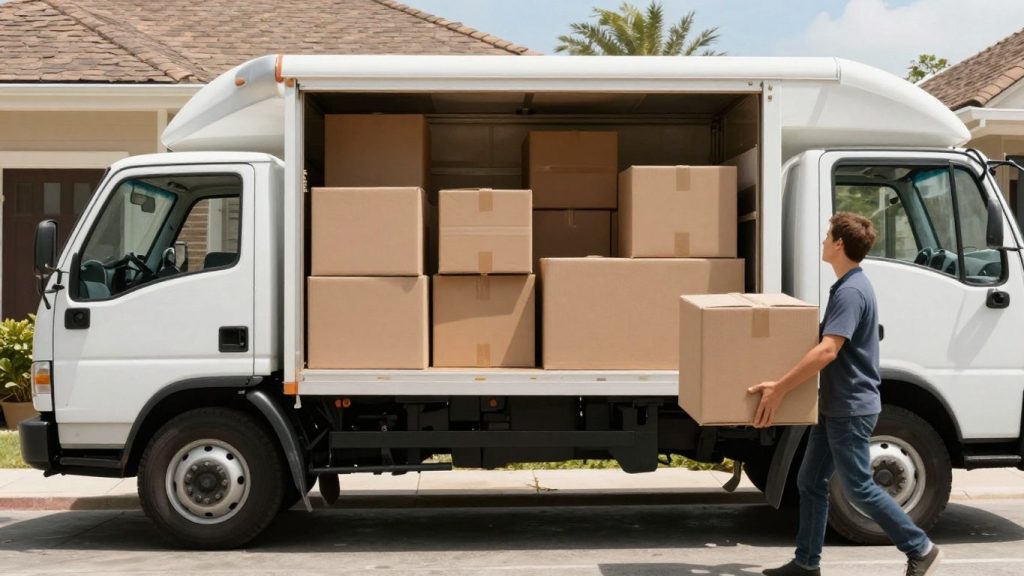
Moving to a new place can feel like a huge task, right? It’s easy to get lost in all the details, from packing up your whole life to figuring out where to put the couch in the new living room. But honestly, it doesn’t have to be a nightmare. With a little planning and some smart moves, your transition can actually go pretty smoothly. We’ve put together some ideas to help make your next move less stressful and more about the excitement of what’s next.
Key Takeaways
- Start planning your move well in advance, creating a timeline and budget to keep things organized.
- Decluttering before you pack saves time, money, and makes the actual moving process much easier.
- When hiring movers, do your homework to find reputable companies and understand their coverage options.
- Prepare thoroughly for moving day by packing an essentials box and getting your home ready for the movers.
- Settle into your new home by unpacking essentials first and taking time to get to know your new surroundings.
Planning Your Moving Strategy

Getting ready to move can feel like a lot, right? It’s not just about packing boxes; it’s about having a solid plan in place before you even start. Think of this as the blueprint for your entire move. A good strategy means less stress and fewer surprises down the road. The earlier you start planning, the smoother things will go.
Create A Detailed Moving Timeline
This is where you map out everything. Break down the big move into smaller, manageable steps. You don’t want to be scrambling at the last minute. Start with the big picture and then fill in the details.
- 8 Weeks Out: Start researching moving companies, decluttering, and making a list of what needs to be done.
- 6 Weeks Out: Book your movers, start gathering packing supplies, and notify your landlord or HOA.
- 4 Weeks Out: Begin packing non-essential items, change your address with the post office, and set up utilities at your new place.
- 2 Weeks Out: Pack most of your belongings, confirm details with your movers, and start using up food in your pantry.
- 1 Week Out: Pack an essentials box, confirm final details, and prepare appliances for moving.
- Moving Day: Do a final walkthrough, hand over keys, and head to your new home.
Establish Your Moving Budget
Money talk. Moving costs can add up faster than you think. It’s smart to figure out how much you can spend early on. This helps you make decisions about services and supplies.
Here’s a quick look at common moving expenses:
| Expense Category | Estimated Cost Range |
|---|---|
| Professional Movers | $500 – $5,000+ |
| Packing Supplies | $100 – $500 |
| Truck Rental (DIY) | $100 – $1,000+ |
| Storage Unit (if needed) | $50 – $300/month |
| Travel Expenses | Varies |
| New Home Setup (Deposits) | Varies |
Don’t forget to add a buffer for unexpected costs. Things always pop up, and having a little extra cash set aside can save you from a headache.
Research Your New Neighborhood
Moving isn’t just about the house; it’s about the place you’re moving to. Take some time to get to know the area before you arrive. This makes settling in much easier.
- Local Amenities: Find out where the nearest grocery stores, pharmacies, and banks are.
- Transportation: Check out public transport options, major roads, and typical commute times.
- Community Vibe: Look for local parks, restaurants, and community centers. See if there are local events or groups that interest you.
- Schools & Services: If you have kids, research the local school district. Also, note the location of hospitals and other important services.
Notify Essential Parties Of Your Move
This is the official stuff. You need to let people know you’re moving so things don’t get missed. It’s a bit of a checklist, but getting it done early prevents mail mix-ups and service interruptions.
- Current Landlord/Property Manager: Give proper notice according to your lease agreement.
- Utility Companies: Schedule disconnection of services at your old place and connection at your new one.
- Post Office: Set up mail forwarding to your new address.
- Banks & Financial Institutions: Update your address on all accounts.
- Employer: Inform your HR department.
- Subscriptions & Deliveries: Update your address for any magazines, subscription boxes, or regular deliveries.
Decluttering And Packing For Your Move
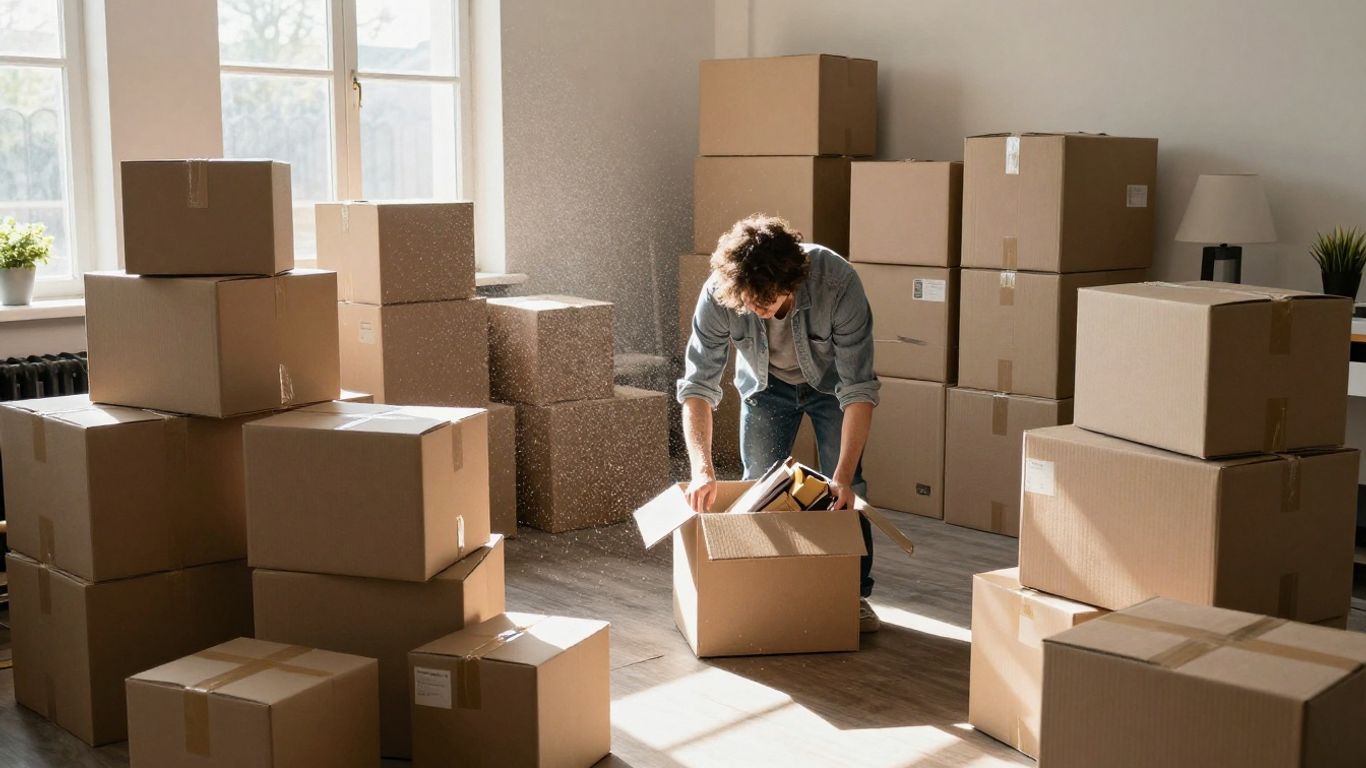
Before you even think about taping up a box, let’s talk about getting rid of stuff. Moving is the perfect excuse to go through everything you own and decide what’s actually coming with you. Trust me, hauling junk to a new place is just a recipe for regret. Start room by room, and be honest with yourself. Do you really need that chipped mug from college? Or that sweater you haven’t worn in five years? The less you move, the less you have to pack, and the less you have to unpack.
Declutter Your Belongings Before Packing
This is where you get ruthless. Go through closets, drawers, the garage, that mysterious box in the attic. Sort items into piles: keep, donate, sell, or trash. Think about your new space – will that giant armchair actually fit in your new living room? Consider having a yard sale or listing items online; it’s a great way to make a little extra cash and lighten your load. If you’re short on time, dedicate a specific hour each day to decluttering one small area. It makes the whole process feel way less overwhelming.
Implement Effective Packing Strategies
Okay, now for the actual packing. Start with things you don’t use daily. Seasonal clothes, books you’ve already read, decorative items – get those boxed up first. Pack one room at a time to keep things organized. When you pack, fill boxes completely. Use packing paper, towels, or even socks to fill any empty spaces. This stops things from shifting around and breaking during the move. And for goodness sake, don’t overpack boxes. A box that’s too heavy is a hazard to lift and can easily break open. Aim for boxes that are manageable to carry.
Utilize Quality Packing Materials
Don’t skimp here. Using old, flimsy boxes or weak tape is asking for trouble. Invest in sturdy moving boxes in various sizes. Bubble wrap is your best friend for anything fragile – think dishes, glassware, electronics. Packing paper is great for wrapping individual items and filling gaps. Strong packing tape is a must; you don’t want boxes falling apart mid-move. And don’t forget markers for clear labeling. A good marker can save you hours of searching later.
Pack An Essentials Box For Moving Day
This is your survival kit. Pack a separate box with everything you’ll need immediately upon arrival at your new home, and keep it easily accessible. Think toiletries, medications, a change of clothes for everyone, phone chargers, basic tools (like a screwdriver for quick assembly), toilet paper, snacks, and important documents. You’ll be exhausted after the move, and the last thing you want to do is dig through dozens of boxes for a toothbrush. This box makes that first night so much smoother.
Moving is a marathon, not a sprint. Breaking down the decluttering and packing into smaller, manageable tasks will make the entire process feel less daunting. Start early, stay organized, and don’t be afraid to let go of things you no longer need.
Hiring Professional Moving Services
Deciding whether to tackle a move yourself or bring in the pros is a big question. While a DIY move might seem like a money-saver upfront, hiring professional movers can actually take a huge load off your shoulders, especially if you have a lot of stuff or a long distance to cover. It’s about trading some of your cash for a significant reduction in stress and physical strain.
Choosing Between DIY And Professional Movers
When you’re weighing your options, think about what’s most important for your move. Are you trying to keep costs as low as possible, or is your time and energy more valuable right now? A DIY move means you’re in charge of everything – renting a truck, packing, loading, driving, and unloading. This gives you total control and can be cheaper if you have a small amount of belongings and a lot of willing friends.
On the flip side, professional movers bring their own equipment, manpower, and experience. They handle the heavy lifting, the logistics of loading the truck efficiently, and the driving. This can be a lifesaver, particularly for larger homes or when you’re moving far away. You can often find local movers who know the area well and can offer more personalized service.
Here’s a quick look at the trade-offs:
| Feature | DIY Move | Professional Movers |
|---|---|---|
| Cost | Potentially lower (truck rental, gas) | Higher upfront cost |
| Labor | You and your helpers | Provided by the moving company |
| Time/Effort | High (you do everything) | Lower (company handles most tasks) |
| Control | Complete | Less direct control over process |
| Stress | Can be high (logistics, physical strain) | Generally lower |
Research Reputable Moving Companies
Once you’ve decided to hire movers, the next step is finding a good company. Don’t just pick the first one you find online. Start by asking friends or family for recommendations. Then, do your homework.
- Check reviews: Look at online reviews on sites like Google, Yelp, or the Better Business Bureau. Pay attention to what people say about punctuality, damage, and customer service.
- Get multiple quotes: Contact at least three different companies for estimates. Make sure the quotes are written and detailed, including any potential extra fees.
- Verify licensing and insurance: Ensure the company is properly licensed and insured. You can usually check this with your state’s transportation authority.
Be wary of companies that only give phone estimates or ask for a large deposit upfront. Legitimate companies will usually do an in-home assessment for accurate quotes, especially for larger moves.
Understand Moving Valuation Coverage
Movers offer different levels of protection for your belongings. It’s important to understand what these are before your move. Basic valuation coverage is usually included, but it’s not full insurance. It typically covers your goods at a rate of $0.60 per pound per item. This means if a 10-pound box of dishes is damaged, you might only get $6 back, regardless of the actual value of the dishes.
Most companies also offer full value protection, which is more expensive but provides better coverage. You’ll want to discuss these options with the moving company to decide what’s best for your situation.
Spotting And Avoiding Rogue Movers
Unfortunately, there are scam artists in the moving industry. These "rogue movers" can overcharge you, damage your belongings, or even hold your items hostage until you pay a higher price. Here are some red flags to watch out for:
- Unusually low estimates: If a quote seems too good to be true, it probably is.
- No physical inspection: A reputable company will want to see your belongings before giving a firm quote.
- Requests for large upfront deposits: Most legitimate movers only require a small deposit or payment upon delivery.
- Lack of a physical address or proper paperwork: Always ask for their USDOT number and check it.
- High-pressure sales tactics: Don’t let anyone rush you into a decision.
Always trust your gut. If something feels off about a moving company, it’s best to walk away and find someone else.
Preparing For Moving Day
Alright, moving day is almost here! This is the final stretch, and getting everything ready now will save you a ton of headaches later. Think of it as the last big push before you get to relax in your new place.
Prepare Your Belongings For Transit
Before the movers (or your friends) show up, make sure everything is as ready as it can be. This means all your boxes should be sealed up tight and clearly labeled. If you’re moving appliances, give them a good clean and make sure they’re completely empty and dry. For things like refrigerators, you’ll want to defrost them at least 24 hours in advance. It’s also a good idea to secure any loose parts on furniture with tape or plastic wrap so they don’t go missing.
Conduct A Final Walkthrough Of Your Home
Once the bulk of your stuff is out, do one last sweep of your old place. Check every closet, cabinet, and drawer. Seriously, don’t skip any spots! You don’t want to leave anything behind, like that one charger you always forget about or a stray sock. Take a few photos of the empty rooms, especially if you’re renting. This can be super helpful if there are any questions about the condition of the place later on.
Ensure Appliances Are Ready For Moving
Appliances can be tricky. Refrigerators and freezers need to be completely defrosted and wiped down. Make sure all cords are neatly wrapped and secured. For washing machines, disconnect the hoses and drain any remaining water. It’s also wise to check the manufacturer’s instructions for any specific moving advice for your particular models. Some might need special securing of internal parts.
Disassemble Furniture If Necessary
Larger furniture items, like beds, tables, or entertainment centers, might need to be taken apart to make them easier to move. Keep all the screws, bolts, and small parts together in a labeled bag and tape it securely to the furniture piece itself. This way, you won’t lose anything and reassembly will be much simpler. If you’re not sure how to take something apart, now’s the time to look up instructions or take pictures before you start.
The day before moving day is for final checks and getting yourself organized. Pack a small bag with essentials you’ll need immediately upon arrival at your new home, like toiletries, a change of clothes, phone chargers, and basic tools. This box should be the last one loaded and the first one unloaded.
Here’s a quick checklist for the final days:
- Confirm arrival time with movers.
- Charge all your electronic devices.
- Pack a "first night" box with essentials.
- Designate a spot for the "first night" box in the new home.
- Ensure all pets and children are cared for and out of the way on moving day.
- Have snacks and drinks ready for yourself and any helpers.
- Double-check that all utilities are scheduled to be turned off at the old place and on at the new one.
Settling Into Your New Home
Alright, you’ve made it! The boxes are (mostly) in the right rooms, and you’re standing in your new place. It’s a big moment, but the work isn’t quite done yet. Now comes the part where you actually start living here.
Unpack Essentials First
Don’t even think about touching those boxes labeled ‘Knick-Knacks’ right now. Focus on the ‘Essentials’ box you hopefully packed. This should have things like toiletries, a change of clothes, basic kitchen stuff (a mug, a spoon, maybe some coffee), medications, and important documents. Getting these out first makes a huge difference in feeling settled, even if the rest of the house looks like a storage unit.
Acclimate To Your New Neighborhood
This is where you start making the new place feel like home. Take a walk around the block. Find the nearest grocery store, a decent coffee shop, or a park. Getting a feel for your surroundings helps reduce that ‘new kid’ anxiety. Introduce yourself to a neighbor if you see one. It might feel a little awkward at first, but people are usually pretty friendly. Knowing where things are makes a big difference.
Update Your Address With Important Contacts
This is a big one that often gets pushed back. You’ve probably already told the post office, but think about everyone else. Banks, credit card companies, your employer, subscription services, streaming accounts, even your doctor and dentist. It’s a bit of a chore, but getting this done means you won’t miss important mail or bills.
Here’s a quick checklist to get you started:
- Banks and financial institutions
- Credit card companies
- Employer/HR department
- Insurance providers (health, car, home)
- Online shopping accounts (Amazon, etc.)
- Subscription services (magazines, streaming, meal kits)
- Government agencies (DMV, voter registration)
- Healthcare providers
Consider Storage Solutions For Excess Items
Sometimes, even after a good declutter, you might find you have more stuff than your new place can comfortably hold, at least for now. Maybe you moved from a bigger house, or perhaps you just have some seasonal items you don’t need immediate access to. Renting a storage unit can be a lifesaver. It gives you a place to keep things safe without cluttering up your new living space while you get organized. It’s also a good option if your new home isn’t quite ready or if you’re downsizing and need time to sort through things.
Moving is a marathon, not a sprint. Give yourself grace during this transition period. It takes time to truly feel at home in a new place, so don’t expect everything to be perfect overnight. Focus on one task at a time and celebrate the small victories.
Special Considerations For Your Move
Moving With Children Or Pets
Moving can be a big adjustment for everyone, and that includes the little ones and furry friends in your life. For kids, try to involve them in the process as much as possible. Let them pack their favorite toys in a special box they can open right away. Talk to them about the new place and what exciting things await them there. For pets, keep their routine as normal as possible leading up to the move. Pack their familiar bed, toys, and food bowls last, and have them easily accessible. Consider boarding them for the actual moving day if they get easily stressed by chaos. A calm environment for your pets and an engaged child can make a world of difference.
Tips For Moving Heavy Items Safely
Heavy items like pianos, large appliances, or bulky furniture can be tricky. The key is to use the right equipment and technique. Always lift with your legs, not your back. Dollies, moving straps, and furniture sliders are your best friends here. If you’re unsure or the item is extremely heavy, it’s always better to hire professionals. Trying to muscle it yourself could lead to injury or damage to your home and the item itself.
Here’s a quick rundown:
- Assess the item: How heavy is it? What’s its shape?
- Gather equipment: Dollies, straps, sliders, gloves.
- Plan the route: Clear pathways, protect floors and walls.
- Get help: Never try to move very heavy items alone.
- Lift properly: Bend knees, keep back straight.
Moving During The School Year
Uprooting kids in the middle of the school year can feel tough. To ease the transition, try to visit the new school district beforehand if possible. Connect with the new school’s administration to understand their process for new student enrollment. Once you’re settled, help your child get involved in extracurricular activities quickly to meet new friends and feel connected. It might also be helpful to set up a dedicated study space in the new home right away so they have a familiar spot for homework.
Moving during the school year requires extra attention to your children’s social and academic needs. Proactive communication with the new school and creating a stable home environment can help them adjust more smoothly.
Long Distance Moving Advice
Moving across the country or even just a few states away brings its own set of challenges. Start planning much earlier than you think you need to. Create a detailed checklist to keep track of everything from notifying utility companies to updating your address with the post office and banks. Research moving companies thoroughly, getting quotes from several reputable ones. Consider the cost of gas, lodging, and food if you’re driving yourself. If you’re not driving your own vehicle, figure out how you’ll get it there – either driving it separately or shipping it. Don’t forget to pack a separate box with essentials you’ll need immediately upon arrival, like toiletries, a change of clothes, and basic kitchen items.
Ready for Your Next Chapter
So, there you have it. Moving can feel like a huge task, but with a little planning and the right help, it doesn’t have to be a total headache. We’ve covered a lot, from starting early and decluttering like a pro to packing smart and knowing when to call in the movers. Remember, it’s all about breaking down the process into smaller, manageable steps. Whether you’re doing it all yourself or using services like Moved to lend a hand, the goal is to get you settled into your new place without too much stress. Take a deep breath, tackle one thing at a time, and get ready to enjoy your new surroundings. Happy moving!
Frequently Asked Questions
When should I start planning my move?
It’s best to start planning your move at least 8 weeks before your moving day. This gives you plenty of time to create a plan, pack, and get everything organized without feeling rushed. Think of it like getting ready for a big trip – the earlier you start, the smoother it will be!
How can I save money when moving?
To save money, start by decluttering as much as possible – the less you move, the less it costs! Also, consider doing some of the packing yourself. Getting quotes from different moving companies and choosing a moving date during the off-season (not summer or holidays) can also help keep costs down.
What’s the difference between DIY moving and hiring professionals?
DIY moving means you do all the work yourself – packing, loading, driving the truck, and unloading. It can save money but takes a lot of time and effort. Hiring professional movers means they handle most of the heavy lifting and transportation, which is less stressful but usually costs more.
What should I pack in my ‘essentials’ box?
Your essentials box is for things you’ll need right away when you get to your new place. Pack items like toiletries, a change of clothes, basic medications, phone chargers, important documents, some snacks, and maybe a few tools for quick assembly. Keep this box easily accessible!
How do I make sure my belongings are safe during the move?
Use good quality packing supplies like strong boxes and plenty of bubble wrap for fragile items. Pack boxes snugly so things don’t shift around. Label boxes clearly, especially those with breakable items, and make sure your movers are reputable. Also, consider getting moving insurance for extra peace of mind.
What’s the best way to help kids adjust to a new home?
Involve your kids in the moving process by letting them help pack their own toys. Keep their favorite things handy and try to set up their new room first so they have a familiar space. Maintaining their usual routines as much as possible will also help them feel more secure.
Leave a Comment