The Ultimate Guide to Stress-Free Moving
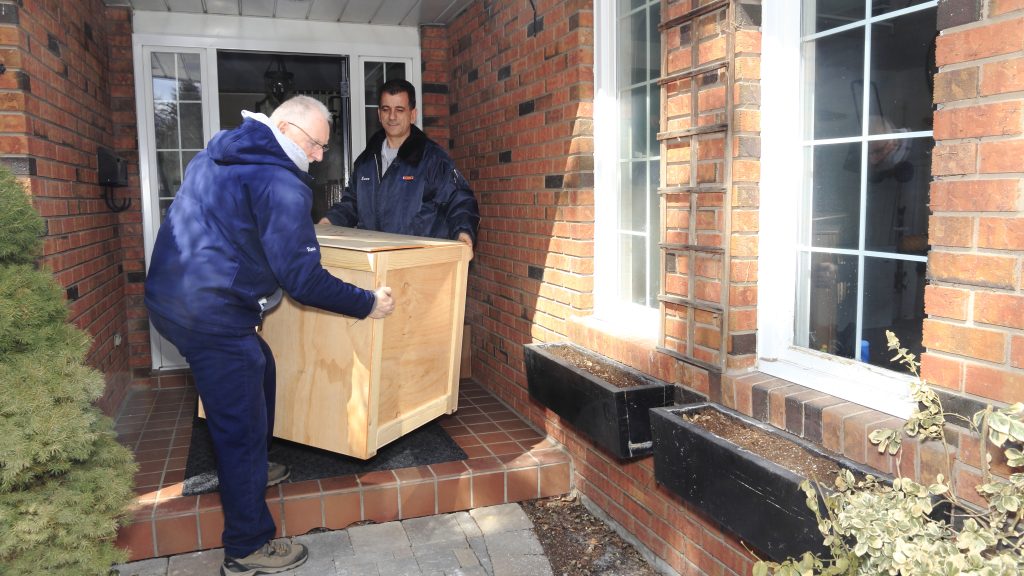
Moving can feel like a huge task, right? Like, where do you even begin? Whether you’re just hopping across town or making a big move to a new province or even across the border, there’s a lot to think about. This guide is here to break it all down, making your next move feel way less overwhelming. We’ll cover planning, packing, and settling in, so you can focus on the exciting part – your new home.
Key Takeaways
- When planning a move within Canada, understand how long-distance moving quotes work and what different service levels mean for your budget. Avoid common mistakes by doing your homework.
- Cross-border moves, especially between Canada and the US, require extra attention to documents and customs. Know what you can and can’t bring to avoid delays.
- If you have a relocation allowance, use it wisely. Compare moving companies based on value, not just the lowest price, to get the most out of your budget without taking on extra risk.
- Choosing the right moving company is more than just picking the cheapest option. Ask the right questions to find a company that offers true value and quality service for your specific needs.
- Proper preparation is key for moving day. Effective packing strategies and knowing what to expect can make the actual moving day much smoother and less stressful.
Planning Your Canadian Moving Experience

Moving to Canada is a big step, and getting the planning right from the start makes all the difference. It’s not just about packing boxes; it’s about understanding the whole process, especially when crossing borders. Proper planning is the bedrock of a stress-free move.
Understanding Long-Distance Moving Quotes
When you start looking into moving companies for a long-distance move within Canada or across the border, you’ll notice that quotes can vary quite a bit. This isn’t usually because one company is trying to rip you off and another is being super generous. It often comes down to how they calculate costs. Some movers base their estimates on the weight of your belongings, while others might charge by the hour. It’s important to know what’s included in that quote. Does it cover packing supplies, insurance, or special handling for large items? Always ask for a detailed breakdown. Understanding these differences helps you compare apples to apples and avoid surprises later on. It’s also wise to book your movers well in advance, especially during peak moving seasons, to secure your preferred dates and potentially better rates. For a clearer picture of what affects these costs, you can look into how long-distance moving costs are calculated in Canada.
Choosing the Right Moving Service Level
Not all moves are created equal, and neither are moving services. You’ve got options, and picking the right one depends on your needs and budget. A full-service move means the company handles pretty much everything, from packing your dishes to unpacking them at your new place. This is great if you’re short on time or just want the easiest experience possible. Then there’s the option where you pack everything yourself, and the movers just handle the loading, transport, and unloading. This can save you money but requires a lot of your own effort. You might also consider hybrid options, where you pack some things and the movers pack others. Think about what you can realistically handle yourself and where you might need professional help. Consider your own physical ability and available time when deciding.
How to Avoid Common Moving Mistakes
We’ve all heard stories about moves gone wrong, and usually, it comes down to a few common slip-ups. One big one is not allocating enough time between when your stuff gets picked up and when you need it at your new place. This is especially true for cross-border moves, which have their own set of timelines and potential delays. Another frequent mistake is poor organization. Not labeling boxes clearly or packing essential items separately can lead to a lot of frustration when you’re trying to settle in. Also, be aware of what you can and cannot bring across the border; customs regulations can be tricky. Proper packing techniques are crucial for international moves to prevent loss or damage of possessions. Taking the time to plan and organize can save you a lot of headaches down the road. You can find more information on how to avoid common moving mistakes to help you prepare.
Navigating Cross-Border Moving
Moving between the United States and Canada might seem like just a longer version of a domestic move, but it’s actually quite different. There are specific rules and paperwork involved that you really need to pay attention to. It’s not just about packing boxes; it’s about understanding customs and making sure you have all the right documents. Getting this part wrong can lead to delays or even problems at the border.
Essential Documents for Canada-US Moves
When you’re moving your household goods across the US-Canada border, you’ll need a few key documents. Missing even one can cause headaches. Think of it like getting ready for a big trip, but with more official papers.
- Bill of Lading: This is your contract with the moving company and a receipt for your shipment. It lists all the items being moved and their condition.
- Customs Declaration Forms: Both countries have forms you need to fill out declaring what you’re bringing. This helps customs officials know what’s coming through.
- Proof of Ownership: You might need to show you own the items you’re moving, especially if they’re valuable. This can include receipts or an inventory list.
- Visa or Immigration Documents: If you’re moving for work or to live in Canada, you’ll need the appropriate immigration paperwork. This is separate from the moving documents but just as important.
It’s a good idea to have copies of everything, both digital and physical. You never know when you might need them. Planning your move abroad can feel overwhelming, but having a checklist helps.
Understanding Customs Procedures
Customs is where things can get a bit tricky. Each country has rules about what you can and can’t bring in, and how they tax certain items. For household goods, the general idea is that you can usually bring your used personal belongings without paying duties, as long as you’re moving to establish residency. But there are always exceptions.
- Used Household Goods: Generally, you can bring items you’ve owned and used for a certain period (often six months or more) without paying import duties. This includes furniture, clothing, and appliances.
- New Items: If you’re bringing new items, especially electronics or furniture, you might have to pay taxes or duties on them. It’s best to check the specific rules before you buy anything new for the move.
- Vehicles: Moving a car or other vehicle has its own set of rules and inspections. You’ll need to make sure it meets Canadian safety and emissions standards.
It’s really important to be honest on your customs forms. Misrepresenting items or values can lead to fines or confiscation. A good moving company experienced in cross-border moves can help guide you through this part of the process.
What You Can and Cannot Bring Across the Border
This is where people often get confused. While you can bring most of your personal belongings, there are some things that are restricted or outright banned. This is for safety, environmental, and economic reasons.
Prohibited Items:
- Certain weapons and firearms (laws vary, so check carefully)
- Illicit drugs
- Hate propaganda
- Child pornography
Restricted Items (Check Before You Pack):
- Alcohol and tobacco (there are limits on quantities you can bring without paying duty)
- Food products (especially meat, dairy, and fresh produce – strict rules apply)
- Plants and animals (permits and health certificates are often required)
- Firearms and certain other weapons (even if legal, they need to be declared and may require permits)
Always double-check the official government websites for both Canada and the US for the most current lists of prohibited and restricted items. Rules can change, and what was allowed last year might not be this year. Being prepared is key to a smooth transition.
When planning your move, it’s wise to get help from professionals who know the ins and outs of cross-border moving. They can help you prepare the right paperwork and understand the customs process, making your move from the US to Canada much less stressful. You can find help with your move abroad checklist to make sure you don’t miss anything.
Making the Most of Your Relocation Allowance
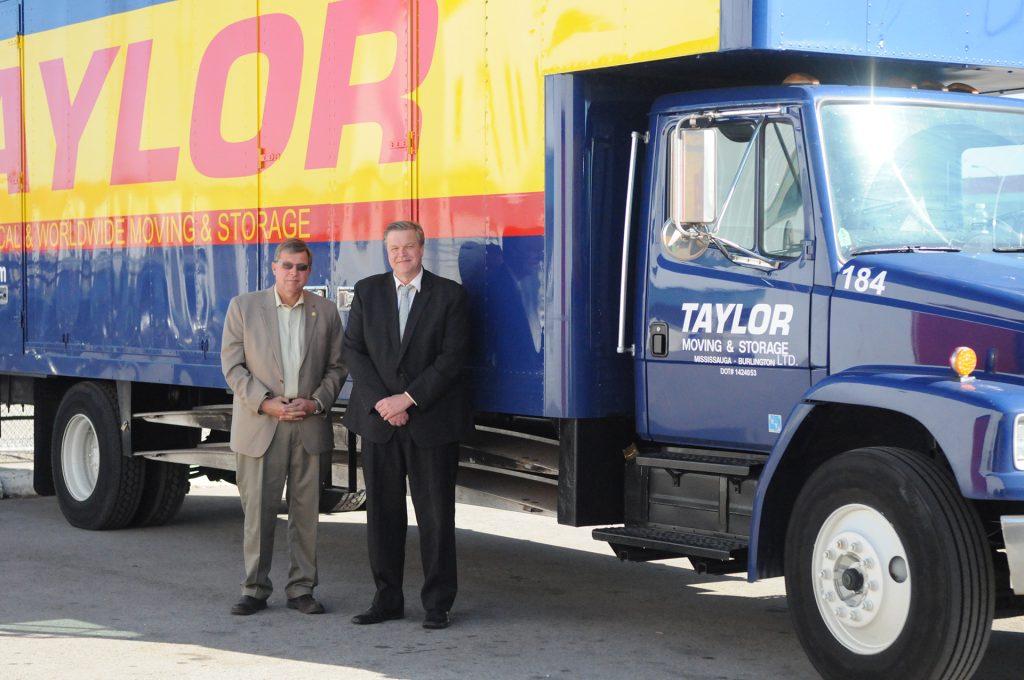
Moving to a new place, especially across the border into Canada, can come with a relocation allowance. This is basically money your employer gives you to help cover moving costs. It sounds great, right? But sometimes, managing that money can feel like a whole other job. You want to make sure you’re spending it wisely so you don’t end up paying a lot out of your own pocket.
Using Your Lump-Sum Allowance Wisely
A lump-sum allowance means you get a set amount of money and you’re in charge of how it’s spent. This gives you flexibility, but it also means you need to be smart about it. The biggest mistake people make is thinking the cheapest mover is always the best deal. Often, those low prices come with hidden fees or lower quality service, which can cost you more in the long run with damaged items or delays. Think about what’s included. Does the quote cover packing, unpacking, insurance, and any special handling for big items? It’s worth getting a few quotes and really comparing what each one offers.
Comparing Movers for Budgeted Moves
When you’re working with a set budget, comparing moving companies becomes super important. Don’t just look at the total price. Break it down. Ask for detailed quotes that show costs for packing supplies, labor, transportation, and any extra services. Some companies might charge more upfront but include more, saving you money later. Others might seem cheaper but nickel-and-dime you for every little thing.
Here’s a quick way to compare:
- Service Level: Are you getting full-service packing and unpacking, or just basic transport?
- Insurance: What kind of coverage is included, and what are the deductibles?
- Timeline: Does the company offer flexible delivery dates, or are they strict?
- Customer Reviews: What do past clients say about their experience, especially with similar moves?
Maximizing Your Relocation Budget Without Increasing Risk
Getting the most out of your relocation allowance without taking on extra risk is all about planning and making informed choices. Instead of just picking the lowest bid, focus on value. A slightly more expensive mover who has a great reputation for careful packing and on-time delivery might actually save you money by preventing damage or lost time. Consider what services are truly worth paying for. For example, if you have a lot of fragile items, professional packing might be a good investment. If you’re moving a smaller amount of stuff, you might be able to pack yourself to save money, but be aware of how that affects insurance.
When managing a lump-sum allowance, remember that your time and peace of mind have value too. Sometimes paying a bit more for a reliable service that handles the details smoothly is the smartest financial decision you can make.
Preparing for Your Moving Day
Alright, moving day is almost here. It’s the big one, the culmination of all your planning. Getting this day right means everything else falls into place more smoothly. Think of it as the final stretch before you get to relax in your new Canadian home.
Effective Packing Strategies
Packing is more than just throwing things in boxes. For a cross-border move to Canada, it’s about protecting your belongings and making sure they get through customs without a hitch. Start by gathering good quality boxes and packing supplies. Don’t skimp here; flimsy boxes can lead to damaged goods, and nobody wants that.
- Label everything clearly: Not just the room it’s going to, but also a brief description of the contents. This helps immensely when unpacking.
- Pack a “first-night” box: This should include essentials like toiletries, a change of clothes, medications, phone chargers, and maybe some snacks. You won’t want to dig through boxes for these.
- Protect fragile items well: Use plenty of bubble wrap, packing paper, or even towels and blankets for dishes, glassware, and electronics. Proper packing is key to avoiding damage during transit.
- Don’t overpack boxes: Heavy boxes are hard to lift and more likely to break. Keep them manageable, especially for items like books.
When packing items for a move to Canada, remember that customs might inspect certain boxes. Keeping them organized and clearly labeled makes this process easier for everyone involved.
What to Expect on Moving Day
Moving day itself can feel a bit chaotic, but knowing what to expect helps. The moving crew will arrive, likely at a scheduled time. They’ll start by wrapping larger furniture items to protect them and then begin loading everything onto the truck. It’s a good idea to be present to answer any questions they might have and to point out any specific items you’re concerned about.
Here’s a general timeline:
- Arrival and Walk-through: The movers will arrive, introduce themselves, and do a quick walk-through to confirm the inventory and plan the loading.
- Protection and Loading: They’ll protect your floors and doorways if needed, then start wrapping and loading your belongings. This is where your careful packing pays off.
- Final Sweep: Once everything is loaded, the crew will do a final check of your old home to make sure nothing was left behind.
- Departure: They’ll head off to your new Canadian destination.
Ensuring a Smooth Transition
A smooth transition isn’t just about the movers doing their job. It’s also about your preparation and communication. Make sure you’ve confirmed the delivery details with the moving company, especially if it’s a long-distance or cross-border move. Have a plan for where large items should go in your new home. If you’re moving into a new build or a place with specific access instructions, make sure the movers have that information.
- Confirm delivery window: Reconfirm the estimated delivery date and time a day or two before moving day.
- Prepare for arrival: Have your new home ready. This means having keys, utilities on, and a clear path for the movers.
- Stay in communication: Keep your phone charged and be available to answer calls from the moving company.
- Supervise loading and unloading: Be present to direct the movers and check for any immediate issues.
Remember, the goal is to get your belongings safely to your new Canadian home. Good preparation on moving day makes all the difference.
Settling into Your New Canadian Community
So, you’ve made the big move across the border and landed in Canada! Now comes the exciting part: making your new house feel like a home and getting to know your surroundings. Canada has some fantastic cities, and if you’ve landed in the Greater Toronto Area, you’re in for a treat. Let’s take a quick look at a few popular spots.
Discovering Life in Oakville
Oakville is a really nice place to live, with beautiful waterfront areas, walking paths, and plenty of green spaces. If you enjoy being near the water, you’ll appreciate the views along Bronte Creek and Oakville Harbour. For those who lean towards the arts and music scene, Oakville offers its own Centre for the Performing Arts and several art galleries to explore. The community here is known for being safe, having good schools, and offering lots of options for sports and outdoor activities. You’ll find a variety of housing, from older, charming homes to modern apartments and larger family houses. The local economy is strong, with a mix of big and small businesses in manufacturing, technology, and services, and it’s easy to commute to Toronto for work. Plus, there are always local events like the Oakville Jazz Festival and farmers’ markets to check out.
Exploring the Charm of Hamilton
Moving to Hamilton, Ontario, is a great choice if you’re looking for a city that balances urban life with natural beauty. Situated on the western edge of Lake Ontario, Hamilton is known as the “City of Waterfalls” because of its many cascades. You can explore places like the Bruce Trail and the Royal Botanical Gardens, which are perfect for anyone who loves the outdoors. Hamilton has a diverse range of neighborhoods, each with its own feel, from the historic vibe of Dundas to the artsy streets of James Street North. Housing here is often more affordable compared to other parts of the Greater Toronto Area, making it attractive for families and professionals. The city has a strong economy with jobs in healthcare, education, and manufacturing, and its location makes it easy to get around. There’s also a lively arts scene with galleries, museums, and festivals like Supercrawl.
Understanding Burlington’s Appeal
Burlington, Ontario, offers a wonderful mix of small-town feel and big-city access. It sits right on the shores of Lake Ontario and is part of the Greater Toronto Area. Burlington is famous for its lovely waterfront, parks, and year-round events like the Sound of Music Festival and Canada’s Largest Ribfest. The Royal Botanical Gardens are a major draw, being the largest of their kind in Canada. The city has a strong community spirit and a high quality of life, with various housing options to suit different needs and budgets. Its safe neighborhoods and good schools make it a popular spot for families. The economy is solid, with good job prospects, and the transportation links, including GO Transit, make commuting convenient. Burlington really offers a bit of everything, from nature to culture to a friendly atmosphere. If you’re looking for a place that feels connected yet relaxed, Burlington might be the spot for you. Finding the right community is a big part of settling in after a long-distance move.
Getting settled in a new Canadian town can be exciting! Finding your way around and connecting with your new neighbors is a big part of making it feel like home. There are many resources available to help you discover local spots and get involved in community events. Don’t hesitate to explore what your new area has to offer!
So, You’ve Moved (Mostly) Stress-Free!
Alright, so moving is never going to be exactly like a walk in the park, but hopefully, this guide has shown you that it doesn’t have to be a complete nightmare either. By planning ahead, packing smart, and maybe even letting the pros handle the heavy lifting, you can actually get through it without losing your mind. Remember, it’s just stuff, and soon enough, you’ll be settled into your new place, wondering what all the fuss was about. Now go put your feet up – you’ve earned it!
Frequently Asked Questions
Why do moving quotes from different companies vary so much?
Moving companies give quotes based on different things. Some might charge more for extra services like packing or special handling. The distance of your move, the amount of stuff you have, and how difficult it is to get to your home all play a big part too. Always ask what’s included in the price to really compare apples to apples.
What’s the difference between paying the cheapest price and getting the best value when moving?
The cheapest mover might seem like the best deal, but it often means they cut corners. This can lead to damaged items, lost belongings, or unexpected fees later on. Getting the best value means finding a mover who offers good service, reliable help, and fair pricing, even if it’s not the absolute lowest cost. It’s about peace of mind and knowing your stuff is safe.
What kind of moving service is best if I have a set amount of money to spend?
If you have a specific budget, like a lump-sum allowance, think about what level of service fits best. A full-service move handles everything, but might cost more. You could also consider a hybrid approach, where you pack some items yourself and let the movers handle the heavy lifting and transport. This can help save money while still getting professional help.
What are some common mistakes people make when moving, especially with a budget?
A big mistake is choosing a mover based only on price without checking their reputation or what services are included. Another common error is not planning ahead, which can lead to rushed packing and damage. People also sometimes forget about hidden costs or don’t understand the different types of moving contracts, leading to budget surprises.
What important documents do I need if I’m moving from Canada to the U.S.?
Moving across the border requires specific paperwork. You’ll likely need proof of citizenship (like a passport), immigration documents (like a visa or work permit if applicable), and a detailed inventory of everything you’re bringing. It’s also good to check customs regulations for both countries to know what you can and can’t bring.
How can I make sure my move goes smoothly on the actual moving day?
Good preparation is key! Pack systematically, label your boxes clearly, and keep important documents and essentials separate. On moving day, be available to answer the movers’ questions, point out fragile items, and do a final walkthrough of your old home. Having a clear plan and communicating with your moving team makes a huge difference.
Leave a Comment