Understanding How Much Does Long Distance Moving Cost in 2026
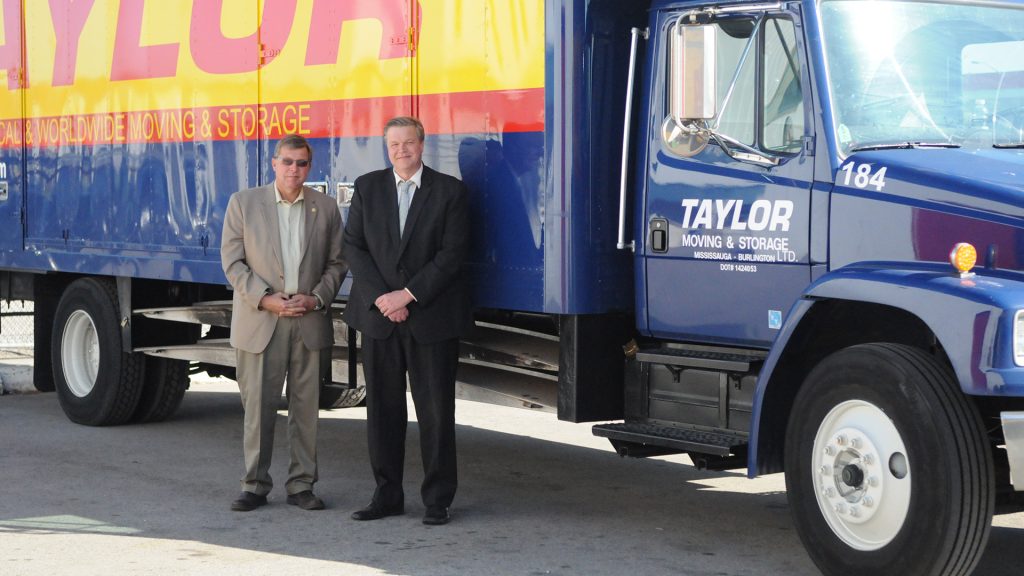
Figuring out how much does long distance moving cost in 2026 isn’t exactly simple. There’s a lot more to it than just loading a truck and heading out. If you’re moving across Canada or even crossing the border into the U.S., you’ll run into different pricing, paperwork, and timelines. Most people are surprised at how many little things can change the final price. If you’re planning a move, it pays to know what goes into the estimate and what you can do to keep things running smoothly (and maybe save a bit of cash along the way).
Key Takeaways
- Long distance moving costs in Canada are usually based on the weight of your stuff and the distance traveled, not just time spent moving.
- Your moving quote should clearly show what’s included, like packing, storage, and insurance, so there are no surprises later.
- Booking your move at least three weeks ahead gives you more options and helps avoid last-minute stress.
- Cheapest isn’t always best—sometimes low quotes leave out important services or lead to problems down the road.
- Cross-border moves between Canada and the U.S. require extra paperwork and planning, which can add to your total cost.
Understanding How Much Does Long Distance Moving Cost
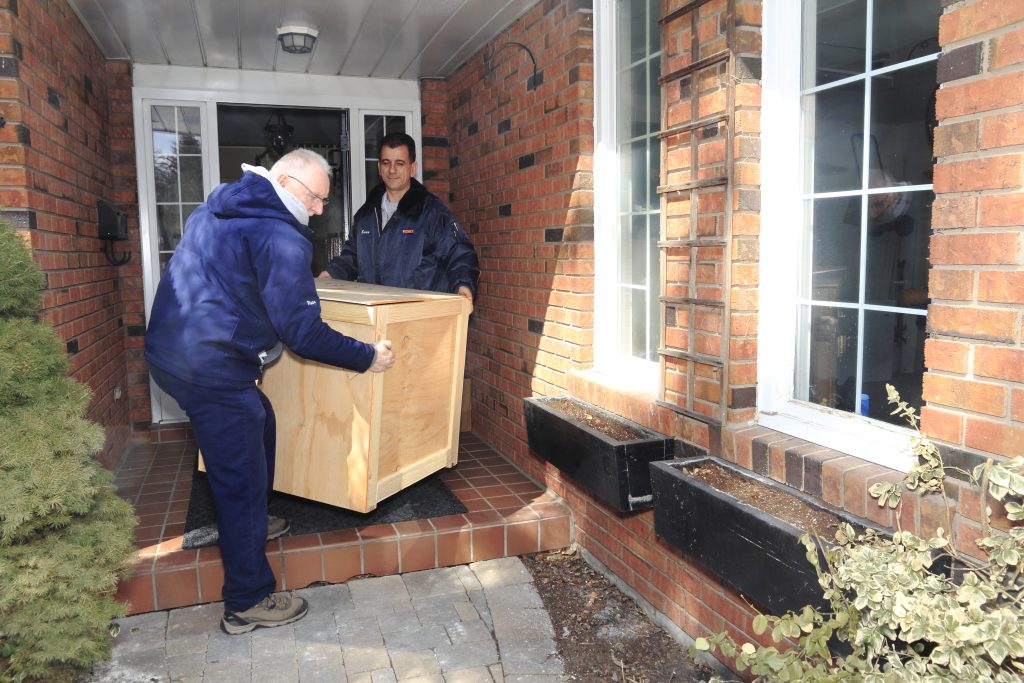
Moving your life from one province to another, or even across the border into the United States, can feel like a huge undertaking. A big part of that feeling often comes down to the cost. It’s not just about packing boxes; it’s about the logistics, the distance, and the services you’ll need. Figuring out the price tag for a long-distance move, especially one that crosses into the US, involves looking at several moving parts. The final cost isn’t just a number pulled from thin air; it’s a reflection of many factors specific to your move.
Factors Influencing Long Distance Moving Expenses
When you’re planning a move from Canada to the US, or even just across a vast Canadian province, several things will affect how much you end up paying. Think about the sheer volume of your belongings – a small apartment will cost less to move than a five-bedroom house. The distance is another big one; the further the truck has to travel, the more fuel and time it will take. The weight of your items also plays a significant role, as moving companies often charge based on how much they’re hauling. Beyond these basics, consider the services you opt for. Do you want the movers to pack everything, or will you handle that yourself? What about special items like pianos or fragile artwork? These details all add up.
Here are some key factors:
- Volume of Goods: The more stuff you have, the larger the truck needed and the more time it takes to load and unload.
- Distance: Moving from Toronto to Vancouver is a different beast than moving from Windsor to Detroit.
- Weight of Shipment: Heavier loads mean more fuel and potentially require a stronger truck.
- Packing Services: Professional packing costs extra but saves you time and effort.
- Special Handling: Items requiring special care, like antiques or large appliances, might incur additional fees.
- Timing: Moving during peak season (summer) or at the end of the month can sometimes be more expensive.
How Long Distance Moving Costs Are Calculated
Movers typically calculate long-distance and cross-border costs using a combination of factors, primarily mileage and the weight of your shipment. Unlike local moves that might be charged by the hour, longer hauls are more about the overall journey. They’ll estimate the total weight of your belongings and the distance they need to travel. This gives them a baseline for pricing. You might also see costs broken down by cubic feet or volume, especially for international moves, but for Canada-US moves, weight and distance are usually the main drivers. It’s important to get a clear breakdown of how they arrived at their price. Get instant moving estimates can give you a quick idea, but a detailed quote is always best.
What Is Included in Your Moving Quote
When you receive a quote, it’s not always straightforward. A good quote should clearly outline what services are covered. This typically includes the transportation of your goods from your old home to your new one. It might also include basic packing materials like blankets to protect furniture. However, things like packing supplies (boxes, tape, bubble wrap), unpacking services, or specialized crating for valuable items are often extra. For cross-border moves, customs brokerage fees and duties might be separate line items or included, depending on the company. Always ask for clarification on what’s included and what isn’t, so there are no surprises on moving day. It’s wise to understand the factors influencing moving estimates before you even ask for a quote.
When you’re comparing quotes, remember that the cheapest option might not always be the best. Sometimes, a slightly higher quote includes better service, more comprehensive insurance, or fewer hidden fees, which can save you money and stress in the long run. It’s about finding the right balance for your specific needs.
Key Components of Long Distance Moving Quotes
When you’re planning a move from one Canadian province to another, or even across the border into the US, understanding what goes into your moving quote is super important. It’s not just a random number; it’s built on several factors that movers consider to give you an accurate price. Getting a handle on these components helps you compare quotes and avoid surprises down the road.
Weight Versus Hourly Moving Cost Considerations
For local moves, companies often charge by the hour, factoring in the time it takes movers to load, transport, and unload your belongings. However, for long-distance relocations, especially those crossing provincial or international borders, the primary pricing method usually shifts to the weight of your shipment combined with the distance it needs to travel. This is because longer hauls involve more fuel, wear and tear on the truck, and more complex logistics. While some companies might offer hourly rates for specific services within a long-distance move, the overall cost is typically driven by how much stuff you have and how far it’s going. The heavier your load and the greater the distance, the higher the cost will generally be.
The Impact of Distance on Your Moving Estimate
Distance is a pretty straightforward, yet significant, factor in your moving estimate. The further your belongings need to travel, the more fuel the moving truck will consume, and the longer it will take for the crew to complete the job. This increased transit time also affects scheduling and driver hours. For moves between Canadian provinces, like from Ontario to British Columbia, the mileage adds up quickly. Similarly, for cross-border moves from Canada to the US, the distance is a major cost driver. Companies often have specific pricing tiers based on mileage zones, and crossing provincial or state lines can sometimes incur additional fees related to permits or specific regulations.
Understanding Service Inclusions and Exclusions
It’s vital to know exactly what’s covered in your moving quote and what isn’t. A standard long-distance moving quote might include:
- Loading and unloading of your household goods.
- Transportation of your items to the destination.
- Basic coverage for damage (though this is often limited).
- Fuel surcharges.
However, many services might be considered add-ons and come with extra charges. These can include:
- Packing and unpacking services.
- Specialty item handling (like pianos, large appliances, or artwork).
- Crating for fragile items.
- Storage services, either at origin or destination.
- Disassembly and reassembly of furniture.
- Moving insurance beyond the basic liability coverage.
Always ask for a detailed breakdown of what is included. This helps you avoid unexpected costs and ensures you’re getting the services you need for your cross-border move.
When reviewing your quote, pay close attention to the fine print. What might seem like a small detail could end up being a significant extra cost if it’s not explicitly included. Don’t hesitate to ask your moving company to clarify any part of the estimate that seems unclear. A transparent quote is the first step toward a stress-free move.
Navigating the Long Distance Moving Process
Moving your life from one province to another, or even across the border into the United States, is a big undertaking. It’s not just about packing boxes; it’s a whole process that needs careful thought and planning. Understanding the steps involved can make a huge difference in how smooth things go.
When to Book Your Long Distance Movers
Timing is pretty important when it comes to booking your movers. You don’t want to leave it too late, or you might find that the best companies are already booked up, especially during peak moving seasons like the summer months or around holidays. Generally, it’s a good idea to start looking and booking your movers at least three weeks before your desired moving date. For really long-distance or cross-border moves, giving yourself even more time, maybe six to eight weeks, is a smart move. This allows the moving company enough time to properly plan and execute your relocation without feeling rushed. It also gives you more flexibility in choosing your preferred dates.
- Peak Season: Summer (June-August) and early fall (September) are the busiest times. Book early!
- Off-Peak: Winter months (November-March) often have more availability and potentially lower rates.
- Cross-Border: Canada-US moves require extra coordination for customs and documentation, so book further in advance.
Booking well in advance isn’t just about securing a spot; it’s about getting the best possible service and avoiding last-minute stress. It allows movers to allocate resources effectively and ensures a more organized transition for you.
What to Expect From Estimate to Delivery
Once you’ve booked your movers, there’s a clear path from the initial estimate to the final delivery of your belongings. The process typically starts with a detailed survey, either in-person or virtual, to assess the volume and type of items you’re moving. This helps in generating an accurate estimate. After you accept the quote and book the service, a moving date is set. On pickup day, the moving crew will carefully load your items onto the truck. The transit time can vary significantly based on the distance, ranging from a few days for shorter long-distance moves to a week or more for cross-border relocations. Throughout the transit, communication with your moving company is key. Finally, delivery day arrives, where your belongings are unloaded at your new home. It’s important to have a clear understanding of the delivery timeframe provided by your mover.
Choosing the Right Long Distance Moving Company
Selecting the right moving company is probably one of the most critical parts of the entire process. You’re entrusting them with your possessions, after all. Don’t just go for the first company you find or the one with the cheapest quote. Look for companies with a solid reputation, good reviews, and clear communication. It’s wise to get quotes from a few different companies to compare services and prices. Ask about their experience with long-distance moves, especially if you’re moving between Canada and the US, as cross-border logistics are different. Make sure they are properly licensed and insured. A good moving company will be transparent about their pricing, services included, and what to expect at every stage of the move.
Maximizing Value in Long Distance Moves
When you’re planning a big move across Canada, it’s easy to get caught up in just the price tag. You see a few quotes and think, ‘Okay, this one’s the cheapest, let’s go with that.’ But honestly, that’s usually not the smartest move. The cheapest quote isn’t always the best value, and sometimes it can actually cost you more in the long run.
Why the Cheapest Quote Isn’t Always the Best Value
Think about it like this: a moving company that offers a super low price might be cutting corners somewhere. Maybe they don’t have the best training for their crews, or perhaps their communication isn’t top-notch. This can lead to all sorts of headaches down the road – like damaged belongings, unexpected delays, or just a general feeling of being left in the dark. It’s really about finding a balance between cost and the quality of service you receive. You want movers who are reliable, careful, and communicate well, especially when you’re moving long distances within Canada.
Here’s a quick look at what can make a cheap quote turn costly:
- Hidden Fees: Some companies might not be upfront about extra charges for things like stairs, long carries, or packing materials. You end up paying more than you expected.
- Damage and Loss: If movers aren’t experienced or careful, your items could get damaged. Getting compensation for this can be a whole other battle.
- Delays and Poor Scheduling: A poorly managed move can lead to significant delays, which can be incredibly disruptive, especially if you have a tight timeline for your new home.
- Lack of Communication: Not knowing where your belongings are or when they’ll arrive can add a ton of stress to an already stressful situation.
Choosing a mover based solely on the lowest price can be a gamble. It’s often better to invest a bit more in a reputable company that offers clear pricing, good communication, and a track record of careful handling. This peace of mind is worth a lot.
Strategic Planning for Budget-Conscious Moves
So, how do you get the best bang for your buck without sacrificing quality? It starts with smart planning. Decluttering before you even start getting quotes is a big one. The less stuff you have to move, the less it will cost. Make a detailed inventory of your belongings, too. This helps you get more accurate quotes and keeps track of everything. Also, consider packing an essentials box with things you’ll need right away when you get to your new place, so you don’t have to dig through everything immediately. Planning your move well in advance, at least three weeks out, gives you more options and potentially better rates. You can explore different moving company services to see what fits your needs and budget best.
Balancing Cost and Quality in Relocation Services
When you’re comparing quotes, look beyond just the total number. Ask what’s included. Does the quote cover packing supplies, loading and unloading, and transit insurance? Are there any extra fees you should be aware of? A company that offers a
Special Considerations for Cross-Border Moves
Moving your household from the United States to Canada, or vice versa, is a bit more involved than a typical long-distance move. It’s not just about covering miles; it’s about crossing borders, which brings a whole new set of rules and paperwork. Think of it as a longer move with a passport check for your belongings.
Understanding Canada-US Moving Logistics
When you’re moving between the US and Canada, the logistics get a little more complex. You’re dealing with two different countries, each with its own regulations. This means things like customs declarations become a big part of the process. Your moving company needs to be experienced with these specific requirements to make sure everything goes smoothly. They’ll handle the coordination, but you’ll need to provide the right information. It’s important to choose a mover that has a solid track record with these types of moves, as they understand the nuances of cross-border transport. This includes knowing how to properly document everything so your goods don’t get held up at the border.
Documentation and Customs for International Relocations
This is where things can get tricky if you’re not prepared. For a US to Canada move, you’ll need to complete a customs declaration form, often called a
Preparing for Your Long Distance Relocation
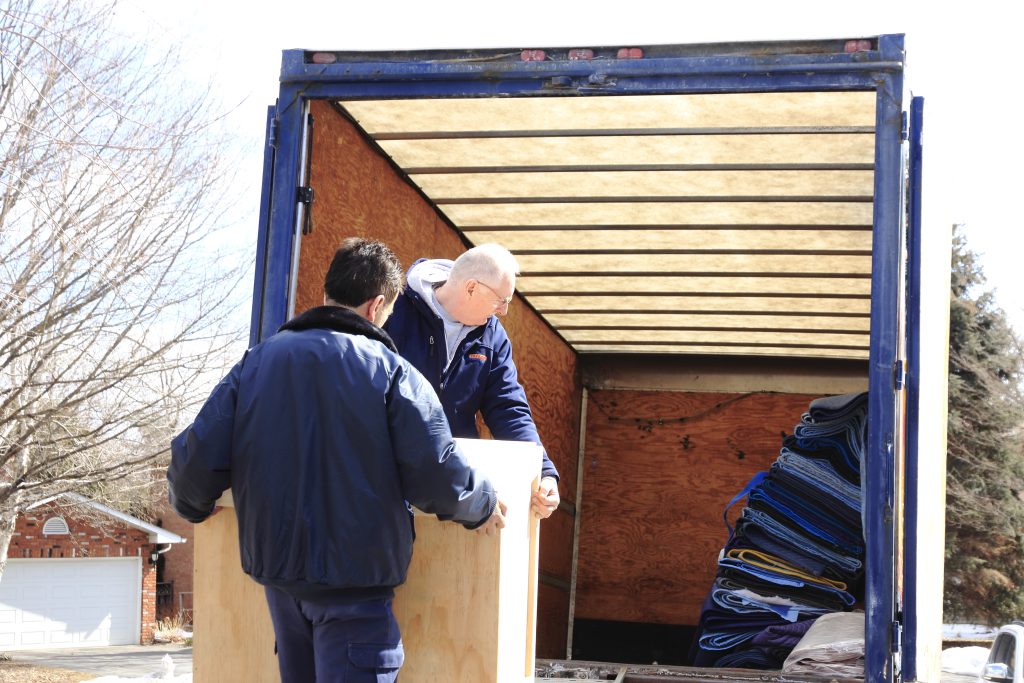
Getting ready for a big move across the country, especially if it involves crossing the border into Canada, can feel like a lot. It’s more than just packing boxes; it’s about planning and making sure everything goes smoothly from start to finish. Thinking ahead can save you a lot of headaches and unexpected costs down the road.
How Long Does a Long Distance Move Typically Take?
The timeline for a long-distance move can really vary. It depends on how far you’re going, the size of your home, and what time of year you’re moving. For moves within Canada, you might be looking at anywhere from a few days to a couple of weeks for the actual transit time. Cross-border moves, like heading from the US to Canada, can add a bit more time due to customs processing and border procedures. It’s always a good idea to factor in a buffer for any unforeseen delays. Booking your movers at least three weeks in advance is a good starting point, but for peak seasons or complex moves, even earlier is better.
Essential Steps for a Smooth Moving Day
To make sure your moving day is as stress-free as possible, a little preparation goes a long way. Here are some key things to focus on:
- Finalize Packing: Double-check that all your boxes are sealed, labeled clearly with their contents and destination room, and moved to a central location for the movers.
- Prepare Essentials Box: Pack a separate box with items you’ll need immediately upon arrival, like toiletries, a change of clothes, basic tools, phone chargers, and important documents. Keep this box with you, not on the moving truck.
- Confirm Details: Touch base with your moving company the day before to confirm the arrival time, any last-minute instructions, and payment arrangements.
- Protect Your Home: Lay down floor protection in high-traffic areas and ensure walkways are clear.
A well-organized move isn’t just about efficiency; it’s about peace of mind. Knowing where things are and having a plan for the day itself reduces anxiety significantly. This is especially true when moving internationally, where the stakes feel a bit higher.
What Items Cannot Be Loaded Onto the Moving Truck?
There are certain items that moving companies, especially those handling cross-border moves, cannot transport due to safety regulations and potential hazards. It’s important to know these beforehand so you don’t have to deal with them on moving day. Generally, you’ll need to make separate arrangements for:
- Hazardous Materials: This includes things like flammable liquids (paint, gasoline, propane tanks), aerosols, cleaning supplies, and batteries.
- Perishables: Food items that can spoil, like fresh produce, frozen goods, and open pantry items, should not be packed.
- Live Plants and Pets: These require special care and cannot travel on a standard moving truck. You’ll need to transport them yourself or arrange separate pet transport services.
- Valuables and Personal Documents: While not strictly prohibited, it’s best to keep irreplaceable items like jewelry, important legal documents, and sentimental photos with you.
Making a detailed plan for these items well in advance will prevent last-minute scrambles and ensure compliance with moving regulations, particularly when crossing into Canada.
Getting ready for a big move across the country can feel overwhelming. But don’t worry, we’re here to help make it easier! Our team specializes in long-distance moves, ensuring your belongings get to your new home safely and without stress. Ready to plan your move? Visit our website today for a free quote and helpful tips!
Conclusion
So, figuring out how much a long-distance move will cost in Canada isn’t always simple, but it doesn’t have to be a total mystery either. There are a bunch of things that go into the final price—like how far you’re going, how much stuff you have, and what kind of services you want. Whether you’re moving from Toronto to Vancouver, or crossing the border into the US, planning ahead and getting a clear quote makes a big difference. Don’t just look at the cheapest number—think about what’s included, how your things will be protected, and how the company communicates. Moving is a big deal, and the right mover can make it a lot less stressful. If you’re ready to get started or just want to see what your options are, reach out for a quote and see how the process works for your situation. Safe travels and happy moving!
Frequently Asked Questions
How much does it cost to move long distance in Canada?
The cost of moving long distance in Canada really depends on a few things. The main factors are how much stuff you have (its weight) and how far you’re moving. Companies often charge based on the total weight of your belongings and the distance between your old and new homes. Think of it like paying for gas and the effort it takes to get your things there.
What makes long-distance moving prices change?
Several things can make the price go up or down. The more items you have, the heavier the load, and the farther the move, the more it will cost. Also, if you need extra services like packing, unpacking, or special handling for fragile items, that will add to the total cost. The time of year can also play a role, with summer often being more expensive because more people are moving.
What’s usually included in a moving quote?
A standard moving quote typically covers the transportation of your belongings from one place to another. This includes the labor to load and unload the truck. Some quotes might also include basic packing materials or insurance for your items. It’s super important to check exactly what’s in the quote to avoid surprises later on.
How do moving companies figure out their prices?
For long-distance moves within Canada, companies usually calculate costs based on the total weight of your shipment and the mileage. They might also consider the volume of your items. Some companies offer different types of quotes, like a fixed price or one that can change, so it’s good to understand which one you’re getting.
When should I book my long-distance movers?
It’s best to book your long-distance movers at least three weeks in advance, but booking even earlier, like a month or two ahead, is even better. This gives the moving company enough time to plan everything properly and ensures you get the date you want, especially if you’re moving during a busy season like summer.
What items can’t movers put on the truck?
There are certain items that movers can’t transport for safety reasons. These usually include things like perishable food, flammable materials (like paint or gasoline), batteries, propane tanks, and sometimes even plants or pets. Always check with your moving company about their specific list of prohibited items.
Leave a Comment