Understanding the Costs: How Do Long Distance Moving Companies Charge?

Moving across the country can feel like a huge undertaking, and figuring out the costs is often the first big hurdle. You might be wondering, ‘how do long distance moving companies charge?’ It’s not as simple as just a flat fee. Several things go into the final price, and understanding them can help you budget better and avoid surprises. This article breaks down how these companies figure out their prices, what factors can change the cost, and what you should look for when getting quotes.
Key Takeaways
- Long-distance moving companies in Canada typically charge based on the weight of your shipment and the distance it needs to travel.
- The total volume and weight of your belongings are major factors in determining the cost of your move.
- Additional services, like packing, unpacking, or special handling for fragile items, will increase the overall price.
- Quotes can vary significantly between companies due to differences in services, overhead, and pricing structures.
- Understanding whether a quote is binding (fixed) or non-binding (estimated) is important to avoid unexpected charges.
Understanding Long Distance Moving Costs
Moving your life across provinces or even just a significant distance within Canada can feel like a huge undertaking, and figuring out the cost is usually the first big hurdle. It’s not as simple as just paying for gas and a truck, that’s for sure. Long-distance moving companies have a whole system for how they calculate what you’ll pay, and it’s influenced by a bunch of different things. Understanding these factors is key to getting an accurate quote and avoiding surprises down the road.
How Long Distance Moving Costs Are Calculated in Canada
In Canada, long-distance moving costs are generally not a flat fee. Instead, they’re typically based on a combination of factors that reflect the resources and time involved. The primary drivers are usually the weight of your shipment and the distance it needs to travel. Think of it like this: the more stuff you have, and the further it has to go, the more it’s going to cost. Companies need to account for fuel, the size of the truck needed, the time it takes for the crew to load and unload, and the distance they have to drive. Some companies might also factor in the volume of your belongings, especially if you have a lot of bulky items that take up space even if they aren’t super heavy.
- Weight: Heavier loads require more fuel and can put more strain on the moving truck.
- Distance: The further the move, the more fuel, driver time, and potential overnight stays are involved.
- Volume: The amount of space your items take up in the truck can also influence the cost.
- Time of Year: Moving during peak seasons (like summer or the end of the month) can sometimes lead to higher prices due to demand.
It’s important to remember that the cheapest quote isn’t always the best value. Sometimes, a slightly higher quote reflects better planning and service, which can prevent costly problems later on.
Factors Influencing Your Long Distance Moving Quote
When you get a quote from a long-distance moving company in Canada, several specific things will shape that final number. The sheer distance is a big one, obviously. Moving from Toronto to Vancouver is going to cost more than moving from Toronto to Ottawa. Then there’s the volume and weight of your belongings. Are you moving a small apartment’s worth of stuff, or an entire house? The more you have, the bigger the truck, the more fuel, and the longer it takes. Beyond that, any extra services you request will add to the bill. This could include professional packing and unpacking, special handling for fragile items like pianos or artwork, or even temporary storage if your move-in date doesn’t line up perfectly with your move-out date. These elements all play a part in the final price you’ll see on your estimate.
Why Long Distance Moving Quotes Vary Significantly
It’s not uncommon to get wildly different quotes from different moving companies, and it can be confusing. A big reason for this variation is how each company calculates its costs and what services they include as standard. Some companies might be more thorough in their initial assessment, leading to a more accurate, though potentially higher, quote. Others might offer a lower price but include fewer services, or perhaps they use less experienced staff. The type of estimate also matters – a binding estimate locks in the price, while a non-binding one can change. The range of costs can be quite wide, so getting multiple quotes is always a good idea, but make sure you’re comparing apples to apples in terms of what’s included.
- Company Policies: Each mover has its own pricing structure and overhead.
- Service Inclusions: What’s standard for one company might be an add-on for another.
- Estimate Type: Binding vs. non-binding estimates can lead to different final costs.
- Fleet and Staff: The age of their trucks and the experience level of their crews can impact pricing.
Key Components of Moving Estimates
When you’re planning a long-distance move across Canada, understanding how moving companies put together their estimates is super important. It’s not just a random number; there are specific things they look at to figure out the total cost. Getting a clear picture of these components can help you compare quotes and avoid surprises down the road.
What Is Included in a Long Distance Moving Quote?
A typical long-distance moving quote from a Canadian company should break down the services they provide. It’s more than just loading boxes onto a truck. You’re paying for a whole process that includes planning, packing (if you opt for it), loading, transportation, and delivery. Some quotes might also include things like:
- Basic liability coverage: This is usually a minimal amount of protection for your belongings, often based on weight.
- Disassembly and reassembly of furniture: For larger items like beds or tables.
- Protection for floors and doorways: To prevent damage to your home.
- Inventory list: A detailed list of everything being moved.
It’s always a good idea to ask for a detailed breakdown. If something isn’t clear, don’t hesitate to ask your moving company to explain it. You want to know exactly what you’re paying for, especially when moving between provinces.
Weight-Based Versus Hourly Moving Costs
For local moves within Ontario, for example, companies might charge by the hour. But when you’re moving long distances, especially across multiple provinces, the pricing structure usually shifts. Most long-distance movers in Canada base their quotes on the weight of your shipment and the distance it needs to travel. This makes sense because the heavier your stuff and the farther it goes, the more resources (fuel, truck size, crew time) are needed.
Here’s a general idea:
- Weight: The heavier your items, the higher the cost. Movers have scales to determine this accurately.
- Distance: The mileage between your old home and your new one is a primary factor. Moving from Vancouver to Halifax will naturally cost more than moving from Toronto to Montreal.
- Volume: While weight is primary, the sheer volume of your belongings can also play a role, especially if it affects how efficiently the truck can be loaded.
Some companies might offer a
Factors That Impact Your Moving Expenses

When you’re planning a move across the country, it’s easy to get overwhelmed by all the potential costs. Several big things really shape how much you’ll end up paying. It’s not just about the distance, though that’s a major player. Think about everything you own, how much it weighs, and if you have any unusual items that need special handling. These details add up and can significantly change your final bill.
Distance of the Move
The most obvious factor is how far your belongings need to travel. Moving from Vancouver to Halifax is going to cost more than moving from Toronto to Ottawa, plain and simple. The further the distance, the more fuel, time, and resources the moving company needs to dedicate to your relocation. This is why companies often calculate costs based on mileage. It’s a direct correlation: more miles usually mean a higher price tag. This is a big reason why long-distance moving costs are calculated the way they are.
Volume and Weight of Your Belongings
Movers typically charge based on the weight of your shipment for long-distance moves. The more stuff you have, the heavier the load, and the more it costs to transport. This is why decluttering before you move is always a good idea. Less stuff means less weight, which can lead to savings. Companies will often do a visual survey or ask detailed questions about your inventory to get an accurate estimate of the volume and weight. It’s not just about how many boxes you have, but what’s inside them and how much space they take up.
Here’s a general idea of how weight can affect costs:
| Shipment Size | Estimated Weight Range | Potential Cost Impact |
|---|---|---|
| Studio Apartment | 1,000 – 3,000 lbs | Moderate |
| 2-Bedroom Home | 4,000 – 8,000 lbs | Significant |
| Large Family Home | 10,000+ lbs | Very High |
Additional Services and Special Items
Beyond the basic transport, there are other things that can increase your moving expenses. Do you need the movers to pack your belongings? That’s an extra service that costs more. What about items that are difficult to move, like a grand piano, a large antique armoire, or a collection of fine art? These often require special equipment, extra labor, and careful packing, all of which add to the final price. Even things like needing your car transported or requiring storage at either end of your move will factor into the overall cost. It’s always best to be upfront about any special items or services you might need so you can get the most accurate quote possible.
It’s important to remember that the cheapest quote isn’t always the best value. Sometimes, a slightly higher quote reflects better service, more experienced movers, and fewer potential problems down the line. Understanding what goes into the price helps you make a more informed decision about who to trust with your belongings.
When you’re getting quotes, make sure you ask about these specific factors. Understanding how the distance of the move and the volume of your items play a role will help you budget more effectively.
Planning Your Long Distance Move
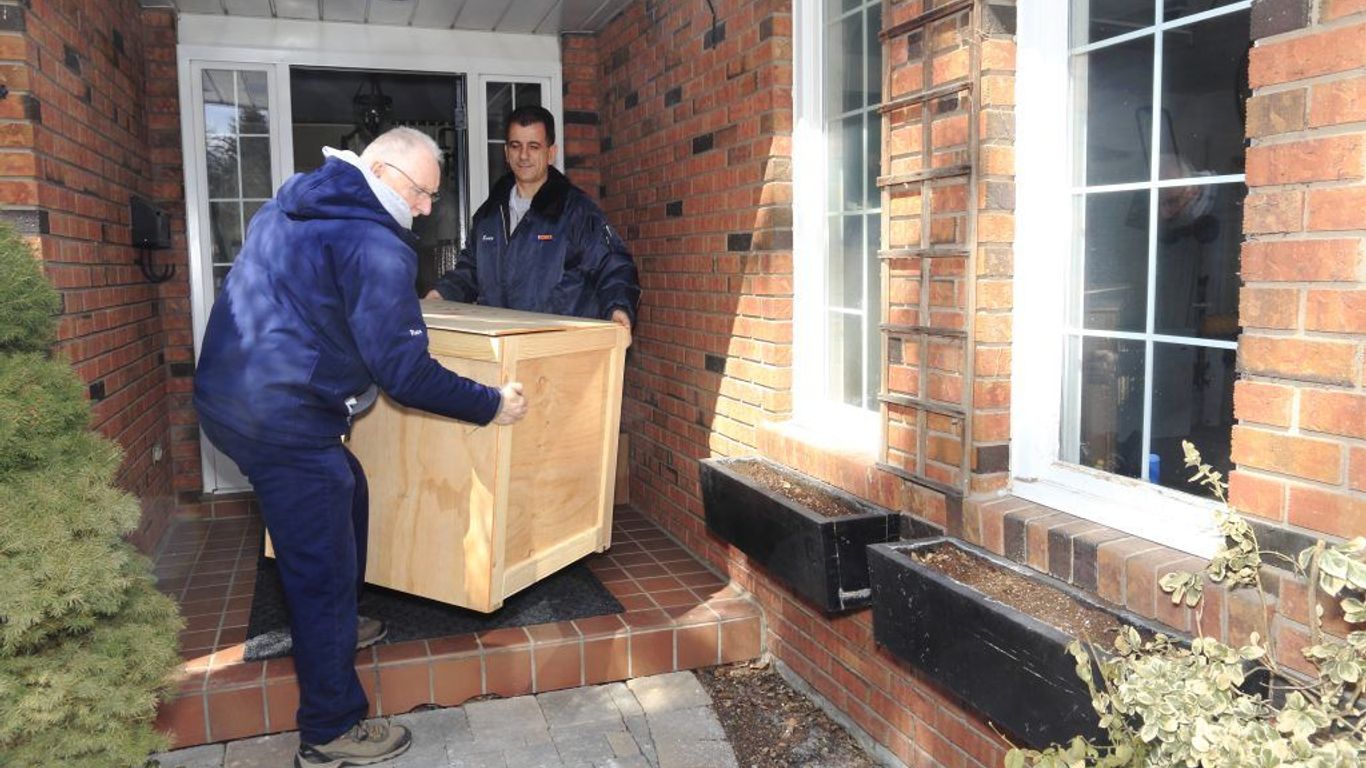
Moving across the country, or even just a few provinces over, isn’t something you can just wing. It takes some serious thought and organization to make sure everything goes smoothly. Think of it like planning a big trip, but with all your worldly possessions in tow. The earlier you start thinking about it, the less stressed you’ll be when moving day actually rolls around.
How Far in Advance Should You Book Long Distance Movers?
This is a big one. You don’t want to be scrambling at the last minute trying to find a moving company that has availability. Generally, it’s a good idea to start looking and booking your movers about 8 to 12 weeks before your desired moving date. This gives you plenty of time to get quotes, compare services, and secure a reputable company. Booking too late can mean limited options, higher prices, or even having to postpone your move. For moves during peak seasons, like the summer months or around holidays, you might even want to book a bit earlier than that.
Here’s a rough timeline to keep in mind:
- 8-12 Weeks Out: Start researching moving companies. Get a few different quotes to compare. Declutter your home – decide what you’re keeping, selling, donating, or tossing. Make a list of important tasks.
- 4-6 Weeks Out: Confirm your booking with the chosen mover. Start gathering packing supplies if you’re packing yourself. Begin packing non-essential items.
- 1-2 Weeks Out: Pack most of your belongings. Arrange for utility transfers at your old and new places. Notify relevant parties of your address change.
- Moving Day: Supervise the movers, do a final walkthrough of your old home, and head to your new one!
What to Expect During a Long Distance Move
Once you’ve booked your movers, what’s next? The process usually starts with an estimate, which might be done in person or virtually. This helps the movers get a clear picture of how much you’re moving and gives you a more accurate quote. On moving day, the crew will arrive, carefully load your belongings onto the truck, and then transport them to your new home. Delivery times can vary quite a bit depending on the distance, so your moving company should give you a delivery window. It’s always a good idea to have a plan for your first night in your new place, with essentials like toiletries, a change of clothes, and important documents easily accessible.
The actual moving process involves more than just loading boxes. It’s about careful packing, secure transport, and clear communication every step of the way. Reputable movers will have systems in place to manage these details, reducing the chances of problems down the line.
Choosing the Right Long Distance Moving Company
Picking the right company is key to a stress-free move. Don’t just go for the cheapest option you find. Look for companies that are properly licensed and insured, especially for moves within Canada. Check reviews and ask for references if possible. A good moving company will be transparent about their pricing, services, and what you can expect. They should also have clear communication channels so you can easily reach them with questions. Remember, a slightly higher quote from a reliable company can save you a lot of headaches compared to a cheap one that causes problems.
When you’re comparing companies, consider asking about:
- Their experience with long-distance moves in Canada.
- What their insurance coverage includes.
- How they handle potential delays or damages.
- The estimated transit time for your move.
- Whether they offer any packing or unpacking services.
Researching reputable movers early on is one of the best things you can do for your move.
Maximizing Value in Your Moving Budget
When you’re planning a long-distance move across Canada, it’s easy to get caught up in the sticker shock. But focusing solely on the cheapest quote can sometimes lead to more headaches and unexpected costs down the road. The real goal is to get the best value for your money, which means balancing cost with quality service and peace of mind.
The Cheapest Quote Versus Best Value
It’s tempting to grab the lowest price you see, especially when moving is already a significant expense. However, a rock-bottom quote might mean the company cuts corners on things like proper packing, experienced movers, or adequate insurance. This can lead to damaged belongings, delays, and ultimately, a more expensive situation than if you had chosen a slightly higher-priced, more reputable company. Think about it: would you rather pay a bit more upfront for a smooth move, or pay less initially and then deal with broken furniture and extra fees?
- Look beyond the price: Consider the company’s reputation, read reviews, and check their safety record.
- Understand what’s included: Make sure the quote covers everything you need, from packing supplies to transit insurance.
- Ask about hidden fees: Clarify any potential extra charges for things like stairs, long carries, or shuttle services.
The cheapest option often looks appealing on paper, but it’s crucial to investigate what makes that price so low. Sometimes, a slightly higher quote from a well-established mover can save you a lot of trouble and money in the long run.
How to Use a Lump-Sum Relocation Allowance Wisely
If your employer provides a lump-sum relocation allowance, you’re in a good position to get a great move. This means you have a set budget to work with, and it’s up to you to make it stretch as far as possible. The key here is smart planning and comparison. Don’t just pick the first mover that comes to mind. Instead, treat it like a project.
- Get multiple detailed quotes: Request estimates from at least three different moving companies. Ensure each quote is itemized so you can compare services directly.
- Prioritize your needs: Decide what’s most important to you. Is it speed, careful packing of fragile items, or perhaps storage options?
- Negotiate where possible: Sometimes, companies are willing to adjust their pricing or add small services if you’re a bit flexible on dates or if you’re comparing multiple offers.
Avoiding Common Long Distance Moving Mistakes
People make a few common errors when planning long-distance moves that can cost them time and money. Being aware of these pitfalls can help you steer clear of them.
- Booking too late: Waiting until the last minute often means fewer choices and higher prices. Aim to book your movers at least three weeks in advance, or even more if you’re moving during peak season [bd76].
- Not reading the contract carefully: Understand the terms and conditions, especially regarding insurance, liability, and cancellation policies.
- Underestimating the volume or weight: Be honest about how much stuff you have. An inaccurate inventory can lead to surprise charges on moving day.
- Ignoring cross-border complexities: If your move involves crossing into the US, ensure your mover is experienced with customs and documentation requirements. This is a whole different ballgame than just moving within Canada.
By focusing on value, planning ahead, and being informed, you can make your long-distance move a much more positive experience. Remember, a good moving company is an investment in a stress-free transition to your new home [53ff].
Want to save money on your move? We’ve got the best tips to help you get the most bang for your buck. Learn how to plan smart and spend less on your moving day. Visit our website today for all the details!
Wrapping Up Your Long-Distance Move Costs
So, figuring out the cost of a long-distance move in Canada can feel like a puzzle. It’s not just about how far your stuff is going, but also how much you have, what kind of service you need, and when you need it moved. Remember, the cheapest quote isn’t always the best deal in the long run. Taking the time to understand what goes into the price, asking lots of questions, and getting detailed quotes will help you find a mover that fits your budget and your needs. A little bit of planning now can save you a lot of headaches later.
Frequently Asked Questions
How do moving companies figure out the cost for long-distance moves in Canada?
Long-distance movers in Canada usually base their prices on a few key things. The main ones are how far your stuff needs to travel and how much it all weighs. Think of it like this: the farther they go and the heavier the load, the more it generally costs because it takes more fuel, time, and effort.
What makes the price quotes from different moving companies vary so much?
Quotes can differ a lot because each company has its own way of calculating costs and what they include. Some might charge more for extra services like packing or special handling for delicate items. Plus, different companies have different overhead costs and pricing strategies, leading to a range of estimates for the same move.
What’s typically included in a long-distance moving estimate?
A standard long-distance moving estimate usually covers the transportation of your belongings from your old place to your new one. It often includes basic loading and unloading services. However, things like packing supplies, unpacking, or moving very heavy or unusual items might cost extra, so it’s important to check the details.
Is it better to choose a moving company based on weight or by the hour?
For long-distance moves, weight and distance are the most common ways to get a quote because they give a clearer picture of the overall cost. Hourly rates are more common for local moves where the distance is short and predictable. Weight-based pricing helps ensure you’re paying for the actual amount of goods being moved over a long stretch.
When should I book my long-distance movers?
It’s a good idea to book your long-distance movers at least three to four weeks before your moving date. Booking further in advance, especially if you’re moving during a busy season like summer or the end of the month, can help you secure your preferred date and potentially get a better rate.
What should I expect on the actual moving day for a long-distance move?
On moving day, the movers will arrive to carefully load all your packed belongings onto the truck. They’ll secure everything to prevent shifting during transit. Once they reach your new home, they’ll unload your items. Communication is key, so expect updates from the moving company throughout the process, especially regarding delivery times.
Leave a Comment