Understanding the Process: How Do Long Distance Movers Work?

Moving your life across the country, or even just across the province, can feel like a huge undertaking. You might be wondering, ‘how do long distance movers work?’ It’s more than just loading boxes onto a truck; it involves careful planning, packing, and a whole lot of coordination to get your belongings from point A to point B safely. This guide breaks down the process, from getting a quote to the final delivery, so you know what to expect.
Key Takeaways
- Long-distance moving in Canada involves more than just transportation; it includes planning, packing, and careful execution.
- Moving costs are calculated based on factors like distance, weight, and the services you need, so quotes can vary widely.
- Proper preparation is key, including knowing what items movers can’t transport and deciding on professional packing versus doing it yourself.
- The moving day experience includes pickup, route management by the movers, and steps taken to ensure the crew is ready to work efficiently.
- When choosing a mover, compare their services and reputation rather than just picking the cheapest option, and always prioritize clear communication.
Understanding Long Distance Moving Services
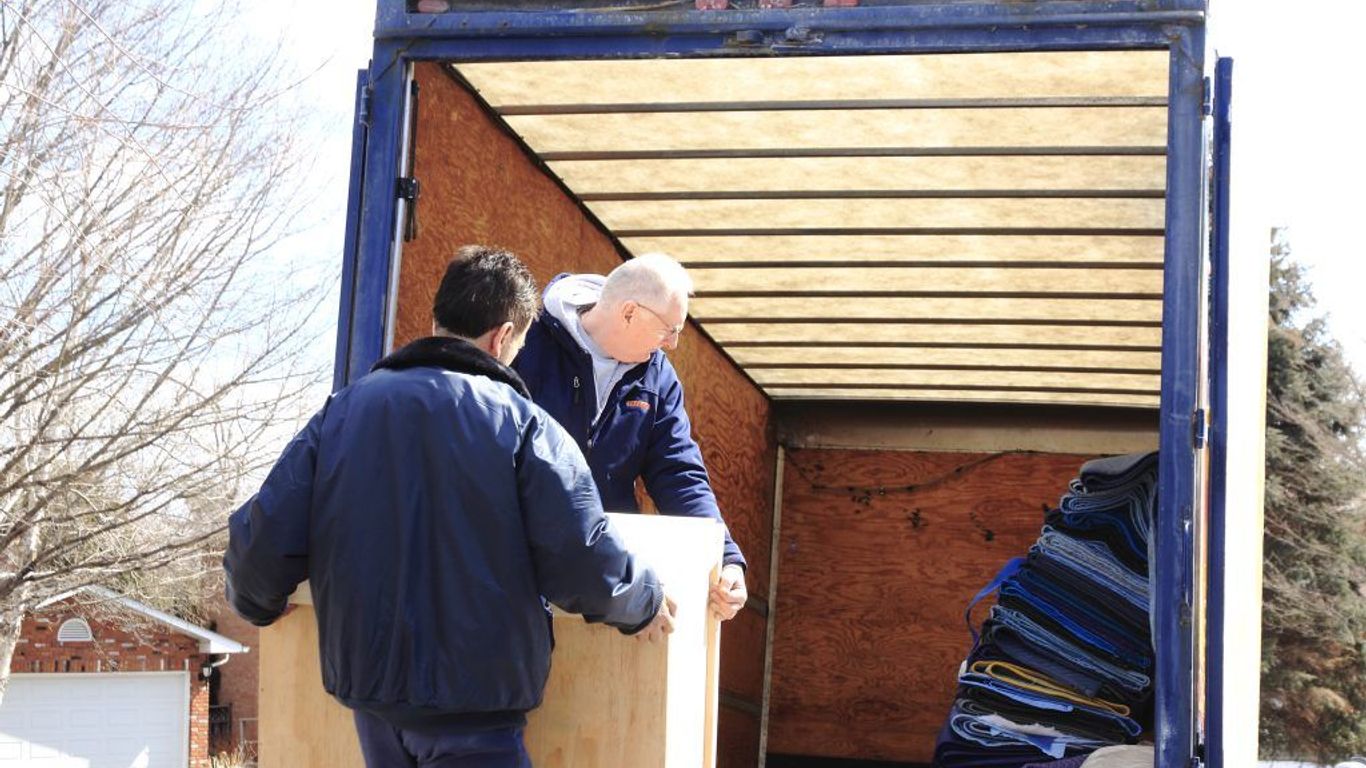
Moving your life from one province to another, or even across the country, is a big deal. It’s not quite the same as just moving across town. Long-distance moving involves a lot more planning and coordination. Think of it as a journey for your belongings, not just a quick trip.
What Constitutes Long Distance Moving?
In Canada, a move is generally considered "long distance" when it crosses provincial borders or covers a significant distance within a single, large province. This is different from local moves, which are typically completed within a few hours and cover a much smaller geographic area. The complexity increases with distance, requiring specialized logistics and more careful handling of your items.
- Provincial Boundaries: Moving from Ontario to British Columbia, for example, is definitely a long-distance move.
- Significant Mileage: Even within a large province like Quebec or Alberta, if the distance is substantial, it often falls under long-distance moving protocols.
- Planning Needs: Unlike local moves that might be more spontaneous, long-distance relocations demand advance planning for everything from packing to delivery schedules. This difference in coordination is key.
Long-distance moving is more than just loading a truck and driving. It’s a carefully orchestrated process involving detailed planning, secure packing, safe transportation over many kilometers, and precise delivery coordination.
Services Offered for Canadian Moves
When you hire a mover for a long-distance relocation within Canada, you’re getting more than just a truck. Professional movers provide a range of services designed to make the process smoother. These can include:
- Professional Packing: Movers can pack your entire home, from fragile dishes to bulky furniture, using specialized materials to protect your items during the long journey. This saves you a ton of time and effort.
- Loading and Unloading: The crew will carefully load all your packed items onto the truck, strategically placing them to prevent shifting, and then unload everything at your new home.
- Transportation: This is the core service, getting your belongings from your old place to your new one, often using specialized long-haul trucks.
- Storage Solutions: If your new home isn’t ready or you need to downsize, many movers offer secure, climate-controlled storage options.
- Specialty Item Handling: Moving a piano, a large art collection, or delicate antiques? Movers have the expertise and equipment for these challenging items.
Beyond Transportation: Planning and Execution
What really sets long-distance moving apart is the planning and execution involved. It’s a multi-step process that starts long before moving day.
- Estimation: Getting an accurate quote is the first step. This usually involves assessing the volume and weight of your belongings and the distance to be traveled. Long-distance moving costs are typically based on these factors, not hourly rates.
- Scheduling: Coordinating pickup and delivery dates is crucial, especially when you’re moving across the country. Movers work with you to set realistic timelines.
- Packing and Preparation: Deciding what to pack yourself and what to leave to the professionals is a big part of the preparation.
- The Move Itself: This includes the actual loading, the transportation phase (which might involve multiple trucks or transfer points), and the final unloading and placement of your items.
- Follow-Up: A good moving company will follow up after delivery to make sure you’re satisfied and address any issues.
It’s a complex operation, but when done right, it takes a huge weight off your shoulders.
The Estimation and Booking Process
Getting a clear picture of your moving costs and locking in your date is the first big step. It might seem a bit daunting, but it’s really about getting the right information to make a solid plan.
How Long Distance Moving Costs Are Calculated
So, how do movers figure out what to charge for a big move across Canada? It’s not just a random number. For long-distance moves, the main things they look at are the distance your belongings will travel and the total weight of your shipment. Think of it like this: the further they go and the more stuff you have, the more fuel, time, and resources are needed. This is why a move from Vancouver to Halifax will naturally cost more than a move from Toronto to Ottawa, even if the volume of items is similar.
Factors Influencing Your Moving Quote
Beyond just distance and weight, a few other things can tweak the final price. The time of year plays a role; summer and early fall are peak moving seasons, so prices might be a bit higher due to demand. If you need extra services, like professional packing or temporary storage, that will add to the cost too. Some items also require special handling, like large pianos or delicate artwork, which can affect the quote. It’s always a good idea to ask what’s included in the estimate so there are no surprises.
- Seasonality: Moving during peak times (summer, holidays) can increase costs.
- Services: Packing, unpacking, storage, and special item handling add to the price.
- Accessibility: Difficult-to-access locations for the moving truck might incur extra fees.
- Declared Value Protection: The level of coverage you choose for your belongings impacts the cost.
The cheapest quote isn’t always the best deal. Sometimes, a slightly higher quote from a reputable mover can save you a lot of headaches and unexpected charges down the road due to better planning and execution.
When to Book Your Long Distance Move
This is a big one. You don’t want to leave this too late. Ideally, you should aim to book your long-distance movers at least three weeks in advance, but booking even earlier, perhaps a couple of months out, is even better, especially if you’re moving during a busy period. This gives the moving company enough time to properly plan your move, coordinate logistics, and secure your preferred moving dates. Last-minute bookings can be tricky and might limit your options or even cost more. Planning ahead helps make sure everything runs smoothly from start to finish, giving you peace of mind as you prepare for your new chapter. You can explore planning a long-distance move to get a better sense of the timeline.
Preparing For Your Long Distance Relocation
Getting ready for a big move across Canada can feel like a lot, but breaking it down makes it much more manageable. It’s not just about packing boxes; it’s about making sure everything goes smoothly from start to finish. Thinking ahead about what you can and can’t bring, how you’ll pack, and even where your furniture will go in your new place can save you a lot of headaches.
What Items Cannot Be Loaded Onto The Truck
When you’re packing up your life for a move to a new Canadian province, it’s important to know that not everything can hop on the moving truck. Movers have strict rules about what they can transport, mainly for safety reasons. Things that are flammable, explosive, or could easily spoil are usually on the ‘no-go’ list. This includes items like:
- Perishable foods: Anything that needs refrigeration or will spoil quickly.
- Flammable liquids and gases: Think paint, fuel, propane tanks, and aerosol cans.
- Hazardous materials: This can include certain cleaning supplies, batteries, and even ammunition.
- Live animals: Pets need their own travel arrangements.
It’s always a good idea to check with your moving company for their specific list of prohibited items. Planning for these items separately, whether it’s using them up, giving them away, or arranging special transport, is key.
Professional Packing Versus Owner-Packed Items
Deciding whether to pack yourself or hire professionals is a big decision for any long-distance move. Professional packers bring efficiency and specialized materials to the table. They know how to wrap fragile items, secure electronics, and pack boxes so they stack well and don’t shift during transit. This can be a huge time-saver and often leads to fewer breakages. On the other hand, packing yourself can save money, and you have complete control over how your belongings are handled. However, it’s important to know that if you pack your own boxes, the moving company’s liability for any damage to those items might be limited. For valuable or particularly delicate items, professional packing is often the safer bet. If you’re considering a move, looking into professional packing services can give you a clearer picture of the benefits.
Utilizing Floor Planning Tools
Once your belongings arrive at your new Canadian home, figuring out where everything goes can be a puzzle. This is where floor planning tools come in handy. These digital tools let you map out the layout of your new space and virtually place your furniture and boxes. It’s a great way to visualize how everything will fit before the movers even unload. If you’re downsizing or moving into a home with a different layout, this can help you decide what to bring and where it should go, potentially saving you from moving heavy items multiple times within your new home. It also helps the moving crew place items directly into the correct rooms, making the unloading process much faster and more organized. This kind of planning can really streamline the delivery coordination process.
The Moving Day Experience
Moving day itself can feel like a whirlwind, but knowing what to expect can make a big difference. It’s the culmination of all the planning and preparation, and the moment your belongings start their journey to your new Canadian home.
What To Expect During Pickup
On moving day, the crew will arrive within the scheduled window. They’ll begin by carefully wrapping your furniture and fragile items to prevent any damage during transit. Larger items will be strategically loaded onto the truck, with weight distribution being a key factor for a safe journey. You’ll likely do a final walkthrough with the crew leader to confirm all items are accounted for and to sign the inventory list. This is also your chance to point out any specific concerns or items that need extra attention. The goal is to have everything loaded efficiently and securely.
Route Optimization and Load Management
Once your belongings are safely on board, the truck begins its journey. Movers use sophisticated route optimization software to plan the most efficient path, especially for long hauls across Canada. This software considers traffic, road conditions, and delivery schedules to minimize travel time and fuel consumption. Load management isn’t just about fitting everything in; it’s about how items are packed within the truck. Heavier items are typically placed at the bottom and towards the front of the trailer, while lighter, more fragile items are secured on top and towards the back. This careful arrangement helps prevent shifting and damage during transit.
Ensuring Crew Well-being for Optimal Service
Long-distance moving is physically demanding work. Reputable moving companies understand that the well-being of their crew directly impacts the quality of service. This means ensuring the team gets adequate breaks, stays hydrated, and is properly equipped for the job. A well-rested and motivated crew is more likely to be careful, efficient, and maintain a positive attitude throughout the long hours. This focus on crew welfare is part of what makes a move feel smoother for you, the customer. It’s about more than just moving boxes; it’s about a professional team working at their best to get your possessions to their new Canadian home safely and without hassle. If you’re curious about how to prepare for the day, having a moving day essentials kit ready can be a lifesaver [d278].
Navigating Cross-Border and Corporate Moves
Moving between Canada and the United States, or relocating employees for your business, involves a different set of considerations than a standard domestic move. It’s not just about packing boxes and driving; there are specific regulations, documentation, and logistical challenges to manage. Successfully handling these moves requires specialized knowledge and careful planning.
Key Considerations for Canada-US Moves
When you’re moving your household goods from Canada to the US, or vice versa, you’ll encounter customs procedures. This means understanding what you can and cannot bring across the border. Items like certain foods, plants, and even some household goods might be restricted or require special permits. It’s important to have a clear list of what’s being moved and to check the latest regulations from both Canadian and US customs agencies. This helps avoid delays or issues at the border.
- Documentation: You’ll need proper identification, such as passports, and potentially visa or work permit information if applicable. A detailed inventory of your belongings is also standard.
- Customs Declarations: Accurate customs forms are a must. These forms declare the value and nature of the goods you are importing or exporting.
- Prohibited Items: Be aware of items that are outright banned, like certain firearms or hazardous materials. It’s always best to check the official government lists before you pack.
Documentation and Customs Awareness
Getting the paperwork right is probably the most critical part of a cross-border move. Missing a document or filling out a form incorrectly can lead to significant delays, extra fees, or even your belongings being held up at the border. We help coordinate this process, making sure all the necessary declarations and permits are in order. This attention to detail is what separates a smooth Canada-US move from a stressful one. For instance, understanding the difference between moving personal effects and commercial goods is vital for correct customs processing.
The process for moving household goods across the Canada-US border is more complex than a typical domestic move. It involves understanding specific customs regulations, potential duties or taxes, and ensuring all necessary documentation is accurate and complete to avoid delays.
Tailored Services for Corporate Relocations
For businesses, relocating employees is a significant undertaking. It’s not just about moving a person’s belongings; it’s about ensuring their transition is as smooth as possible so they can focus on their new role. We work with companies to create relocation packages that fit their policies and budgets. This can range from full-service moves where we handle everything, to more customized solutions. The goal is to reduce stress for the employee and provide a positive experience, which is key for employee retention and morale. Full-service relocation companies can streamline this entire process, controlling costs and offering support to both the employee and their family during these big changes. This approach ensures a smoother transition and a positive experience during corporate relocations.
We understand that corporate moves have unique needs. Whether it’s coordinating moves for multiple employees simultaneously or handling high-value items, our team is equipped to manage the logistics. We focus on clear communication with both the HR department and the relocating employee, providing regular updates and addressing any concerns promptly. This partnership approach helps make corporate relocations successful. If your company is planning international business moves, Cross Border Movers offers efficient, secure, and tailored international corporate relocation services.
Choosing the Right Long Distance Mover
So, you’ve decided to move across the country, maybe from Vancouver to Halifax, or perhaps even further afield. It’s a big undertaking, and picking the right moving company is a pretty big deal. It’s not just about getting your stuff from point A to point B; it’s about peace of mind. You want a company that understands the ins and outs of Canadian moves, not just someone who can haul a truck.
Comparing Movers: Value Versus Cheapest Quote
When you start looking around, you’ll see a lot of different prices. It’s tempting to just go with the lowest number you see, right? But honestly, the cheapest quote isn’t always the best deal in the long run. Sometimes, those super low prices come with hidden fees or mean they’re cutting corners on service. Think about it: if a company is significantly cheaper than everyone else, how are they making it work? It often means less experienced crews, older equipment, or maybe they don’t include things like proper packing or transit insurance. It’s really about finding the best value for your money, not just the lowest price tag. You want a company that’s upfront about costs and what’s included. Researching customer reviews can give you a good idea of what to expect from different companies.
Understanding Service Levels and Quality
Moving companies offer different levels of service, and it’s important to know what you’re getting. Are you looking for a full-service move where they pack everything, load it, transport it, and unload it? Or are you planning to pack yourself to save some money? Some companies might offer specialized services like crating for valuable items or climate-controlled storage if you need it. It’s worth asking about their packing materials, how they protect your furniture, and what kind of insurance or protection plans they offer. A company that focuses on quality will usually have a clear process for handling your belongings with care.
The Importance of Communication and Support
This is a big one. When you’re moving long-distance, especially across provinces, you need a mover you can talk to. Things can come up – maybe your closing date shifts, or you have a question about customs if you’re moving near the US border. A good moving company will have a dedicated move coordinator who acts as your main point of contact. They should be responsive, clear in their communication, and proactive in letting you know about your move’s progress. You want to feel like they’re on your team, working to make your relocation as smooth as possible. It’s not just about the truck; it’s about the people guiding you through the whole process. A company that provides resources for managing relocation stress shows they care about the whole experience.
Post-Move Support and Satisfaction
Delivery Coordination and Follow-Up
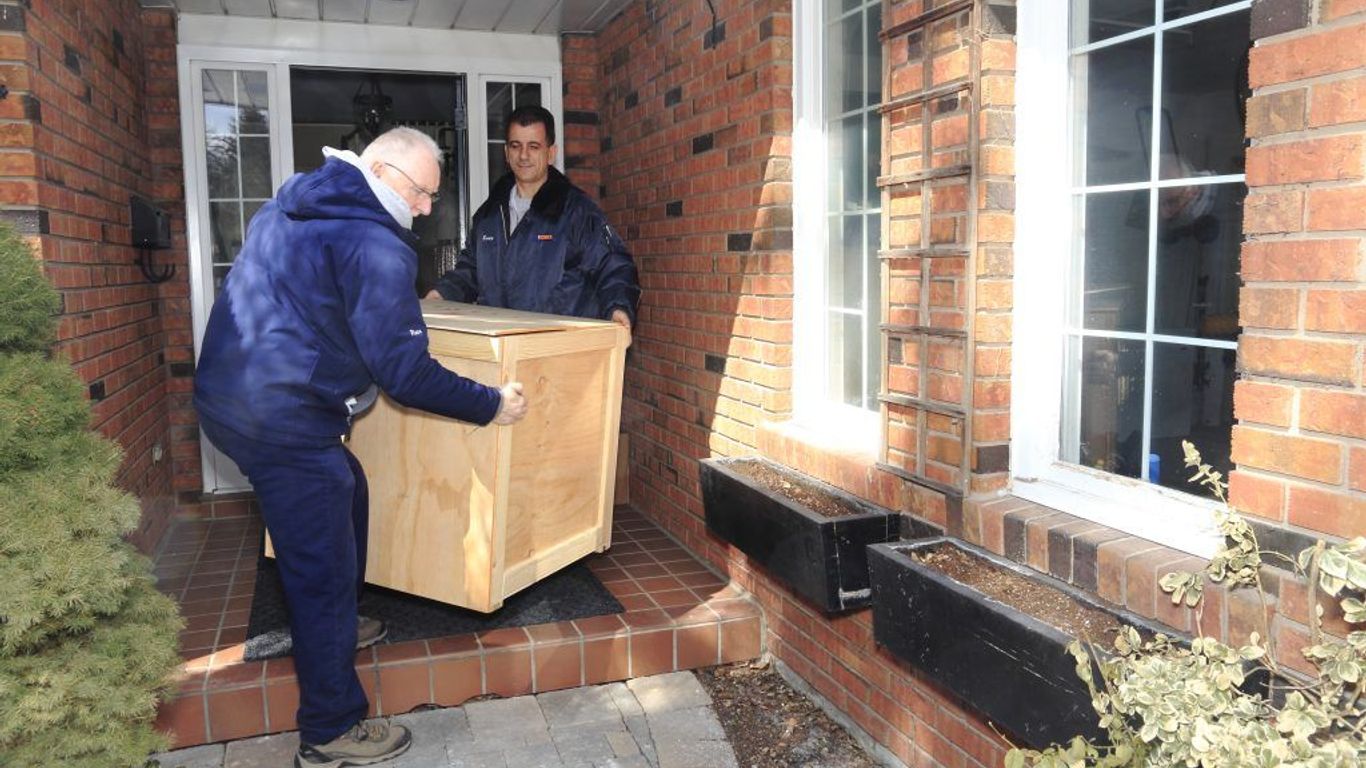
So, your belongings have made it across the country, or maybe even across the border into Canada. That’s a huge relief, right? But the move isn’t quite over until everything is where it should be and you’re happy. The final stage involves coordinating the actual delivery. This means confirming the delivery window with the moving company, making sure you or a representative is there to accept the items, and doing a quick check for any obvious damage right then and there. It’s also a good time to ask the delivery crew any last-minute questions you might have about your items.
After the truck pulls away, the follow-up process begins. This is where you’ll want to do a more thorough inventory check against the bill of lading. If you notice anything missing or damaged that wasn’t apparent during the initial check, it’s important to report it to the moving company promptly. Most companies have a specific timeframe for filing claims, so don’t delay. A good moving company will also reach out to you to make sure everything went smoothly and to gather feedback. This feedback is super important for them to improve their services, and it helps other people looking for movers too. You can often find reviews that mention the delivery experience, which can be a good indicator of a company’s reliability. For instance, some companies are known for their consistent service across Canada.
Managing Stress During Your Relocation
Moving, especially a long-distance one to a new place in Canada, can really take a toll. It’s not just about the physical work; it’s the mental load too. Thinking about all the details, the potential hiccups, and the big change ahead can be overwhelming. One thing that helps is having a clear plan, which you’ve hopefully been following. But even with a plan, unexpected things happen. Try to build in some buffer time for yourself. Don’t schedule every minute of every day leading up to and immediately after the move. It’s okay to take breaks, order takeout instead of cooking, and just breathe.
Remember that it’s normal to feel a bit stressed or anxious. Talking to friends or family about how you’re feeling can make a big difference. If you’re moving for work, your employer might have resources or a relocation specialist who can help ease the burden. Also, remember that the moving company is there to help with the logistics. Don’t hesitate to ask them questions or voice concerns. They deal with people moving all the time and understand the stress involved. Some companies even provide resources to help you manage the emotional side of moving.
Ensuring Data Security and Privacy
When you hire a moving company, you’re sharing a lot of personal information. Think about it: your old address, your new address, contact details, and sometimes even financial information for payment. It’s really important that the company you choose takes data security and privacy seriously. This isn’t just about protecting your personal details from identity theft; it’s about trusting that your information is handled responsibly throughout the entire process, from the initial quote to the final delivery.
Look for companies that are transparent about their privacy policies. They should clearly state how they collect, use, and protect your data. Reputable movers will have secure systems in place to store your information and will only use it for the purposes related to your move. If you’re concerned, don’t be afraid to ask them directly about their data protection measures. This is especially important when dealing with cross-border moves where different privacy regulations might apply. Making sure your personal information is safe is just as important as making sure your belongings arrive in good condition. You can often find information about a company’s commitment to privacy on their website, or by asking them directly. Top-rated movers often highlight their security practices.
Once your move is complete, we’re still here to help! We want to make sure you’re happy and settled in your new place. Our team is dedicated to providing support even after the boxes are unpacked, ensuring a smooth transition and your complete satisfaction. Visit our website today to learn more about how we ensure a great moving experience from start to finish.
Wrapping It Up
So, there you have it. Moving your stuff across the country isn’t just about stuffing boxes into a truck and hitting the road. It’s a whole process, from the first call to get a quote, to carefully packing everything up, to the actual drive and getting it all into your new place. It takes planning, good communication, and a team that knows what they’re doing to make sure your belongings arrive safe and sound. While it might seem like a lot, a good moving company handles all the tricky bits so you can focus on settling into your new home. It’s definitely more than just hauling furniture; it’s about getting your life from point A to point B without a hitch.
Frequently Asked Questions
How do long-distance moving companies figure out the cost?
Moving companies calculate long-distance move costs based on a few things. The main factors are how far your stuff needs to travel and how much it all weighs. Think of it like this: the more miles and the heavier the load, the more it generally costs. They also consider things like the type of service you choose and any special items you need moved.
Why do moving quotes from different companies vary so much?
Quotes can be different because each moving company has its own way of doing things. Some might include more services in their basic price, like better packing materials or more insurance. Others might charge extra for those things. The size of the moving truck, the time of year, and how busy they are can also affect the price they offer.
What’s typically included in a long-distance moving service?
A standard long-distance moving service usually covers picking up your belongings, safely loading them onto the truck, driving them to your new home, and unloading them. Many companies also offer packing and unpacking services, as well as storage if you need it. It’s always best to check exactly what’s in their service package.
How far ahead of time should I book my long-distance move?
It’s a good idea to book your long-distance movers at least three weeks in advance, but booking even earlier is even better, especially if you’re moving during a busy season like summer. Booking ahead gives the moving company enough time to plan everything properly and ensures you get the date you want.
Can I choose a specific date for my move?
While many moving companies try their best to accommodate your preferred dates, it’s not always possible to guarantee an exact pickup or delivery day. Moves are often scheduled based on efficient routes. Companies usually provide a window of days for pickup and delivery, and they’ll keep you updated on the timing.
Are my items covered the same way if I pack them myself versus hiring professionals?
Often, items packed by professional movers are covered differently than items you pack yourself. Professional packers are trained to pack items securely for transit, and if anything gets damaged, the moving company usually takes more responsibility. If you pack yourself, the company might have limitations on what they can cover if damage occurs.
Leave a Comment