What Is Long Distance Moving? A Comprehensive Guide
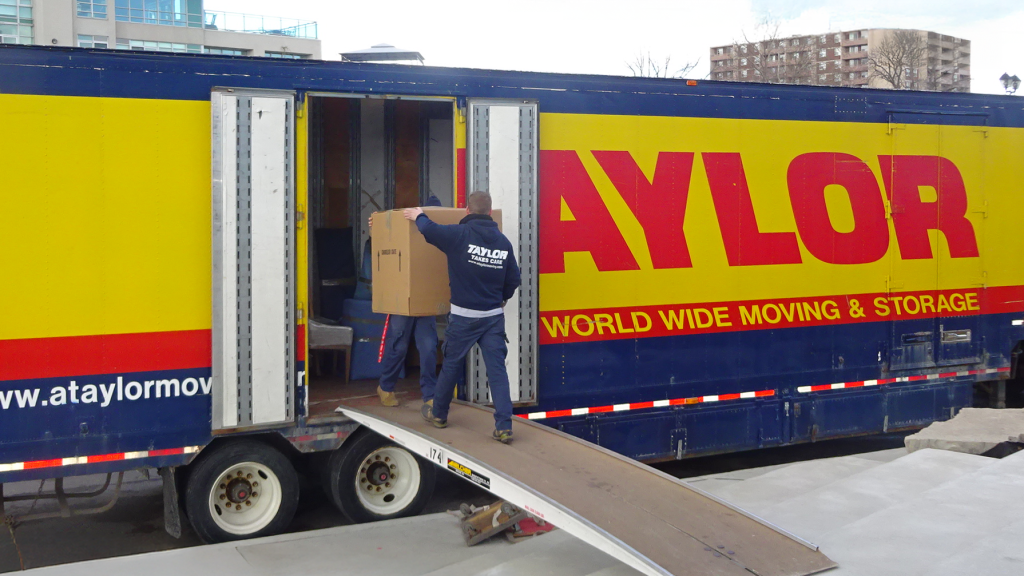
Moving your life from one province to another, or even across the country, can feel like a huge undertaking. It’s not quite like just moving down the street, is it? This guide is all about breaking down what is long distance moving, so you know what to expect and how to get ready. We’ll cover everything from figuring out the costs to picking the right help, and even touch on moving between Canada and the US. Let’s get started on making your big move a little less stressful.
Key Takeaways
- Long distance moving means relocating your household items over a significant distance, typically between provinces or across the country, which differs from local moves in complexity and planning.
- Planning is key for long distance moves; booking movers well in advance, estimating travel time, and creating a detailed strategy are important steps.
- The cost of long distance moving depends on various factors like distance, volume of items, and services needed, and quotes can vary widely between companies.
- Choosing the right mover involves checking their credentials, understanding the value they offer beyond just price, and knowing what to expect throughout the process.
- Cross-border and corporate moves have unique requirements, including specific documentation, customs procedures, and budget considerations.
Understanding What Is Long Distance Moving
Defining Long Distance Moving
So, what exactly counts as a long-distance move in Canada? Generally, if you’re moving your household belongings more than 100 kilometers (about 60 miles) from your current home to a new one, it’s considered long-distance. This isn’t just about the miles, though. It’s about the complexity involved. Think of it as a move that requires significant planning, specialized logistics, and often, a different type of moving company than you’d use for a quick local hop across town. It’s a move that spans provinces or even crosses the border into the United States, requiring careful coordination.
Key Differences From Local Moves
Local moves are usually pretty straightforward. You pack up your stuff, a truck comes, loads it, drives a short distance, unloads it, and you’re done. The whole process might take a day, maybe two. Long-distance moves are a whole different ballgame. For starters, the distance itself means more time on the road, which impacts scheduling and cost. You’re also dealing with potentially different regulations, especially if you’re moving between provinces or internationally. Plus, the sheer volume of items and the duration of the journey mean that protection and careful handling are even more important. It’s not just about getting from Point A to Point B; it’s about getting everything there safely and efficiently, which takes a lot more planning.
Scope of Services Offered
When you hire movers for a long-distance relocation, the services can really vary. Most companies will offer the basics: packing, loading, transporting, and unloading your belongings. But the details matter. Some might offer full packing services, where they handle everything from your kitchen gadgets to your wardrobe. Others might just provide packing materials and expect you to do the heavy lifting on that front. You’ll also find options for storage if your new place isn’t quite ready, or if you’re downsizing and need to sort things out. It’s really about finding a company that provides the level of support you need for your specific move. For example, some companies offer specialized services like moving fragile items with extra care, which can be a lifesaver for valuable possessions.
Long-distance moving is more than just transporting your possessions; it’s a coordinated effort involving detailed planning, secure packing, clear communication, and reliable execution from start to finish.
Here’s a quick look at what might be included:
- Packing and Unpacking: From full-service packing to just providing materials.
- Loading and Unloading: Careful handling of your items onto and off the truck.
- Transportation: The actual journey to your new home, often with specific scheduling windows.
- Storage Solutions: Temporary or long-term storage if needed.
- Specialty Item Handling: Moving large, heavy, or delicate items like pianos or artwork.
- Insurance and Protection Plans: Options to cover your belongings during transit.
Planning Your Long Distance Relocation
Moving across the country, or even just a significant distance within Canada, isn’t like moving across town. It takes more than just packing boxes and hiring a truck. Proper planning is the bedrock of a successful long-distance move. Without it, you risk delays, unexpected costs, and a whole lot of stress. Think of it like planning a big trip – you wouldn’t just show up at the airport without a ticket or a destination, right? The same applies here.
When to Book Your Movers
This is a big one. When should you actually pick up the phone and book your moving company? It really depends on the time of year and how far you’re going. Summer months and the end of the year tend to be busier, meaning movers get booked up fast. For a long-distance move within Canada, aiming to book at least 6 to 8 weeks in advance is a good starting point. If you’re moving during peak season (like July or August) or around holidays, you might need to start even earlier, maybe 10-12 weeks out. This gives you and the moving company plenty of time to sort out all the details without feeling rushed. It also helps secure your preferred moving dates and potentially better rates.
Estimating the Duration of Your Move
How long does it actually take to move from one end of Canada to the other? It’s not a simple answer because it depends on a few things. The distance is the most obvious factor, of course. Driving from Vancouver to Halifax is a whole different ballgame than driving from Toronto to Montreal. Then there’s the actual loading and unloading time, which can take a day or more depending on the size of your home and the number of items. The transit time – how long the truck is actually on the road between your old place and your new one – is also a major component. This can range from a few days for shorter long-distance moves to over a week or even two for cross-country journeys. It’s important to get a realistic timeline from your mover. They can usually give you an estimated delivery window, but remember, it’s an estimate. Traffic, weather, and other logistical factors can sometimes cause delays. Having a buffer in your own timeline is always a smart idea.
The Importance of Strategic Planning
Long-distance moving is more than just transporting your belongings; it’s a complex operation that requires careful thought and organization. Strategic planning involves looking at the whole picture. This includes:
- Inventory Management: Knowing exactly what you’re moving. Decluttering before you pack can save you money and hassle. You don’t want to pay to move things you don’t need.
- Budgeting: Long-distance moves can get expensive. Create a detailed budget that includes the mover’s quote, packing supplies, potential storage costs, and any unexpected expenses.
- Timeline Creation: Map out key dates – packing start, loading day, estimated delivery, and when you need to be out of your old place and into your new one.
- Choosing the Right Mover: Researching and selecting a reputable moving company is paramount. Look for companies with experience in long-distance moves and good reviews. Getting detailed quotes is also part of this strategic step. You want to understand what’s included and what’s not.
When you’re planning a long-distance move, especially across Canada, think about the logistics involved. It’s not just about the physical move itself, but also about the coordination, communication, and preparation needed at both ends. A well-thought-out plan helps prevent surprises and makes the entire process much smoother. Don’t underestimate the value of detailed checklists and clear communication with your chosen moving company.
Consider using tools to help visualize your new space. Some moving companies offer floor planning tools that let you map out where furniture will go in your new home. This can be super helpful, especially if you’re downsizing or just want to make sure everything fits. It’s another piece of the strategic puzzle that can make your arrival at the new place much easier.
Calculating Long Distance Moving Costs

Factors Influencing Moving Expenses
When you’re planning a move across Canada, figuring out the cost can feel like a puzzle. It’s not just about how much stuff you have; a lot of things play a role. The distance is obviously a big one – moving from Vancouver to Halifax is going to cost more than moving from Toronto to Ottawa. Then there’s the volume and weight of your belongings. More stuff means more space on the truck, more fuel, and more time for the movers. Think about the type of items too; specialty items like pianos or large art pieces might need extra care and handling, which can add to the bill.
- Distance: The further you go, the higher the cost.
- Volume and Weight: More items mean a larger truck and more labor.
- Packing Services: Do you need movers to pack everything, or just load and unload?
- Specialty Items: Pianos, safes, or large furniture can increase costs.
- Timing: Moving during peak season (summer) or on weekends can be more expensive.
Understanding Quote Variations
It’s pretty common for long-distance moving quotes to vary quite a bit between companies. This can be confusing, but it usually comes down to what’s included and how they calculate their prices. Some quotes might be more detailed, breaking down every service, while others are more general. Always ask for a detailed breakdown so you know exactly what you’re paying for. Don’t be afraid to get quotes from several different movers to compare. This helps you spot any major differences and understand the market rate for your specific move.
The cheapest quote isn’t always the best deal. Sometimes, a lower price means fewer services, less experienced movers, or hidden fees that pop up later. It’s important to look at the overall value and what you’re getting for your money.
Weight-Based Versus Hourly Costs
For long-distance moves within Canada, you’ll often see two main pricing structures: weight-based and hourly. Weight-based pricing is pretty straightforward – the more your belongings weigh, the more you pay. This is common for longer hauls where the mover can estimate fuel and transport costs based on weight. Hourly rates, on the other hand, are more typical for local moves or shorter distances. However, some long-distance movers might use a hybrid approach or charge hourly for the loading and unloading portions. It’s good to understand which method your mover uses and how it impacts the final cost. For a general idea, the average cost for a long-distance move covering about 1,000 miles for a 2-3 bedroom home weighing around 7,500 pounds is estimated to be $5,450. You can also use tools to quickly estimate your moving expenses to get a better picture.
Choosing the Right Long Distance Mover
So, you’ve decided to move across the country, maybe from Vancouver to Halifax, or perhaps even across the border into the US. That’s a big deal! Now comes the part where you need to find the right people to help you get all your stuff there safely. It’s not like picking a local mover for a quick trip across town; this is a whole different ballgame.
Evaluating Mover Credentials
When you’re looking at companies, don’t just go by their shiny website. You need to dig a little deeper. What kind of experience do they actually have with long-distance moves, especially ones involving Canada? Look for companies that are registered and licensed to operate between provinces or internationally if that’s your plan. Check their safety records and any accreditations they might hold. It’s also a good idea to see how long they’ve been in business. A company with decades of experience, like Taylor Moving with over 65 years, often means they’ve worked out the kinks and know how to handle pretty much anything that comes their way.
Best Value Versus Cheapest Quote
This is a big one. You’ll get quotes, and some will look really appealing because they’re the lowest. But here’s the thing: the cheapest quote often doesn’t end up being the best value. Sometimes, those low prices come with hidden fees, or the service might be rushed, leading to damaged items or delays. A slightly higher quote from a reputable company that includes clear communication, proper packing, and reliable delivery is usually worth the peace of mind. Think about what’s included. Does the quote cover packing supplies, insurance, and any special handling for delicate items? A company that provides a detailed breakdown of services, like Taylor Moving’s not-to-exceed estimates, gives you a clearer picture of the actual cost and what you’re getting.
What to Expect During the Moving Process
Once you’ve picked your mover, what happens next? It’s good to have a general idea so you’re not caught off guard. The process usually starts with an in-home or virtual survey to get an accurate estimate. Then, there’s the planning and scheduling phase. On moving day, the crew will carefully pack and load your belongings. For long-distance moves, especially cross-border, there might be a linehaul phase where your items travel a longer distance, possibly to a consolidation point. Finally, delivery day arrives, where your items are unloaded and placed in your new home. Throughout this, good communication from your mover is key. You should expect regular updates and a clear point of contact.
Here’s a general timeline of what to expect:
- Estimate & Survey: Initial consultation to assess your moving needs.
- Booking & Planning: Confirming dates, services, and logistics.
- Packing & Loading: Professional packing (if chosen) and careful loading of your belongings.
- Transit: Your items travel to the destination.
- Delivery: Unloading and placement of your items in your new home.
Remember, a good moving company doesn’t just transport your things; they manage the entire process with care and clear communication, from the first call to the final delivery. This attention to detail is what separates a stressful move from a smooth transition.
Navigating Cross-Border and Corporate Moves
Canada-US Moving Essentials
Moving between Canada and the United States isn’t quite like a regular long-distance move. It involves a bit more paperwork and attention to detail, mostly because you’re crossing an international border. You’ll need to be prepared for customs procedures and specific documentation requirements. Think of it as a longer move with an extra layer of official steps. This includes things like inventory lists, customs declarations, and potentially visa information if you’re moving for work. It’s not just about packing boxes; it’s about understanding the rules of entry for both countries.
Documentation and Customs Procedures
When you move from Canada to the US, or vice versa, there are specific documents you absolutely need. This usually includes a detailed inventory of everything you’re bringing, often called a Bill of Lading, and customs forms. The moving company you choose should be experienced with these requirements and can guide you. They’ll help make sure you have everything ready for border inspection. Some items might be restricted or even prohibited, so it’s good to check what those are beforehand. This can save a lot of headaches at the border.
Here’s a general idea of what you might need:
- Detailed Inventory List: A list of all items being moved, including their estimated value.
- Customs Declaration Forms: Specific forms required by US or Canadian customs.
- Proof of Ownership: Sometimes needed for certain items.
- Visa or Immigration Documents: If applicable to your move.
Corporate Relocation Considerations
Corporate moves, especially those involving employees moving between Canada and the US, have their own set of considerations. Companies often have specific relocation policies that outline what’s covered, like moving expenses, temporary housing, or even help with selling a home. When you’re an employee moving for work, it’s important to understand your company’s policy and how it aligns with the moving services you’ll need. The goal is to make the transition as smooth as possible for the employee while staying within the company’s budget. This often means working with movers who can handle the logistics and provide clear reporting back to the company.
Ensuring a Smooth Moving Experience
Moving your life across the country, especially to or from Canada, can feel like a huge undertaking. It’s not just about packing boxes; it’s about making sure everything goes according to plan from start to finish. Good communication and careful planning are your best friends here.
Communication and Coordination
Keeping everyone in the loop is super important. This means your moving company, and anyone else involved in your relocation. You want to know when your belongings will be picked up and when they’ll arrive. Regular updates from your movers help reduce a lot of the guesswork and worry.
- Establish a primary point of contact: Make sure you know who to call with questions and that they know who you are.
- Confirm details: Double-check pickup and delivery windows, addresses, and any special instructions.
- Stay informed about cross-border specifics: If you’re moving between Canada and the US, understand customs procedures and required paperwork. Delays can happen if documentation isn’t perfect.
Protection and Execution
How your belongings are handled is a big deal. You want to trust that your furniture, electronics, and personal items are protected during the journey. This involves proper packing, secure loading, and careful unloading.
- Understand packing services: Decide if you want the movers to pack everything, just fragile items, or if you’ll handle it all yourself.
- Inquire about protection plans: Ask about insurance options and what happens if something gets damaged.
- Review the inventory list: Before the movers leave your old place, check the inventory list to make sure everything is accounted for.
Managing Move-Related Stress
Let’s be honest, moving is stressful. There are a lot of moving parts, and it’s easy to feel overwhelmed. Having a solid plan and a reliable moving partner can make a world of difference. Sometimes, just knowing you have support can ease the tension.
Moving is a significant life event, and it’s natural to feel some anxiety. Focus on what you can control, like planning and communication, and rely on your chosen movers for their part in the process. Remember, a well-executed move contributes to a positive start in your new Canadian home.
To help ease your mind, consider using resources that offer guidance on managing the emotional side of moving. Sometimes, having a toolkit for stress management can be surprisingly helpful when you’re facing a big transition like a cross-border move to Canada. It’s all about taking it one step at a time.
Making your move easy is our top goal. We handle all the details so you can relax. From packing to loading, we’ve got you covered. Want to know more about how we make moving stress-free? Visit our website today to get started!
Wrapping It All Up
So, there you have it. Long-distance moving across Canada, or even over the border to the US, is a big deal. It’s not just about stuffing your belongings into a truck and hoping for the best. It takes careful planning, good communication, and knowing who to trust. Whether you’re moving your whole life to a new province or just across the border for work, remember that a smooth move comes down to choosing the right help. Don’t just go for the cheapest option; think about the value and peace of mind that comes with a company that really knows its stuff. A well-planned move saves you headaches and protects your things, making that big transition a lot easier.
Frequently Asked Questions
What’s the main difference between a local move and a long-distance move in Canada?
A local move usually happens within the same city or a nearby area, often within the Greater Toronto and Hamilton Area. A long-distance move, on the other hand, covers a much larger distance, typically between different provinces or regions across Canada. Think of it like moving across town versus moving across the country!
How do moving companies figure out the cost of a long-distance move?
The price for long-distance moving isn’t just a guess! Companies usually base it on how much stuff you have (weight) and how far it’s going. Other things like special packing needs, if you need storage, or if you’re moving during a busy season can also affect the total cost. It’s not usually a simple hourly rate like a local move.
Why do I get different prices from different moving companies?
It’s common for moving companies to give different quotes because they might offer different levels of service or have different ways of calculating costs. Some might include more services in their basic price, while others charge extra for things like packing or insurance. Always compare what’s included in each quote to see which one offers the best value for what you need.
When should I book movers for a long-distance relocation?
It’s best to book your long-distance movers as early as possible, especially if you’re moving during peak times like summer or at the end of the month. Booking a few months in advance is a good idea to make sure you get the movers you want and the dates that work best for your schedule.
What should I expect from a long-distance moving company, from start to finish?
A good long-distance mover will guide you through the whole process. It usually starts with an estimate, then planning and scheduling. On moving day, they’ll carefully pack and load your belongings. They’ll keep you updated during transit and let you know when to expect delivery. Good communication is key!
Is it better to choose the cheapest moving quote or the one that seems like the best value?
While a cheap quote can be tempting, it’s often better to look for the best value. The cheapest option might cut corners on service, leading to damaged items, delays, or hidden fees. A company that offers a fair price for quality service, good communication, and reliable execution is usually a safer bet for a stress-free move.
Leave a Comment