Finding the Best Long Distance Moving Company in Canada: A Comprehensive Guide

Moving across the country can feel like a huge undertaking, right? You’ve got boxes to pack, a new place to sort out, and a million other things on your mind. But the biggest piece of the puzzle is getting your stuff there safely and without breaking the bank. Finding the best long distance moving company canada is key to making this whole process much smoother. This guide is here to help you figure out all the ins and outs, from getting quotes to actually moving day, so you can focus on settling into your new home.
Key Takeaways
- Moving quotes differ a lot because companies calculate costs based on things like distance, the weight of your belongings, and the services you need. Don’t just go for the lowest price; compare what’s included.
- When picking a mover, look beyond just the dollar amount. Check their reviews, ask about their experience with similar moves, and make sure they’re properly insured.
- Start planning your move well in advance, ideally a few months ahead. This gives you time to get quotes, book your preferred company, and handle all the packing.
- For moves to the US, be aware of customs rules and paperwork. It’s more than just a long drive; it involves specific documentation and understanding what you can and can’t bring.
- Communication is super important. A good moving company will keep you updated throughout the process, from the initial estimate to the final delivery, making the whole experience less stressful.
Understanding Long Distance Moving Costs in Canada
Moving your life from one end of Canada to the other is a big deal, and figuring out the cost can feel like a puzzle. It’s not just about how many boxes you have; a lot goes into that final number. Understanding these costs upfront can save you a lot of headaches and unexpected expenses down the road.
Why Long Distance Moving Quotes Vary Significantly
Ever get a few quotes for something and they’re all over the place? Moving is exactly like that. The price you get from one company might be wildly different from another, and it’s not always about them trying to rip you off. Several things play a role. The time of year is a big one; summer and the end of the month are usually peak times, so expect higher prices then. The distance, of course, is a major factor – moving from Toronto to Vancouver is going to cost more than moving from Ottawa to Montreal. Then there’s the type of service you want. Do you need full packing services, or are you just looking for transport? The more services you add, the higher the cost. Even the accessibility of your old and new homes matters. If movers have to carry things a long way or deal with tricky stairs, that can add to the bill. It’s a complex calculation, and each company might weigh these factors a little differently.
Weight-Based vs. Hourly Moving Costs: Key Differences
When you’re getting quotes, you’ll likely hear about two main ways movers charge for long-distance jobs: weight-based or hourly. Weight-based pricing is pretty common for longer hauls across Canada. The idea is simple: the heavier your stuff, the more it costs to move. This usually involves the movers weighing your belongings. It can be more predictable for very long distances, but you need to trust that the weighing process is accurate. Hourly rates, on the other hand, are more typical for local moves or shorter distances. You pay for the time the movers are actively working. This can be good if your move is quick and efficient, but it can get expensive if things take longer than expected, maybe due to traffic or unexpected packing snags. It’s important to clarify which method a company uses and what it includes.
Here’s a quick look at the differences:
| Pricing Method | How it Works | Pros | Cons |
|---|---|---|---|
| Weight-Based | Cost is determined by the total weight of your belongings. | Predictable for long distances, often includes transport costs. | Can be harder to estimate upfront, relies on accurate weighing. |
| Hourly | You pay for the time the movers spend working. | Can be cost-effective for quick moves. | Costs can increase with delays, traffic, or unforeseen issues. |
What Is Typically Included in a Long Distance Moving Quote?
When you get a quote, it’s not just a single number. A good quote should break down what you’re paying for. Usually, the base price covers the transportation of your goods from point A to point B. This often includes a certain amount of basic packing materials for fragile items, like blankets to wrap furniture. You’ll also typically get an estimate for the transit time – how long it will take for your stuff to get there. However, things like full packing services (where they pack everything), unpacking at your new home, special item handling (like pianos or large artwork), and storage if needed, are often extra. Always ask for a detailed breakdown of what’s included and what isn’t.
Here are some common inclusions and exclusions:
- Included:
- Transportation of household goods
- Basic protection for furniture (e.g., padding, shrink wrap)
- Loading and unloading at the origin and destination
- An estimated delivery window
- Often Extra:
- Full packing and unpacking services
- Custom crating for fragile items
- Storage-in-transit
- Moving insurance or valuation coverage beyond the basic liability
- Shuttle services if a large truck can’t access your location
Getting a clear, written estimate is super important. It helps you compare apples to apples when looking at different moving companies and avoids those nasty surprises on moving day. A good moving company will be upfront about all potential costs. You can use a moving cost calculator to get a general idea, but always get a personalized quote for your specific move.
Choosing the Best Long Distance Moving Company Canada
So, you’ve decided to move across the country. That’s a big deal! Now comes the part where you need to find the right people to get all your stuff from point A to point B. It’s not just about picking the first company you see online, though. You really want to find a mover that fits your needs and your budget, without causing a ton of stress.
Evaluating Value Beyond the Cheapest Quote
It’s tempting to just go for the lowest price you find. Who wouldn’t want to save money, right? But honestly, the cheapest quote isn’t always the best deal. Sometimes, those super low prices come with hidden fees or mean the company cuts corners on service. You might end up paying more in the long run if things go wrong, like damaged items or delays. It’s better to look at the whole picture – what are you actually getting for your money? Think about the company’s reputation, what services are included, and how they communicate with you. A slightly higher quote from a company that’s transparent and reliable might save you a lot of headaches.
Key Factors When Selecting Movers
When you’re comparing different moving companies in Canada, there are a few things to keep in mind. First off, check their experience, especially with long-distance moves. A company like Great Canadian Van Lines has been doing this for a long time, which is a good sign. Make sure they are properly licensed and insured – this is super important for protecting your belongings. Ask for references or look for reviews from past customers. What do people say about their punctuality, how they handle items, and their customer service? Also, consider the types of services they offer. Do they pack? Do they offer storage? Do they have special equipment for certain items? Getting a clear, written estimate that details everything is also a must. Don’t be afraid to ask questions until you’re completely comfortable.
Here are some things to look for:
- Licensing and Insurance: Confirm they are properly registered and insured for long-distance moves.
- Reputation and Reviews: Check online reviews and ask for testimonials.
- Services Offered: Ensure they provide the services you need (packing, unpacking, storage, etc.).
- Communication: How responsive and clear are they when you ask questions?
- Written Estimates: Always get a detailed, written quote before agreeing to anything.
What to Expect During Your Long Distance Move
Once you’ve picked your movers, the process usually starts with an in-home or virtual estimate. This is where they’ll assess how much stuff you have and give you a more accurate quote. Then, you’ll schedule your packing and moving dates. On moving day, the crew will arrive, carefully pack your belongings (if you’ve hired them for that service), load the truck, and then head off. The delivery usually happens a few days or weeks later, depending on the distance. It’s a good idea to have a plan for your own travel and to be available when the movers arrive at your new place. Communication is key throughout this whole process, so stay in touch with your moving company.
Long-distance moving is more than just loading boxes onto a truck. It involves careful planning, secure packing, efficient transportation, and clear communication from start to finish. Choosing the right company means partnering with professionals who understand the complexities of moving your life across Canada.
Preparing for Your Long Distance Relocation

Moving across Canada is a big deal, and getting ready for it can feel like a lot. It’s not just about packing boxes; it’s about planning and making sure everything goes smoothly from start to finish. Thinking ahead can save you a lot of headaches later on.
How Far in Advance Should You Book Movers?
When you’re planning a long-distance move within Canada, timing is pretty important. You don’t want to leave booking your moving company to the last minute, especially if you’re moving during a busy season like the summer or around holidays. Generally, it’s a good idea to start looking for movers and getting quotes at least 6 to 8 weeks before your desired moving date. For really long distances, like moving from the Maritimes to British Columbia, or if you have specific date requirements, giving yourself even more time, say 10-12 weeks, is a smart move. This gives you time to compare different companies, understand their services, and secure the date you need.
- Peak Season (May-September): Book 8-12 weeks in advance.
- Off-Peak Season (October-April): Book 4-6 weeks in advance.
- Holidays & Long Weekends: Add an extra 2-4 weeks to your booking window.
Estimating the Duration of Your Long Distance Move
The time it takes for your belongings to travel from your old place to your new one can vary a lot. It depends on how far apart the locations are, the specific route the movers take, and how busy they are. A move within the same province might take a few days, while a cross-country move, say from Toronto to Vancouver, could take anywhere from 5 to 14 days. Some companies might offer expedited services if you need your items sooner, but this usually comes at an extra cost. It’s always best to get a clear estimate from your chosen moving company about the expected transit time.
Always ask for a realistic timeframe for delivery. Unexpected delays can happen, but a good mover will communicate them to you.
Essential Steps from Estimate to Delivery
Getting from the initial estimate to having all your boxes in your new home involves several key steps. It’s a process that requires attention to detail and good communication with your movers.
- Get Multiple Estimates: Don’t just go with the first company you talk to. Get detailed quotes from at least three different long-distance movers. Make sure they are all providing quotes based on the same information to make a fair comparison.
- Confirm Booking and Details: Once you’ve chosen a company, confirm your booking. Go over the inventory list, pick-up and delivery dates, and any special instructions. Get everything in writing.
- Prepare Your Home: Start decluttering and packing well in advance. Label boxes clearly with their contents and the room they belong in at the destination. On moving day, make sure pathways are clear for the movers.
- During the Move: Be present or have a representative there during loading and unloading. Do a final walkthrough of your old home after everything is loaded. Check the inventory list as items are unloaded at your new place.
- Post-Delivery: Inspect your belongings for any damage as soon as possible. Report any issues to the moving company promptly, following their claims process. This is where having a comprehensive moving checklist really helps keep track of everything.
Planning ahead and staying organized are the keys to a successful long-distance move across Canada. It makes the whole experience much less stressful and helps ensure your belongings arrive safely.
Navigating Cross-Border Moves to the USA
Understanding the Documentation and Customs Process
Moving your household from Canada to the United States involves more than just packing boxes and driving south. It’s a process that requires careful attention to documentation and customs regulations. You’ll need to be prepared for a different set of rules than you might expect.
Here’s a breakdown of what you generally need to consider:
- Bill of Lading: This is your contract with the moving company and serves as a receipt for your shipment. It details the services provided and the inventory of your goods.
- Customs Declaration Forms: You’ll need to declare all the goods you’re bringing into the U.S. This helps customs officials assess duties and taxes, if any apply.
- Proof of Ownership: For certain items, especially vehicles or high-value goods, you might need to provide proof that you own them.
- Identification: Ensure all adults moving have valid passports or other accepted forms of identification for crossing the border.
It’s important to work with a moving company that has experience with Canada-U.S. moves. They can guide you through the paperwork and customs procedures, making the transition smoother. Companies like Two Amigos specialize in these types of moves and can help manage the complexities.
What You Can and Cannot Bring Across the Border
When moving from Canada to the U.S., there are specific items that are restricted or prohibited. Understanding these rules beforehand can save you a lot of trouble at the border.
Generally, you can bring most of your household goods, including furniture, clothing, and personal effects. However, there are exceptions:
- Alcohol and Tobacco: There are strict limits on the amount of alcohol and tobacco you can bring across the border without paying duties.
- Firearms: U.S. customs has specific regulations regarding the import of firearms. You’ll need to declare them and ensure you meet all legal requirements.
- Plants and Animals: Bringing pets across the border usually requires health certificates and adherence to specific import regulations for both countries. Similarly, there are rules for bringing plants.
- Food Items: Some food products may be restricted due to agricultural regulations.
It’s always a good idea to check the official U.S. Customs and Border Protection (CBP) website or consult with your moving company for the most up-to-date information on restricted items. Some movers, like U-Pack, can provide guidance on what can and cannot be shipped.
Choosing a Specialist Canada-US Moving Company
Selecting the right moving company for a cross-border move is different from a domestic move within Canada. You need a company that understands the nuances of international relocation between these two specific countries.
Here’s what to look for:
- Experience with Canada-US Moves: The company should have a proven track record of successfully moving households between Canada and the United States. Ask about their experience with customs clearance and border procedures.
- Knowledge of Regulations: A good cross-border mover will be knowledgeable about the documentation required by both Canadian and U.S. authorities. They should be able to explain the process clearly.
- Insurance and Liability: Understand the insurance coverage offered for international moves. What happens if something is damaged or lost during transit across the border?
- Customer Support: Look for a company that offers dedicated support for cross-border moves. This means having someone you can contact with questions about customs, timing, or any issues that arise.
Moving between Canada and the U.S. is a significant undertaking. It’s not just about distance; it’s about navigating different legal frameworks, customs, and logistical challenges. Choosing a mover with specific expertise in this area is key to a successful relocation.
Don’t hesitate to ask potential movers detailed questions about their cross-border services. Their answers and willingness to provide information can tell you a lot about their capabilities and reliability.
Maximizing Your Relocation Budget
Moving across Canada can get expensive, fast. It’s not just about the movers; there are a lot of little costs that add up. If you’re lucky enough to get a lump-sum allowance from your employer, or if you’re paying out of pocket, you’ll want to make that money work as hard as possible. The goal is to get everything you need moved safely without breaking the bank. It’s about being smart with your cash.
Strategies for Using Lump-Sum Allowances Wisely
Getting a lump-sum allowance is great, but it can also be a bit of a trap if you’re not careful. Sometimes, companies give you a set amount and expect you to figure out the rest. This means you need to be a savvy shopper. Don’t just pick the first company that gives you a quote. Get a few different estimates and really look at what’s included. Some companies might offer a lower price but charge extra for things like packing supplies, long-carry fees, or even basic insurance. Understanding these details upfront can save you a lot of headaches and unexpected charges later.
Here are some ways to make your allowance stretch:
- Declutter ruthlessly: Before you even get quotes, go through your stuff. The less you move, the less it costs. Sell, donate, or toss anything you don’t truly need. This is probably the single biggest way to cut costs.
- Compare service levels: Do you really need full-service packing, or can you handle packing your own boxes? Packing yourself can save a good chunk of money, but make sure you have enough time and energy to do it properly. You don’t want to damage items because you rushed the packing.
- Ask about discounts: Some moving companies offer discounts for booking during off-peak seasons (like weekdays or certain months) or for paying with cash or certified cheque. It never hurts to ask!
When you receive a lump sum, it’s easy to think of it as ‘free money.’ But it’s actually a budget you need to manage. Treat it like any other financial plan, and you’ll be much more likely to stay on track.
Comparing Mover Options with a Relocation Budget
When you’re comparing moving companies, it’s not just about the bottom line number. You need to look at the whole picture. A quote that seems low might end up being more expensive once all the add-ons are factored in. Think about what’s most important to you. Is it getting the absolute lowest price, or is it peace of mind knowing your belongings are well-protected?
Here’s a quick way to compare:
| Feature | Mover A (Low Quote) | Mover B (Mid Quote) | Mover C (Higher Quote) |
|---|---|---|---|
| Base Moving Cost | $3,000 | $3,500 | $4,000 |
| Packing Services | Extra ($500) | Included | Included |
| Insurance (Basic) | Included | Extra ($200) | Premium ($400) |
| Long Carry Fee | Extra ($150) | Included | Included |
| Total Estimated Cost | $3,650 | $3,700 | $4,400 |
As you can see, Mover A had the lowest base cost, but ended up being more expensive than Mover B once extras were added. Mover C was the most expensive overall, but might offer better insurance or service.
Balancing Service Quality and Cost for Your Move
Finding that sweet spot between cost and quality is key. A super cheap mover might cut corners on things like training their staff, using proper packing materials, or having adequate insurance. This can lead to damaged items, lost belongings, or even delays, which can end up costing you more in the long run, not to mention a lot of stress. On the flip side, you don’t necessarily need the most expensive option out there. Look for companies that are transparent about their pricing and have a good reputation for customer service. Read reviews, ask for references, and get a clear, written estimate before you commit. A good moving company will be happy to explain all the details and answer your questions. It’s about finding a mover that offers reliable service at a fair price, giving you the best value for your relocation budget.
The Importance of Planning and Communication
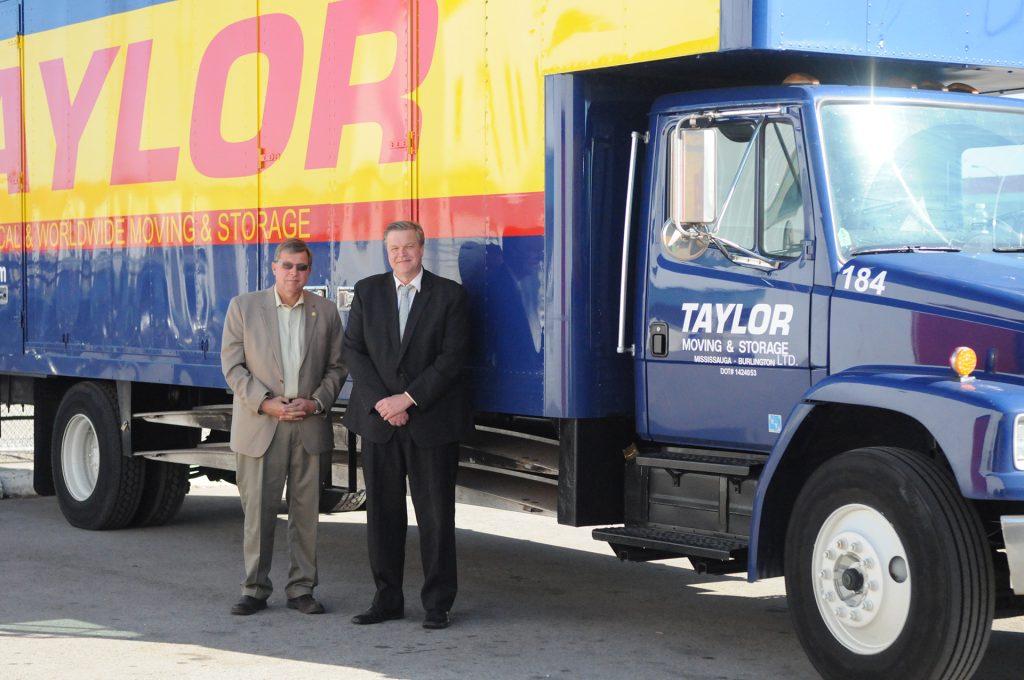
Moving your life across Canada isn’t just about loading boxes onto a truck. It’s a complex process that needs careful thought and clear conversations from start to finish. Think of it less like a simple delivery and more like a well-orchestrated event. When you get that quote, it’s just the beginning. The real work involves making sure everything goes smoothly, from the moment movers arrive at your old place to when they unload the last item at your new home.
Why Long Distance Moving is More Than Just Transport
When you’re moving long distances within Canada, like from Toronto to Vancouver or Halifax to Calgary, you’re dealing with more than just distance. You’re dealing with different time zones, varying weather conditions, and the sheer logistics of moving belongings over hundreds or thousands of kilometers. This is why a moving company’s approach to planning and communication is so important. They need to map out the route, schedule pickups and deliveries, and account for potential delays. It’s about having a solid plan that covers all the bases.
- Route Planning: Mapping the most efficient path across provinces.
- Scheduling: Coordinating pickup and delivery windows that work for you.
- Contingency: Having backup plans for unexpected issues like traffic or vehicle problems.
- Coordination: Making sure all parts of the move connect, especially if storage is involved.
A good moving company treats your relocation like a project. They don’t just show up and load; they plan, they coordinate, and they keep you in the loop. This attention to detail is what separates a stressful move from a manageable one.
Ensuring Dependable Execution and Support
Execution is where the plan comes to life. This means the movers showing up on time, handling your items with care, and following through on what was agreed upon. For example, if you have specific instructions about a fragile antique dresser or a large sectional sofa, the crew needs to be prepared and know how to handle it. This is where good training and clear communication on the day of the move really pay off. You want a team that is not only strong but also smart about how they pack and load.
- Careful Packing: Protecting your belongings, especially fragile items.
- Efficient Loading: Maximizing truck space while keeping items secure.
- Professional Conduct: Movers who are respectful of your home and your belongings.
- Problem Solving: Ability to handle on-the-spot challenges calmly and effectively.
Maintaining Strong Communication Throughout Your Move
Communication is the thread that ties everything together. From your initial contact to the final delivery, you should feel informed. This means getting clear answers to your questions, receiving updates on your shipment’s progress, and knowing who to contact if something comes up. A moving company that prioritizes communication will provide you with a point person and keep you updated, especially on longer journeys across the country. This transparency helps reduce anxiety and builds trust. For instance, if your move is from Calgary to Montreal, knowing the status of your shipment can make a big difference. Effective communication with your moving crew is key to a smooth process.
Good planning and clear communication are super important when you’re moving. Making sure everyone knows the plan and what to expect helps everything go smoothly. It’s like having a map for your move! Want to make your next move stress-free? Visit our website to learn more about how we can help you plan the perfect move.
Wrapping Up Your Long-Distance Move
So, you’ve made it through the whole process of picking the right movers for your big cross-Canada trip. It’s a lot to think about, for sure, but hopefully, this guide has made things a bit clearer. Remember, the cheapest option isn’t always the best one. Taking the time to compare quotes, check reviews, and understand what’s included will save you headaches down the road. A good moving company will make a huge difference, turning what could be a stressful event into a much smoother transition. Happy moving!
Frequently Asked Questions
How much does it cost to move long distances in Canada?
The price can change a lot because it depends on how much stuff you have, how far you’re moving, and what extra services you need. Some companies charge by weight, while others charge by the hour. Always get a detailed quote to see what’s included.
What’s usually in a long-distance moving quote?
A good quote should cover the basics like loading, transporting your belongings, and unloading them at your new place. It might also include packing supplies or unpacking services if you ask for them. Make sure to check if things like insurance or special handling for fragile items are part of the deal.
How do I pick the best moving company for a long move?
Don’t just go for the cheapest option! Look for companies that are reliable and have good reviews. Check if they are insured, ask about their experience with moves like yours, and make sure you feel comfortable talking to them. A good company will be clear about everything.
When should I book movers for a long-distance move?
It’s best to book your movers as early as possible, especially if you’re moving during busy times like summer or the end of the month. Aim for at least 4 to 8 weeks before your move date. This gives you more options and helps ensure you get the company you want.
How long will my long-distance move take?
The time it takes depends on the distance. A move across the country can take several days or even a couple of weeks. The moving company should give you an estimated timeframe for both picking up your items and delivering them to your new home.
What’s different about moving to the USA from Canada?
Moving across the border means dealing with customs and special paperwork. You’ll need to know what items you can and can’t bring into the U.S. It’s a good idea to hire movers who specialize in Canada-U.S. moves because they understand all the rules and can make the process smoother.
Leave a Comment