How long does a cross-border move take from Canada to the US?

Key Takeaways
A Canada–US residential move involves more than highway distance. Customs preparation, shipment size, access conditions, and the availability of pickup and delivery dates all shape the schedule.
- Plan for several weeks between booking and pickup when possible.
- Transit time depends on the Canadian origin, US destination, shipment size, and service selected.
- Customs paperwork and a complete inventory can help prevent avoidable holds.
- Delivery dates are commonly provided as windows rather than one guaranteed day.
- Early booking and clear communication give your move the best chance of staying on schedule.
Typical timeline for a Canada–US residential move
For many households, the answer to “how long does cross border move take Canada US” is a range rather than a single number. The move includes estimate preparation, packing, pickup, transportation, customs processing, and delivery coordination. A short route may move faster than a long one, but distance is only one part of the timetable.
A realistic plan also leaves room for document review and changes at either end. Canada-to-US moving planning can help you think through housing, travel, utilities, pets, vehicles, and household goods before pickup.
Average time from booking to pickup
Taylor Moving and Storage recommends scheduling at least three weeks in advance once you know your preferred date. Moves can sometimes be booked much closer to departure, but earlier planning gives the team more time to formulate, facilitate, and execute the relocation properly. Your available dates, shipment details, and the season may affect how quickly a pickup can be arranged.
Transit time after your belongings leave Canada
Transit begins after the crew completes the Canadian pickup and the shipment is ready to move toward the border and destination. A nearby US destination may require less road time than a route farther south or west, while a larger shipment may involve different transportation planning. Ask for a route-specific delivery window rather than relying on a general mileage estimate.
Customs clearance and delivery scheduling
Crossing the border adds a customs stage that does not exist on a domestic Canadian move. The shipment may need to be reviewed alongside identification, immigration information, and a detailed inventory before final delivery is scheduled. Customs planning for household goods explains why documentation and residency details matter to the process.
Why delivery dates are usually provided as windows
A delivery window allows for road conditions, border processing, inspections, traffic, and coordination with the destination address. It also accounts for whether the building, driveway, elevator, or loading area is ready when the shipment arrives. Treat the window as a planning tool for travel, temporary accommodation, and utility appointments rather than assuming a precise arrival hour.
What happens during a cross-border move
A Canada-to-US residential move is a connected sequence of decisions, not simply a longer truck journey. The estimate determines the expected shipment size, while packing and inventory work prepare the goods for transport and customs review. Pickup, border processing, and delivery then depend on the details established earlier.
Keeping one clear record of the shipment makes handoffs easier. It also gives the household a practical way to spot missing information before the truck leaves Canada.
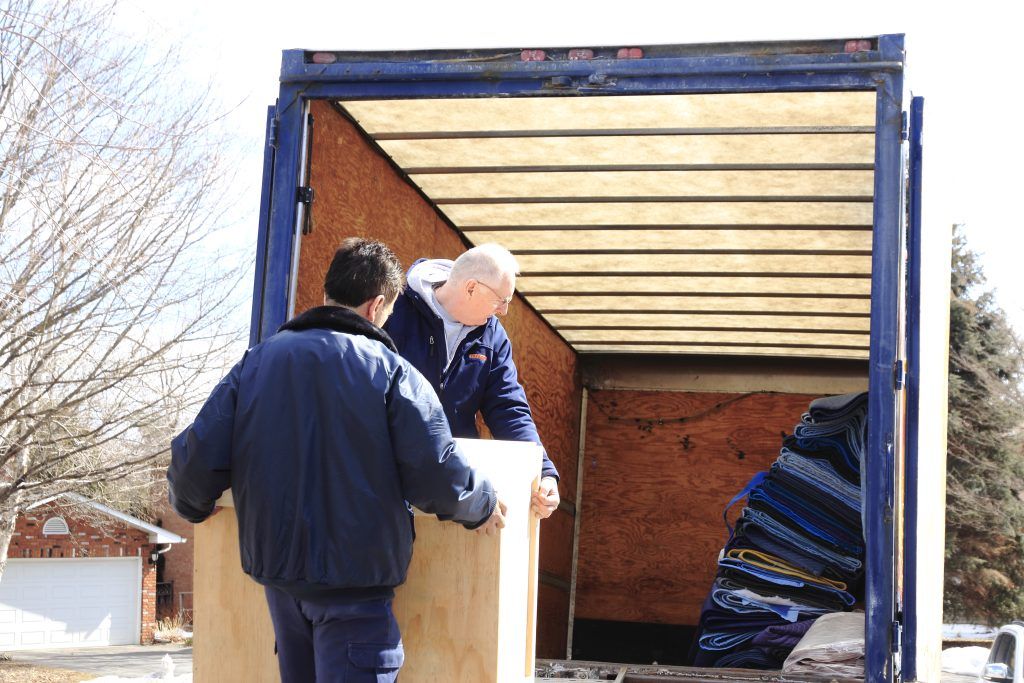
Planning the move and completing the estimate
The process generally starts with a request for an estimate and a discussion of the origin, destination, household goods, preferred dates, and services required. Taylor Moving and Storage says customers can request an estimate through its homepage or use its Yembo.AI software to perform an estimate immediately, with a sales representative reaching out the next business day. Accurate details at this stage make the later quote and schedule more useful.
Preparing household goods for transportation
Household goods need to be sorted, packed, and protected according to their material, size, and fragility. Professional packers can secure items, reduce the number of boxes, and help make a move more efficient, while custom crating may be appropriate for highly valued items and glass. The right preparation reduces confusion at pickup and makes the inventory easier to check.
Pickup and inventory documentation in Canada
At pickup, the crew records the goods being collected and notes their condition as required by the move process. The household should keep passports, immigration papers, valuables, medications, and other essential items separate from the shipment. A careful inventory is useful both for customs and for confirming what should arrive at the US residence.
Border crossing, customs processing, and final delivery
After pickup, the shipment travels toward the US border for customs processing before continuing to the destination. The timing can change if paperwork is incomplete, an item requires additional review, or an inspection takes place. Once the shipment is released and the destination conditions are confirmed, delivery can be coordinated.
Factors that affect how long your move takes
No two Canada-to-US household moves follow exactly the same schedule. A Toronto-area move to a nearby US state has different road and delivery requirements from a move beginning in another Canadian province and ending much farther south. The shipment itself, border conditions, and access at both homes can add or remove days from the working plan.
That is why a useful quote should reflect the actual household and route. Cross-border moving options describes how different service approaches may suit shorter moves, longer hauls, large shipments, or smaller loads.
Distance between your Canadian origin and US destination
Mileage affects the amount of road time and the coordination required between pickup and delivery. A move from Ontario to a nearby US destination may have a different rhythm from a move originating farther west or east. The destination’s location, local traffic, and the final delivery route also matter once the shipment has crossed the border.
Shipment size, weight, and transportation method
A small shipment may be easier to schedule than a full household, but the best option depends on the goods, dates, and destination. Larger shipments require more loading time, space, and coordination. Transportation methods can also influence whether belongings travel directly, through a broader van-line arrangement, or with an interim service such as storage.
Border traffic, inspections, and customs requirements
Border traffic varies, and customs officials may require additional review of a shipment or its documentation. Household goods must be declared accurately, and restricted items need attention before loading. Border documentation guidance reinforces the practical value of keeping identification current and planning prohibited-item checks early.
Pickup access, delivery conditions, and seasonal demand
Narrow streets, stairs, long carries, elevators, parking restrictions, and limited loading areas can lengthen the work at either address. Summer dates and other busy periods may also reduce scheduling flexibility. Share these conditions during the estimate so the move plan reflects the real work involved.
Documents and customs details that can prevent delays
Documentation is one of the clearest differences between a domestic move and a Canada-to-US relocation. The moving company needs a reliable description of the shipment, while the household must have the documents that establish identity and permission to enter the United States. Customs planning should begin before pickup, not when the truck reaches the border.
For a broader preparation list, Canada-to-US customs paperwork covers the relationship between immigration status, shipment information, access, and quote planning.

Personal identification and immigration documents
Keep valid passports and other personal identification available for travel rather than packed in the moving shipment. Depending on the household’s circumstances, immigration papers, work authorization, or related status documents may also be relevant. Requirements differ by person, so official US authorities or a qualified immigration professional should confirm what applies.
Inventory lists and shipment information
The inventory should describe what is moving, with special attention to valuable, unusual, regulated, or newly purchased goods. It should match the shipment as closely as possible and be available for customs review. Missing or vague information can lead to questions at the border and make the move harder to release promptly.
Active visas and destination-entry requirements
A moving schedule should not be built around a destination date that the household cannot legally use. Confirm that visas, permits, and other entry documents are active for the intended move. Immigration status and customs clearance are related planning concerns, but they are not interchangeable, so each should be checked separately.
Items that cannot be loaded or brought across the border
Before packing begins, separate items that a moving truck cannot carry or that may require special rules. Common examples listed by the mover include:
- Perishable foods and liquids
- Fuel, oil, paint, and propane tanks
- Ammunition, matches, and aerosol cans
- Batteries and gas cans unless properly purged
- Pets and other items requiring separate arrangements
Removing these items before pickup avoids a last-minute change to the inventory. When an item is uncertain, ask the move coordinator or the relevant customs authority before it is packed.
How to make your move arrive sooner
The fastest practical approach is usually careful preparation rather than rushing one part of the journey. A complete estimate, a realistic date, and accessible paperwork reduce the number of decisions that must be made during transit. You cannot control every border or traffic condition, but you can remove many preventable causes of delay.
The Canada-to-US moving checklist is a useful companion when you are coordinating the household move alongside travel, housing, and utility dates.
Book at least three weeks before your preferred move date
Try to schedule at least three weeks ahead once your dates are reasonably clear. This gives time to review the shipment, plan services, and coordinate pickup rather than forcing every decision into the final days. Earlier booking is especially useful when your dates are fixed by a lease, job, school, or closing.
Prepare documents and inventory details early
Gather identification, immigration documents, destination information, and the inventory before the estimate is finalized. Send accurate updates when the shipment changes, including additions, removals, or special items. Early corrections are easier to manage than changes discovered at pickup or customs.
Remove restricted, perishable, and hazardous items
Do not leave prohibited goods for the crew to identify on moving day. Dispose of or arrange separate transportation for food, fuel, paint, ammunition, liquids, batteries, propane, aerosol cans, matches, oil, pets, and similar items. This keeps the shipment description cleaner and reduces the chance of unloading something unexpectedly.
Keep communication open with your move coordinator
A move coordinator can help address issues during the relocation, including customs services and special arrangements such as piano disassembly. Respond promptly to questions about access, dates, documents, and inventory. Clear communication is particularly useful when a delivery address or travel plan changes.
How timing affects your cross-border moving quote
Timing and price are connected because the quote reflects the work required to move a particular shipment along a particular route. A shorter schedule may require different coordination from flexible dates, while storage can separate pickup from final delivery. The most useful comparison is between estimates that describe the same goods, mileage, access, and service level.
For a practical starting point, request a quote with your Canadian origin, US destination, preferred dates, and a clear description of the household goods.
Why cross-border moves are priced by mileage and weight
For long-distance and cross-border moves, Taylor Moving and Storage calculates costs using mileage traveled and shipment weight. That means a route with more road distance or a heavier shipment will generally require a different estimate from a shorter, lighter move. The quote should therefore be based on the actual route and goods rather than a generic hourly assumption.
How shipment volume and weight influence transportation
Weight affects the transportation work, while the overall amount of goods affects loading, space, packing, and handling. Decluttering before the estimate can make the shipment easier to describe and may remove items that do not justify the cost or space. The goal is not simply to have fewer boxes; it is to move the goods you genuinely need.
The relationship between service options and delivery speed
Service options can change how a shipment is planned and when it can be delivered. A smaller load, a larger household shipment, direct transportation, or a service involving coordination through a broader network may each have different scheduling implications. Ask which option fits your dates and whether the quoted delivery window assumes flexibility.
When storage or flexible dates may be useful
Storage can help when a Canadian home closes before the US residence is ready, or when lease and travel dates do not line up. Flexible pickup and delivery dates may also create more room for planning around border conditions and access restrictions. Taylor Moving and Storage offers a fully insured, climate-controlled storage warehouse, which can be considered when temporary holding is part of the relocation plan.
Conclusion
A Canada-to-US move commonly takes several weeks from booking through delivery, but the exact schedule depends on route, shipment, documents, customs processing, access, and service choices. Start early, keep the inventory accurate, remove restricted items, and treat the delivery date as a window until the shipment is cleared and coordinated.
Frequently Asked Questions
How long does a cross-border move from Canada to the US take?
The schedule varies by Canadian origin, US destination, shipment size, transportation method, customs processing, and delivery conditions. A route-specific estimate is more useful than a universal number.
How far in advance should I book a Canada-to-US move?
Booking at least three weeks before the preferred move date is a practical target. Earlier planning is helpful when dates are fixed or the move takes place during a busy season.
Why are cross-border delivery dates given as windows?
Road conditions, traffic, inspections, customs processing, and access at the destination can change the schedule. A delivery window allows those variables to be managed realistically.
What documents should I keep with me?
Keep passports, identification, immigration papers, visas, permits, medications, valuables, and other travel essentials separate from the moving shipment. Confirm the exact requirements for your circumstances with the appropriate authorities.
Can restricted items go on the moving truck?
Many common household items, including fuel, paint, ammunition, liquids, perishable foods, batteries, propane tanks, and aerosol cans, should not be loaded. Check uncertain items before packing.
Does shipment size affect delivery time?
Yes. A larger or heavier shipment can require more loading, handling, transportation space, and coordination. The selected service and route also influence the delivery schedule.
Can storage change the moving timeline?
Yes. Storage can separate pickup from final delivery when the destination home is not ready. It may add a storage period, but it can make the overall relocation easier to coordinate.
Plan Your Cross-Border Move
If you are moving from Canada to the United States, contact Taylor Moving and Storage for a quote based on your route, household goods, dates, and service needs.
Leave a Comment