How to manage moving from the United States to Toronto

Key Takeaways
Moving across the border involves complex logistics and careful preparation. These five key points ensure you stay organized and compliant throughout your international transition.
- Start planning your move at least three months in advance to secure availability.
- Complete accurate inventory lists to facilitate efficient customs clearance.
- Understand the specific BSF186 forms required for personal effects.
- Partner with an international mover to navigate cross-border documentation.
- Budget for additional costs such as climate-controlled storage and specialized packing.
Planning your move from the United States to Toronto
Transitioning to a new country is a significant life event that requires thoughtful preparation. Successfully moving from United States to Toronto depends on your ability to break down complex tasks into manageable milestones while maintaining flexibility for unexpected changes. By focusing on organization early, you can avoid the common pitfalls that often complicate international relocation efforts.
Setting a realistic timeline for your international relocation
Establishing a schedule is the foundation of a successful move. We recommend beginning your preparations at least three to four months before your expected departure date to account for potential administrative delays. This window allows ample time to review your options, consult with Taylor Moving and Storage specialists, and finalize your travel arrangements without unnecessary pressure.
Assessing your household inventory and decluttering options
Before you start packing, you must perform a thorough review of every item in your home. This is the perfect opportunity to decide what truly needs to move across the border and what could be donated or sold. A detailed inventory list not only helps you plan the space requirements but is also essential for declaring your goods to customs officials upon entry into Canada.
Coordinating logistics well in advance to ensure service availability
Securing your moving dates well ahead of time is critical during peak relocation seasons. High-demand periods often lead to limited availability for professional crews and specialized transport equipment. Engaging your logistics partner early ensures that your preferred moving schedule remains locked in, allowing you to focus on other logistical requirements like housing and utility transfers.
Establishing a moving plan that fits your family’s unique transition needs
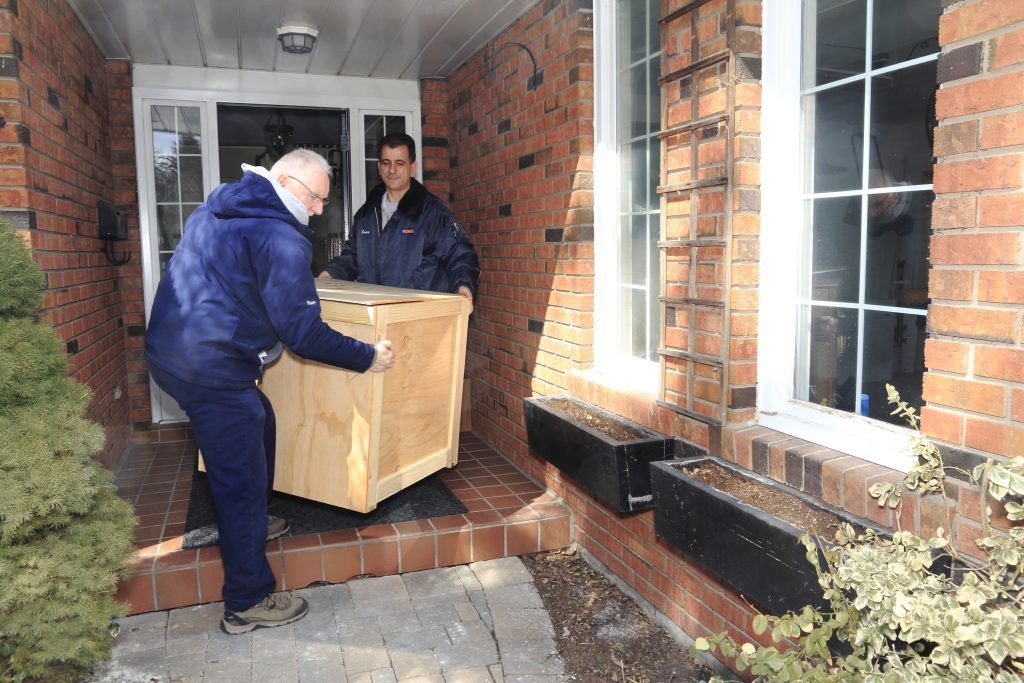
Every family has different requirements when relocating, whether it involves managing educational transitions for children or ensuring pet transport compliance. A tailored moving plan addresses these specific demands by outlining the sequence of your move and identifying when to prioritize certain documents. By having a clear strategy, you ensure that every member of the family feels supported throughout the intense period of change.
Understanding Canada–US customs and documentation
Navigating the bureaucratic landscape of importing household goods into Canada requires adherence to strict border regulations. The process is distinct from domestic relocation, as it necessitates verified documentation to avoid duty charges or shipment delays at the border. Working with experts who understand these requirements helps ensure your goods move smoothly through the entry ports.
Preparing required paperwork for household and personal effects
Preparing your documentation means maintaining a clear, readable manifest of all items being imported. This paperwork must distinguish between new and used belongings, as their customs status can differ. Accuracy at this stage is vital to ensuring that your goods are processed quickly and without unnecessary inspection friction.
Navigating BSF186 personal effects accounting forms
This core document acts as the primary record for the goods you are bringing into Canada. Completing these forms requires attention to detail, as any inaccuracies may lead to administrative delays during the arrival process. Ensure that every box on your inventory matches the information provided on your formal customs declaration to achieve a seamless border crossing.
Working with experienced customs brokers to prevent border delays
Utilizing a professional moving company that understands the nuances of customs helps prevent errors that could stall your transit. Customs brokers keep up with changing import regulations, ensuring your documentation remains compliant with both Canadian and US expectations. Relying on their expertise during this phase of your relocation provides peace of mind that your belongings will clear customs as efficiently as possible.
Managing verification for visas and residency documentation
Your immigration status dictates exactly what documentation you must present to border agents upon arrival. Whether you are entering with a work permit, student visa, or permanent residency status, you must ensure your original papers are easily accessible and ready for inspection. Always verify that your status documents are current and accurately reflect your intended length of stay to minimize scrutiny from officials.
Logistics of cross-border household goods
Moving your life across an international border is much more than simply loading a truck. It requires a high level of coordination, technical packing, and the right equipment to ensure your possessions arrive in the same condition they were packed. Professional management of these transit logistics is essential for a stress-free experience.
Coordinating the door-to-door transit process
Efficient movement requires a synchronized hand-off between origin and destination teams. A dedicated Taylor International coordinator manages this flow, ensuring that even as your items cross jurisdictions, the communication lines remain constant. This unified approach handles every leg of the trip, from your current street to your new neighborhood in Toronto.
Professional packing techniques for long-distance protection
Standard moving precautions are often insufficient for long-distance, cross-border hauls. Expert packing techniques, including custom padding and secure load stabilization, are required to protect your items against the vibrations and shifting of a multi-day journey. These professional methods, combined with high-quality packing materials, create a protective barrier that simple DIY packing cannot replicate.
Utilizing climate-controlled storage for transition windows
Not every arrival perfectly aligns with your home occupancy dates, requiring reliable storage. Climate-controlled warehouses protect sensitive items like musical instruments, wood furniture, and electronics from the harsh seasonal changes that can damage materials. This added layer of protection keeps your inventory in stable condition until you are ready for final delivery.
Selecting specialized crating for high-value items and antiques
Certain items require more than standard boxes for safe transit. Antiques, rare collectibles, and high-value glass or artwork benefit from the additional security of custom-built wood crates. These structures are designed to provide maximum structural support, ensuring that your most valuable items remain pristine throughout the transit through varying terrains and climates.
Budgeting and pricing for international relocations
Financial transparency is key to a successful relocation. Establishing a clear budget requires evaluating several variables that range from shipment size to the required level of packing assistance. Being honest with yourself about these costs early allows you to avoid surprises once the move is under way.
Factors that influence the cost of a move to Canada

Several factors play into the final cost of moving your household effects. Geography, shipment weight, and the complexity of the customs documentation all contribute to the bottom-line price. When evaluating your potential move, consider the variables listed in the table below.
| Cost Factor | Description | Potential Impact |
|---|---|---|
| Shipment Weight | Total weight of goods | High |
| Custom Crating | Specialized protection | Moderate |
| Transit Distance | Mileage to Toronto | High |
| Storage Needs | Duration of holding | Variable |
Understanding the difference between weight-based and volume-based pricing
Pricing can vary based on whether the mover measures by the weight of your possessions or the total space they occupy in the shipping container. Understanding the methodology your mover uses is essential for comparing quotes accurately. Always ask for clarification on which model is applied so you can predict your total investment more effectively.
How to maximize a corporate lump-sum relocation allowance
If your employer is providing a relocation bonus, prioritizing your spending is essential to protect your personal capital. Focus on using these funds for services that directly reduce your risk—such as professional packing and comprehensive insurance coverage—rather than spending on non-essential services that you could manage independently.
Evaluating quotes to ensure service quality and value
- Compare all services included in the baseline quote.
- Check whether the quote is binding or estimated.
- Look for clear details on insurance liability limits.
- Speak with Taylor Moving and Storage consultants about your specific requirements.
Once you have your estimates, compare them not just by total cost, but by the comprehensiveness of their service promise to ensure you get the best overall value for your situation.
Settling into life in Toronto
Toronto is a massive, multifaceted metropolis, and finding the right place to call home is just as important as the physical move itself. Once your belongings arrive, the real work of integration begins. Taking the time to understand your new surroundings helps you settle efficiently and comfortably within your chosen corner of the city.
Researching top residential neighborhoods to match your lifestyle
Toronto features a diverse collection of neighborhoods, each with its own character and amenities. Some residents prefer the high-energy, business-focused vibe of the Entertainment District, while others look for the tree-lined streets of established areas like Roncesvalles or Riverdale. Identifying which environment suits your daily commute and family needs will significantly improve your long-term success in the city.
Overview of housing options from condos to detached homes
Whether you are looking for a compact apartment or a spacious family house, Toronto offers a wide variety of housing stock. It is smart to rent initially to give yourself time to explore different districts before committing to a long-term purchase. This approach prevents you from locking into a location that might not serve your long-term lifestyle goals as well as you first expected.
Understanding local commuting infrastructure and public transit
Getting around the city efficiently is a matter of knowing your transit options. The TTC subway system, supplemented by streetcars and GO Transit regional trains, provides extensive coverage across the city and Greater Toronto Area. Learn your nearest transit lines immediately to simplify your daily travel and gain faster access to all parts of the city.
Exploring essential services for new arrivals to the city
New residents need quick access to healthcare, banking, and government registration offices. Keep a checklist ready that includes finding a family physician, setting up a Canadian-compliant bank account, and applying for your Ontario health card. Handling these administrative tasks early makes your neighborhood feel like home much sooner.
Benefits of choosing professional cross-border support
Managing an international move without professional guidance is fraught with risk, ranging from customs holdups to physical damage during transport. Enlisting a team that specializes in cross-border transitions turns a chaotic process into a structured, manageable sequence of events. The expertise provided by a professional team is arguably the most significant asset you can have during your journey.
Leveraging decades of international and cross-border experience
Experience is the greatest indicator of how a company handles unforeseen obstacles. A firm with deep roots in international logistics has already navigated almost every common (and uncommon) barrier you might encounter. Choosing a partner who clearly possesses this long-term track record means you are not paying them to learn; you are paying them for their mastery and reliability.
Coordinating movement through a dedicated move-coordinator team
Having one point of contact for your entire move eliminates the frustration of explaining your situation to a new person each time. A dedicated move coordinator manages all logistical updates and communicates them to you clearly. This continuity ensures your move remains organized and that any last-minute changes are communicated to the relevant personnel in real time.
Ensuring item safety with professional handling and insurance coverage
Professional handling is your first line of defense against damage. When this is coupled with specialized insurance coverage designed for international transit, you acquire peace of mind that your belongings are financially protected. This dual security—physical expertise and financial backing—is the standard provided by reputable moving partners.
Reducing relocation stress through comprehensive service management
Ultimately, the goal of hiring a professional is to reclaim your time and headspace. By offloading the burden of logistics, documentation, and physical transport to a full-service partner, you gain the mental freedom to focus on settling into your new job and community in Toronto. A seamless move lets you arrive at your new destination ready to enjoy the environment rather than exhausted by the journey.
Conclusion
Successfully managing your relocation from the United States to Toronto requires a combination of early planning, strict attention to customs documentation, and the support of experienced professionals. By staying organized, choosing the right logistics partner, and remaining proactive about your settled-life requirements in Ontario, you can enjoy a smooth transition to your new home. For those ready to begin, book a consultation with our expert team to tailor a relocation plan that protects both your budget and your peace of mind.
Frequently Asked Questions
What documents do I need for a Canada–US move?
You will need a valid passport, proof of residency status (such as a work or study permit), a detailed inventory of all goods, and the formal BSF186 personal effects declaration form ready for CBSA inspection.
How long does a cross-border move take?
Transit time varies based on your origin city and the volume of your load, but most cross-border shipments take anywhere from one week to several weeks depending on logistical variables and customs processing times.
Can I move my personal vehicle across the border?
You can bring your vehicle, but you must ensure it meets Canadian safety and emission standards. You will also need to declare it at the border and provide original ownership documentation and proof of insurance.
What items am I prohibited from bringing into Canada?
Prohibited items include certain plants, hazardous materials, explosives, and restricted food items. Always check the current CBSA guidelines for the most up-to-date list of restricted commercial and household goods.
Should I choose a full-service mover or a DIY approach?
The complexity of cross-border logistics makes a professional, full-service mover the safer choice. They handle the nuanced documentation, specialized packing, and long-distance transport required for these sensitive international moves.
Are there tax implications for moving household goods?
Generally, you can import personal effects without paying duty if you are officially relocating, but you must follow mandatory customs procedures to ensure your status as a settler is correctly recorded by officials.
How should I handle my U.S. tax filing after moving?
U.S. citizens are taxed on their worldwide income regardless of where they live. You will continue to file your U.S. tax returns annually, and it is highly recommended to consult with a qualified advisor to manage potential tax treaty benefits or credits.
Leave a Comment