Moving from Denver to Toronto: A guide for your cross-border relocation

Key Takeaways
Moving across international borders requires a detailed approach to logistics, customs, and residential preparation. These fundamental steps ensure your cross-border journey remains organized and efficient.
- Start your planning process at least three months before your desired arrival date.
- Compile all necessary customs documentation for household goods to avoid border seizures.
- Secure professional packaging for fragile or high-value possessions to withstand long transits.
- Verify that your chosen moving company holds specific certifications for cross-border operations.
- Budget for additional costs such as duties, taxes, and specialized climate-controlled storage.
Planning your move from the US to Canada
Transitioning from Colorado to Ontario is a complex process that demands careful coordination of time and resources. Understanding the unique regulatory environment of Canada helps mitigate risks early in the planning stage. Taking a strategic approach from the start will ensure a smooth transition as you move household items across the border.
Understanding cross-border logistics and requirements
Navigating international transit involves more than just loading a truck; it requires an awareness of federal regulations and international transport protocols. The logistics involved mean that moving goods between nations often requires specific documentation to verify compliance with border security. For those seeking help with their logistics, Denver to Toronto resources provide a clear roadmap for what to expect when shifting operations from a US-based residence to a new home in Canada.
Setting a realistic timeline for your international move
Effective scheduling allows for the necessary administrative steps that precede a physical move. Because border processing and specialized transport take extra time, setting deadlines for documentation, home surveys, and packing is essential. Planning ahead avoids the frustration of rushed decision-making, ensuring that your furniture is ready for the long journey north at the right moment.
Budgeting accurately for long-distance relocation costs
Relocation expenses vary based on shipping volume, transit complexity, and border processing fees. It is wise to consider the different components of your quote, such as customs clearance assistance and crating, when finalizing your budget. The following table differentiates how various move scales impact potential expenditure categories.
| Budget Element | Small Move | Mid-Size Move | Large Move |
|---|---|---|---|
| Shipping Volume | Low (under 500cft) | Moderate (500-1000cft) | High (1000+cft) |
| Customs Fees | Standard | Moderate Complexity | High Complexity |
| Packing/Crating | Optional | Included | Professional Grade |
Navigating customs and border documentation

Passing through customs is the most technical phase of your move, requiring specific forms for the Canada Border Services Agency. Improper paperwork often leads to processing delays or fines, so accuracy is critical. You must be prepared for detailed inspections and verification of your goods.
Required paperwork for household goods into Canada
- Valid personal identification and passports for all family members.
- Detailed inventory lists of household and personal effects.
- Completed Form BSF186 for personal and household goods.
- Proof of residence or work authorization, such as a valid visa.
By organizing these files well in advance, you minimize the risk of having your items held at a secondary location while waiting for further information or verification from customs officials.
Understanding restricted and prohibited items
Canada maintains strict regulations on what can be brought into the country to ensure safety and environmental compliance. Items like specific types of food, plants, and certain hazardous materials are often restricted or strictly monitored. Always consult the official lists provided by Canadian authorities to remove prohibited items from your shipment before the move begins.
Working with a border-certified moving team to prevent delays
Collaborating with professionals who understand international standards can turn a complex headache into a standard procedural task. A border-certified team will review your documentation for compliance before the truck even reaches the checkpoint. This internal vetting process acts as a crucial barrier against common errors that might otherwise force your shipment to turn back or incur heavy surcharges at the destination.
Choosing the right moving partner for international moves
Selecting a partner for your relocation requires evaluating their track record and global infrastructure. You need a company that offers transparency on pricing and detailed communication regarding their service levels. By vetting providers carefully, you ensure your belongings are handled with care throughout the entire international journey.
Qualifications to look for in a cross-border moving company
Look for providers that hold established credentials for international transit and have a history of navigating US-Canada routes. A reputable company like Taylor International should provide clear, written estimates and be willing to disclose their insurance policies in detail. Their expertise should cover everything from inventory categorization to understanding the nuances of the decal HS code for specialized goods.
Why specialized experience matters for Denver-to-Toronto routes
Experience on specific corridors means the company understands local traffic patterns, common weather obstacles, and border office procedures. Because these routes have distinct logistical requirements, specialized teams are better equipped to handle unexpected shifts in travel conditions or customs documentation adjustments. Choosing a carrier that frequents this specific route provides a consistent level of institutional knowledge.
Verifying insurance coverage and quality service standards
Insurance is the backbone of risk management for international relocations. Before finalizing a contract, review the liability limits for your shipment and understand exactly what is covered during transit compared to during storage. Quality movers prioritize transparent, comprehensive coverage that aligns with the specific value of your assets.
Packing and preparation for long-distance transit
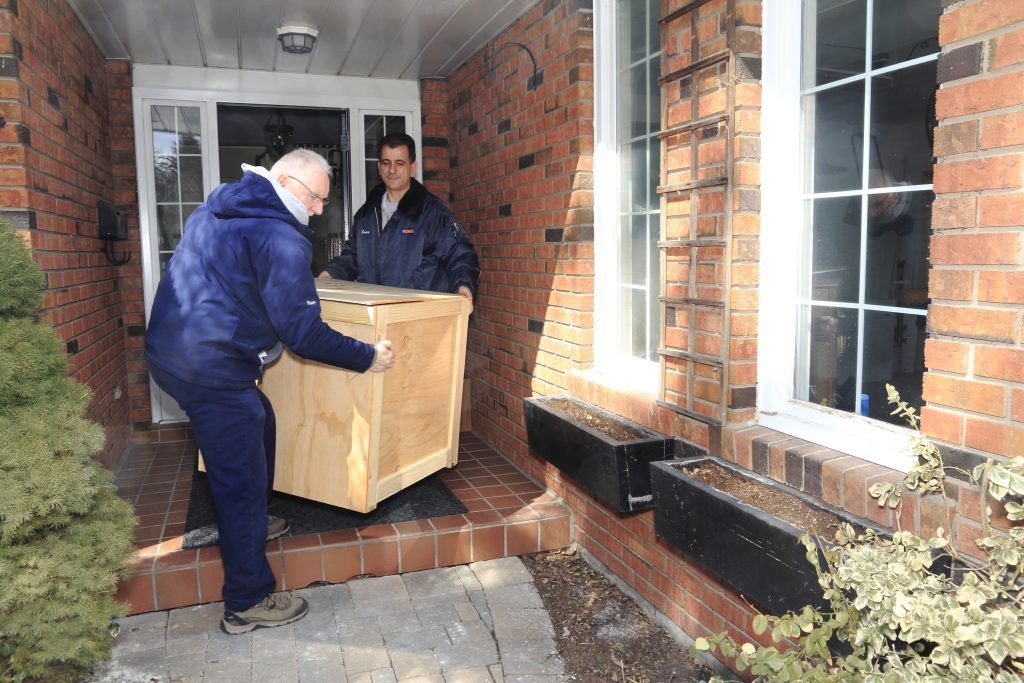
Protection during long transits requires more than simple cardboard boxes; it necessitates professional-grade materials and technique. Proper preparation in Denver will pay dividends upon arrival in Toronto, as intact belongings allow you to settle in much faster. Using the right techniques ensures that your high-value items survive the vibration and temperature fluctuations of a multiday road trip.
Strategies for protecting high-value items during long hauls
High-value items require specialized crating and cushioning to minimize shifting during transit. Using custom-built wooden crates for delicate artwork or electronics provides much higher structural protection than a standard box. Discussing specific crating needs with your moving coordinator helps define exactly which possessions require extra shielding before the moving team arrives.
Inventory management for complex international shipments
Maintaining a precise, digital inventory of every box and piece of furniture is a non-negotiable step for long-distance shipping. This record is used not only for your peace of mind but also for customs clearance and insurance verification. A well-categorized inventory ensures that your claim process remains straightforward and efficient in the unlikely event of damage.
Using climate-controlled storage for transition windows
Often, the timeline of a move doesn’t align perfectly with the availability of your new home. Utilizing climate-controlled storage prevents damage caused by the extreme temperature differences and humidity variances found during long-distance transport. This facility acts as a safe harbor for your goods until you are ready for final delivery.
What to expect during the transit and delivery process
Reliable communication is a hallmark of an effective long-distance mover like Taylor International. Clients should receive consistent updates, allowing them to track the progression of their shipment through the network. Understanding the transit sequence helps you coordinate your own travel plans to arrive shortly before the move enters its final stages.
Managing expectations from initial estimate to final delivery
The move process moves through several distinct phases: planning, survey, transit, border crossing, and delivery. It is standard for the duration to depend on seasonal factors, weather on the route, and the specific destination. Anticipating a dynamic schedule prevents unnecessary stress during the wait for your arrival in Toronto.
Communication and tracking protocols for long-distance transit
Modern movers offer detailed tracking systems that allow you to observe your shipment’s status during each stage of the long-distance trek. You should have direct access to a dedicated coordinator who can answer technical questions about your freight. This level of access ensures that you remain informed about your belongings, even as they cross vast distances.
Finalizing the delivery: setup and support in your new home
The final delivery step involves both unloading and carefully inspecting your inventory against the original packing list. Having a team that performs professional setup—such as reassembling furniture or removing crating materials—expedites your transition to a functional household. It is important to review your shipment thoroughly upon arrival and ensure you have signed the release forms correctly.
Making the transition to Toronto seamless
Adjusting to a new city requires preparation beyond your physical inventory. From understanding local housing regulations to connecting with essential services, the transition into your Toronto home is an important part of the journey. Once you arrive, you can get a quote to help coordinate any final logistical needs for local storage usage.
Adjusting to life and residential regulations in Ontario
Toronto has its own set of municipal ordinances and residential standards that may differ from your experience in the US. Researching local parking permits for the moving truck, waste management schedules, and local building protocols will make your entry into the neighborhood manageable. Integrating into your community is easier when you understand the local rhythm early on.
Leveraging professional move coordination services
Expert coordinators bridge the gap between initial logistics and final settling. They provide guidance on matters like things to do in the area or managing residential paperwork, ensuring that you don’t feel lost during the first few weeks of discovery. Professional support keeps your relocation schedule on track even when unforeseen local challenges arise.
Tips for a smooth adjustment after your cross-border move
Focus on your immediate needs first: unpack your essentials immediately, update your contact information for local banking, and secure any necessary residential keys. Balancing your setup tasks with exploration of the city helps keep you from becoming overwhelmed. A methodical approach to settling in ensures that your cross-border relocation concludes successfully.
Conclusion
Executing a cross-border move from Denver to Toronto is a significant undertaking that benefits greatly from expert preparation and quality-first coordination. By partnering with a team like Taylor International, you gain a partner who understands the complexities of US-Canada transit and helps manage the essential documentation and logistics required for a successful arrival. With careful planning and attention to protective packing, you can confidently transition to your new life in Ontario.
Frequently Asked Questions
How are cross-border moving costs generally calculated?
Costs are typically determined based on the total weight or volume of your shipment, the driving distance involved, and any specific services such as crating or climate-controlled storage.
What are the most critical documents for a Canada-US move?
Essential documents include valid passports, visas, detailed household goods inventories, and any specific forms required by the Canada Border Services Agency for your personal belongings.
Can I move my personal vehicle across the border?
Yes, personal vehicles can be transported, but they must meet specific import requirements, environmental compliance, and safety standards dictated by the Canadian government.
How does an active visa impact my move?
An active visa is often a prerequisite for your household goods to clear customs as personal effects, so ensuring your documentation is active and accurate before your arrival is crucial for approval.
How long should I expect the entire move to take?
Transit times fluctuate based on your origination point, border crossing status, and the volume of your items, but you should discuss specific time estimates with your moving coordinator during the planning survey.
What items should I avoid including in my shipment?
Prohibited items generally include perishable foods, firearms, certain plants, and hazardous liquids; you should consult with your mover to receive the most current list of excluded goods.
What should I do if my items are delayed at the border?
Clear communication with your moving company is essential if delays occur, as they are equipped to navigate customs procedures and communicate with authorities to resolve issues on your behalf.
Leave a Comment