Moving from Tampa to Toronto: A guide for your cross-border relocation

Key Takeaways
Moving between countries requires careful preparation and coordination, especially when crossing international borders. These essential pointers help you manage the logistics effectively.
- Start your relocation planning at least three months in advance to ensure all permits and schedules align.
- Partner with experienced cross-border specialists to navigate complex customs regulations without unnecessary delays.
- Maintain an updated inventory of all household goods to speed up the inspection process at the border.
- Prioritize climate-controlled storage for long-distance transit to protect sensitive items from extreme humidity and temperature swings.
- Verify all visa and status documentation early to prevent potential issues during the terminal check-in stage.
Understanding the cross-border move from Tampa to Toronto
Transitioning your life from Florida to Canada involves more than just a long distance drive. It requires an understanding of regulatory environments and logistics management that differ significantly from simple regional relocations. Tampa to Toronto movers must balance strict adherence to international shipping laws while ensuring the safety of your assets throughout the journey.
Key differences between regional and international relocation
Unlike moving within the same province or state, an international move demands strict compliance with customs authorities and border safety protocols. You must coordinate across different fiscal systems and legal jurisdictions when moving household goods. Experienced teams like Taylor International Movers understand that international logistics require a deeper level of oversight than standard local shifts.
Establishing a realistic timeline for your move
Setting a schedule is critical when you are dealing with potential inspection bottlenecks and long-haul transit times. Many families find that beginning the process as soon as they commit to a move date allows for proper preparation of essential paperwork. You can discover the resurgence of professional support as you align your personal schedule with the availability of specialized international transport units.
Budgeting for common international logistics fees
Managing your finances for such a significant relocation requires foresight regarding cross-border specific costs. You will encounter various fees related to customs clearance, potential duty charges on certain items, and the specialized documentation needed for your cross-border moving options. It is helpful to consider the following common expenses in your initial budget:
- Professional packing supplies and custom crating services
- Customs brokerage and inspection fees for household shipments
- Long-distance freight and international transit insurance premiums
- Temporary climate-controlled storage costs while waiting for your permanent residence
Transparent pricing helps you avoid surprises, as you align your resources with the high-class service standards expected in international moves.
Identifying your unique moving needs and service requirements
Every household has different valuables and space needs that dictate the resources required for a move. By assessing whether you need specialized car transport or climate-controlled warehousing early on, you ensure your moving team can plan accordingly. Consult with an expert to see how Taylor International Movers can tailor their exclusive international services to fit your specific inventory.
Essential documentation and customs requirements

Navigating the bureaucratic landscape of the border is often the most challenging part of a relocation. You need to present clear, accurate, and organized documentation to border agents to authorize the entry of your goods. Failure to provide the correct forms can result in severe delays or impoundment of your belongings.
Navigating Canada Border Services Agency requirements
Understanding the specific entry rules for household effects is mandatory for every person crossing the border. The Agency requires that you personally declare all goods and provide an itemized list of everything being shipped from your previous residence. Without this, your belongings simply cannot proceed past the inspection terminal.
Completing personal property forms for household shipments
Accuracy is the ultimate priority when creating your inventory list, as it serves as the primary reference document for customs officers. You should classify your items by room and include photos of high-value objects to prove ownership and condition. This thorough approach is why many people navigate international relocation with the support of dedicated coordinators.
Handling restricted items and prohibited goods
Certain items simply cannot cross the border due to agricultural protections or safety regulations. You must review the list of prohibited products to ensure you are not packing perishables, specific prohibited weaponry, or restricted chemicals. It is always safer to identify these items well before the final pickup day in Tampa.
Managing status and visa documentation for border agents
Your right to land and reside in Canada is separate from the entry of your furniture, yet both move in tandem during the crossing. Ensure you have your work permits and visa approvals finalized before the shipment arrives at the border. If there is a change to your legal status, you should discuss this immediately with your coordination team.
Working with a professional moving coordinator for customs clearance
Having an expert who understands the complexities of border crossing is your best protection against stress. A professional coordinator reviews your paperwork to identify missing links before the truck even departs. This level of oversight ensures that when you choose Taylor International Movers, you get someone dedicated to resolving complex challenges.
Managing your household goods and transit safety
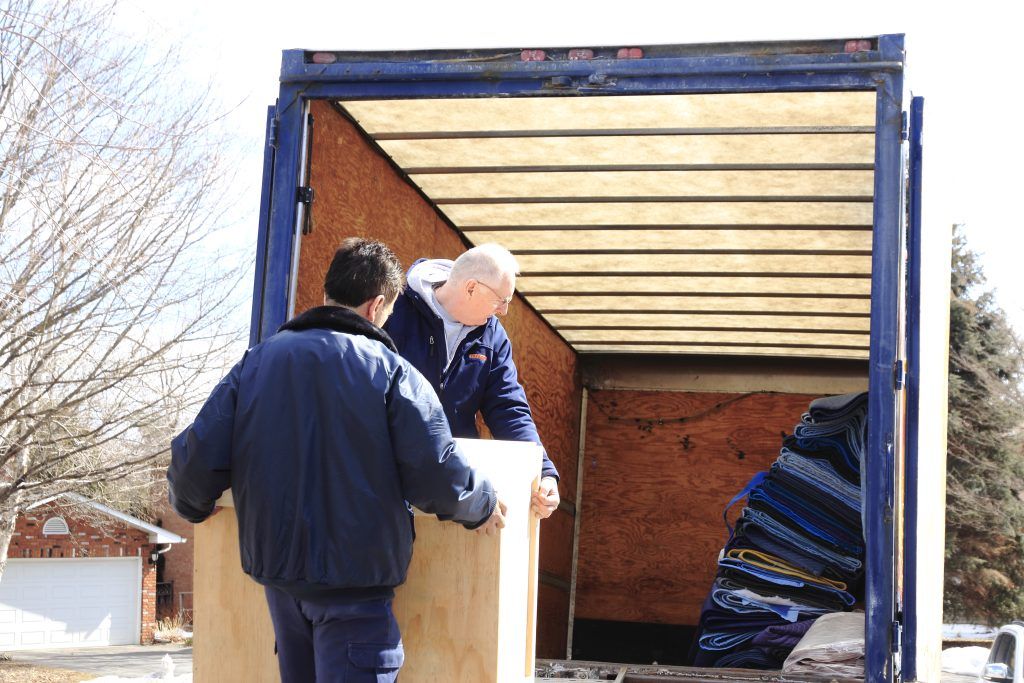
Protecting your possessions over a distance as large as that from Florida to Canada takes advanced planning and high-quality materials. Shifts in road conditions and handling processes across different shipping stages provide regular challenges for cargo stability. You want to ensure your goods are secured using modern protective techniques to withstand the long haul.
Benefits of climate-controlled storage during your move
When your transition involves temporary gaps between move-out and move-in, climate control is non-negotiable for sensitive property. Fluctuations in heat and humidity can ruin delicate electronics, wooden furniture, and heirlooms. Keeping your items in a controlled environment preserves their condition until you are ready for final delivery in the Greater Toronto Area.
Advanced packing techniques for long-distance protection
Moving teams use specific high-density materials to wrap vulnerable items during long-distance transits. This prevents damage from vibration and ensures that corners and fragile surfaces remain intact. Professional techniques go beyond standard boxes, utilizing custom wrapping that accounts for the duration of the international transit.
Assessing the need for custom crating for high-value items
For high-value artwork, glass statues, or complex technical equipment, custom crating provides an extra layer of rigid protection. This creates a solid structure around the object, neutralizing the risks of shifting or impact. It is standard practice to use specific crating designs to prevent damage for high-value shipments.
Logistics of transporting personal vehicles across the border
Bringing a personal vehicle into Canada requires specific title paperwork and adherence to safety import regulations. The vehicle must often comply with Canadian transport standards, and you will need to prove ownership through a clean title. Coordinating this move involves distinct logistics from household goods, often requiring dedicated transport space on an automotive carrier.
Selecting a qualified moving team
Choosing a team requires looking for more than just a large fleet of trucks. You need a partner that maintains a reputation for transparency and provides active monitoring for your shipment. Experience in cross-border corridors is the most significant factor in whether your move feels effortless or chaotic.
Evaluating the experience of cross-border moving specialists
Not all companies have the specialized licenses and logistical networks required for entry into Canada. You should verify that your potential team has handled lanes between the US and the GTHA multiple times. Experience allows a team to anticipate border hurdles before they occur, protecting you from the unexpected.
The importance of having a dedicated move coordinator
A primary point of contact is the most vital asset you have moving internationally. They track your shipment, manage the flow of customs paperwork, and provide you with regular status updates. This communication reduces the guesswork and makes the entire operation predictable.
Understanding insurance and liability coverage for international transit
International moves carry risks associated with multiple handling points and significant travel distances. You must thoroughly understand the limitations of liability coverage and the benefits offered by comprehensive transit insurance. Reviewing the policy ensures your property is financially protected if an unforeseen incident affects the shipment.
Researching reputation and professional track record
Look for evidence of long-term success and customer satisfaction in your target region. A strong history of reliable performance indicates a company that invests in quality controls and personnel training. Before signing, checking the track record helps you feel confident in your decision to hire your moving firm.
Coordinating the moving process from start to finish
Executing a plan across international lines requires synchronized timing and reliable communication throughout the transition. The logistics of loading, crossing the border, and final delivery rely on the cooperation between your team and local transport agents. Successful relocations follow a structured phases method where each step is vetted against the original move plan.
How a professional team executes the pickup in Tampa
On the scheduled pickup day, your team arrives equipped with the necessary tools for an efficient loading process. They focus on protecting surfaces in your old home while carefully securing items into the moving vehicle. It is here that professional crews demonstrate their efficiency through systematic loading strategies that optimize space for the long journey ahead.
Maintaining communication protocols during international transit
Clear updates regarding the location of your items are standard when you have a professional team on your side. These protocols keep you informed about any traffic delays or logistics adjustments, ensuring you are never left guessing about the ETA in Canada. Transparency is the hallmark of a high-quality international moving service.
Managing the delivery and unloading process in Toronto
Final delivery brings the project to a close with as much care as the initial pickup. The team handles the unloading process by placing furniture according to your specific layout needs, managing the transition into your new Canadian residence. They perform a final check of all inventoried items to ensure everything matches your documentation.
Addressing potential delays during customs inspections
Even with the best preparation, unexpected inspections at the border can occasionally cause delays. Having an established communication chain between your coordinator and the customs office allows for fast resolutions. The following table summarizes the estimated transit impact when dealing with these common international logistical challenges:
| Logistical Phase | Expected Variable | Risk Management Strategy |
| :— | :— | :— | :— |
| Customs Inspection | Paperwork Inquiries | Real-time agent communication |
| Cross-Border Transport | Weather or Traffic | Contingency scheduling buffer |
| Final Delivery | Last-Mile Access | Proactive site surveys |
By planning for these variables, you keep the flow of the relocation moving despite the realities of international transit.
Ensuring a smooth arrival in the Greater Toronto Area
Settling into a new country involves several administrative and logistical steps. Accessing the right support during your first weeks helps you transition from the stress of transit to the excitement of your new home. Having established local connections makes this process significantly faster.
Practical steps for your immediate post-move needs
Once your items arrive, focus on getting your primary living spaces functional first. Prioritize unpacking essential household supplies and setting up core services like internet, heating, and local banking accounts. This immediate practical approach helps you feel settled and secure in your new environment.
Accessing local logistics help in the GTHA region
Utilizing local services for help with furniture assembly or house cleaning can save you weeks of effort. Reach out to local professionals who know the area well to ensure your transition into the Greater Toronto Area is efficient. Connecting with area-specific advice makes all the difference when discovering your neighborhood’s unique rhythm.
Transitioning from long-distance transport to local settling assistance
Your moving experience should conclude with the same level of support that began the process. By connecting with local experts who provide reliable settling assistance and neighborhood integration tips, you ensure that the end of your move is as professional as the start. Let us help you get a quote today so we can show you the Taylor difference.
Conclusion
Moving between Tampa and Toronto is a complex endeavor that requires attention to detail, proper documentation, and a partner you can rely on for international operations. By planning effectively, respecting customs regulations, and selecting experienced specialists, you can ensure your transition is efficient and successful. Focus on the logistical steps now so you can focus on building your new life in Canada later.
Frequently Asked Questions
What documents do I need for a Canada–US move?
You will need a valid passport, proof of visa or work authorization, an itemized list of all household items, and proof of residence for both your origin and destination. It is also wise to keep any relevant commercial invoices or proof of value for high-end items to satisfy customs declarations.
What can I bring across the border when I move?
You can bring most personal household effects, including furniture, clothing, and books, provided they are for your own personal use. However, items like fresh produce, certain meat products, specific plants, and restricted chemicals are either prohibited or require special import permits to cross the border.
What items are restricted or should be checked in advance?
Strictly check for agricultural items, fuel, aerosol cans, and any prohibited weapon types before packing. It is best to consult the current list of customs restrictions for household goods to avoid having items confiscated or refused entry at the terminal.
How long does a cross-border move take?
The total transit time depends on the distance, volume of goods, and border inspection schedules. Generally, international relocations require more time than local moves because of the customs clearance steps. Providing an accurate inventory from the start helps your moving team provide a more reliable delivery estimate.
How do active visas affect the move process?
Your legal status in Canada is separate from the physical entry of your goods, but both must remain valid and consistent. You must complete your visa and work authorization procedures before the cargo reaches the border to ensure the goods are permitted to enter. If your status is under review, discuss this with your moving coordinator immediately.
What happens if customs paperwork is incomplete?
Incomplete documentation is the most frequent cause for border delays and may result in your goods being temporarily impounded. Officers may demand additional clarification or proof of ownership, which adds time and potentially extra costs to your shipment. Always aim to have your inventory verified weeks ahead of the move date.
Can I pack my own items for an international move?
While you can pack your own goods, insurance coverage and customs security are significantly stronger for items packed by professionals. Professional packers understand the specific requirements for long-distance stability and border inspection labeling. If you choose to pack yourself, ensure every box is clearly labeled with a comprehensive description of the contents.
Leave a Comment