Moving from Ohio to Ontario Canada: A practical cross-border moving guide
Key Takeaways
Moving from Ohio to Ontario involves more than arranging a long drive. Customs paperwork, inventory accuracy, budgeting, and delivery planning all matter.
- Confirm your Canadian entry and customs documents before booking transportation.
- Build an inventory that matches what is actually loaded on the truck.
- Ask for a quote that explains weight, mileage, packing, storage, and coverage.
- Remove restricted items and prepare fragile or specialty belongings separately.
- Plan delivery around your Ontario address, building rules, utilities, and first-day needs.
Understand the move from Ohio to Ontario
Moving from Ohio to Ontario Canada is a residential relocation across an international border, not simply a longer domestic shipment. Your household goods must be documented, declared, transported, and delivered under a plan that accounts for both countries. The most useful approach is to treat the move as a series of connected decisions, beginning with your Ontario destination and ending with a realistic delivery plan.
How a US-to-Canada household move differs from a domestic move
A domestic move usually centers on the size of the shipment, the distance, and the crew needed to load and unload it. A US-to-Canada move adds immigration status, customs documentation, restricted goods, and border coordination. The carrier needs a clear description of the household goods so the shipment can be reviewed without avoidable confusion.
You should also separate the move itself from your right to enter and settle in Canada. A moving company can help coordinate the transportation process, but immigration permission, work authorization, and other personal requirements should be confirmed with the appropriate Canadian authorities.
Choosing the right Ontario destination for your lifestyle and budget
Ontario includes dense urban neighborhoods, suburban communities, smaller towns, and rural areas. Toronto offers a highly urban setting, while Hamilton, Oakville, Burlington, and communities around the Greater Toronto and Hamilton Area provide different housing and commuting choices. A useful Ontario destination guide can help you compare the character of several communities before you commit to an address.
Think beyond rent or purchase price. Check parking, transit, school or workplace access, elevator availability, street restrictions, and whether your new home can accept a full-size moving truck. These details affect both daily life and the delivery appointment.
Common timelines for planning and completing the move
Start as early as your immigration and housing decisions allow. A move can sometimes be booked on short notice, but an earlier start gives you time to sort belongings, assemble paperwork, obtain estimates, and resolve questions about vehicles or restricted goods.
Your schedule should include the estimate, booking, packing, pickup, border processing, transit, and delivery. Keep a small buffer around your planned arrival date, particularly if your housing possession date is fixed or your shipment includes items requiring additional review.
Residential moving services that can simplify the process
Residential cross-border services may include transportation, packing, custom crating, vehicle moving, storage, and coordination around customs documents. The right combination depends on your shipment and how much preparation you want to handle yourself. Ask for each service to be listed separately rather than accepting a vague full-service description.
For a broader planning reference, the US-to-Ontario moving guide covers the same general sequence of documents, budgeting, customs, and settlement decisions. Use it as a starting point, then tailor the plan to your Ohio origin and Ontario address.
Plan your immigration and customs documents
Paperwork is often the least visible part of a cross-border move, yet it can determine whether the shipment proceeds smoothly. Gather personal entry documents separately from the inventory and transport documents. Keep originals with you, and maintain secure copies that you can access while your household goods are in transit.

Documents you may need to enter and settle in Canada
The exact documents depend on your circumstances, so confirm current requirements with the Government of Canada and any relevant provincial agency. You may need passports, immigration or work-permit documents, a detailed goods list, and supporting information for a vehicle or other regulated item.
Do not pack passports, permits, birth certificates, prescriptions, or other arrival essentials in the shipment. Carry them with you, along with contact information for your moving coordinator and a copy of the signed estimate.
Preparing a detailed inventory of household goods
An inventory should describe what you are bringing, not just how many boxes you expect to have. Group items by room and record meaningful descriptions, quantities, approximate values, and identifying details for high-value belongings. Photograph unusual, fragile, or valuable pieces before packing.
A careful inventory also makes the later delivery check easier. If you add items after the estimate, update the list rather than assuming the change is too small to matter.
Declaring new purchases, restricted items, and high-value belongings
New purchases, gifts, alcohol, food, plants, firearms, and other controlled or restricted goods may require special treatment or should be checked before they travel. Movers generally cannot load common hazards such as fuel, paint, ammunition, liquids, propane tanks, aerosol cans, matches, oil, batteries, or perishable food.
High-value belongings deserve early discussion because they may need custom protection, separate documentation, or a different valuation decision. Do not conceal an item because it seems inconvenient; an accurate declaration is safer than an unexpected question at the border.
How incomplete paperwork can delay delivery
Missing signatures, inconsistent descriptions, or an inventory that does not match the shipment can lead to questions and additional handling. That does not mean every delay is avoidable, but organized records give the carrier and customs professionals something clear to work from.
A practical document folder should contain these items:
- Personal passports, permits, and entry records.
- The signed estimate, service order, and valuation documents.
- The household-goods inventory and photographs of valuable items.
- Vehicle ownership, registration, and import information where applicable.
Review the folder with your coordinator before pickup. If you are moving from another US state as well, the Michigan-to-Ontario planning guide offers a useful comparison for the same customs and inventory principles.
Build an accurate moving budget
A cross-border quote is shaped by the shipment and the work required to move it, not by the origin and destination names alone. Weight, mileage, access conditions, packing, protection, storage, and vehicle handling can all change the final figure. Request a written estimate that distinguishes included services from possible additional charges.
How shipment weight, mileage, and services affect the quote
For long-distance and cross-border moves, pricing commonly considers the weight of the shipment and the mileage traveled. More belongings increase the load, while a longer route increases transportation requirements. Stairs, long carries, parking limits, elevators, and difficult access can also affect the labor plan.
A visual or in-home estimate is more useful than a guess based only on bedroom count. Taylor can use Yembo.AI estimate technology for an immediate estimate, with a sales representative reaching out on the next business day, according to the company’s published information.
Packing, crating, vehicle transport, and storage costs
Packing labor and materials are separate considerations from transportation. Custom crating may be appropriate for valuable items or glass, while vehicle moving requires information about the car and its condition. Storage may be needed when your Ontario home is not ready on the same day the shipment reaches the area.
Ask whether storage is short-term, climate-controlled, or subject to separate handling and delivery charges. Also confirm whether packing is full-service, partial, or limited to specified items.
Currency conversion, insurance, taxes, and border-related expenses
Keep both US-dollar and Canadian-dollar figures visible while comparing quotes. Ask how payments are processed, what valuation coverage applies, whether taxes are included, and which border-related services are part of the estimate. A low headline number can become difficult to compare if one quote includes packing or storage and another does not.
Use this simple comparison when reviewing proposals:
| Cost area | Question to ask | Why it matters |
|---|---|---|
| Transportation | Is mileage or route distance included? | Clarifies the base movement cost. |
| Shipment | How is weight measured or estimated? | Helps explain changes to the quote. |
| Services | Are packing, crating, and vehicle handling separate? | Prevents overlooked add-ons. |
| Protection | What valuation or insurance options apply? | Defines how belongings are treated if damaged. |
| Storage | What are the rates and delivery conditions? | Helps plan if possession dates change. |
The point is not to predict every dollar before the estimate. It is to make the assumptions visible so you can compare like with like.
Why the cheapest quote may not offer the best value
Price matters, but so does the risk attached to unclear scope, weak communication, or limited border experience. A quote that omits packing, storage, valuation, or access needs may look attractive until those requirements appear later.
Look for a service plan that explains who coordinates the shipment, what happens if dates shift, and how claims are handled. A slightly higher, more complete quote may be easier to budget and less stressful to manage.
Prepare your household for cross-border transport
Preparation starts with deciding what deserves the cost and effort of international transport. Ontario homes may differ from your Ohio home in size, layout, climate, and electrical requirements. Sort early, then pack according to the item’s fragility and the conditions it may encounter during handling.
Items movers cannot load on the truck
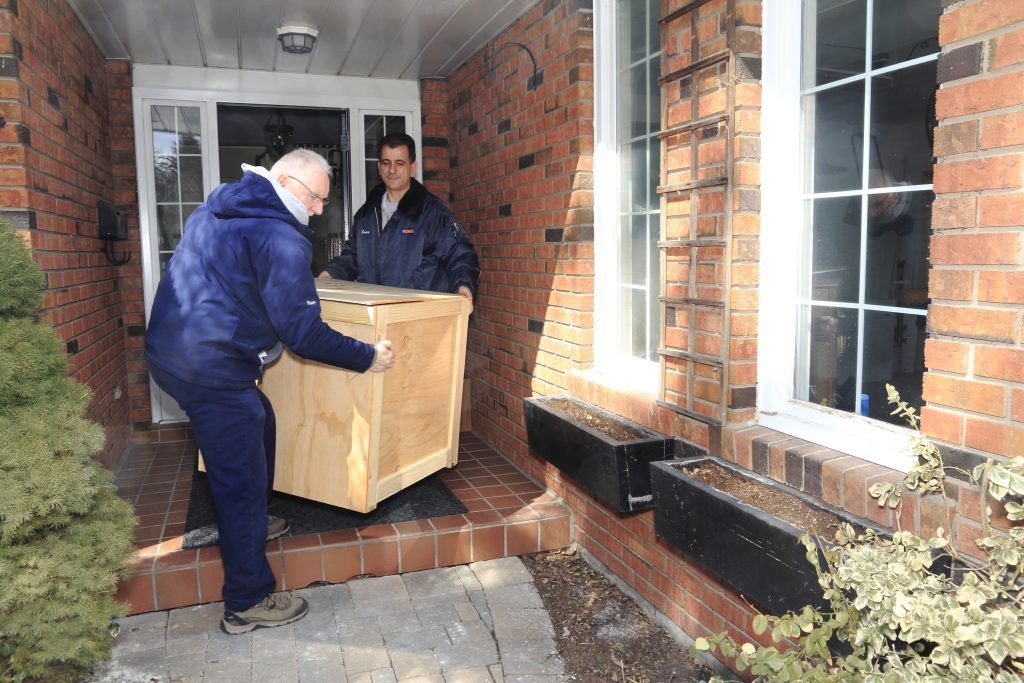
Common prohibited or unsuitable items include perishable foods, fuel, paint, ammunition, liquids, batteries, propane tanks, aerosol cans, gas cans unless purged, matches, oil, and pets. This list is not a substitute for asking about an unusual item, since rules and carrier policies can vary.
Dispose of hazardous materials safely before pickup. Keep pets, important medication, documents, and travel essentials with you rather than placing them in household-goods cartons.
Packing strategies for fragile, bulky, and valuable belongings
Use sturdy cartons, enough cushioning, and labels that identify both the room and the handling concern. Fragile pieces should not be allowed to move inside their cartons, while bulky furniture needs protection at corners and exposed surfaces. Photograph the condition of valuable items before the crew begins.
Professional packing can reduce the time you spend preparing and may provide a more consistent method for securing the shipment. If you pack yourself, ask how owner-packed items are treated under the valuation terms before sealing the boxes.
Preparing appliances, electronics, vehicles, and specialty items
Drain and clean appliances as directed, secure removable parts, and back up important data from computers and phones. Confirm whether Canadian electrical standards or plug differences affect anything you plan to use. Vehicles may require separate ownership, registration, import, and cleaning documentation.
Pianos, artwork, glass, and unusually delicate pieces should be identified during the estimate. Early notice gives the moving team time to discuss disassembly, custom crating, or other handling requirements.
Deciding what to sell, donate, store, or bring
The cost of moving an item is only one part of the decision. Consider replacement cost in Ontario, sentimental value, available space, customs questions, and whether the item is practical in your new home. A measured downsizing effort can make the shipment easier to document and may reduce its weight.
Create four working groups: bring, sell, donate, and store. Finish the decision before the inventory is finalized, because last-minute changes can affect the estimate and the customs paperwork.
Choose a cross-border moving company
The company you choose should be able to discuss the full path from estimate through delivery. Ask about residential Canada–US moves, customs-aware coordination, packing, storage, vehicles, and communication during transit. Avoid relying on a broad promise when a specific question will reveal how the process actually works.
Questions to ask about Canada–US moving experience
Ask how often the company handles US-to-Canada household shipments, who prepares or reviews the inventory, and how border questions are communicated. You should also ask about pickup and delivery windows, subcontracted work, storage options, and what happens if the receiving address changes.
A company that answers clearly may still be unable to guarantee an exact date, but you should understand the planning assumptions behind the schedule. The cross-border moving options page explains different service models, including self-haul, van line, international, and small-shipment approaches.
Verifying insurance, valuation coverage, and claims procedures
Ask for written terms covering valuation, owner-packed goods, exclusions, claim deadlines, and the documents needed to report damage. Confirm whether coverage is based on weight, declared value, or another method. Keep photographs and receipts for items where value is difficult to establish.
Do not treat insurance language as a formality. It is part of the service you are purchasing and should be understood before the crew arrives.
Comparing estimates, service levels, and delivery expectations
Compare the scope of work, not just the total. One quote may include packing and storage while another assumes that you will complete both. Note the estimated weight, access conditions, pickup range, delivery range, payment terms, and any possible shuttle or additional handling charges.
When timing matters, ask what could change the delivery window. Border review, weather, carrier capacity, and a home that is not ready can all affect the plan.
How move coordinators support customs and logistics
A move coordinator can help keep the estimate, inventory, customs information, pickup, transit, and delivery connected. Published service information from Taylor describes a move coordinator team that assists with customs services and specialty logistics such as piano disassembly.
That coordination does not replace your responsibility to provide accurate documents. It does, however, give you a central contact for questions that cross several parts of the move.
Coordinate pickup, transportation, and delivery
Once the move is booked, small operational details become more important. Confirm the pickup address, parking, building access, contact numbers, inventory changes, and expected dates in writing. Give the destination contact equal attention, especially if you are moving into a condo or apartment.
What happens during the in-home estimate and booking process
During an estimate, the mover reviews the rooms, belongings, access, stairs, elevators, large items, and services you may need. This is the time to disclose a vehicle, piano, artwork, storage requirement, or item that may need custom protection. The resulting estimate should make the shipment assumptions understandable.
Before booking, review cancellation terms, payment requirements, valuation options, pickup timing, and the process for adding or removing goods. If you need a faster start, request a moving quote with the origin, Ontario destination, estimated date, and major service needs.
How pickup day works in Ohio
The crew will usually confirm the inventory, protect floors and doorways where appropriate, and load the shipment in a planned sequence. Keep documents, medication, chargers, valuables, and the first-night bag outside the shipment. Walk through the home after loading to check closets, basements, garages, and outdoor storage areas.
Before the truck leaves, review the inventory and note any exceptions. Keep a copy of the paperwork and contact details for the person managing your move.
What to expect while the shipment crosses the border
The shipment may be held for review or require clarification if the documents, declared goods, or entry details are incomplete. Your coordinator should be able to explain the next step, but you should not assume that transit is a continuously trackable journey with a guaranteed arrival date.
Use the transit period to confirm utilities, access instructions, and payment arrangements at the Ontario address. Keep your essentials with you, as household goods may arrive after your personal travel.
Delivery considerations for Ontario homes, condos, and apartments
Check whether the building requires a booking, certificate of insurance, loading-dock reservation, elevator protection, or a specific delivery window. Houses may have narrow streets, seasonal conditions, or limited parking. Send these instructions before delivery rather than expecting the crew to discover them on arrival.
If the truck cannot reach the door, a shuttle or additional carry may be needed. Discuss that possibility during the estimate so the delivery plan and budget reflect the address.
Settle into Ontario after delivery
Delivery is the start of the practical settlement phase, not the end of the move. Work methodically through the shipment, record concerns, and give yourself a few days to handle services that could not be arranged from Ohio. Keep customs and moving records until you are confident the file is complete.
Checking your shipment and documenting any damage
Use your inventory to check cartons and major items as they are placed. Look for visible damage before discarding packing materials, and photograph the item, packaging, labels, and surrounding area if something is wrong. Notify the mover through the stated claims process and keep copies of every communication.
Do not try to repair a damaged item before documenting it or receiving instructions. A clear record makes the review easier.
Connecting utilities, transportation, healthcare, and other essentials
Arrange electricity, water, heating, internet, and waste services according to your municipality and property type. Then make a short list of tasks involving provincial identification, healthcare registration, banking, transportation, schools, and employment. Requirements differ by status and situation, so use official Ontario and Canadian sources for current guidance.
Public transit access varies widely across Ontario. If you are settling in the Greater Toronto and Hamilton Area, compare your address with GO Transit, local transit, roads, parking, and your regular destinations before deciding whether a second vehicle is necessary.
Understanding local moving support in the Greater Toronto and Hamilton Area
After a cross-border delivery, you may still need help moving items between a home, storage unit, condo locker, or local address. Taylor’s local services cover communities in the Greater Toronto and Hamilton Area, including Hamilton, Burlington, Oakville, Mississauga, Toronto, Milton, Brampton, and Ancaster.
That local support is distinct from the Ohio pickup itself. Make sure any additional Ontario service is quoted as a separate stage if it was not included in your original cross-border order.
Planning storage or additional delivery services when needed
Storage can bridge a gap when your lease, closing, renovation, or possession date does not align with the shipment. Ask about the storage facility, access rules, climate control, handling charges, and the process for scheduling final delivery. If only part of the shipment is ready for the home, identify which items should go to a locker or secondary address.
A written release plan avoids confusion later. Include the destination, contact person, access instructions, and a list of items to be delivered at each stage.
Plan Your Ontario Move
When the documents are organized, the inventory is honest, and the quote reflects the real work, moving from Ohio to Ontario Canada becomes much easier to manage. Taylor provides cross-border residential moving services with planning, customs-aware coordination, and support from estimate through delivery. Request a detailed consultation early so your move can be matched to your household, timing, and Ontario destination.
Conclusion
A successful Ohio-to-Ontario move depends on preparation as much as transportation: confirm your status, document your household goods, budget for the full service, and coordinate the details of both addresses. With those pieces in place, you can approach the border and delivery day with a clearer plan and fewer surprises.
Frequently Asked Questions
What documents do I need for a move from Ohio to Ontario?
Requirements depend on your immigration and personal circumstances, but you may need passports, permits or other entry documents, a detailed inventory of household goods, and records for any vehicle or regulated item. Confirm current requirements with Canadian authorities before travel.
How far in advance should I book a cross-border move?
Start as soon as your destination, entry plans, and approximate move date are known. Earlier planning allows time for document review, sorting, estimates, packing, and questions about restricted or specialty items.
How are Ohio-to-Ontario moving costs calculated?
Cross-border pricing commonly considers shipment weight and mileage, along with packing, crating, vehicle transport, storage, access conditions, valuation, and border-related services. Ask for a written estimate that separates included work from possible additional charges.
Can I pack everything myself?
You can ask about owner-packed goods, but confirm how they are treated under the valuation terms. Fragile, high-value, unusually shaped, or specialty items may benefit from professional packing or custom protection.
What items cannot be loaded on a moving truck?
Common examples include fuel, paint, ammunition, liquids, batteries, propane tanks, aerosol cans, matches, oil, perishable food, and pets. Ask the mover about unusual items before pickup and dispose of prohibited goods safely.
How long does a move from Ohio to Ontario take?
Timing depends on the origin and destination addresses, shipment size, service model, pickup and delivery windows, border processing, weather, and whether storage is needed. A mover can provide an estimated range rather than a universal transit time.
What should I do if something arrives damaged?
Photograph the item and its packaging, keep the relevant paperwork, and notify the mover through the stated claims procedure. Avoid discarding evidence or repairing the item until you receive instructions about the claim.
Leave a Comment