Moving from USA to Ontario Canada: A comprehensive relocation guide

Key Takeaways
Moving across international borders requires meticulous planning, an understanding of customs regulations, and the selection of experienced professionals to manage the logistics of your household move. This guide outlines the essential steps for your successful relocation to Canada using a quality-first approach to ensure a smooth transition.
- Start your planning process at least three to six months before your move date to ensure all documentation is ready.
- Organize your household goods into a detailed manifest to comply with the legal requirements of the Canada Border Services Agency (CBSA).
- Budget for additional cross-border costs, including customs duties, brokerage fees, and potential storage expenses.
- Select a logistics partner with specific expertise in cross-border transitions to facilitate border crossing and minimize potential delivery delays.
- Secure all immigration documents in advance to ensure your status as a worker or resident is authorized before your shipment crosses the border.
Preparation and planning for your international move
The process of moving from USA to Ontario Canada is a multifaceted task that demands early coordination. Establishing a clear understanding of the regulatory landscape and the physical requirements for transporting personal items will prevent complications during transit. By focusing on organization, you can maintain stability throughout the transition.
Creating a detailed moving timeline
A structured timeline is the backbone of any large-scale relocation, keeping you focused on critical dates and deadlines. Begin by identifying key triggers in your moving process, such as visa approval dates, lease expirations, or the cutoff for shipping containers.
- Establish your initial moving date and account for transit variables.
- Review all immigration paperwork status to schedule your physical departure.
- Research and book service providers, including cross-border moving experts, well in advance.
- Finalize arrangements for utility transfers in both your current and future residences.
Following a set schedule allows you to manage the inherent stresses of an international relocation while ensuring that no critical task is left until the final week.
Decluttering and downsizing your household before packing
Before you begin the physical packing process, take the time to evaluate your inventory critically. Downsizing is not merely about simplification; it is a practical financial choice as shipping costs for international moves are often tied to the total weight and volume of your shipment.
Moving is the perfect excuse for a fresh start, so sort your items into donate, recycle, or sell piles. As you prepare, you might consider professional international movers like Taylor Moving & Storage to assist in evaluating what is practical to ship versus what might be better replaced after you arrive in your new community.
Budgeting for cross-border moving expenses and hidden costs
Financial clarity is vital when approaching a cross-border transition, as many households often underestimate the total expense of moving across the border. Be prepared for costs that go beyond simple transit fees, such as customs brokerage and potential storage in the transition period.
It is crucial to account for discrepancies in currency exchange rates, taxes, and import documentation filing fees when setting your total budget. Working with a reputable company allows you to receive accurate estimates that account for these international variables.
Navigating customs and documentation requirements

Customs clearance is a highly specific process that requires precision to ensure your household goods move through ports of entry without unnecessary detention. The regulatory bodies governing such transport prioritize accuracy and compliance above all else.
Understanding CBSA import regulations for personal effects
The Canada Border Services Agency (CBSA) maintains strict guidelines for goods arriving from the United States. It is mandatory to understand your eligibility for duty-free entry of personal effects, which generally applies to household items that you have owned, possessed, and used for more than six months.
Using a guide for international relocation can help you categorize your assets properly according to their regulations. Failure to provide accurate declarations for every box can slow your, or your shipper’s, entry significantly.
Preparing an accurate manifest for border clearance
An accurate manifest serves as a legal document reflecting exactly what you are transporting across the border. This list must be itemized clearly, noting descriptions and approximate values for all belongings to meet the requirements of customs officers.
Properly managing this inventory assists your logistics partner in filing the necessary BSF186 Form for personal property imports. Precision here saves significant time and prevents your items from being flagged for further, more invasive inspections.
Coordinating immigration status documents with logistical planning
Your immigration and employment status will dictate which goods can be legally moved and how your household qualifies for residency entry in Canada. Ensure you hold a valid work permit that has been formally activated before your goods arrive at the border to verify your legal status to relocate.
Aligning your arrival date in Canada with the arrival of your goods is a delicate balance. Taylor Moving & Storage offers coordinators who understand how to facilitate this timing, ensuring that your personal status and shipment synchronization remain compliant.
Choosing the right professional moving partner
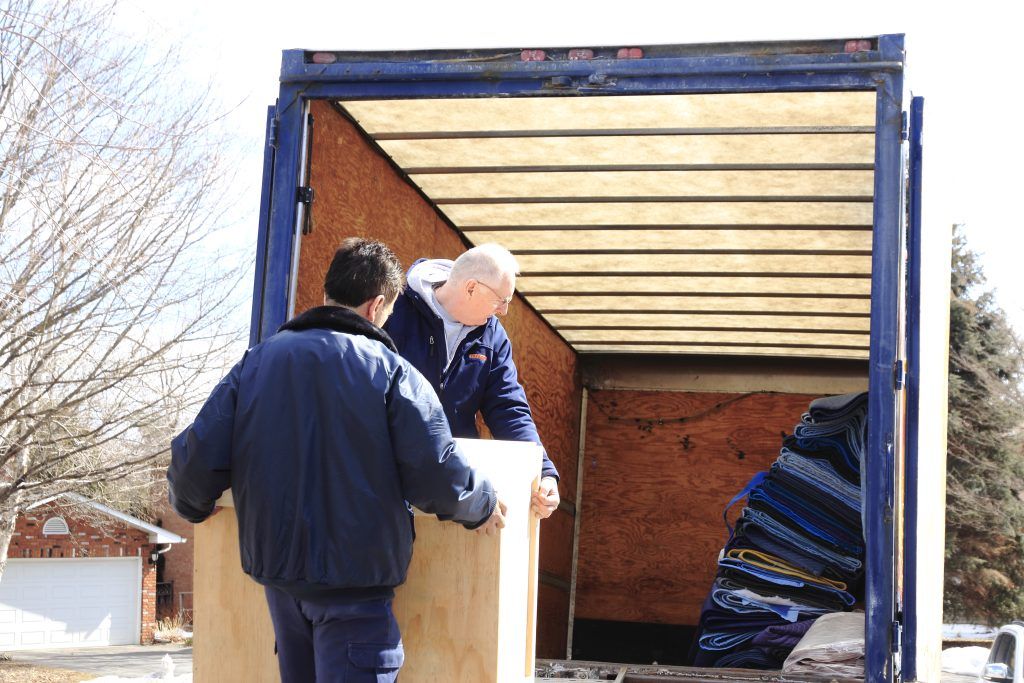
Selecting a moving partner is perhaps the most significant logistical decision you will make throughout this journey. You need a team that acts as more than just a carrier, but as an advisor capable of handling global mobility complexities between countries.
Evaluating cross-border moving experience and licensing
Verify that any firm you consider has extensive experience with the specific routes you intend to travel. A company qualified in cross-border relocation will provide you with evidence of their knowledge of federal regulations and provide internal support for complex documentation.
How to verify professional credentials and insurance coverage
Always ask for proof of adequate liability and cargo insurance coverage before signing a contract. A professional mover should be clear about exactly what their insurance policy covers and whether there are gaps regarding owner-packed items versus professionally packed household goods.
Comparing quotes based on value rather than just pricing
When reviewing bids, look beyond the bottom line and evaluate what is included in the service package. The cheapest bid often omits crucial protections, whereas a high-value service provider takes care of your transition from start to finish.
Logistics: getting your household goods across the border
Getting your household items from a point in the United States to your new home in Canada requires consistent communication and planning. Whether you are using air, sea, or land freight, your international moving company should use transparent tracking and modern technology to keep you updated.
Managing expectations for transit times and delivery schedules
Transit times for cross-border moves are significantly more variable than local moves due to customs inspection queues and long-distance transport logistics. The table below outlines how specific factors influence your final delivery window.
| Factor | Impact on Transit | Mitigation Strategy |
|---|---|---|
| Seasonal Demand | High potential for delays | Book at least 3 weeks ahead |
| Customs Inspection | Random, 2-5 days extra | Ensure clear manifest file |
| Border Traffic | Variable, 1-2 days | Monitor transit routes daily |
These variables are part of the process, but working with a professional international mover who tracks these trends will help you manage your expectations realistically.
Utilizing climate-controlled storage for transitional periods
If your housing dates do not align with your arrival in Canada, climate-controlled storage is essential to protect delicate items. Taylor Moving & Storage provides specialized facilities that safeguard your assets from extreme temperature swings and humidity during long-term storage.
Reviewing restricted and prohibited items for border entry
Before packing, review the current list of prohibited items for import to Canada, as customs regulations often change. Items like specific types of alcohol, large collections of plants, or certain hazardous materials may be restricted or require specific import permits before they can be loaded onto an international transport vehicle.
Settling into your new life in Ontario
Transitioning to life in Canada is a significant change, involving everything from adapting to a different climate to navigating Ontario’s regional transit structures. Take the time to settle in before over-committing to new responsibilities.
Selecting the ideal city and neighborhood for your lifestyle
Ontario offers diverse living options, from the bustling urban sprawl of Toronto to the waterfront charm of Oakville or the scenic landscape of Burlington. Choosing the right location is key to your quality of life, so prioritize proximity to your commute and family-friendly amenities.
Understanding regional transit and infrastructure for daily commutes
Ontario boasts a comprehensive transport infrastructure, including the GO Transit system that connects many key suburbs to major employment hubs. Understanding how the transit network works before you finalize your housing choice will simplify your daily life significantly.
Exploring economic opportunities in major Ontario employment hubs
Ontario is a strong economic engine with robust sectors in technology, finance, manufacturing, and global services. Research local job markets early and network with peers in your field to identify potential growth opportunities within the Canadian headquarters of international firms.
Conclusion
Moving to Canada is a major life milestone that requires diligent preparation, adherence to complex customs rules, and the support of experienced professionals to manage your logistics. By focusing on quality planning and leveraging the right partnerships, you make the transition to your new home in Ontario a seamless, efficient, and positive experience.
Frequently Asked Questions
What documents do I need for a Canada–US border move?
You will need a valid passport, proof of your visa or residency status, an itemized list of all household goods, and your formal inventory manifest, along with any specific permits for specialized goods like vehicles.
How long does it take for a cross-border move to complete?
Transit times vary based on the distance between the origin and destination and internal customs processing; typically, you should allow for several weeks or more for the entire door-to-door process.
Can I move perishable food items across the border?
Most perishable goods, including fresh produce, meat, and certain dairy products, are restricted and should not be included in a household shipment to avoid customs issues and potential fines.
What is the advantage of using a professional move coordinator?
A professional coordinator acts as a single point of contact who understands complex international logistics, helps you navigate, and communicates with customs officials on your behalf to ensure compliance.
Are there restrictions on moving a personal vehicle to Canada?
Yes, there are strict requirements for importing a vehicle, including safety inspections, compliance with Canadian vehicular standards, and the payment of specific taxes and duties depending on where the car was manufactured.
Do I need to be present when my goods cross the border?
While you generally do not need to be physically in the truck during crossing, there are specific forms and declarations you must personally submit or have filed by your authorized broker in advance of the goods’ arrival at the port.
Should I buy additional insurance for an international move?
It is highly recommended to review international transit insurance coverage to ensure your assets are protected against the risks associated with long-distance travel, including mechanical issues or unexpected weather-related claims.
Leave a Comment