Moving Long Distance in Canada: Your Essential Guide
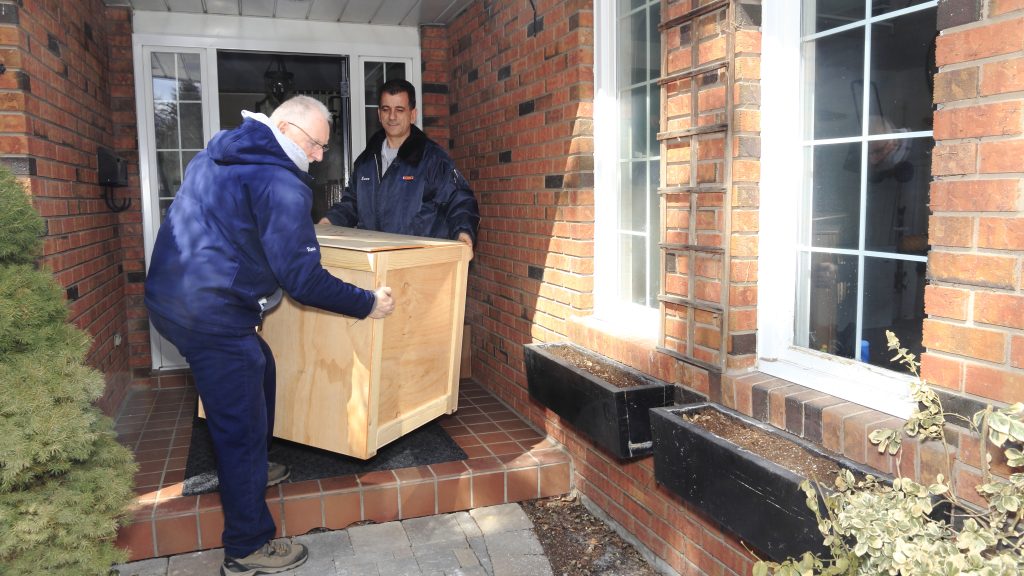
Planning a move across Canada can feel like a huge task. You’ve got a lot of ground to cover, and figuring out the best way to get your stuff from point A to point B is a big part of it. This guide is here to help break down the process of moving long distance in Canada, from understanding the costs to picking the right company and getting everything ready. We’ll cover the basics so your big move goes as smoothly as possible.
Key Takeaways
- When moving long distance in Canada, costs are usually based on the weight of your belongings and the distance you’re traveling. Things like packing services, special item handling, and the time of year can also affect the price.
- Getting multiple quotes from different moving companies is a smart move. Don’t just go for the cheapest one; look at what’s included, their reputation, and if they seem like a good fit for your specific needs.
- Start planning your move well in advance. Booking your movers early, especially during busy seasons, can help you get the dates you want and potentially better rates.
- Proper packing is super important for long-distance moves. Use good quality boxes and pack items securely to prevent damage during the long journey. Label everything clearly so you know what’s inside and where it should go.
- When considering a move to areas like the Greater Toronto Area, Burlington, Hamilton, or Oakville, remember that each city has its own vibe and benefits. Researching these places can help you settle in faster and find what you’re looking for.
Planning Your Long-Distance Move Across Canada
Moving your life from one end of Canada to the other is a big deal. It’s not like just popping over to the next town; this is a whole new province, maybe even a different time zone. Thinking about it all can feel a bit overwhelming, right? But with some solid planning, you can make this huge transition feel much more manageable. It’s all about breaking it down into steps and knowing what to expect.
Understanding the Scope of Long-Distance Moving
When we talk about long-distance moving in Canada, we’re talking about covering serious ground. We’re talking about moving from, say, Halifax to Vancouver, or Calgary to Montreal. These aren’t short hops. The distance alone means more time, more resources, and more careful coordination. It’s more than just packing boxes; it’s about logistics, timing, and making sure your belongings arrive safely, no matter how many kilometers are between you and your new home. This kind of move requires a different level of preparation than a local one.
Key Factors Influencing Your Moving Timeline
So, how long does all this take to plan and execute? Well, it depends. Several things play a role in how far out you need to start planning and how long the actual move will take.
- Distance: Obviously, the further you’re going, the longer it will take. A move from Toronto to Ottawa is different from a move from Edmonton to St. John’s.
- Time of Year: Summer is peak moving season, which means more demand and potentially longer wait times for movers. Winter moves can be slower due to weather, but sometimes offer more availability.
- Volume of Belongings: The more stuff you have, the more time it takes to pack, load, and transport.
- Services Needed: Are you just getting transport, or do you need packing, unpacking, or storage services? These add layers to the timeline.
Planning ahead is key. For a cross-Canada move, aiming to book your movers at least 2-3 months in advance is a good starting point, especially if you’re moving during the busy summer months. This gives you time to compare companies and secure your preferred dates. For a more detailed look at what goes into planning, check out this guide to moving across the country.
When to Book Your Long-Distance Movers
Booking your movers is one of those things you don’t want to leave to the last minute. For a move that spans hundreds or thousands of kilometers across Canada, you’ll want to get this sorted out well in advance. Think of it like booking a flight for a major holiday – the earlier, the better.
- 8 Weeks Out: Start researching and getting quotes from different moving companies. This gives you time to compare prices and services without feeling rushed.
- 6 Weeks Out: Make your decision and book your chosen moving company. Confirm your dates and understand their cancellation policy.
- 4 Weeks Out: Finalize your packing plan and start decluttering. Confirm details with your mover, like pickup and delivery windows.
Leaving this too late can mean limited availability, higher prices, or settling for a company that isn’t the best fit for your needs. Getting this booked early sets a positive tone for the rest of your move.
Calculating the Costs of Moving Long Distance in Canada
Moving across Canada is a big undertaking, and figuring out the cost is a major part of the puzzle. It’s not just about the distance; a lot of things play into the final price tag. Understanding these factors can help you budget more effectively and avoid surprises.
How Long-Distance Moving Costs Are Determined
When you get a quote for a long-distance move within Canada, it’s usually based on a few key elements. The most common methods involve either weight or volume, and sometimes a combination of both. Movers need to account for the sheer amount of stuff you’re taking with you. The further you’re going, the more fuel and time it takes, which also adds to the cost. Think of it like this: moving from Toronto to Vancouver is going to cost more than moving from Toronto to Ottawa, simply because of the miles involved.
- Weight of your belongings: The heavier your items, the more it generally costs to move them.
- Distance of the move: Longer distances mean more fuel, driver hours, and wear and tear on the trucks.
- Time of year: Moving during peak seasons (like summer or the end of the month) can sometimes be more expensive due to higher demand.
- Services required: Do you need packing, unpacking, or storage? These extras will add to the overall cost.
Factors That Impact Your Moving Estimate
Beyond the basics, several other things can influence your moving estimate. The accessibility of your current and new homes is a big one. If movers have to carry items up many flights of stairs or navigate tight driveways, it takes more time and effort, which translates to higher costs. The complexity of your move also matters. Are you moving a small apartment or a large family home? Do you have any particularly large or heavy items, like a grand piano or a safe? These require special handling and can increase the price. It’s always a good idea to get a detailed breakdown of what’s included in your estimate. You can use a moving cost calculator to get a general idea, but a personalized quote is best.
Understanding Variations in Moving Quotes
It’s pretty common to get different quotes from different moving companies, and that can be confusing. Why the difference? Well, some companies might estimate based on the cubic feet your items take up, while others focus strictly on weight. You might also find that some quotes include services that others don’t. For example, one company might charge extra for packing materials, while another includes them. Always compare quotes apples-to-apples, looking at what services are included and what the total estimated cost is. Don’t just go for the cheapest option without understanding what you’re getting. Sometimes, a slightly higher quote can mean better service, less stress, and fewer problems down the line. Using a weight calculator can help you get a more accurate picture of your belongings’ volume and weight, which can be useful when comparing estimates.
The cheapest quote isn’t always the best value. A lower upfront price might hide extra fees or lead to problems like delays or damage, which can end up costing you more in the long run. It’s about finding a balance between cost and the quality of service you receive.
Choosing the Right Long-Distance Moving Company
Finding the right moving company for a long-distance move across Canada can feel like a big task. It’s not just about getting your stuff from point A to point B; it’s about trusting someone with your belongings for a significant journey. You want a company that understands the unique challenges of moving within Canada, from varying weather conditions to the sheer distances involved.
Evaluating Moving Company Services and Value
When you’re looking at different moving companies, don’t just go for the cheapest option. Think about what you’re actually getting for your money. A good company will be upfront about their services and what’s included. This means understanding their packing options, whether they offer storage if needed, and how they handle fragile items. The best value often comes from a company that balances cost with quality service and reliability.
Here’s a quick look at what to consider:
- Reputation: Check reviews and testimonials. Look for companies with a solid history of successful long-distance moves within Canada. Companies like Great Canadian Van Lines have decades of experience.
- Services Offered: Do they provide full packing, partial packing, or just the loading and transport? What about specialized items like pianos or artwork?
- Insurance and Protection: What kind of coverage do they offer for your belongings during the move? Understand the different levels of protection available.
- Communication: How easy is it to get in touch with them? Do they provide a dedicated contact person for your move?
Choosing a mover is a significant decision. It’s worth taking the time to research and compare your options thoroughly. A little extra effort upfront can save you a lot of stress down the road.
What to Expect During the Moving Process
Once you’ve picked a company, it’s good to know what the process will look like. Most reputable movers will have a structured approach:
- Initial Consultation and Estimate: This is where they assess your moving needs, provide a quote, and discuss timelines.
- Pre-Move Planning: The company will confirm details, discuss packing strategies, and answer any last-minute questions.
- Packing and Loading: On moving day, the crew will carefully pack (if you’ve opted for it) and load your belongings onto the truck.
- Transportation: Your items will be transported to your new Canadian destination.
- Unloading and Setup: Upon arrival, the movers will unload your items and help place them in your new home.
Navigating the Estimate to Delivery Journey
Getting from the initial estimate to the final delivery involves several steps. It’s important to have a clear understanding of each stage. The estimate you receive should be detailed, outlining all costs and services. Don’t hesitate to ask questions if anything is unclear. Remember, a transparent estimate is a sign of a trustworthy moving company. You can find resources to help you compare expenses and find top-rated movers across Canada to make this journey smoother. Discover reputable moving companies that fit your needs.
Preparing for Your Canadian Long-Distance Relocation
Moving across Canada is a big undertaking, and getting ready for it is half the battle. It’s not just about packing boxes; it’s about planning, organizing, and making sure everything goes smoothly from your old place to your new one. Think of it like getting ready for a big trip, but with way more stuff.
Essential Steps for a Smooth Transition
Getting organized early is key. You don’t want to be scrambling at the last minute. Start by making a list of everything you need to do. This could include things like notifying your bank and other important institutions of your address change, setting up utilities at your new home, and figuring out what to do with your current home. A good timeline can really help keep you on track. For instance, starting to sort through your belongings and decluttering about 6-8 weeks before your move date is a smart move. This gives you plenty of time to decide what to keep, donate, or sell. It also means less for the movers to handle, which can save you money.
- Declutter ruthlessly: Go through every room and closet. If you haven’t used something in a year, it’s probably time to let it go.
- Create a moving binder: Keep all your important documents, quotes, and checklists in one place. This is a lifesaver when you need to find something quickly.
- Notify relevant parties: Inform your employer, banks, insurance providers, and any subscription services about your upcoming move.
- Plan for pets and children: If you have pets or kids, think about how to keep them safe and comfortable during the packing and moving process. Maybe arrange for them to stay with a friend or family member on moving day.
A well-prepared move reduces stress significantly. It’s about anticipating potential issues and having a plan in place to deal with them, rather than reacting to problems as they arise.
Packing Strategies for Long-Distance Moves
When you’re moving a long distance within Canada, packing needs a bit more thought. You want your items to arrive in the same condition they left. Using sturdy boxes is a given, but how you pack them makes a difference. Don’t overpack boxes, especially with heavy items like books. Distribute weight evenly. For fragile items, use plenty of cushioning material like bubble wrap or packing paper. Labeling boxes clearly with their contents and the room they belong in at your new home is also super important. This makes unpacking so much easier. Consider using wardrobe boxes for clothes to save time and prevent wrinkles. For electronics, it’s a good idea to take photos of the wiring before unplugging them, so you know how to reconnect everything later. This can save you a lot of head-scratching when you arrive.
Ensuring Protection for Your Belongings
Protecting your belongings during a long-distance move is about more than just bubble wrap. It’s about understanding what’s covered and how your movers handle your items. When getting quotes, ask about their policies on damaged goods. Some companies offer different levels of protection or insurance. Make sure you understand what each option means for you. For valuable items, like jewelry or important documents, it’s best to transport these yourself. Don’t pack them on the moving truck. Also, consider how items will be handled during loading and unloading. A reputable moving company will have trained staff who know how to secure furniture and boxes properly to prevent shifting during transit. If you’re packing yourself, ensure boxes are sealed well and not overstuffed, as this can lead to them breaking open or items inside getting damaged. Taking inventory of your items before they are loaded can also be helpful, just in case anything goes missing. This is a good step to take as part of your moving timeline.
Special Considerations for Canadian Moves

Residential Moves Within Canada
Moving across Canada is a big deal. It’s not like moving across town; the distances are huge, and the weather can really throw a wrench in things. Think about moving from Toronto to Vancouver – that’s thousands of kilometers! You’ve got to plan for different climates, road conditions, and just the sheer logistics of getting your stuff from one coast to the other. It’s important to pick movers who really know the Canadian landscape. They should be able to tell you about potential delays due to snow in the Rockies or construction season in the summer. Understanding the scope of long-distance moving within Canada is the first step to a successful relocation.
Here are a few things to keep in mind:
- Climate Differences: Moving from the Prairies to the Maritimes means dealing with entirely different weather patterns. Your movers need to know how to protect your belongings from extreme heat or cold.
- Provincial Regulations: While not as complex as international moves, some provinces might have specific rules or taxes that could affect your move.
- Service Availability: Depending on your exact destination, not all moving companies might service every remote area. It’s good to confirm this early on.
Planning ahead is key. The further you’re moving within Canada, the more time you’ll need to book your movers and pack your belongings. Don’t underestimate the time it takes to get everything sorted.
Navigating Cross-Border Moves to the US
When you’re moving from Canada to the United States, it’s a whole different ballgame compared to just moving across provinces. You’re dealing with customs, different regulations, and a whole lot of paperwork. It’s not just about packing your boxes; it’s about making sure you have all the right documents for border crossing. Things like your visa status, what you can and can’t bring across, and how customs duties work are all important details. Moving from Canada to the US requires careful attention to these cross-border specifics.
Key aspects to consider include:
- Customs Declarations: You’ll need to declare all your household goods. Mistakes here can lead to delays or even fines.
- Prohibited Items: Certain items might be allowed in Canada but not in the US, and vice-versa. It’s wise to check the latest regulations before you pack.
- Vehicle Importation: If you’re bringing a vehicle, there are specific procedures and inspections required.
Corporate Relocation Services
For businesses moving employees, whether it’s within Canada or internationally, corporate relocation services are a lifesaver. These services go beyond just moving furniture. They often include help with finding housing, school searches for families, and managing all the logistics so the employee can focus on their new role. For companies, it’s about making the transition smooth for their staff, which helps with productivity and employee retention. A well-managed corporate move shows your employees you value their transition.
Corporate relocation packages can include:
- Pre-move Assessments: Understanding the employee’s needs and the scope of the move.
- Logistical Coordination: Arranging packing, transportation, and unpacking.
- Destination Services: Assistance with settling into the new location, like setting up utilities or finding local resources.
Moving long distances across Canada presents unique challenges due to the country’s geography, infrastructure, and climate. These factors make it significantly more complex than local moves.
Making Your Move to a New Canadian City
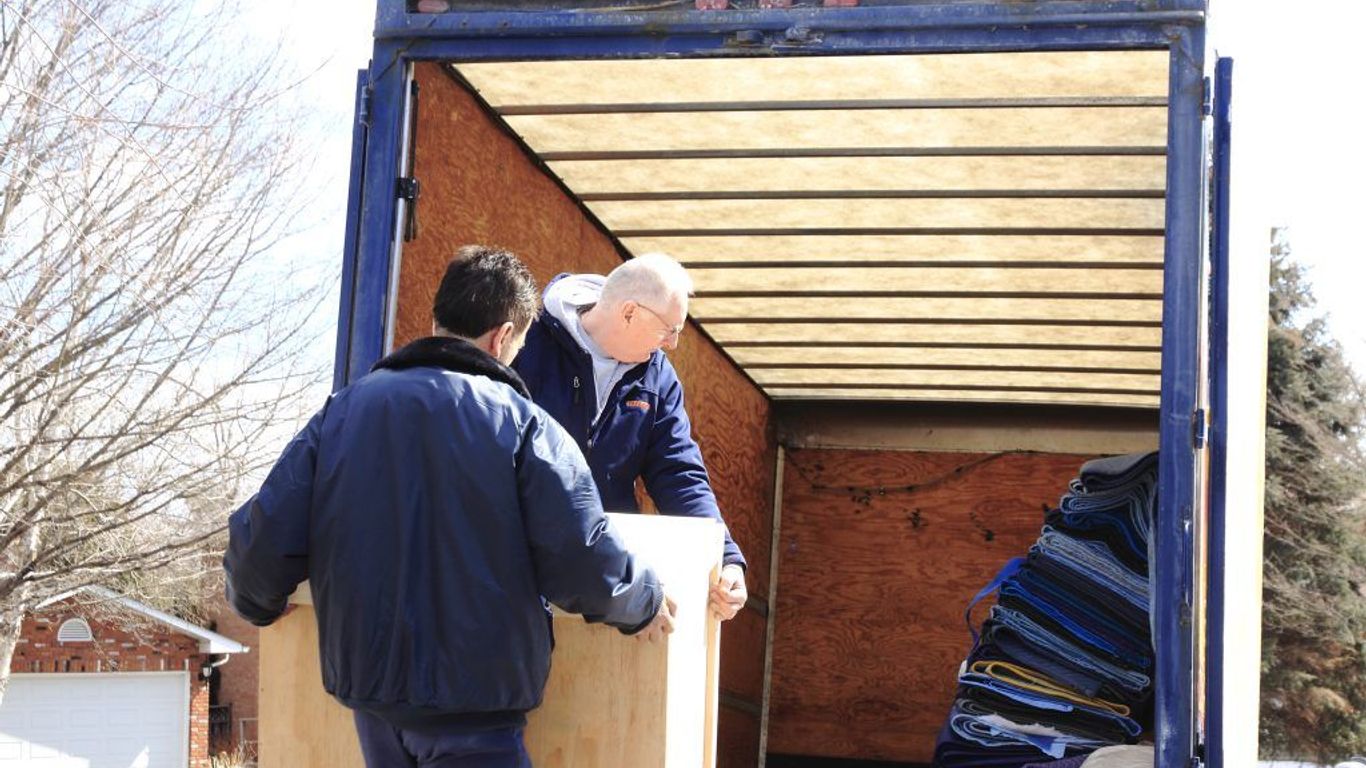
Relocating to the Greater Toronto Area
Moving to the Greater Toronto Area (GTA) is a big step, and it’s understandable to feel a mix of excitement and maybe a little overwhelm. This region is Canada’s largest metropolitan area, offering a huge variety of lifestyles, job markets, and communities. From the bustling downtown core of Toronto itself to the more suburban vibes of surrounding cities, there’s a place for almost everyone. When planning your move here, think about what kind of environment you’re looking for. Do you want to be right in the middle of the action, or would you prefer something a bit quieter with easier access to nature? The GTA has it all, but it’s important to figure out your priorities before you start packing.
Settling into Burlington’s Lifestyle
Burlington, situated on the shores of Lake Ontario, offers a really nice balance. It’s got that friendly, community feel but still provides access to big-city amenities thanks to its location within the GTA. People often move here because it feels a bit more relaxed than downtown Toronto, yet it’s close enough for commuting or day trips. You’ll find beautiful waterfront parks, a lively arts scene, and a generally high quality of life. It’s a popular spot for families, but professionals also find it appealing due to the strong local economy and good transportation links. Burlington really shines with its blend of natural beauty and accessible urban living.
Discovering Opportunities in Hamilton
Hamilton is another gem in the Golden Horseshoe region, known for its industrial roots but now boasting a diverse and growing economy. It’s often seen as a more affordable option compared to Toronto, while still offering plenty of job opportunities, especially in healthcare, education, and advanced manufacturing. The city is also famous for its numerous waterfalls and extensive park system, making it a great place for outdoor enthusiasts. Hamilton has a vibrant arts and culture scene, with many festivals and events happening throughout the year. It’s a city that’s really transforming and offers a lot for those looking to put down roots.
The Appeal of Moving to Oakville
Oakville is often described as one of Canada’s most desirable places to live, and for good reason. It offers a high standard of living with beautiful residential areas, excellent schools, and a strong sense of community. Located conveniently between Toronto and Hamilton, it provides easy access to major employment centers while maintaining its own distinct charm. Oakville is known for its picturesque downtown, numerous parks, and a thriving arts and culture scene. It’s a place where you can find a peaceful environment without being too far from the excitement of larger cities. If you’re looking for a well-rounded lifestyle with plenty of amenities, Oakville is definitely worth considering.
Choosing the right city within the GTA or surrounding areas is a big decision. It’s not just about finding a house; it’s about finding a community that fits your lifestyle, career goals, and personal preferences. Take the time to research different neighborhoods and cities to make sure your new Canadian home is the perfect fit for you and your family.
Here’s a quick look at some key aspects when comparing these cities:
| City | Key Features | Lifestyle Appeal |
|---|---|---|
| Toronto | Diverse economy, cultural hub, major transit | Fast-paced, urban, endless entertainment |
| Burlington | Waterfront, parks, family-friendly, good commute | Balanced, community-focused, nature access |
| Hamilton | Affordable, growing economy, natural beauty | Dynamic, artistic, outdoor-oriented |
| Oakville | High quality of life, excellent schools, scenic | Upscale, family-oriented, convenient location |
When you’re ready to make the move, remember that planning is key. Understanding the unique characteristics of each city can help you choose the ideal place to live in Canada.
Thinking about moving to a new Canadian city? It’s a big step, but with the right help, it can be smooth sailing. We know that packing up your life and starting fresh somewhere new can feel overwhelming. That’s why we’re here to make your transition as easy as possible. Ready to explore your options and get a clear picture of your move? Visit our website today to learn more and get a free quote!
Ready for Your Big Move?
So, you’re packing up and heading to a new Canadian city. It might seem like a lot, but remember, a long-distance move is totally doable with a bit of planning. Think about what you need, get a few quotes, and pick a moving company you feel good about. It’s not just about getting your stuff from point A to point B; it’s about starting fresh somewhere new. Take a deep breath, get organized, and you’ll be settling into your new Canadian home before you know it. Happy moving!
Frequently Asked Questions
How much does it cost to move across Canada?
The price of moving long distances in Canada can change a lot. It depends on how much stuff you have, how far you’re moving, and if you need extra services like packing or storage. It’s best to get a few quotes from moving companies to see what fits your budget.
How far in advance should I book movers for a long-distance move?
It’s a good idea to book your movers at least 1-2 months before your move date, especially if you’re moving during busy seasons like summer or the end of the month. This helps make sure you get the movers you want and the best dates for your move.
What’s the difference between moving by weight and by the hour?
Some movers charge based on the weight of your belongings and the distance. Others charge by the hour, with a minimum number of hours. Companies that charge by weight usually give you a more fixed price, while hourly rates can change depending on how long the job takes.
What should I expect from a moving company from start to finish?
A good moving company will give you a detailed quote, explain their services, and set up a schedule for picking up and delivering your items. They should also keep you updated during the move and make sure your belongings arrive safely.
Can I move my car or other large items long distance?
Yes, many moving companies can help you move vehicles or other large items. You’ll want to ask about this specifically when you get your quote, as it might cost extra and require special arrangements.
What if my belongings get damaged during a long-distance move?
Most moving companies offer different levels of protection for your items. It’s important to understand what’s covered in your moving contract and what insurance options are available to protect your belongings in case of damage.
Leave a Comment