Your Essential Guide to Canada to USA Moving in 2026

Moving from Canada to the USA in 2026? It’s a big step, and honestly, it can feel a bit overwhelming. There’s a lot to think about, from packing up your whole life to figuring out all the paperwork. I remember when I moved, I spent weeks just trying to understand what I could and couldn’t bring. It’s not just about loading a truck; it’s about crossing borders, dealing with different rules, and getting settled in a new place. This guide is here to break down the whole Canada to USA moving process, making it way less of a headache for you.
Key Takeaways
- When planning your Canada to USA moving, get a solid handle on how cross-border moves work. This includes understanding what documents you’ll need and figuring out the best way to move your stuff.
- Choosing the right moving company is super important. Don’t just go for the cheapest option; look for a company that has experience with Canada to USA moving and offers good value for the service.
- Be prepared for the paperwork. You’ll need specific documents for crossing the border, and there are rules about what household goods you can and can’t bring into the U.S.
- Think about how your visa status will affect your move. Different visa types have different rules, and this can impact the timing and process of your relocation.
- When you get to the U.S., take time to learn about your new city. Understanding the local economy and what there is to do will help you settle in faster and feel more at home.
Planning Your Canada to USA Moving Journey
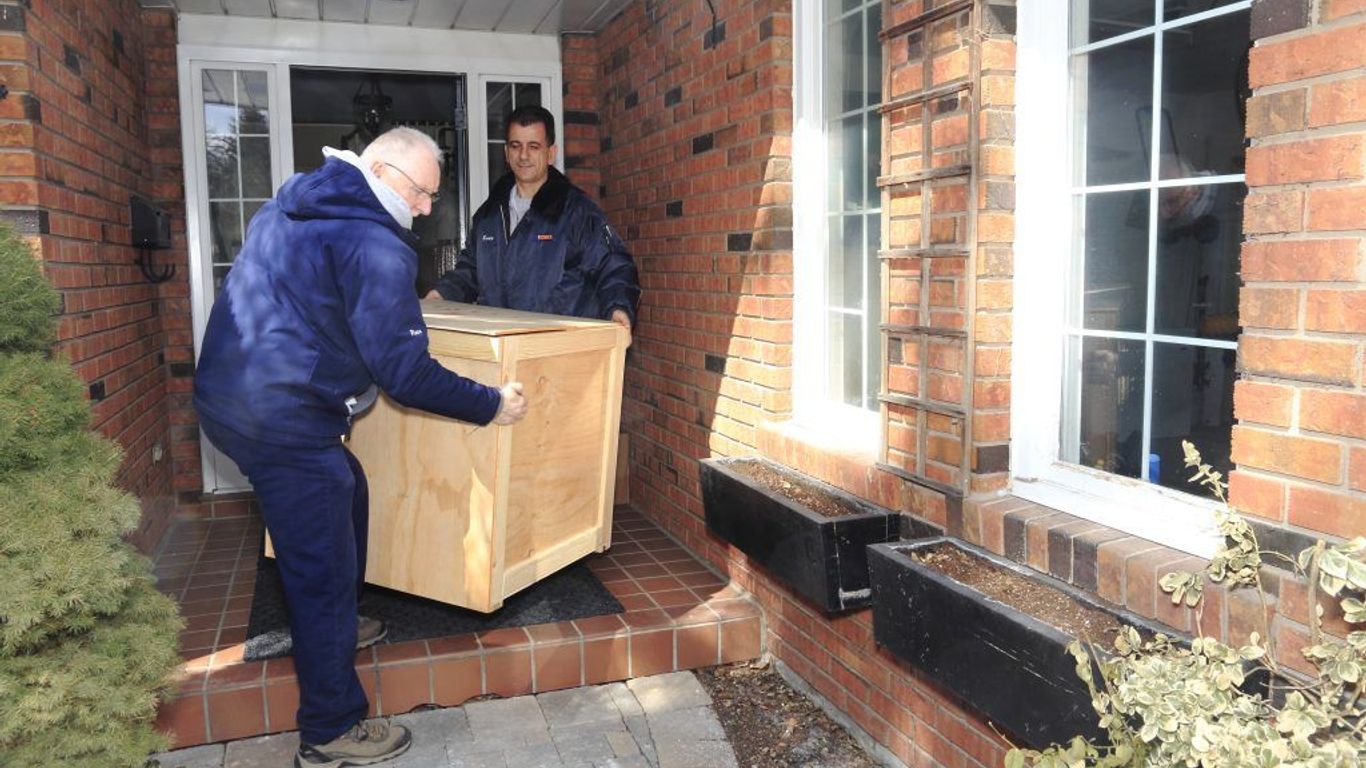
Moving your life from Canada to the United States is a big undertaking. It’s not just about packing boxes; it’s a complex process involving logistics, documentation, and careful planning. Getting this right from the start makes all the difference. Think of it like planning a long road trip – you wouldn’t just hop in the car without a map and a general idea of where you’re going, right? This section is your roadmap for a successful cross-border move.
Understanding Cross-Border Moving Logistics
When you’re moving from Canada to the US, the logistics are quite different from a domestic move. You’re dealing with international borders, customs, and potentially longer transit times. It’s important to understand how these factors play a role. For instance, the distance between your Canadian origin and your new US home will significantly impact the timeline and cost. Companies specializing in Canada-US moves are familiar with these specific challenges.
Here’s a breakdown of what to consider:
- Transit Time: How long will it actually take for your belongings to get from point A to point B? This can vary based on the distance, the moving company’s routes, and customs processing.
- Delivery Options: Will your movers deliver directly to your new home, or will there be a need for storage at either end?
- Customs Clearance: This is a big one. Understanding what needs to be declared and how the process works is key to avoiding delays.
The biggest mistake people make is underestimating the complexity of cross-border logistics. It’s more than just transportation; it’s about coordinated planning and execution.
Choosing the Right Moving Company for Your Needs
Selecting the right moving company is probably one of the most critical decisions you’ll make. You want a company that has experience with Canada-US moves specifically. Not all long-distance movers are equipped for international relocations. Look for companies that clearly outline their cross-border services and understand the nuances of moving between these two countries. Check reviews and ask for references from people who have made a similar move.
Consider these points when vetting companies:
- Specialization: Do they regularly handle Canada-US moves?
- Services Offered: Do they provide packing, unpacking, storage, and specialized handling for items like pianos or artwork?
- Insurance and Valuation: What coverage do they offer for your belongings during transit?
- Communication: How accessible and responsive are they throughout the process?
Estimating Costs for Your International Move
Figuring out the cost of an international move can feel a bit like guesswork at first. Quotes can vary widely, and it’s important to understand why. Factors like the volume and weight of your belongings, the distance, the services you choose (like packing or unpacking), and the time of year can all affect the final price. Don’t just go for the cheapest option; look for the best value. A detailed, transparent quote is a good sign.
Here’s a general idea of what influences the cost:
- Volume/Weight: The more stuff you have, the more it generally costs.
- Distance: Longer distances usually mean higher costs.
- Services: Packing, unpacking, special item handling, and storage all add to the price.
- Time of Year: Moving during peak season (summer) can sometimes be more expensive.
It’s a good idea to get at least three detailed quotes from different companies. This helps you compare apples to apples and understand what’s included. Remember, a quote is an estimate, and understanding the type of estimate you receive (binding, non-binding, or not-to-exceed) is important. You can find more information on cross-border planning help to get started.
Navigating Documentation and Customs
Moving your life from Canada to the United States involves more than just packing boxes. You’ve got to get the paperwork right, and understand what the border agents are looking for. It can feel like a lot, but breaking it down makes it manageable.
Essential Documents for Cross-Border Moves
Getting your documents in order is the first big step. You’ll need to have your identification ready, of course, but there’s more to it when you’re moving internationally. Think about things like proof of residency, and any specific permits or declarations required by both Canadian and US authorities. For those who might be moving belongings separately from their person, like sending items ahead, there are specific forms to consider. Canadian "snowbirds" who spend part of the year in the United States are required to submit a CBP Form 3299 to import unaccompanied belongings. This is just one example of how specific documentation can be.
Here’s a quick rundown of what you might need:
- Identification: Passports, driver’s licenses, birth certificates.
- Proof of Status: Visas, work permits, or other documentation proving your right to enter and reside in the US.
- Inventory List: A detailed list of all items you are bringing across the border. This is often required for customs.
- Bill of Sale (if applicable): For any recently purchased large items like vehicles.
- Customs Declarations: Forms required by both countries.
What You Can and Cannot Bring Across the Border
This is where things can get a little tricky. While you can generally bring your household goods, there are restrictions. Things like firearms, certain food products, and even some plants can be problematic. It’s always best to check the official government websites for both Canada and the US before you pack these items. You don’t want to get to the border and have to leave something important behind, or worse, face penalties.
Some common items to be aware of:
- Restricted: Alcohol, tobacco, certain medications, pets.
- Prohibited: Illegally obtained goods, certain types of weapons, and items that violate import/export laws.
- Food and Plants: Often require special permits or are outright banned to prevent the spread of pests and diseases.
It’s wise to create a thorough inventory of everything you plan to move. This not only helps with customs but also serves as a checklist to make sure nothing gets left behind. Double-checking restrictions for items like sentimental heirlooms or specialized equipment is also a good idea.
Understanding Customs Procedures for Household Goods
When your belongings cross the border, they go through customs. This process ensures that everything being imported complies with US regulations. For household goods, this usually involves presenting your inventory list and any required documentation to a customs officer. The process can take time, and it’s important to be prepared for potential inspections. Working with a moving company experienced in cross-border moves can make this much smoother, as they’ll know exactly what paperwork is needed and how to present it. They understand the complexities involved in safely transporting household goods across borders.
Here’s what typically happens:
- Declaration: You or your moving company will declare the goods being imported.
- Inspection: Customs officers may inspect your shipment.
- Duty/Tax Assessment: Depending on the items and their value, duties or taxes might apply, though household goods for personal use are often exempt.
- Release: Once cleared, your goods are released for delivery.
Key Considerations for a Smooth Transition
Moving from Canada to the US involves more than just packing boxes. It’s a big step, and thinking through a few key things can make the whole process much easier. You want to get this right, especially when you’re dealing with international borders and all that comes with it.
How Active Visas Impact Your Move
Your visa status is a pretty big deal when you’re moving from Canada to the US. It’s not just about having permission to enter; it dictates how you can move your belongings and what you can do once you arrive. If you’re moving for work, for example, your employer might have specific requirements or even provide assistance with the moving process. Different visa types have different rules, and some might have restrictions on bringing certain items or even the timeline for your move. It’s worth looking into the specifics of your visa well before your moving date. Understanding your visa’s implications is step one for a smooth cross-border move.
What to Expect During the Moving Process
So, what does the actual move look like? It’s usually a bit different from moving within Canada. You’ll likely have a more detailed estimate, and the movers will need to be well-versed in cross-border regulations. Expect communication to be key; you’ll want to stay in touch with your moving company throughout the journey. Delivery times can also vary more than a domestic move, depending on customs and border crossings. It’s not uncommon for there to be a bit of a waiting period once your belongings reach the US side while everything is cleared.
Choosing the Best Value Over the Cheapest Quote
When you’re looking at moving quotes, it’s tempting to just go for the lowest price. But with international moves, that can sometimes lead to more headaches down the road. The cheapest quote might not include all the necessary services, like proper customs documentation or insurance that actually covers your items during the long haul. It’s better to look for a company that offers a good balance of price and service. Think about what’s included: Is packing covered? What about unpacking? Do they have experience with Canada-US moves specifically? A slightly higher quote from a reputable company that understands cross-border logistics can save you a lot of stress and potential hidden costs later on.
Preparing for Your New Life in the US
Moving from Canada to the United States is a big step, and getting ready for your new life across the border involves more than just packing boxes. It’s about understanding the places you might end up and what makes them tick. Think about where you’re headed – are you looking at a bustling city center or a quieter suburban area? Each has its own vibe and opportunities.
Researching Your Destination City
Before you even think about booking movers, spend some time getting to know potential new cities. Are you drawn to the energy of a place like Toronto, or perhaps the more laid-back feel of a smaller city? Researching cities like Burlington, Oakville, or Hamilton in Ontario can give you a good idea of what different types of Canadian communities offer. This can help you picture your life there and what kind of neighborhood would suit you best. Understanding the local lifestyle is key to a happy transition.
Understanding the Economic Landscape of US Cities
When you move to the US, you’ll want to know about job markets and the general economic health of the areas you’re considering. Some US cities are known for their tech industries, others for finance, or manufacturing. It’s smart to look into which sectors are strong and where your skills might fit in. This research can help you find a place that not only feels like home but also offers good career prospects. It’s a big change, and knowing the economic picture can make a difference.
Exploring Cultural and Recreational Opportunities
What do you like to do in your free time? If you’re into arts and culture, look for cities with vibrant theater scenes, museums, and live music venues. If you prefer the outdoors, research places with great parks, hiking trails, or waterfront access. Many Canadian cities, like Hamilton with its numerous waterfalls or Oakville with its beautiful lakefront, offer a fantastic mix of activities. Finding a US city that matches your interests will make settling in much easier and more enjoyable.
Leveraging Moving Services for Efficiency
Moving from Canada to the US involves a lot more than just packing boxes and driving south. It’s a complex process with unique challenges, especially when it comes to logistics and making sure everything arrives safely and on time. Thankfully, there are services designed to make this whole thing much smoother. Thinking about how to get your belongings across the border without a hitch? Let’s look at some tools and approaches that can really help.
Utilizing Floor Planning Tools for Organization
Before you even start packing, imagine trying to fit all your furniture and boxes into your new US home. It can be a real headache, especially if you’re downsizing or just want to make sure everything has a place. This is where floor planning tools come in handy. These digital tools let you map out your new space and arrange your furniture virtually. It’s a smart way to figure out what will actually fit and where it should go. This means you won’t be paying to move things you don’t have room for, and you’ll have a much clearer idea of how your new home will look and feel before you even arrive.
Benefits of AI Route Optimization
When you’re moving internationally, timing is everything. You want your belongings to arrive around the same time you do, without unnecessary delays. This is where AI route optimization becomes a game-changer for moving companies. These systems use smart algorithms to plan the most efficient routes for their trucks. They can account for traffic patterns, road closures, and even weather conditions to find the best path from your Canadian home to your new US address. This technology helps ensure your move stays on schedule and reduces the chances of unexpected delays. It’s all about getting your things to you when you expect them, making the transition less stressful.
Understanding Flexible Quoting Options
Getting a quote for an international move can be confusing. Prices can vary a lot, and it’s important to know what you’re agreeing to. Many reputable cross-border moving companies offer different types of quotes to fit your needs. You might see:
- Binding Estimates: This is a fixed price. What they quote is what you pay, barring any significant changes to the inventory or services requested. It offers the most price certainty.
- Not-to-Exceed Estimates: This is a common option for cross-border moves. The price you’re quoted is the maximum you’ll pay, but if the move is completed faster or with fewer resources, the final cost could be lower. It’s a good balance between certainty and potential savings.
- Non-Binding Estimates: This is a rough estimate based on the information you provide. The final cost can change depending on the actual weight and services used. This option usually has the lowest initial quote but carries the most financial risk.
Understanding these options helps you choose the quote that best suits your comfort level with potential cost variations. It’s always wise to ask for a detailed breakdown of what each quote includes, so you’re not caught off guard. For more insights into how moving quotes are structured, you can check out guides on moving expenses.
When comparing quotes, remember that the cheapest option isn’t always the best value. A slightly higher quote from a company with a proven track record in cross-border moves, clear communication, and flexible pricing might save you a lot of headaches and unexpected costs down the line. It’s about finding a balance between cost and reliable service for your Canada to US relocation.
Making Smart Relocation Decisions

Moving from Canada to the US involves more than just packing boxes. It’s about making choices that align with your budget, your timeline, and your peace of mind. When you’re looking at the big picture of your international move, considering how to best use your resources is key. This section focuses on helping you make those informed decisions, especially when relocation allowances are involved.
Using Relocation Allowances Wisely
Many people moving from Canada to the US receive a relocation allowance, often called a lump sum. This money is meant to help cover your moving expenses, but how you use it can make a big difference. It’s not just about spending it; it’s about spending it smartly to get the most value and the least stress.
- Understand what’s covered: Does your allowance cover packing, loading, transport, unpacking, and temporary storage? Knowing the scope helps you allocate funds effectively.
- Prioritize your needs: Are you more concerned about speed, or are you looking for the most budget-friendly option? Your priorities will guide where you spend your allowance.
- Research service providers: Don’t just pick the first company you find. Compare quotes and services, looking for companies experienced in Canada-US moves. A little research upfront can save you a lot of headaches later.
When you receive a lump sum, it’s easy to think of it as just extra cash. However, it’s a budget. Treat it like one. Plan out where each dollar is going before you start booking services. This prevents surprises and ensures you don’t run out of funds halfway through your move.
DIY vs. Full-Service Movers for Cross-Border Moves
Deciding between doing it yourself (DIY) or hiring full-service movers is a big one, especially when crossing the border. Each has its pros and cons, and the best choice really depends on your situation.
- DIY Moving: This usually means renting a truck and doing all the packing, loading, driving, and unloading yourself. It can be cheaper, but it’s also a lot more work and stress. For a Canada-US move, you also have to deal with customs paperwork and potential border delays on your own. It’s a good option if you have a smaller amount of stuff and a lot of time and energy.
- Full-Service Movers: These companies handle almost everything – packing, loading, transporting, and often unpacking. They are experienced with cross-border logistics and customs, which can be a huge relief. While more expensive, they save you time and physical effort. For international moves like Canada to the US, the expertise of a full-service mover in handling customs and documentation is often worth the extra cost.
Here’s a quick look at what each typically involves:
| Feature | DIY Moving | Full-Service Movers |
|---|---|---|
| Effort | High (packing, loading, driving, unloading) | Low (they handle most tasks) |
| Cost | Generally lower | Generally higher |
| Time | More time commitment required | Less time commitment required |
| Cross-Border | You manage all customs and paperwork yourself | They coordinate customs and documentation |
| Stress | Higher | Lower |
Managing Your Relocation Budget Effectively
No matter how you slice it, moving is expensive. Managing your budget well means you can focus on settling into your new life in the US without financial worries. For those moving from Canada, think about these points:
- Get detailed quotes: Don’t accept vague estimates. Ask for a breakdown of costs, including packing, transportation, fuel surcharges, and any potential customs fees. This helps you compare apples to apples. Moving household goods between countries can be complex, so clarity is important.
- Factor in hidden costs: Think about things like temporary housing if your homes don’t align, setting up utilities, and potential costs for items you can’t bring.
- Track your spending: Keep a record of all moving-related expenses. This helps you stay within your budget and provides a clear picture of where your money went, which is useful for future moves or for reporting if you have a relocation allowance.
Making smart decisions about your move from Canada to the US isn’t just about saving money; it’s about reducing stress and ensuring a positive start in your new country. Careful planning and informed choices are your best tools.
Planning a move can feel overwhelming, but it doesn’t have to be. Making smart choices now can save you a lot of stress later. Think about what you need to move, where you’re going, and what kind of help you’ll require. Getting organized early is key to a smooth transition. For expert guidance and a stress-free experience, visit our website today!
Wrapping Up Your Big Move
So, you’ve made it through the planning stages of your move from Canada to the US in 2026. It might seem like a lot, with all the paperwork, logistics, and figuring out what goes where. But remember, taking it step-by-step makes it manageable. Whether you’re packing up your whole life or just a few boxes, getting organized early is key. Don’t forget to look into customs rules and what you can and can’t bring. It’s a big change, for sure, but with the right preparation, you’ll be settling into your new American home before you know it. Good luck with everything!
Frequently Asked Questions
What’s the biggest difference between moving within Canada and moving to the U.S.?
Moving to the U.S. involves extra steps like dealing with customs and border rules. It’s not just about driving your stuff further; you have to make sure you have the right papers and follow specific procedures for crossing the border with your belongings.
How do I pick the right moving company for a move from Canada to the U.S.?
Look for a company that has a lot of experience with Canada-to-U.S. moves. They should understand all the paperwork, customs, and special rules. It’s also smart to check their reviews and make sure they offer good communication throughout the whole process.
What kind of documents will I need to move my household items to the U.S.?
You’ll likely need a detailed list of everything you’re bringing, proof of ownership for some items, and possibly information about your visa or immigration status. The moving company can help you figure out the exact documents needed for customs.
Can I bring everything I own when I move from Canada to the U.S.?
Most of your household items are fine, but there are some things you can’t bring, like certain foods, plants, or weapons. It’s best to check the official U.S. Customs and Border Protection rules or ask your moving company about restricted items.
Why do moving quotes for long-distance or cross-border moves cost so much?
The price depends on many things, like how much stuff you have, how far it’s going, and if you need extra services like packing or storage. Cross-border moves also have extra costs for customs and special handling, which makes them more expensive than local moves.
Should I always choose the cheapest moving company for my Canada to U.S. move?
Not necessarily. The cheapest option might cut corners on service, insurance, or reliability, which can cause big problems and cost you more in the long run. It’s usually better to find a company that offers good value, meaning a fair price for dependable service and peace of mind.
Leave a Comment