US customs form 3299 when moving to Canada: A guide for cross-border household goods
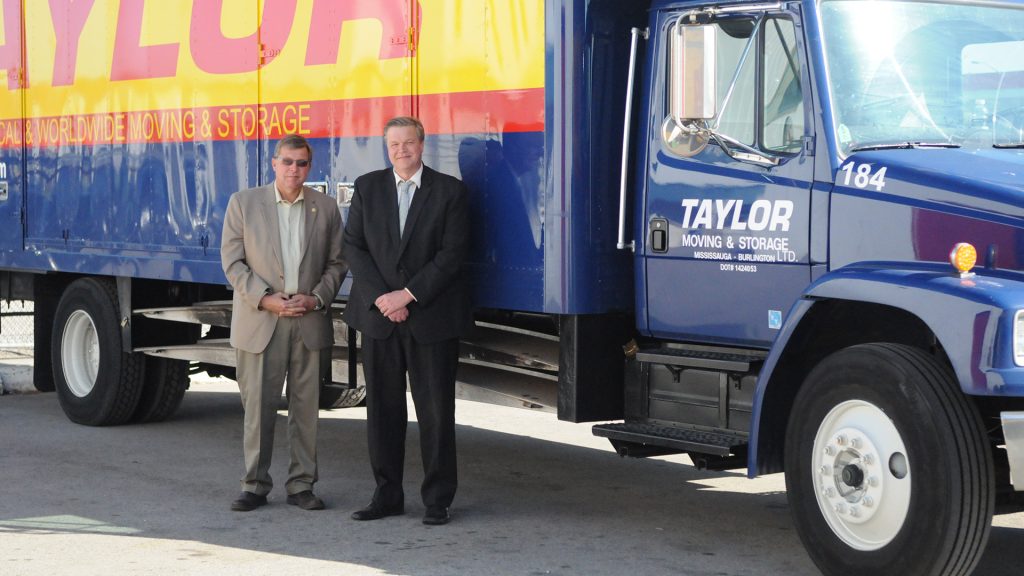
Key Takeaways
Form 3299 is a U.S. customs declaration for unaccompanied household goods entering the United States. If your move involves Canada and the United States, preparing the form alongside your travel and shipment documents can help reduce avoidable questions at the border.
- Form 3299 concerns household goods shipped separately from the traveler.
- Your identity, travel plans, residency, and shipment details must align.
- Detailed inventories are safer than broad descriptions such as “miscellaneous items.”
- Food, plants, fuel, firearms, ammunition, and other restricted goods need special attention.
- Customs paperwork should be prepared before pickup, not during loading.
What US customs form 3299 is and when you need it
US customs form 3299 moving to Canada is a phrase that can be confusing because Form 3299 is a U.S. document, not a Canadian import form. It generally becomes relevant when household goods are entering the United States without traveling with their owner. The direction of the move, your immigration or residency position, and the nature of the shipment all matter. For an overview of the broader customs information involved in Canada–US household moves, it helps to treat the form as one part of a larger document package.
The purpose of the Declaration of Free Entry of Unaccompanied Articles
CBP Form 3299 is known as the Declaration of Free Entry of Unaccompanied Articles. It gives U.S. Customs and Border Protection information about personal effects and household goods arriving separately from the person who owns them. The declaration helps establish who is importing the items, why they are entering the country, and whether the goods qualify for the treatment being claimed. It does not replace immigration documents, identification, or other permits that may apply.
Why the form applies to household goods entering the United States
A moving truck or shipment can reach the United States at a different time from its owner. That makes the goods “unaccompanied” for customs purposes, even when they are ordinary used belongings. Furniture, clothing, kitchenware, books, and similar effects may still need to be declared because customs must know what is crossing the border. A Form 3299 guide from the U.S. government is the appropriate starting point for the current official document.
How “moving to Canada” can affect the form’s relevance
If you are moving from Canada to the United States, Form 3299 may be part of the process for your household shipment. If you are moving from the United States to Canada, the Canadian side generally involves different documentation and agencies, so Form 3299 may not be the central form for your move. The wording “moving to Canada” often describes the reader’s situation rather than the form’s destination. Confirm the direction of travel and the destination customs authority before completing anything.
When travelers may need different customs documentation
Travelers carrying their belongings with them may face a different declaration process from people whose goods arrive later. Vehicles, pets, commercial merchandise, temporary work assignments, and newly purchased goods can also require documents beyond Form 3299. Immigration status and the length of time spent outside the United States may change which declarations or supporting records are relevant. Use official instructions and ask a qualified customs professional when the circumstances are unusual.
Prepare the information required for form 3299
A good preparation process starts with the person, not the boxes. Gather the identity and travel information first, then build the shipment details around the inventory that will actually cross the Canada–US border. Keep originals and copies organized separately, since the driver may need a working set while customs or a broker reviews another. The Canada-to-US moving guide can also help you place Form 3299 within the wider relocation timeline.

Personal details and contact information
Use your full legal name consistently, including spelling and order, across the form, passport, immigration records, and moving documents. You may also need your date of birth, contact details, and destination address or other address information requested by the form. Avoid relying on a nickname or an old address simply because it appears on a previous estimate. Small inconsistencies can lead to follow-up questions.
Travel, residence, and immigration information
Form 3299 asks for information connected with your arrival and residence history. That can include when you will enter the United States, where you entered, where you have been living, and whether you are returning, moving permanently, or staying temporarily. Your answers should match your passport, visa, admission record, or other immigration paperwork. If your travel date is uncertain, resolve that uncertainty before the shipment is scheduled to clear.
Shipment details for unaccompanied household goods
Describe the shipment as a household-goods move and connect it clearly to the person named on the declaration. The inventory, packing list, bill of lading, and customs paperwork should describe the same shipment. Include the origin, destination, number of packages where requested, and the relationship between the goods and your personal move. Do not assume that a mover’s shorthand inventory will be detailed enough for customs.
Ownership and intended use of the items
Customs may need to understand whether the belongings are used personal effects, household goods, professional items, vehicles, or goods acquired abroad. State who owns the items and whether they are for personal use rather than resale. Recently purchased goods, gifts, and items belonging to someone else deserve particular care. The intended use can affect how customs views an article, so do not classify everything as ordinary household goods without checking.
Supporting documents to gather before pickup
Prepare your passport or identification, immigration documents, travel details, inventory, and transportation paperwork before the movers arrive. Keep evidence of ownership for vehicles and unusually valuable possessions, and collect permits or specialist documents for regulated goods if they are allowed at all. A customs handover process works best when documents are centralized and discrepancies can be resolved early; a customs handover guide explains why that organization matters. Store the final versions in a folder that is accessible during transit.
How to complete US customs form 3299
Read the form from beginning to end before writing in any section. Its questions connect personal information, travel history, residency, and the classification of the goods, so completing it out of order can create contradictions. Use the current official version and its instructions rather than an old saved copy. When a response depends on immigration status or a potentially dutiable item, obtain advice instead of guessing.
Identifying the importer and shipment owner
The importer is generally the person whose household goods are entering the United States. Make sure that person’s name matches the identity documents and the shipment record. If several household members are moving, identify the primary importer as requested and describe accompanying family information accurately. A mover may transport the shipment, but transportation does not automatically make the mover the owner or importer.
Describing household goods accurately
Use plain, specific descriptions that help a customs officer understand what is in the shipment. “Living-room furniture,” “used clothing,” or “stainless-steel cookware” is more useful than “miscellaneous effects.” The packing list should be detailed enough to identify unusual, valuable, or regulated items without becoming misleadingly vague. Clear descriptions reduce uncertainty when the paperwork is compared with the boxes.
A practical inventory can distinguish the item, quantity, condition, and approximate value where appropriate. It should also identify goods that are new, foreign-acquired, motorized, or subject to a separate rule. Never add an item to the form merely because it appears on an old inventory if it is no longer moving.
Declaring items acquired outside the United States
Goods purchased or acquired outside the United States should not be silently folded into a general household-goods description. Identify them in the appropriate part of the declaration and retain receipts or ownership records when available. This is especially important for recent purchases, professional equipment, artwork, jewelry, and other items that may raise questions about value or duty. If you are unsure how an article should be treated, flag it for review before packing.
Signing the declaration and confirming accuracy
The signature confirms that the information is complete and truthful to the best of your knowledge. Check names, dates, addresses, travel details, and inventory references one last time before signing. An unsigned form can be treated as incomplete even when every answer has been filled in. Do not sign a blank form or one containing information you have not reviewed.
Handling sections that do not apply
Not every box will apply to every move. Follow the form’s instructions for blank fields, “none,” or “not applicable,” rather than filling unused spaces with guesses. Some sections may require a separate explanation or professional review, particularly when the shipment includes vehicles, professional instruments, or potentially dutiable articles. Keep a note of any unanswered question so it can be resolved before the documents are submitted.
Household goods and items that may require additional review
Most household moves contain ordinary used belongings, but a familiar object can still create a customs question if it contains food, fuel, batteries, plant material, or another regulated component. The safest approach is to review the inventory item by item and separate uncertain goods before packing. Canadian origin does not automatically mean an item is admissible in the United States. For broader planning, a restricted-items guide is useful when deciding what to bring, sell, donate, or leave behind.
Used personal effects and ordinary household belongings
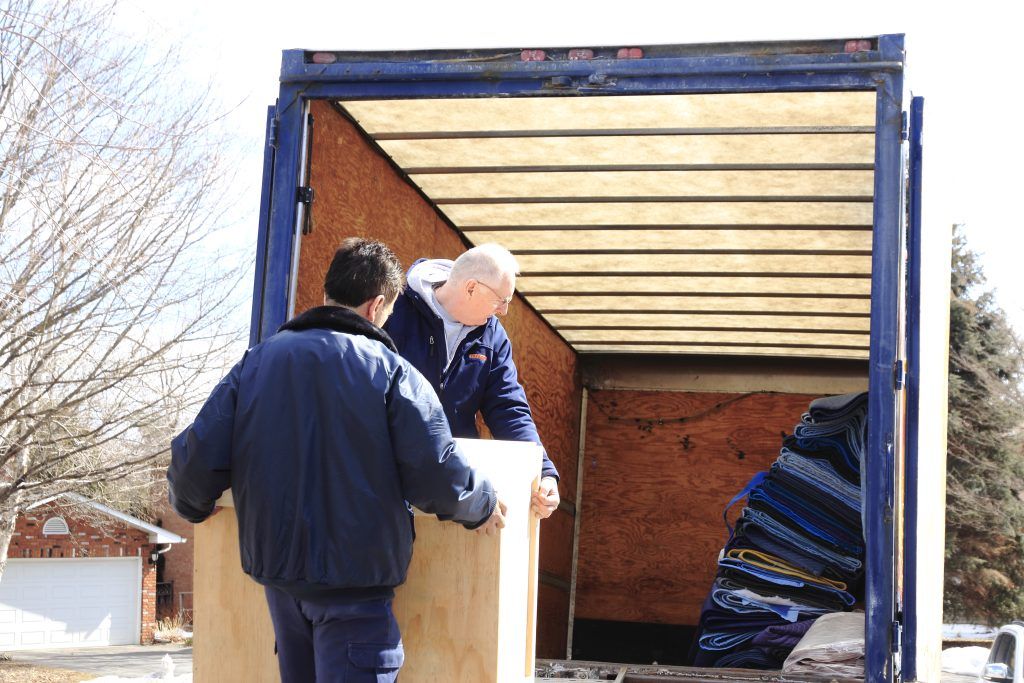
Used clothing, books, furniture, bedding, dishes, and ordinary personal effects are common in residential moves. Their used condition and personal ownership can help explain their purpose, but they still belong on a complete inventory. Photographing unusual or valuable pieces before pickup can support your records and make condition questions easier to address. Keep jewelry, passports, medication, and other essentials with you rather than inside the moving shipment.
Food, plants, medications, and animal products
Food, plants, seeds, soil, meat, dairy, animal products, and prescription or over-the-counter medications may be subject to agency-specific requirements. Their packaging, quantity, origin, and intended use can matter. Do not assume that a sealed item is automatically acceptable or that a personal quantity is exempt. Check the current rule for each category before it reaches the truck.
Alcohol, firearms, ammunition, and other restricted items
Alcohol, firearms, ammunition, weapons, and similar goods can require permits, declarations, or specialized transportation arrangements. Ammunition should never be placed in ordinary moving cartons, and a mover may refuse goods that cannot legally or safely be loaded. When an item is regulated, identify it early and ask the relevant authority what process applies. It is better to remove an uncertain item than to conceal it in the inventory.
Vehicles, appliances, and high-value possessions
Vehicles may involve title, registration, ownership, safety, emissions, and import requirements separate from household goods. Appliances can contain refrigerants, batteries, or other components that affect transportation. High-value possessions deserve accurate descriptions, ownership records, and a discussion of valuation or insurance. A vehicle documentation guide may be relevant to ownership and insurance questions, but it does not replace customs advice.
Prohibited items and belongings movers cannot load
A moving company’s loading rules are often broader than a simple “customs allowed” list because safety during transport matters too. Common items that may not be loaded include:
- Perishable food and other spoilable goods.
- Fuel, paint, oil, propane tanks, and gas cans unless properly purged where permitted.
- Ammunition, matches, aerosol cans, and other dangerous goods.
- Liquids, batteries, and items that can leak or ignite.
- Pets and living animals, which require separate travel arrangements.
These restrictions should shape your packing plan well before pickup. Ask about an item that seems borderline instead of placing it in a sealed carton where it cannot be identified.
How the customs process works for a Canada–US move
A cross-border move is a sequence of handoffs: personal documents, inventory, packing, pickup, transport, customs review, and delivery. The process differs depending on whether the shipment is moving from Canada to the United States or in the opposite direction. Customs clearance is not simply another stop on a domestic route, and timing can change when documents or goods need clarification. Keeping one person responsible for the document set makes communication easier.
Preparing documents before the move
Start with a timeline that separates your travel date from the shipment date. Complete the relevant forms, assemble identity and immigration records, and finish the inventory before the first box is loaded. Keep travel documents with you even if the household goods travel by truck. The cross-border relocation overview provides a useful framework for connecting customs, immigration, inventory, and transportation tasks.
Coordinating pickup, transportation, and border clearance
The move team needs to know which goods are traveling, which items are excluded, and when the shipment is expected to cross the border. Your pickup date, personal travel, customs availability, and destination access should be considered together. Changes after loading can be difficult if a restricted item is discovered late. Confirm who will receive document questions while the shipment is in transit.
What happens when customs reviews the shipment
Customs may review the paperwork, ask questions, examine selected packages, or request additional supporting documents. That does not necessarily mean there is a problem; it means the shipment must be matched to the declaration and applicable rules. Keep your answers factual and consistent, and do not estimate when a question can be answered from your records. Clearance decisions belong to customs authorities, not the moving crew.
How incomplete paperwork can create delays
A missing signature, unclear inventory line, inconsistent date, or absent immigration document can stop the process while someone seeks clarification. Delays may affect delivery appointments, storage arrangements, and access to essential belongings. Build time into the schedule rather than assuming the truck will move through the border on a fixed domestic timetable. The earlier a discrepancy is found, the more options remain for correcting it.
Delivery planning after the shipment is released
Release from customs is not the same as delivery to the residence. The shipment may still need to travel to the destination, and the receiving home may have stairs, parking limits, building rules, or appointment requirements. Keep a copy of the cleared paperwork and confirm what happens next with the move coordinator. Planning the final handoff early helps prevent a customs success from becoming a delivery problem.
Common form 3299 mistakes and how to avoid them
Most preventable problems begin before the form is submitted. People copy details from different documents, describe a full room as one vague line, or wait until loading to ask whether an item can travel. A short review against the actual shipment is often more useful than filling out the form quickly. Treat every document as part of one consistent record.
Leaving out items or using vague descriptions
An inventory that says “boxes” or “household goods” does not give customs much to work with. Include the kinds of belongings present and identify unusual, new, valuable, or regulated articles separately. Review closets, garages, basements, storage areas, and vehicles so that overlooked items do not appear unexpectedly during inspection. If the shipment changes, update the paperwork rather than relying on memory.
Providing inconsistent information across documents
Names, dates, addresses, package counts, and destination details should agree across the form, inventory, travel documents, and transportation records. A difference does not always indicate wrongdoing, but it can require explanation. Compare the final versions side by side before pickup. This simple check catches errors that are hard to fix once a shipment is moving.
Submitting unsigned or incomplete paperwork
A completed-looking form can still fail if a signature, date, attachment, or required answer is missing. Read the instructions for fields that do not apply and confirm that every required section has been handled. Keep the signed version accessible rather than buried in a packed carton. Send documents through the agreed channel early enough for a review.
Packing restricted goods without checking requirements
Items such as fuel, paint, ammunition, batteries, propane, aerosols, and perishables can create both safety and customs problems. Do not wait for a packer or driver to discover them. Set aside questionable goods during the inventory stage and verify whether they are prohibited, permitted with conditions, or required to travel separately. Removing them before pickup is usually the simplest solution.
Waiting until moving day to resolve documentation issues
Moving day is the worst time to discover that a passport is expired, a form is unsigned, or the destination address has changed. Give yourself enough lead time to request records, correct descriptions, and obtain specialist guidance. Taylor Moving and Storage recommends booking moves at least three weeks ahead when possible, while recognizing that bookings can range from three days to one year. Earlier planning gives a cross-border household more room to respond when facts change.
How a cross-border moving company can help
A moving company cannot decide customs eligibility or guarantee release, but it can help organize the moving work around the documentation process. Taylor Moving and Storage supports Canada–US moves with cross-border planning help, customs-aware coordination, and communication from estimate through delivery. The value is practical: the shipment, paperwork, packing plan, and delivery schedule are considered together rather than handled as unrelated tasks.
Reviewing your move details and documentation
A move review can identify the direction of travel, expected residence, shipment owner, travel timing, destination access, and unusual items. It can also reveal whether the inventory needs more detail or whether a separate specialist should be involved. Taylor Moving and Storage’s move coordinator team helps clients with issues during their move, including customs services. That support does not replace government review, but it can make the document handoff more orderly.
Explaining customs-aware packing and inventory practices
Packing should protect belongings while preserving a clear record of what is inside each package. Professional packers can secure household goods, reduce the number of boxes, and help make the move more efficient, according to the company’s service information. The inventory should still be reviewed by the owner because the owner is responsible for declaring personal belongings accurately. Custom crating may be available for highly valued items and glass that could be damaged in transit.
Coordinating with the driver, border representatives, and move team
Cross-border transportation involves communication among the household, driver, move coordinator, and the parties handling clearance. A single updated document set reduces the risk that one person is working from an earlier inventory or address. Confirm who receives questions and how changes should be reported while the shipment is moving. Clear escalation matters most when customs asks for information outside the original estimate.
Protecting belongings during transport and delivery
Customs preparation is only one part of a residential relocation. Furniture, fragile items, and high-value possessions still need suitable wrapping, loading, transit protection, and placement at delivery. Taylor’s services include professional packing, custom crating, car moving services, and a fully insured climate-controlled storage warehouse. Discuss which options fit the shipment rather than assuming every move needs the same service structure.
Requesting a quote for a Canada–US household move
For long-distance and cross-border moves, the company states that pricing is based on mileage traveled and shipment weight. A quote discussion should include the origin and destination, approximate inventory, packing needs, vehicle or storage requirements, and any unusual customs considerations. You can request a move estimate early enough to discuss those details before pickup. A clear quote is easier to assess when the shipment description is accurate.
Cross-Border Planning Starts Early
Form 3299 is only one piece of a Canada–US household move, but it represents the larger principle: customs needs accurate information about both the traveler and the goods. Build the inventory carefully, separate restricted items, keep documents consistent, and allow time for review before the truck reaches the border. With that groundwork in place, the move can be planned around real information instead of last-minute assumptions.
Frequently Asked Questions
Is Form 3299 used when moving from Canada to the United States?
It may be used when household goods enter the United States separately from their owner. The exact documentation depends on the traveler’s status, the shipment, and the circumstances of entry.
Is Form 3299 a Canadian customs form?
No. Form 3299 is a U.S. customs declaration. A move from the United States to Canada generally involves Canadian documentation and Canadian border requirements instead.
What are unaccompanied articles?
They are personal effects or household goods that arrive separately from the person who owns or is importing them. A moving shipment can therefore be unaccompanied even when it travels by truck.
Do all household goods need to be listed?
The shipment should be represented accurately and completely. Use specific descriptions, and identify new, valuable, unusual, or regulated goods separately rather than hiding them under a broad phrase.
Can food and plants be packed in a household shipment?
Food, plants, seeds, soil, animal products, and related goods may be restricted or subject to special rules. Check the current requirements before packing and ask about any uncertain item.
What happens if customs paperwork is incomplete?
Customs may request corrections, supporting documents, or an inspection before releasing the shipment. The delay can affect transportation and delivery plans, so paperwork should be reviewed before pickup.
Should I keep my passport and travel documents with the shipment?
No. Keep passports, immigration records, medication, valuables, and other essential personal documents with you while the household goods travel separately.
Leave a Comment