What Are Long Distance Movers and How Do They Work?

Thinking about moving across the country or even just a few provinces over? It can feel like a huge undertaking, right? That’s where long distance movers come in. They’re the pros who handle the heavy lifting, the logistics, and all the details that come with moving your life from one place to another, especially when it’s a significant distance. This article will break down what exactly these movers do and how the whole process works, so you can feel more prepared for your next big move.
Key Takeaways
- Long distance movers are professionals who manage moves across provinces or long distances within Canada, distinct from local moves.
- The moving process involves everything from initial estimates and planning to careful packing, transportation, and final delivery, with communication being key.
- Costs for long distance moving are influenced by factors like distance, the volume and weight of your belongings, and any extra services you need.
- Choosing the right moving company means looking beyond just the cheapest price to consider service quality, reliability, and how well they communicate.
- Preparing for a long distance move involves booking well in advance, understanding what to expect, and ensuring your items are properly protected.
Understanding What Are Long Distance Movers
Defining Long Distance Moving Services
When you’re packing up your life to move across the country, you’ll likely encounter the term “long distance movers.” But what exactly does that mean? Simply put, long distance movers are companies that specialize in transporting your belongings from one province or territory to another, or even across the vast Canadian landscape. This isn’t just about driving a truck; it’s a complex logistical operation. It involves careful planning, secure packing, safe transportation over significant distances, and timely delivery to your new home. Think of it as a journey for your possessions, managed by professionals who handle the heavy lifting and the miles in between.
The Scope of Long Distance Moves in Canada
Canada is a big place, and moving from St. John’s, Newfoundland, to Victoria, British Columbia, is a whole different ballgame than moving across town. Long distance moves in Canada can span thousands of kilometers, crossing multiple time zones and diverse terrains. This means the companies handling these moves need robust networks, experienced drivers, and a deep understanding of provincial regulations. Whether you’re relocating for a new job in Toronto or settling down in Calgary, the scope of these moves requires a specialized approach to long-distance moving.
Distinguishing Long Distance from Local Moves
The main difference between local and long distance movers comes down to distance and complexity. Local moves typically happen within a city or a small region, often charged by the hour. Long distance moves, on the other hand, cover greater distances and are usually priced based on factors like weight and volume, not just time. The planning and execution are also more involved for long distance moves, requiring more coordination and specialized equipment to protect your items over the long haul.
Here’s a quick look at the key differences:
- Distance: Local moves are short-range; long distance moves cover significant distances across provinces or territories.
- Pricing: Local moves are often hourly; long distance moves are typically weight/volume-based.
- Complexity: Long distance moves involve more intricate logistics, planning, and regulatory considerations.
- Equipment: Specialized equipment and larger fleets are often needed for long distance transport.
Moving across the country isn’t just about packing boxes. It’s about entrusting your entire household to a company that can manage the journey safely and efficiently. The right mover will make a huge difference in how smoothly your new chapter begins.
The Comprehensive Process of Long Distance Moving
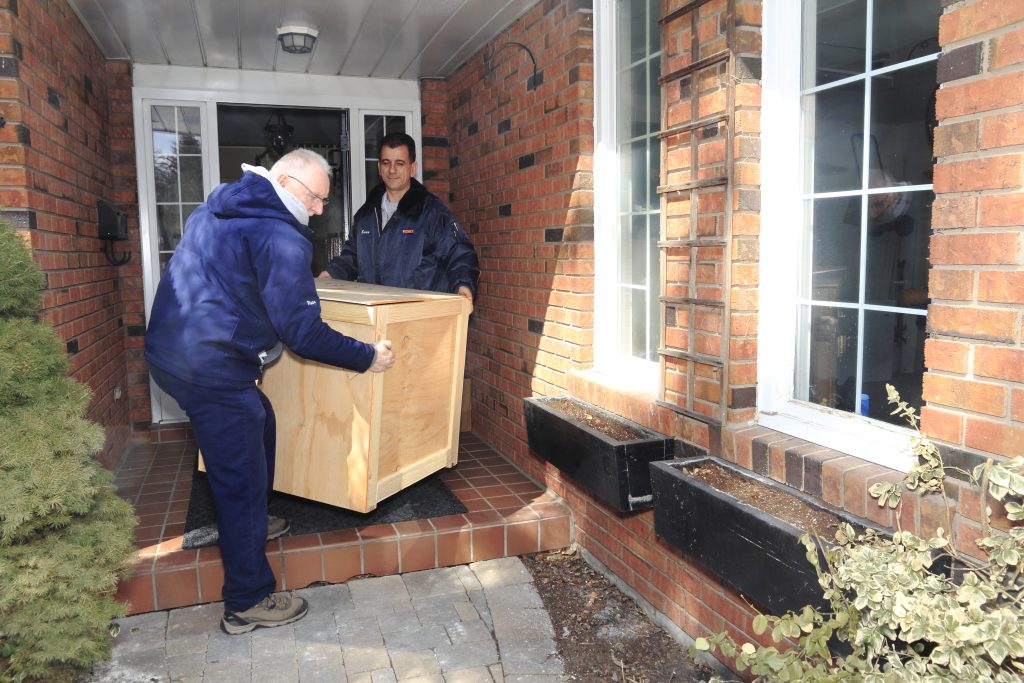
Moving across the country or even just to a different province in Canada is a big deal. It’s not like just shifting your couch to the next street over. Long-distance moving involves a whole different level of planning and execution. Think of it as a carefully choreographed dance, where every step matters to get your belongings from point A to point B safely and without a hitch.
From Initial Estimate to Final Delivery
The journey of a long-distance move typically starts with getting an estimate. This isn’t just a quick phone call; a good moving company will want to know exactly what you’re moving. They might do this through a virtual survey or even an in-home visit. This helps them figure out the volume and weight of your stuff, which is a big part of the cost. Once you agree on a price and a date, the real work begins.
- Survey and Estimate: The mover assesses your belongings and provides a quote. This is where you discuss dates and services.
- Planning and Scheduling: Your move is added to their schedule, and a timeline is set for pickup and delivery.
- Packing and Loading: On moving day, the crew carefully packs (if you’ve opted for that service) and loads your items onto the truck.
- Transit: Your belongings travel to their new destination. This can take several days or even weeks depending on the distance and the mover’s route.
- Delivery: The crew unloads your items at your new home.
- Unpacking and Setup: Some movers offer unpacking services, or you can do this yourself.
The entire process is about managing expectations and ensuring a smooth transition. It’s a complex logistical puzzle that requires attention to detail at every stage.
The Importance of Planning and Protection
When you’re moving a long distance, things can go wrong if you’re not prepared. That’s why planning is so important. It’s not just about booking a truck; it’s about making sure your stuff is protected. This means using the right packing materials, having adequate insurance, and choosing a mover that has a good track record. A well-planned move minimizes stress and reduces the risk of damage or loss. Think about things like fragile items – they need extra care. Movers often use specialized padding and wrapping to keep everything safe during the long journey across Canada.
Effective Communication Throughout Your Move
Communication is key, especially when you’re moving far away. You need to know what’s happening with your belongings. A good moving company will keep you in the loop. They’ll tell you when the truck is coming, provide updates on its location, and confirm delivery times. Don’t hesitate to ask questions. If something isn’t clear, speak up. Having a single point of contact, like a move coordinator, can make a huge difference. This person can answer your questions and help sort out any issues that pop up. It’s about building trust and making sure you feel confident about your long-distance moving services.
Factors Influencing Long Distance Moving Costs
When you’re planning a move across the country, the price tag can seem a bit daunting. It’s not just about how much stuff you have; a lot goes into figuring out the final cost. Understanding these factors can help you budget better and avoid surprises.
How Long Distance Moving Costs Are Calculated
Movers typically calculate long-distance costs based on a few key things. The most common methods involve weight and distance, but sometimes hourly rates come into play, especially for smaller moves or if there are unexpected complications. It’s important to know what your mover uses as their primary calculation method.
- Weight of your belongings: The heavier your shipment, the more it costs to transport. Movers will weigh your items to determine this.
- Distance of the move: Moving further naturally costs more due to fuel, driver time, and wear and tear on the trucks.
- Volume of your items: Sometimes, bulky items that don’t weigh much can still take up a lot of space, affecting the truck’s capacity and thus the cost.
- Time of year: Moving during peak seasons (like summer or holidays) can sometimes lead to higher prices due to demand.
The way a moving company structures its quotes can make a big difference. Some might offer a flat rate, while others provide estimates that can change based on the actual weight or time spent. Always ask for a clear explanation of their pricing model.
What Affects the Overall Cost of Your Move
Beyond the basic calculation, several other elements can nudge the final price up or down. Think about the services you need and the specifics of your situation.
- Packing services: If you want the movers to pack your belongings, this is an additional service that adds to the cost. Professional packing requires time, materials, and skilled labor.
- Specialty items: Moving large, heavy, or fragile items like pianos, large artwork, or antique furniture often incurs extra fees due to the specialized handling required.
- Storage needs: If you need to store your items before delivery, whether short-term or long-term, this will add to the overall expense.
- Accessibility of your homes: Difficult access at either your old or new home (e.g., narrow streets, stairs, long carrying distances from the truck) can increase the time and labor needed, impacting the cost.
- Insurance and valuation: While basic liability is usually included, opting for more comprehensive moving insurance or valuation coverage will increase the price but offers greater protection for your belongings.
Understanding Variations in Moving Quotes
It’s common to get different quotes from different moving companies, and this is usually due to variations in how they estimate costs and the services they include. Don’t just go for the cheapest quote without understanding what you’re getting.
- Inclusions: Some quotes might be all-inclusive, while others might have hidden fees for things like packing supplies, fuel surcharges, or stair carries. Always check what’s covered.
- Binding vs. Non-Binding Estimates: A binding estimate is a fixed price, while a non-binding estimate is a best guess that could change. A “not-to-exceed” estimate, like those offered by some companies, guarantees the price won’t go over a certain amount, but you might pay less if the move is quicker or lighter than expected. This offers a good balance for cross-border moves.
- Company Reputation and Service Level: Companies with a strong reputation for reliability, better equipment, and highly trained staff might charge more, but this often translates to a smoother, less stressful move.
Getting detailed quotes and asking plenty of questions is key to understanding the true cost of your long-distance move and choosing the right company for your needs. You can find more helpful tips on various moving aspects in related articles.
Choosing the Right Long Distance Moving Company
So, you’ve decided to move across the country, or maybe just a good chunk of it within Canada. That’s a big deal! Now comes the part where you need to find the right people to get your stuff from point A to point B. It’s not like picking a local mover; this is a whole different ballgame. You want a company that knows its stuff when it comes to long hauls, not just a few blocks.
Evaluating Service Levels and Value
When you’re looking at moving companies, you’ll see a bunch of different service levels. Some might just be about getting your boxes from your old place to your new one. Others will offer packing, unpacking, and even help with setting things up. Think about what you actually need. Are you going to pack everything yourself, or do you want the movers to handle it? The cheapest quote isn’t always the best deal if it means you’re doing half the work or if your belongings aren’t handled with care. It’s about finding that sweet spot between cost and what you get. A company that offers a bit more support might save you headaches down the road, even if it costs a little more upfront. It’s worth looking into what’s included in their standard service and what costs extra. Sometimes, a slightly higher price tag comes with better planning and communication, which can make all the difference on a long move.
Why the Cheapest Quote Isn’t Always Best
It’s tempting, right? You see a super low price and think, “Score!” But with long-distance moves, that super low quote can sometimes be a red flag. Companies that offer rock-bottom prices might cut corners. This could mean using less experienced staff, not having proper insurance, or having hidden fees that pop up later. You might end up paying more in the long run if things get damaged or delayed. Remember, moving companies have different ways of calculating costs, and a low initial quote might not reflect the full picture. It’s always a good idea to get a few different quotes and compare what’s included. Look for companies that are upfront about their pricing and what services are part of the deal. A company that has been around for a while and has good reviews is often a safer bet than the cheapest option you can find.
Key Questions to Ask Potential Movers
Before you sign anything, have a chat with the companies you’re considering. Don’t be shy about asking questions. It’s your stuff, and you want to know it’s in good hands. Here are a few things you should definitely ask about:
- What kind of estimate do you provide? (e.g., binding, non-binding, not-to-exceed). Understanding this helps you know if the price is fixed or could change.
- What is included in the price? Make sure you know if packing supplies, loading, unloading, and any special handling are covered.
- What is your process for handling damages or claims? Every mover should have a clear procedure for this.
- How far in advance do you recommend booking? This is especially important if you’re moving during peak season, like summer. Summer moving can be tricky, so booking early is smart.
- Can you provide references or show me reviews? Seeing what past customers say can be really helpful.
- What are your cancellation policies? Life happens, and it’s good to know the terms.
Asking these questions will give you a much clearer picture of the company and help you make a more informed decision. It’s about finding a mover that you feel comfortable with and trust to handle your belongings across the miles.
Specialized Long Distance Moving Services
Navigating Cross-Border Moves to the US
Moving between Canada and the United States isn’t quite like moving across the country within Canada. It involves more paperwork and a bit of extra planning to make sure everything goes smoothly at the border. You’ll need to be aware of customs regulations and any specific documentation required for household goods. This can include things like a detailed inventory of everything you’re bringing, and sometimes even proof of ownership for certain items. Companies that handle these types of moves are experienced with the ins and outs of cross-border logistics, including customs clearance. They can help you understand what you can and can’t bring, and what steps are needed to avoid delays.
Here’s a quick look at what’s involved:
- Documentation: Preparing a thorough inventory list is key. This helps customs officials understand what’s being moved.
- Customs Procedures: Movers experienced with Canada-US moves know how to handle the customs process, which can vary depending on what you’re shipping.
- Prohibited Items: Certain items might be restricted or require special permits. Your mover can guide you on this.
Moving across the border requires a different approach than a domestic move. It’s about more than just distance; it’s about understanding international regulations and ensuring all paperwork is in order to prevent hold-ups.
Corporate Relocation Assistance
When a company moves employees, especially over long distances, it’s a whole different ballgame. Often, there’s a budget or a lump sum allowance involved, and the goal is to make the move as easy as possible for the employee while staying within that budget. This means the moving company needs to be flexible and provide support throughout the process. They help employees figure out the best way to use their allowance, whether that’s for full-service packing and moving or just the transportation itself. It’s about balancing cost with quality service so the employee has a good experience and the company stays on budget. We help employees make smarter relocation decisions by balancing service quality, planning support, and move options that protect both budget and outcomes.
Managing Moves with Lump-Sum Allowances
If you’re moving and your employer has given you a lump-sum allowance, it can feel a bit like managing your own budget for the move. You get to decide how to spend it, which can be great, but it also means you’re responsible for making sure you get good value. This is where choosing the right mover becomes really important. You want a company that can work with your budget, explain your options clearly, and still provide a high level of service. It’s not just about finding the cheapest option, but the one that offers the best balance of cost, service, and reliability for your specific needs. Some companies can help you plan your move using your allowance, making sure you don’t overspend and that your belongings are well taken care of. This way, you can focus on settling into your new home without the added stress of unexpected moving costs.
Preparing for Your Long Distance Relocation
What to Expect During Your Move
Moving across the country, or even just a significant distance within Canada, can feel like a big undertaking. It’s not just about packing boxes; it’s a whole process. You’ll start with getting estimates, which can involve virtual tours of your home or in-person surveys. Once you book, there’s the planning phase where you and the moving company coordinate dates and details. Then comes the actual packing and loading day, which can be quite busy. After your belongings are loaded, they’ll travel to your new home. The delivery day is the final step, where everything is unloaded. Throughout this entire journey, clear communication with your movers is key to a smooth experience.
How Far in Advance to Book Movers
Timing is everything when it comes to booking long-distance movers. Generally, the earlier, the better. For moves during peak seasons like summer or the end of the month, booking 6 to 8 weeks in advance is a good idea. If you’re moving during a less busy period, you might get away with 4 weeks, but it’s always safer to plan ahead. Last-minute moves can be more expensive and have fewer options available. It’s wise to get quotes and book your preferred company as soon as you have your moving dates confirmed.
Ensuring Your Belongings Are Protected
Protecting your items during a long-distance move is a top priority. Professional movers use specialized equipment and techniques to keep your furniture and boxes safe. This includes using moving blankets, shrink wrap, and sturdy boxes. Many companies also offer valuation or insurance options to provide an extra layer of security for your most valuable possessions. When getting your quote, be sure to ask about their protection plans and what exactly is covered. It’s also a good practice to pack a separate essentials box with items you’ll need immediately upon arrival, like toiletries, medications, and a change of clothes. This way, you don’t have to dig through everything right away. For a more detailed look at preparing for a big move, check out this comprehensive checklist.
Getting ready for a big move across the country can feel overwhelming. But don’t worry, we’re here to help make it smooth and easy! From packing up your favorite things to getting them safely to your new home, we handle it all. Ready to start your new adventure without the moving stress? Visit our website today to get a free quote and learn how we can help you settle in.
Wrapping Up Your Long-Distance Move
So, that’s the lowdown on long-distance movers. It’s more than just loading up a truck; it’s about careful planning, keeping things safe, and making sure you know what’s happening every step of the way. Whether you’re moving across Canada or heading down to the States, picking the right company means less stress for you. Remember to get quotes, ask questions, and find a team that makes you feel confident about your big move. It really can make all the difference.
Frequently Asked Questions
What exactly is a long-distance mover?
A long-distance mover is a professional company that helps you move your belongings from one city or province to another, often across long stretches of Canada. Think of them as your moving experts for journeys beyond your local area, handling everything from packing to safe delivery at your new home.
How do long-distance moving companies figure out their prices?
The cost is usually based on a few things: how much stuff you have (weight and volume), how far you’re moving, and any extra services you need, like packing or special handling. They’ll often give you an estimate after looking at your belongings.
What’s the difference between a local move and a long-distance move?
A local move is typically within the same city or a close surrounding area, and companies often charge by the hour. A long-distance move covers a much larger area, like moving from Toronto to Vancouver, and the price is usually based on the weight and distance, not just the time.
How far in advance should I book movers for a long trip?
It’s best to book your long-distance movers at least a month or two ahead of time, especially if you’re moving during busy seasons like summer or the end of the month. This helps ensure you get the date you want and the best service.
What should I expect on moving day for a long-distance move?
On moving day, the movers will carefully pack and load all your items onto their truck. They’ll then drive your belongings to your new home. You’ll get updates along the way, and they’ll unload everything at your destination. Good communication is key throughout this whole process.
Why is it important to get multiple quotes for long-distance moving?
Getting quotes from several companies helps you compare prices and services. Remember, the cheapest option isn’t always the best. You want a company that offers good value, reliable service, and clear communication to ensure your belongings arrive safely.
Leave a Comment