What to declare at border when moving to Canada: a complete household goods guide

Key Takeaways
A move to Canada involves more than loading a truck. Your declaration should account for everything entering the country, whether it travels with you or arrives later.
- Declare household goods, food, plants, animal products, vehicles, currency, and restricted items honestly.
- Separate accompanying goods from goods that will follow in a later shipment.
- Prepare a detailed inventory with descriptions, quantities, and values.
- Keep immigration, identification, ownership, and purchase documents available.
- Ask a customs professional or the Canada Border Services Agency about unusual items before moving day.
1. Understand what Canadian border officers require you to declare
When deciding what to declare at border when moving to Canada, use a broad rule: disclose the goods you are bringing into the country for personal use. The border process is concerned with what enters Canada, not simply what is loaded into a moving truck. A clear declaration gives officers a reliable picture of your shipment and reduces confusion if they inspect it.
Declare all goods entering Canada for personal use
Household furniture, clothing, electronics, appliances, tools, gifts, food, recreational equipment, and other personal effects should be considered before you cross. Do not assume that used or familiar items are automatically exempt from declaration. If you are unsure, disclose the item and let the border officer determine whether additional information, duties, or permits apply.
The safest approach is complete and consistent information across your declaration, inventory, and shipping documents. Vague descriptions such as “miscellaneous items” make a shipment harder to review, while practical descriptions such as “used wooden dining table” are easier to understand.
Separate goods accompanying you from goods arriving later
Make two clear categories: goods you carry or tow across the border and goods that will arrive with a moving company later. The second category is often called goods to follow. It can include furniture in storage, a vehicle shipped separately, or boxes collected after your initial arrival.
Your declaration should make the distinction obvious. A person entering Canada before the truck arrives should have a copy of the inventory and should be ready to explain when the remaining shipment is expected. For a broader customs perspective, this Canada–US customs guide explains why residency, immigration status, and a detailed household inventory matter during a cross-border move.
Know when a detailed goods list is required
A detailed list is especially useful for a permanent move, a shipment arriving separately, or a move involving vehicles, high-value property, regulated goods, or several delivery dates. Include each item’s description, quantity, condition, and reasonable value rather than relying on a box count alone.
The list does not need to be elegant. It needs to be legible, accurate, and easy to compare with the shipment. Keep a digital copy and a printed copy with your travel documents so that a damaged label or misplaced box does not leave you without a record.
2. Prepare your paperwork before moving to Canada
Paperwork should be assembled before the packing crew arrives, not while the truck is waiting at the border. Immigration documents establish why you are entering Canada, while your goods list explains what is entering with you. Cross-border residential moves require planning around customs, documentation, logistics, and delivery together.

Complete the required customs declaration
Use the declaration or inventory form required for your circumstances and follow the current instructions from Canadian authorities. New residents may need to provide a personal-effects inventory that distinguishes goods accompanying them from goods to follow. Returning residents, temporary residents, and visitors can have different requirements, so do not copy another traveller’s form without checking.
If your goods arrive separately, Form 3299 guidance can help explain the type of information commonly requested for unaccompanied household articles. It is a US customs document, not a substitute for Canadian requirements, so verify which forms apply to your own entry.
Create a detailed packing list or goods-to-follow inventory
Build the inventory room by room, then identify items that will travel separately. A simple spreadsheet can include the following columns:
| Category | Useful description | Quantity and value |
|---|---|---|
| Furniture | Used oak dining table | 1; estimated value |
| Electronics | Television, make and model | 1; estimated value |
| Clothing | Adult winter clothing | 4 boxes; estimated value |
| Kitchen goods | Stainless cookware and dishes | 3 boxes; estimated value |
After preparing the list, compare it with the packing labels and moving estimate. The international moving paperwork guide discusses the difference between packing lists and other shipping documents; although its context is Europe, the practical lesson about precise descriptions remains useful when organizing a Canada-bound shipment.
Organize immigration, identification, and ownership documents
Keep passports, visas or permits, proof of status, vehicle ownership records, and any documents connected with your residence together. These should travel with you, not inside a box on the truck. If a family member is crossing separately, make sure each person has the documents needed for their own entry.
Housing paperwork can also help explain your destination and timing. For example, if you are moving into an apartment, retain the signed lease or purchase documents; a four-bedroom apartment guide illustrates the kind of property information that may be relevant when organizing a new residence, though it is not a customs authority.
Keep receipts, valuations, and proof of purchase available
Receipts and valuations are useful for new purchases, expensive electronics, jewellery, artwork, antiques, and inherited property. They help establish a reasonable value when an officer asks follow-up questions. If an item has no receipt, write down how you estimated its value and keep any insurance or appraisal record.
Do not inflate or minimize values to make the paperwork look simpler. A defensible estimate and a short explanation are more useful than an invented number. Taylor International provides international moving services, so its planning context reflects the fact that documentation and logistics need to be considered together for an international relocation.
3. Declare household goods and personal belongings
Most residential shipments contain ordinary belongings, but ordinary does not mean invisible to customs. Furniture, clothes, appliances, electronics, gifts, and decorative objects should appear in your inventory with enough detail to identify them. Treat the list as a record of ownership and movement, rather than as a rough packing summary.
List furniture, appliances, electronics, and clothing accurately
Group similar low-value items when appropriate, but avoid descriptions that conceal what is in a box. “Kitchen appliances” is less helpful than “used blender, toaster, and coffee maker.” Record brands or models for higher-value electronics, and note whether furniture is used, new, inherited, or purchased for the Canadian home.
If you use decorative storage, describe the contents as well as the container. An acrylic display box guide may offer ideas for home organization, but the box itself does not replace a declaration of the collectibles or household items inside it.
Identify new purchases, gifts, and high-value items
New purchases and gifts deserve particular attention because they may be treated differently from used personal effects. List who owns the item, where it was purchased, and its value when that information is available. Jewellery, artwork, antiques, cameras, computers, and specialized equipment should not disappear into a generic “personal items” line.
A gift is still a good entering Canada. If it is being carried for another person or will remain at a different address, explain that clearly rather than presenting it as an ordinary part of your household shipment.
Report goods that will remain in Canada temporarily or permanently
Tell the officer whether an item is entering for permanent personal use, temporary use, repair, storage, or another purpose. This matters for equipment that may leave Canada again, belongings that belong to someone else, and items being brought in for a temporary assignment.
Keep supporting agreements, ownership records, or return plans available when they exist. The more unusual the arrangement, the more useful a plain-language explanation becomes.
Explain items shipped separately by a moving company
Provide the carrier with the same inventory information you gave customs. Boxes collected later should be traceable to the goods-to-follow list, and the shipment should not contain items that were never declared. If the packing plan changes, update the list before departure and tell the parties handling clearance.
Taylor Moving & Storage offers cross-border moving among its listed services, including customs-aware coordination in its Canada–US process. That does not replace your duty to declare accurately, but it makes consistent information between the household and the moving company especially useful.
4. Know which food, plants, and animal products to declare
Food, plants, and animal products receive close attention because they can carry pests, diseases, or other risks. Packaging and quantity do not remove the need to declare them. Requirements can change according to the product, country of origin, season, and province of entry, so check current Canadian rules before packing.
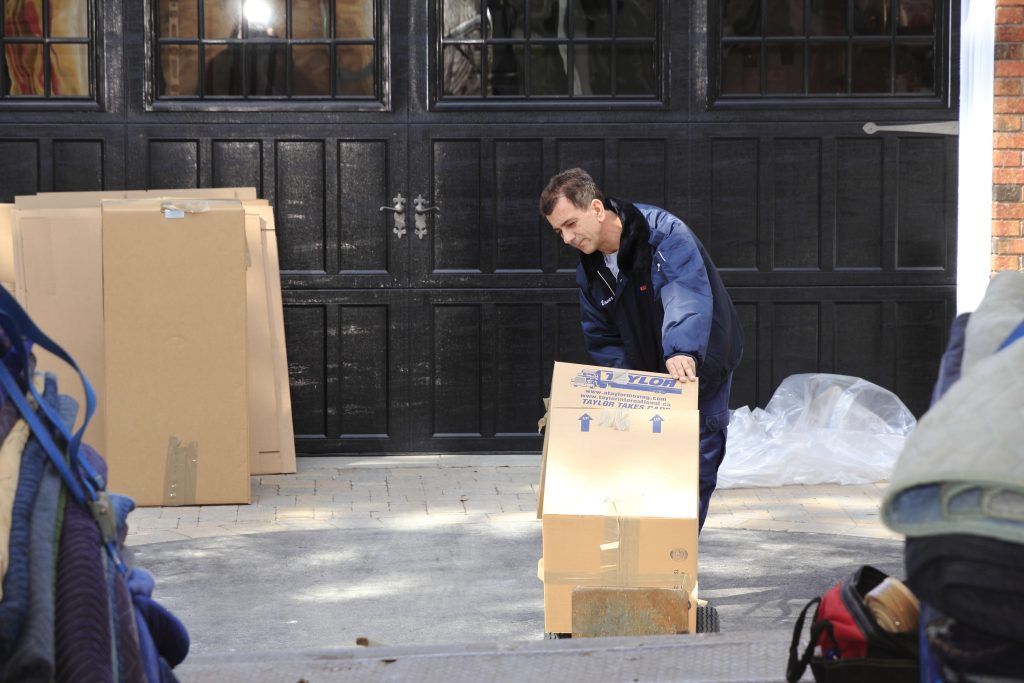
Declare fresh, frozen, dried, and packaged food
Declare food even when it is commercially sealed, dried, frozen, or intended for your own kitchen. Keep original labels where possible, and do not hide snacks, pantry goods, spices, or homemade food among household boxes. A border officer can decide whether an item is admissible.
For practical trip planning, a Canada food and goods guide covers declarations and restrictions for people arriving from abroad. A moving shipment may involve different details, but the central habit is the same: disclose the product before an officer discovers it.
Check requirements for plants, seeds, soil, and gardening materials
Plants, seeds, soil, bulbs, untreated wood, and gardening tools may require special review. Soil attached to roots or tools can present a different concern from a clean, manufactured item. Photographing unusual plants and keeping labels or purchase information can help you identify them accurately.
Before packing garden materials, check whether they are permitted and whether a permit, inspection, or cleaning step applies. Do not assume that a plant’s small size makes it low risk.
Report meat, dairy, eggs, and other animal products
Declare meat, dairy, eggs, pet food, animal hides, feathers, and similar products. Even a small quantity can matter, and rules may depend on the origin and preparation. If you cannot confirm an item’s ingredients or origin, disclose it and ask for direction rather than guessing.
The same principle applies to food in a cooler or freezer. A moving company may not be able to transport perishable food, and border admissibility is a separate question from transport safety.
Confirm rules for pets and pet-related belongings
Pets should be identified as part of your travel and import planning, not packed with household goods. Check entry requirements for the animal, including health documents, vaccination records, and any species-specific conditions that apply. Pet food, medication, bedding, crates, and animal products should also be reviewed.
Before pickup, separate anything that cannot safely or legally travel in a moving truck. This reduces the chance that a last-minute pet item is accidentally loaded with the shipment.
5. Handle vehicles, recreational equipment, and special items correctly
Large or regulated items can create a second layer of work beyond the household inventory. Vehicles may require import paperwork, while boats, sporting goods, weapons, antiques, and cultural property can involve additional rules. Start early because an item that is acceptable to own may still require permission to import.
Declare cars, motorcycles, trailers, and boats
List every vehicle, trailer, boat, and recreational vehicle entering Canada, whether it is driven, towed, or shipped separately. Include identifying details such as make, model, year, and vehicle identification number when available. A vehicle should not be treated as an ordinary box on a household list.
Clean vehicles and outdoor equipment thoroughly before transport. Soil, plant material, and organic residue can create inspection concerns, especially on boats, bikes, trailers, and camping gear.
Prepare ownership and import documents for a vehicle
Gather the title, registration, bill of sale, lien information, and any documents required for import and registration. Confirm whether the vehicle meets Canadian standards and whether modifications or inspections are needed. The border officer, vehicle authority, and insurer may each require different records.
Keep the originals secure and carry copies with the declaration. If a vehicle is financed, contact the lienholder early; a missing ownership document can delay the process even when the household goods are ready.
Check sports equipment, outdoor gear, and camping items
Declare skis, bicycles, kayaks, firearms-related accessories, tents, fishing equipment, and camping supplies when they enter with your household. Clean mud, seeds, insects, and soil from gear before it is packed. Fuel, propane, and other contents of camping equipment must be handled separately and may not be accepted by a moving truck.
Make a short gear list rather than hiding these items under “garage contents.” Specific descriptions help both customs officers and movers understand what they are handling.
Plan for firearms, weapons, antiques, and cultural property
Firearms and weapons must be declared and may require permits, registration, or other documentation. Never conceal them in furniture, luggage, or a moving box. Antiques, fossils, artwork, and cultural property may also need proof of ownership, age, origin, or permission to export and import.
Ask the relevant Canadian authority for current requirements well before the crossing date. A specialist item should be identified during the estimate and packing plan, not discovered during loading.
6. Declare currency, financial instruments, and restricted goods
Some items are restricted because of public safety, health, environmental, or financial controls. Currency and monetary instruments have their own reporting threshold, while alcohol, tobacco, cannabis, medication, and hazardous materials each require separate attention. The fact that an item is legal where you bought it does not guarantee that it can enter Canada in the same way.
Report cash or monetary instruments of CAD $10,000 or more
Declare cash and monetary instruments totaling CAD $10,000 or more when required. This can include currency, bank drafts, cheques, and similar instruments. Keep them with you and maintain records that explain ownership and purpose; do not place them in a moving truck.
A declaration is not the same as a prohibition. The risk comes from failing to report the amount accurately or giving an unclear explanation when asked.
Understand rules for alcohol, tobacco, cannabis, and medication
Alcohol and tobacco are subject to limits, duties, and other conditions that can depend on your circumstances. Cannabis remains subject to Canadian rules and should never be treated as ordinary household property. Prescription and over-the-counter medication should stay with you in original packaging, with prescriptions or supporting documents where useful.
Check current federal and provincial requirements before departure. Do not rely on a friend’s previous crossing, since status, quantity, product, and destination can change the answer.
Identify prohibited or restricted household items
Review cleaning products, chemicals, weapons, animal products, plants, food, and medication before packing. Separate anything that may require a permit or special carrier. Keep a “do not load” area in the home so restricted goods are not swept into a box during a busy packing day.
For travellers, this Canadian border information is a useful starting point for documents, currency, restricted goods, and the clearance process. A permanent household move still requires checking the rules that apply to your particular status and shipment.
Never pack hazardous materials for a moving truck
Moving trucks generally cannot carry fuel, paint, ammunition, liquids, batteries, propane tanks, aerosol cans, gas cans, matches, oil, or other hazardous materials. Perishable food and pets also should not be loaded into a household shipment. Dispose of, donate, or transport these items through an approved method instead.
Make this review before the crew arrives. Removing hazardous goods at the last minute can affect the inventory, the loading plan, and the border conversation.
7. Complete the border process without avoidable delays
A well-prepared declaration is only useful if the people, paperwork, and shipment tell the same story. Keep your answers calm and direct, and do not guess when you can say that you need to verify something. Border officers control the inspection and clearance process, so allow time for questions rather than planning the crossing to the minute.
Keep declared items accessible for inspection
Carry passports, permits, inventories, receipts, and vehicle documents where you can reach them. Do not bury the only copy of a declaration under furniture or place essential medication in a truck. If officers need to inspect an item, accessible packing and clear labels make the process more manageable.
Keep a small arrival bag with documents, medication, chargers, toiletries, and a change of clothes. Those essentials should travel with you, not with the household shipment.
Answer officers’ questions clearly and consistently
Answer the question asked, using the same descriptions and values that appear on your inventory. If a relative prepared part of the list, say so and explain what you know. Do not joke about restricted goods, minimize quantities, or offer contradictory explanations.
Advance preparation can also make airport entry more orderly. The Advance Declaration service explains how eligible air travellers may submit information before arriving at participating Canadian airports, though a moving shipment may require additional documentation.
Resolve discrepancies between your inventory and shipment
If a box is missing, an item was sold, or the shipment contains something added after the declaration, explain the change promptly. Do not quietly substitute one item for another. Mark updates on your working copy and share them with the moving company and customs representative.
A discrepancy is easier to resolve when you can show when it occurred and who has the updated information. The goal is not to make the inventory look perfect; it is to make it truthful.
Coordinate customs information with your moving company
Give the moving company the final inventory, contact details, border timing, and instructions for goods to follow. Ask who will provide shipment references and who should be contacted if customs requests clarification. If your route or immigration status changes, update the people coordinating transport.
Taylor Moving & Storage can support cross-border coordination, but the household remains responsible for providing accurate information. Before departure, request a quote with the move details, planned date, origin, destination, and any items that may need special handling.
Plan Your Canada Move
If you are moving from the United States to Canada, start the conversation early with Taylor Moving & Storage so your household inventory, customs information, and transport plan can be considered together. Request a quote with the details of your residential move and any special items that need review.
Conclusion
Knowing what to declare at border when moving to Canada comes down to preparation and candour: list the goods entering the country, separate what travels now from what follows later, and check special rules before packing. Keep your documents and inventory accessible, coordinate updates with the moving company, and give border officers clear answers. A careful declaration will not remove every question, but it gives the process a dependable starting point.
Frequently Asked Questions
Do I need to declare used household goods when moving to Canada?
Yes. Used furniture, clothing, appliances, electronics, and other personal effects should be included in your declaration, even if you have owned them for years. Provide clear descriptions and reasonable values.
What are goods to follow?
Goods to follow are personal belongings that will enter Canada after you do. List them separately from goods accompanying you and keep a copy of the inventory for the later shipment.
Should I declare food in my moving boxes?
Yes. Declare fresh, frozen, dried, packaged, homemade, and pantry food. Canadian requirements vary by product and origin, so check current rules before packing.
Do plants and seeds need to be declared?
Yes. Declare plants, seeds, soil, bulbs, and gardening materials. Some may be prohibited or may require permits, inspection, cleaning, or other documentation.
How should I handle a vehicle in my household move?
List the vehicle separately and prepare its ownership, registration, import, and inspection documents. Confirm Canadian admissibility and registration requirements before shipping it.
Do I have to report cash when entering Canada?
You must report cash and monetary instruments totaling CAD $10,000 or more when the reporting requirement applies. Keep the funds and supporting records with you rather than in the moving shipment.
What should not go inside a moving truck?
Hazardous materials such as fuel, paint, ammunition, liquids, propane tanks, aerosol cans, batteries, matches, and oil generally should not be loaded. Perishable food and pets should also be handled separately from household goods.
Leave a Comment