Your Ultimate Guide to Moving Long Distance in Canada
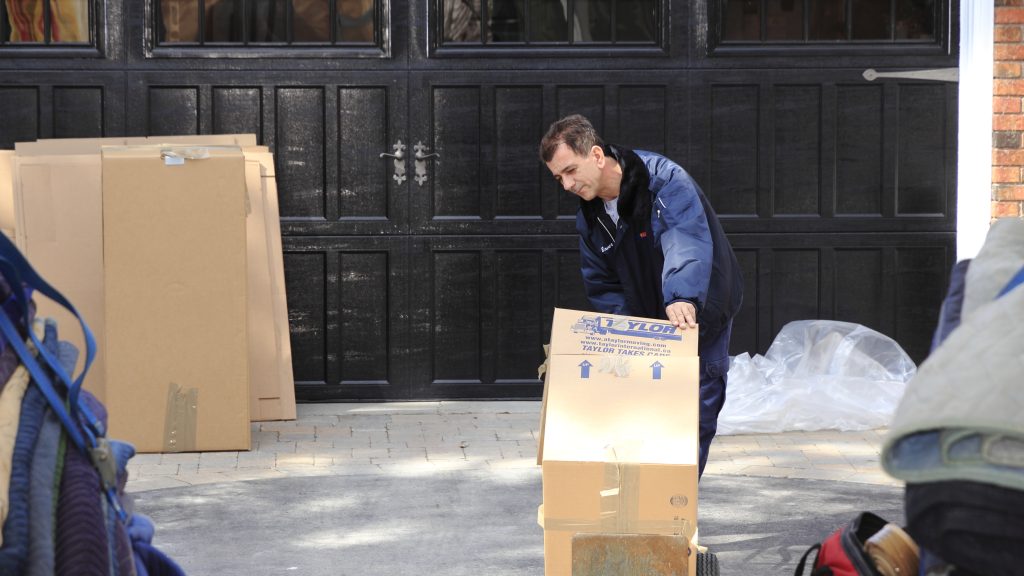
Packing up your life and moving long distance in Canada is a big job. There’s a lot more to it than just loading boxes onto a truck and heading out. Whether you’re moving from Toronto to Vancouver or anywhere else across this huge country, the process takes planning, coordination, and a bit of patience. From figuring out costs to making sure your stuff arrives safely, there are a lot of details to keep track of. This guide will help you understand what goes into moving long distance in Canada and how to make it as smooth as possible.
Key Takeaways
- Long-distance moves in Canada are priced mainly by weight and distance, not by the hour like local moves.
- Booking your move early gives you better options for dates and can lower stress.
- Weather, route, and even the time of year can affect your moving timeline and costs.
- Always check the credentials and reviews of moving companies before booking.
- Packing properly and understanding your insurance coverage helps protect your belongings on the road.
Understanding Long-Distance Moving in Canada
If you’ve ever moved down the street, you know it can be a headache. But crossing a province—or even moving halfway across the country—takes things to a whole other level. Long-distance moving in Canada is not just about packing boxes and renting a truck. It’s a bigger process, loaded with planning, paperwork, and timing. Here’s what you need to know to avoid surprises and set yourself up for a smoother relocation.
Key Differences Between Local and Long-Distance Moves
- Distance matters: In Canada, anything crossing provincial lines (or over 150 km within the same province) counts as long-distance.
- Pricing structure: Local moves are often billed hourly. Long-distance moves usually factor in the weight of your shipment, route, and sometimes even timing.
- Logistics and paperwork: Moving long-distance means there’s more planning, more permissions, and sometimes even customs checks if you’re headed out of Province or crossing borders.
- Delivery windows: You often won’t get a same-day or even next-day delivery like you might locally. Longer hauls take longer, and your stuff may be grouped with other shipments for efficiency.
In long-distance moving, extra coordination is required to manage everything from scheduling to securing your household goods in transit—and that’s even before Canada’s unpredictable weather comes into play.
How Moving Companies Calculate Costs for Long Distances
Most Canadian movers use a combination of weight and distance when figuring out your final cost. Here’s a simplified breakdown:
| Factor | Local Move | Long-Distance Move |
|---|---|---|
| Pricing Basis | Hourly | Weight + Distance |
| Fuel Surcharge | Sometimes | Always |
| Travel Fees | Minor | Significant |
| Delivery Window | Fixed Day | 1-10 day spread (typical) |
- Weight of Items: Heavier shipments cost more.
- Kilometers Traveled: The farther you go, the more it costs.
- Time of Year: High demand (like summer) often means higher prices.
- Extra Services: Packing, storage, and specialty items add to your quote.
For a more in-depth look, check out this explanation of long-distance moving costs.
Typical Timeline for Moving Long Distance in Canada
Getting your belongings from A to B across Canada isn’t always quick. Here’s what to expect:
- Booking: Try to reserve your movers 4-8 weeks in advance, especially in the busy summer months.
- Packing and Pickup: Most companies will take a full day (sometimes two) to pack and load everything. Major moves may need custom crating or special prep for fragile and valuable items.
- Transit: This can range from a couple of days to two weeks. The exact timing depends on distance, weather, and the mover’s delivery schedule.
- Delivery: Your mover will typically give a delivery spread (e.g., between July 10-18) so you know when to expect your stuff. If you’re moving remote or rural, add a few days.
- Weather delays are common, especially in winter.
- If your shipment is grouped with others (which is common), delivery depends on route efficiency.
- Some companies offer guaranteed delivery dates—for a higher fee.
Moving long-distance in Canada means more variables, but with planning, you can keep stress in check and set realistic expectations for your big move.
Factors That Impact the Cost of Moving Long Distance Canada
Moving your life across the vast Canadian landscape is no small feat, and understanding what drives the price tag is key to budgeting effectively. It’s not just about the distance; several other elements play a significant role in how much you’ll end up paying.
Weight vs. Hourly Pricing: What to Expect
For local moves, companies often charge by the hour because they can better estimate the time involved. However, when you’re moving long distances in Canada, the game changes. The weight of your belongings becomes a primary factor. Think about it – a truck carrying more stuff uses more fuel and requires more effort to load and unload. This is why most long-distance movers base their quotes on the total weight of your shipment. Some might offer hourly rates for shorter long-distance hauls, but for true cross-Canada moves, weight is usually king. It’s important to get an accurate estimate of your belongings’ weight beforehand.
Here’s a general idea of how weight can influence costs:
| Shipment Size | Estimated Weight (lbs) | Potential Cost Range (CAD) |
|---|---|---|
| Small Studio | 1,000 – 2,500 | $1,500 – $3,500 |
| 1-Bedroom Apt | 2,500 – 5,000 | $2,500 – $5,500 |
| 2-Bedroom Home | 5,000 – 10,000 | $4,000 – $8,000 |
| 3+ Bedroom Home | 10,000+ | $6,000+ |
Note: These are rough estimates and can vary significantly based on other factors.
Mileage and Route Considerations
Obviously, the further you go, the more you’ll pay. But it’s not just the straight-line distance between your old place and your new one. Movers consider the actual route they’ll take. Are there major highways available, or will they need to navigate smaller, slower roads? Are there any particularly challenging terrains or weather conditions common on that route, especially if you’re moving between provinces like from the Prairies to the Maritimes during winter? These factors can affect fuel consumption, travel time, and overall logistics. For instance, a move from Toronto to Vancouver covers a huge distance, and the route taken will impact the final price. Some companies might even offer better rates on popular cross-country routes where they already have established logistics.
Why Quotes Can Vary Dramatically Between Movers
Ever get multiple quotes and scratch your head at the huge differences? It’s common. Here’s why:
- Different Costing Models: As we discussed, some movers might lean more heavily on weight, others on estimated time, and some might have different formulas for mileage.
- Included Services: Does the quote include packing, unpacking, or special handling for fragile items? A basic transport quote will be much lower than one that covers full-service packing.
- Insurance and Liability: The level of protection offered for your belongings can significantly alter the price. Higher coverage usually means a higher cost.
- Operational Costs: Each company has its own overhead – truck maintenance, fuel costs, employee wages, insurance premiums, and technology investments. These all factor into their pricing.
- Demand and Availability: If you’re moving during peak season (summer months) or on a popular route, prices might be higher due to demand.
It’s really important to understand what’s included in each quote. Don’t just look at the bottom line. Ask for a detailed breakdown. Sometimes the cheapest option might seem appealing, but it could end up costing you more in the long run if it doesn’t include adequate protection or service.
When comparing, remember that the cheapest quote isn’t always the best value. Look for a company that provides clear pricing, good communication, and a solid reputation for handling long-distance moves across Canada.
Planning Your Long-Distance Move for Success
Moving across Canada is a big deal, and honestly, it can feel pretty overwhelming if you don’t have a solid plan in place. It’s not like just popping over to a new neighbourhood; this is a whole new province, maybe even a different time zone! Getting this right from the start makes all the difference.
When to Book Your Move for Maximum Flexibility
Timing is everything when you’re planning a big move. If you’re looking to have the most options and potentially better rates, booking your move well in advance is key. Think weeks, not days. The sweet spot for booking a long-distance move in Canada is typically between 6 to 8 weeks before your desired moving date. This gives you a good window to secure your preferred moving company and dates, especially if you’re moving during peak seasons like the summer months or at the end of the month. Booking too late can mean limited availability and higher prices, which is the last thing you want when you’re already dealing with the costs of relocating.
Here’s a general idea of when to aim for:
- 6-8 Weeks Out: This is your prime booking window. You’ll have the best selection of movers and dates. Start getting quotes and comparing your options.
- 4-6 Weeks Out: Still a good time, but availability might start to shrink, especially for popular dates. You might see prices tick up slightly.
- 2-4 Weeks Out: You’ll likely have fewer choices and might have to be more flexible with your moving dates. Prices could be higher.
- Less than 2 Weeks Out: This is considered last-minute. Expect limited availability and potentially higher costs. You might need to scramble to find a company that can accommodate you.
Remember, the further you’re moving within Canada, the more complex the logistics become. Giving yourself and your movers ample time is a smart move.
Creating a Realistic Moving Checklist
A checklist is your best friend during a long-distance move. It helps you stay organized and ensures nothing important gets missed. Think of it as your roadmap from your old place to your new Canadian home. Start with the big stuff and then break it down into smaller, manageable tasks. This isn’t just about packing boxes; it’s about coordinating everything from utilities to changing your address.
Here’s a sample of what your checklist might include:
- Declutter and Sort: Go through your belongings room by room. Decide what you’re keeping, donating, selling, or tossing. The less you move, the less it costs.
- Research and Book Movers: Get multiple quotes and check reviews. This is a big one, so don’t rush it. Compare quotes carefully to find the best value.
- Notify Important Parties: Inform your bank, insurance companies, Canada Post, and any subscription services about your upcoming move.
- Arrange Utilities: Schedule disconnection of services at your old place and connection at your new one. This includes electricity, gas, internet, and water.
- Pack an Essentials Box: This box should contain items you’ll need immediately upon arrival, like toiletries, a few changes of clothes, medications, phone chargers, and basic tools.
- Plan for Pets and Children: If you have pets or kids, make arrangements for their comfort and safety during the moving process.
- Final Walk-Through: Before leaving your old home, do a thorough check to ensure nothing is left behind and all utilities are off as planned.
Communicating Effectively With Your Movers
Good communication with your moving company is absolutely vital for a smooth long-distance move. They’re the experts in getting your stuff from Point A to Point B across Canada, but they need clear direction from you. Don’t be shy about asking questions or clarifying details. A good moving company will be proactive in their communication, but it’s a two-way street.
Make sure you have:
- A Designated Contact Person: Have one person from your household who is the main point of contact for the movers. This avoids confusion.
- Clear Expectations: Discuss pickup and delivery windows, any potential delays, and what happens if something goes wrong. Understand their policies on damage and liability.
- Confirmation of Details: Get everything in writing – the quote, the inventory list, the pickup and delivery dates, and the payment terms. This protects both you and the moving company.
- Updates on Arrival: If possible, arrange for the movers to provide updates on their estimated arrival time, especially for the delivery.
Being clear and upfront with your movers about your needs and expectations can prevent misunderstandings and make the entire process much less stressful. It’s about building trust and working together to get your belongings safely to your new Canadian home.
Choosing the Right Long-Distance Moving Company in Canada
So, you’ve decided to move across the country. That’s a big deal! Now comes the part where you need to find a moving company that can actually handle a move of this size. It’s not like just moving across town, right? You need a company that knows the ins and outs of long-distance travel within Canada, from the Maritimes all the way to British Columbia.
Evaluating Moving Company Credentials and Reputation
Before you even think about getting quotes, you need to do some homework. A good moving company will have a solid reputation. Look for companies that have been around for a while and have a track record of successful long-distance moves. Check out their reviews online – not just the star rating, but what people are actually saying. Are they mentioning professionalism, punctuality, and how well belongings arrived? Companies like Great Canadian Van Lines have been doing this for decades, which is a good sign.
- Check for Licensing and Insurance: Make sure the company is properly licensed and insured for long-distance moves in Canada. This protects you if something goes wrong.
- Read Online Reviews: Look at Google, Yelp, and other review sites. Pay attention to recurring themes, both good and bad.
- Ask for References: A reputable company should be willing to provide references from past long-distance clients.
- Look for Experience: How long have they been specializing in cross-Canada moves? Experience matters when you’re covering thousands of kilometers.
Comparing Quotes: Value vs. Cheapest Price
This is where things can get tricky. You’ll get quotes, and they might look wildly different. It’s tempting to just go with the cheapest one, but that’s often a mistake. The cheapest quote might mean they’re cutting corners somewhere, which could lead to problems down the road. You want to find a company that offers good value for the price.
The lowest price isn’t always the best deal. Sometimes, paying a bit more upfront for a reliable company can save you a lot of headaches and unexpected costs later on.
Here’s what to consider when comparing:
- What’s Included? Does the quote cover packing, loading, unloading, and any necessary transit insurance? Or are there hidden fees?
- Binding vs. Non-Binding Estimates: Understand the difference. A binding estimate is a fixed price, while a non-binding one can change.
- Company Reputation: Does the cheapest company have a lot of negative reviews? That’s a red flag.
- Services Offered: Does the quote align with the services you actually need? Don’t pay for things you don’t want, but don’t skimp on what’s important.
Questions to Ask Before You Book
Once you’ve narrowed down your choices, have a conversation with them. Don’t be afraid to ask a lot of questions. This is your chance to get a feel for their professionalism and how they handle your concerns. You can find resources that highlight top long-distance moving companies to help you know what to look for.
- How do you calculate your long-distance moving costs? (They should explain mileage, weight, and any other factors).
- What kind of insurance or liability coverage do you provide for long-distance moves?
- Can you provide a detailed, written estimate? What exactly does it include?
- What is your process for handling damaged items?
- How do you handle specialty items like pianos or artwork?
- What is your estimated timeframe for pickup and delivery?
- Do you use your own employees or contract out parts of the move?
- What are your payment terms and methods?
Asking these questions will not only give you the information you need but also show you how the company communicates and handles inquiries. A company that is transparent and patient with your questions is usually a good sign.
Protecting Your Belongings During a Long-Distance Move
Moving your life across Canada is a big deal, and keeping your stuff safe is a top priority. It’s not just about getting from Point A to Point B; it’s about making sure your cherished items arrive in the same condition they left. This means thinking carefully about how things are packed and what happens to them on the road.
Packing Services and Supplies for Secure Transit
When you’re moving long-distance, the packing process is way more involved than just tossing things into boxes. The journey across the country can be rough on your belongings. That’s why using the right packing supplies is so important. Think sturdy boxes that can handle a lot of weight without breaking. You’ll want to make sure you have plenty of packing paper, bubble wrap, and strong tape to keep everything secure. Proper packing prevents items from shifting and breaking during transit. If you’re not sure about packing everything yourself, most moving companies offer professional packing services. These pros know how to pack everything from your delicate dishes to your bulky furniture, using materials and techniques that offer the best protection.
Insurance and Liability for Long-Distance Moves
Even with the best packing, accidents can happen. That’s where moving insurance and liability coverage come in. When you hire a moving company for a long-distance move within Canada, they usually offer different levels of protection. Basic liability is often included, but it typically covers only a small amount per pound, which might not be enough for your valuable items. You can usually purchase additional coverage, often called declared value protection or full value protection, which offers more comprehensive coverage for your belongings. It’s a good idea to understand exactly what each option covers and what it doesn’t before your move day. Don’t be afraid to ask your mover for a clear explanation of their policies.
How Movers Handle Specialty and Fragile Items
Some items need extra attention. Think about things like artwork, mirrors, large flat-screen TVs, or even musical instruments. These aren’t your everyday items, and they require special care. Professional movers often have specific methods for packing and transporting these kinds of things. This might include custom crating for fragile items or specialized padding and securing techniques for large, awkward pieces. For example, a piano or a large antique armoire will be handled very differently than a box of books. Always discuss any specialty items you have with your moving company well in advance so they can plan accordingly and ensure these pieces are protected throughout the entire journey across Canada.
Moving across the country means your belongings will be on the road for a longer period and potentially handled by more people than a local move. This increased exposure means that careful planning and protection are not just good ideas, they’re necessary steps to ensure everything arrives safely at your new Canadian home.
Moving Cross-Province or Across Canada: Special Considerations
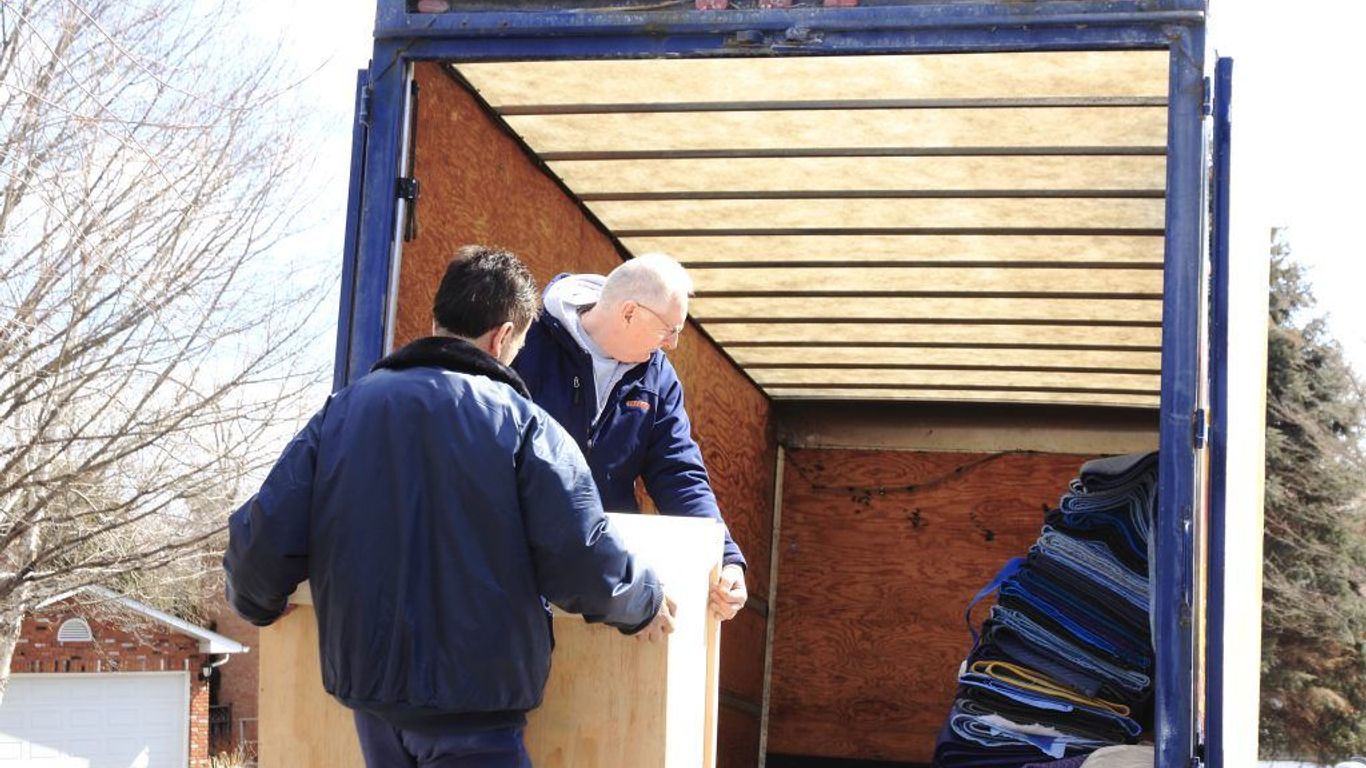
Moving long distance within Canada is a journey—sometimes literally thousands of kilometers through changing landscapes, time zones, and provinces, each with its own rules. It can feel complicated, not just because of the distance, but also because of unique Canadian geography and all the practicalities that come up along the way. Here’s a closer look at what to watch for if you’re planning a big move across provinces or even from one side of the country to the other.
Most Popular Long-Distance Routes in Canada
Certain routes see more traffic due to job changes, university moves, or people chasing better weather. Here’s a quick overview of major moving corridors:
| Route | Typical Distance (km) | Estimated Drive Time (hours) |
|---|---|---|
| Toronto to Vancouver | ~4,350 | ~43 |
| Calgary to Montreal | ~3,600 | ~36 |
| Ottawa to Halifax | ~1,400 | ~14 |
| Edmonton to Toronto | ~3,400 | ~34 |
These popular routes have well-planned logistics but can still be unpredictable because of traffic, weather, and national holidays.
How Weather and Geography Affect Your Move
Canada’s climate and geography play a big role in planning:
- In winter, snow and icy highways can cause unavoidable delays—especially over the Rockies or through the Prairies.
- Moving in the spring is often smoother but watch for flooding or muddy secondary roads.
- Wildfire season (usually summer) can disrupt even the busiest highways in British Columbia and Alberta.
- Ferry-dependent locations, like Vancouver Island or Newfoundland, require a unique approach for timing and packing.
A successful long-distance move in Canada is often about flexibility. If weather shuts down a road or ferry, having a buffer in your schedule and a little patience can make all the difference.
Tips for Moving to Remote or Rural Destinations
If your new address is far from a city, add more prep time and double-check the details. Here’s how to make rural or remote moves less stressful:
- Confirm road access: Some addresses in northern or remote areas can be tricky for large trucks, especially in wet or snowy seasons.
- Ask about storage: If roads are impassible, sometimes items are kept in secure storage until they can be delivered.
- Plan for multi-step delivery: Movers may need to transfer your belongings from a big truck to a smaller vehicle for the last stretch.
- Check local regulations: Different provinces and even towns may have their own moving, parking, or unloading rules. Learn about updating your driver’s license, vehicle registration, and insurance after provincial moves in this handy overview.
- Budget for extra costs: Travel surcharges can apply for ferries, tolls, or remote locations. Also, housing and living costs can shift quite a lot—especially in hard-to-reach areas. See the biggest cost items to expect in this article on moving province.
Moving across Canada isn’t just packing a truck and hitting the highway. Planning for the unique hurdles of Canada’s landscape will save a lot of headaches and help your move go as smoothly as possible.
Making the Most of Your Lump-Sum or Relocation Allowance

So, your employer is giving you a lump sum or a relocation allowance to help with your move across Canada. That’s great news! It means you have some flexibility in how you handle the move, but it also means you’re the one in charge of making sure the money is spent wisely. It’s not just about getting from Point A to Point B; it’s about getting there without breaking the bank or losing your mind.
DIY Moving vs. Full-Service Movers
This is probably the biggest decision you’ll make when you have a lump sum. Do you go the DIY route, or do you hire professionals? A DIY move, like renting a truck and doing all the packing and loading yourself, can seem like the cheapest option upfront. You’re in control, and you can save money by doing the labor. However, think about the time commitment. Packing everything, loading a truck, driving it hundreds or thousands of kilometers across the country, unloading, and then returning the truck – it’s a lot. Plus, if anything gets damaged, it’s on you. On the flip side, a full-service mover handles pretty much everything. They pack, load, transport, and unload. It’s way less work for you, and they usually have insurance to cover damages. The downside? It costs more. You need to figure out what’s more important: saving money or saving your time and sanity. For a big move across provinces, hiring professionals often makes more sense, especially if your allowance is decent. You can often get a good deal by comparing quotes from different companies. Remember, if your employer is covering some of these costs, the money they give you might not be taxable, which is a nice bonus [3635].
How to Stretch Your Relocation Budget
Even with an allowance, you want to make that money go as far as possible. Here are a few tips:
- Get Multiple Quotes: Don’t just go with the first company you call. Get at least three detailed quotes. Look at what’s included in each one. Some might have hidden fees for stairs, long carries, or packing supplies.
- Pack Yourself (Strategically): If you decide to pack yourself, start early. Declutter ruthlessly before you pack anything. The less you move, the less it costs. Use free boxes from local stores or ask friends if they have any spares. Just make sure you pack fragile items well.
- Consider Timing: Moving during the off-season (fall or winter, avoiding holidays) can sometimes be cheaper than during the busy summer months. Weekdays might also be less expensive than weekends.
- Negotiate: Don’t be afraid to ask movers if there’s any wiggle room on the price, especially if you’re getting quotes from several companies. Sometimes they can offer a better rate to secure your business.
Selecting Services That Offer the Best Value
When you’re looking at quotes, think about value, not just the lowest price. The cheapest mover might cut corners, leading to damaged goods or a stressful experience. Look for companies with good reviews and a solid reputation. A company that offers a not-to-exceed estimate, for example, gives you a price ceiling, which is great for budgeting. You might also want to see if they offer services like a move coordinator. Having someone to help manage the details can be a lifesaver, especially for a long-distance move across Canada. It’s about finding a balance between cost and peace of mind. The goal is to have your belongings arrive safely and on time without you having to spend your entire allowance (and then some) or endure a move that feels like a disaster.
When you have a relocation allowance, it’s a great opportunity to get a professional moving service without it coming directly out of your pocket. Treat it like a budget you need to manage carefully. Compare services, read reviews, and don’t be afraid to ask questions. Your employer is giving you a tool to make your move easier; use it smartly.
Got a lump sum or relocation allowance? Don’t let it go to waste! Planning your move can be tricky, but with the right help, you can make the most of your moving money. We can help you figure out the best way to use your allowance for a smooth and stress-free relocation. Ready to make your move easier? Visit our website today to learn more and get a free quote!
Conclusion
So, that’s the big picture when it comes to moving long distance in Canada. It’s not just about getting your stuff from one place to another—there’s a lot of planning, organizing, and a bit of patience involved. Every move is different, and things like timing, distance, and even the weather can throw a curveball. But with the right moving company and a clear plan, you can make the whole thing a lot less stressful. Remember to ask questions, get your quotes in writing, and give yourself plenty of time to get ready. Whether you’re heading from Toronto to Vancouver or anywhere in between, a little preparation goes a long way. Good luck with your move, and if you need help, don’t be shy about reaching out for a quote or some advice. Safe travels!
Frequently Asked Questions
How are long-distance moving costs figured out in Canada?
Long-distance moving costs in Canada are usually based on the weight of your stuff and how far it needs to go. Movers may also look at things like how easy it is to get to your home, if you need packing help, and if you have any really big or special items. Some companies give you a set price, while others might charge by the hour or by weight.
Why do prices for long-distance moves change so much between companies?
Prices can be very different from one moving company to another. This is because each company might use different ways to figure out the cost, offer different services, or have different levels of experience. Some movers include more things in their quotes, like packing or insurance, while others charge extra for those. Always ask what’s included so you can compare fairly.
How far ahead should I book my long-distance move?
It’s best to book your move at least three to four weeks before your moving day, especially if you’re moving in the busy summer months. Booking early gives you more options for dates and helps make sure everything goes smoothly.
What’s included in a long-distance moving service?
Most long-distance moving services include loading your stuff, driving it to your new place, and unloading it. Some movers also offer packing, unpacking, and storage options. Always check with your moving company to see what is included in their price and if there are extra fees for things like stairs, elevators, or heavy items.
How do movers protect my things during a long-distance move?
Movers use things like padded blankets, shrink wrap, and strong boxes to keep your items safe. For really fragile or special items, they might use custom crates. You can also ask about buying extra insurance for more peace of mind.
Can I move on the exact day I want?
Moving companies try to work with your schedule, but the exact day may depend on how busy they are and the route they need to take. If you have a specific date in mind, book as early as possible and talk to your mover about your needs.
Leave a Comment