CBSA B4 form for moving to Canada from the US: a practical guide to BSF186

Key Takeaways
The BSF186, commonly called the B4 form, gives the Canada Border Services Agency a clear record of the personal effects you are importing. A careful inventory, separated into accompanying goods and goods to follow, can make the border process easier to manage.
- Complete the BSF186 and any BSF186A continuation sheets before arriving in Canada.
- List household goods with clear descriptions, quantities, and values in Canadian dollars.
- Separate items travelling with you from belongings arriving later with the shipment.
- Check requirements for vehicles, food, plants, firearms, and other controlled goods.
- Keep matching copies of your forms, inventory, travel documents, and shipping paperwork.
What the CBSA B4 form is and why it matters
For anyone researching a CBSA B4 form moving to Canada from US, the first point to understand is that “B4” is the familiar name for the BSF186 Personal Effects Accounting Document. It is used to declare personal and household goods entering Canada as part of a move or return. The form is not a moving estimate or delivery order; it is a customs document, and the details should reflect what you genuinely plan to import.
The relationship between the B4 form and BSF186
BSF186 is the official form name, while B4 is the name many travellers and moving professionals still use. The main document records the importer’s information and a list of goods, while BSF186A provides additional space when the inventory is too long for the main form. The Canada Border Services Agency’s BSF186 document includes fields for personal details, countries of origin and export, goods, values, and conveyances such as vehicles.
Who should complete the form when moving household goods
The person importing the household goods should complete and sign the declaration. This may be a settler, former resident, seasonal resident, or another eligible traveller, depending on the circumstances of the move. A mover can help organize information and prepare shipping paperwork, but the importer remains responsible for reviewing the declaration before presenting it to CBSA.
When to present the form to the Canada Border Services Agency
Present the completed paperwork when you first enter Canada and speak with a CBSA officer about your move. Have your passport, visa or other immigration documents, and any available confirmation documents ready as well. The officer may ask questions about your residence, shipment, and the goods listed, so your answers should match the paperwork rather than rely on memory.
How the form supports duty- and tax-free importation
Eligible settlers and returning residents may be able to import qualifying personal effects without duty and taxes when the applicable conditions are met and the goods are properly declared. The form creates a written record of what you own and intend to bring into Canada. It does not guarantee a particular customs outcome, so confirm eligibility and special rules with CBSA before travelling.
What to include on your personal effects list
A personal effects list should be detailed enough for an officer to understand what each entry means without opening every box. Start before packing, when you can still see the contents of your home and decide what will travel now, what will follow, and what will not be imported. For broader planning, this Canada–US customs guide can help you think through inventories, ownership records, and restricted goods.
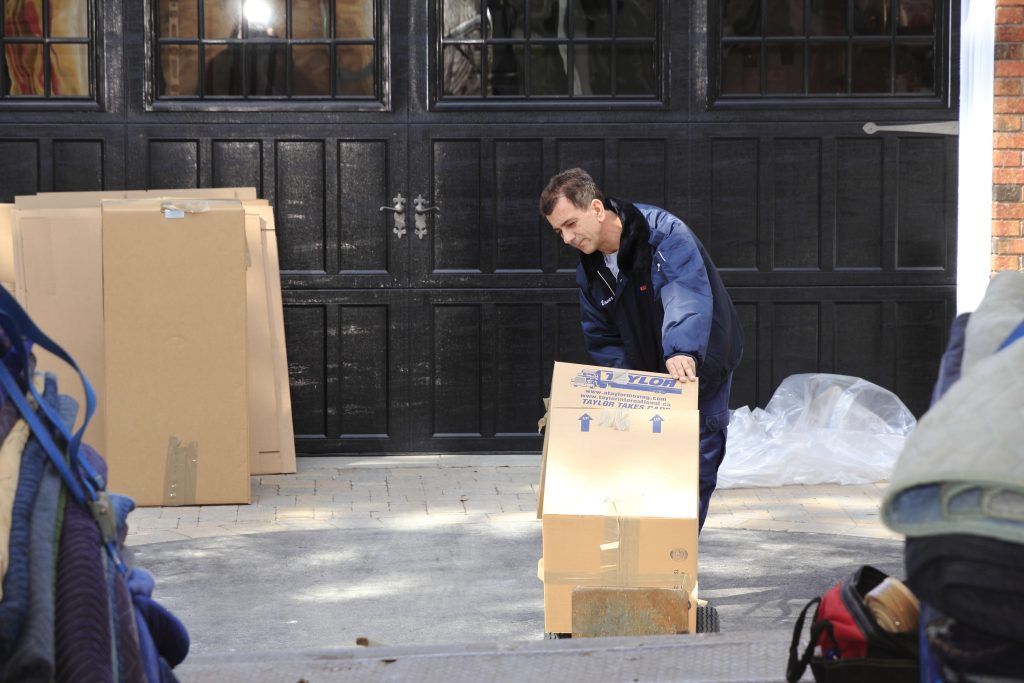
Goods accompanying you at the border
Goods accompanying you are items you carry or otherwise have available when you make your declaration at the Canadian port of entry. Include luggage contents that form part of your household effects, as well as personal items travelling in your vehicle. Keep this group distinct from the larger shipment so the officer can see what is present immediately and what is expected later.
Goods arriving later with your shipment
Goods to follow are belongings that will enter Canada after you do, often on a moving truck or through another delivery arrangement. They still belong on the original declaration, even though they are not physically with you at the border. Give the mover a copy of the same list and keep the stamped or accepted paperwork for reference when delivery is arranged.
New, used, inherited, and gifted items
Describe the ownership history honestly. Used furniture, recently purchased appliances, inherited possessions, and gifts can all need different explanations or supporting records, particularly when an item is valuable or unusual. Avoid assuming that a gift has no customs relevance simply because you did not pay for it.
High-value belongings that need detailed descriptions
High-value goods deserve more than a label such as “personal items.” Identify the type, material, brand or maker where useful, approximate age, and serial number when one exists. Receipts, appraisals, photographs, and insurance records can support the value and ownership history if questions arise.
Vehicles, jewelry, electronics, and other special items
Vehicles and other conveyances have their own information fields, including make, model, identifying number, and value. Jewelry and electronics should be described individually or in sensible groups, with identifying details for expensive pieces. Before packing regulated or unusual goods, consult the relevant Canadian authority; the CBSA forms collection is a useful starting point for official documents.
How to complete the B4 form accurately
Accuracy is mostly a preparation exercise. Gather your travel and immigration information, build the inventory room by room, and leave time to review the final version before departure. A form that is legible and internally consistent is easier to discuss at the border than a rushed list assembled while loading the car.
Entering personal information and travel details
Enter your name, address, country information, port of entry, and travel or immigration details exactly as they appear on your official documents. Check dates, identification numbers, and spelling carefully. If your status or destination address is still developing, ask CBSA or an immigration professional what information should be used rather than guessing.
Writing clear descriptions instead of broad categories
“Boxes,” “clothing,” or “miscellaneous household goods” tells an officer very little. Use practical descriptions such as “used oak dining table,” “27-inch television,” or “stainless-steel cookware, 12 pieces.” Descriptions do not need to become an essay, but they should make the item recognizable.
Recording quantities, values, and ownership status
Record the quantity and a reasonable value in Canadian dollars for each line or clearly defined group. Keep the value consistent with the age and condition of the item; an artificially low figure can create questions. Note whether goods are used, newly acquired, inherited, or gifted when that context affects how they should be understood.
Using the BSF186A continuation sheet for additional items
The BSF186A continuation sheet is designed for inventories that need more room. Number the additional pages and make the connection to the main BSF186 clear, especially when the list is prepared by more than one person. The official BSF186A form separates goods imported with you from goods that will follow later, which is a useful structure for a long household inventory.
Preparing copies for yourself, CBSA, and your moving company
Prepare copies before the trip and keep your personal copy accessible rather than buried inside the shipment. Give the moving company the version that matches your declaration, including continuation sheets and any vehicle details. Your paperwork should remain available during transport, delivery, and any later discussion about what was declared.
A simple review table can catch omissions before the forms are finalized:
| Review point | What to compare | Why it matters |
|---|---|---|
| Identity | Form, passport, visa, and travel documents | Prevents spelling and identification discrepancies |
| Inventory | B4, BSF186A, and mover’s inventory | Keeps declared goods aligned across records |
| Timing | Accompanying goods and goods to follow | Clarifies what is present at entry |
| Values | Item list, receipts, and declared amounts | Makes the valuation easier to explain |
Use the comparison as a final check, not as a substitute for reading every line. Small discrepancies are easier to correct before departure than at a busy port of entry.
How the Canada–US moving process works at the border
A US-to-Canada household move involves more than driving a truck across a line on the map. Immigration documents, customs declarations, packing records, transport arrangements, and delivery timing all need to fit together. This move to Ontario guide offers a broader planning perspective, while the B4 paperwork addresses the personal effects themselves.

What to expect when you arrive in Canada
At your first Canadian entry point, explain that you are moving household goods and ask to complete the relevant customs process. Keep your forms and identity documents close at hand. You may be directed to a secondary inspection area where an officer reviews the declaration and asks about your plans, belongings, and shipment.
How customs officers review your declaration
CBSA officers may compare your answers with the written inventory and supporting documents. They can ask about values, ownership, restricted items, or goods that are not yet in Canada. A calm, direct explanation is more useful than trying to reconstruct the inventory from photographs or memory.
Coordinating your paperwork with a cross-border mover
A cross-border mover can coordinate pickup details, shipment records, and communication around customs, but your declaration must remain your declaration. Taylor International provides international moving services, and Taylor Moving and Storage describes move coordination that can include customs services and coordination of specialty work. Confirm exactly which documents the mover prepares, which documents you sign, and when each copy is needed.
What happens when your household goods arrive separately
The shipment may arrive after your personal entry, depending on routing, border clearance, loading schedules, and delivery arrangements. The goods-to-follow list allows CBSA to understand that later shipment as part of the original move. If the shipment changes materially, contact the mover and seek direction from CBSA before assuming the original paperwork is sufficient.
Why consistent information matters across shipping documents
Your B4, continuation sheets, packing inventory, vehicle records, and transport documents should describe the same shipment. Differences in spelling, quantities, or item descriptions can lead to questions and extra review. For documentation generally, this customs paperwork guide explains why accurate descriptions and supporting records help prevent avoidable transit problems.
Common B4 form mistakes and customs delays
Most preventable delays begin before moving day. People forget items, use descriptions that are too broad, or separate the customs paperwork from the actual shipment information. A careful review does not remove every possibility of inspection, but it gives you a much stronger record when questions arise.
Leaving items off the original inventory
Do not treat the first inventory as a rough estimate that can be corrected casually later. Walk through closets, basements, storage areas, garages, and vehicles before finalizing it. If an item is undecided, record the situation and obtain advice rather than quietly adding it after the declaration has been accepted.
Providing vague descriptions or inaccurate values
Broad categories make it difficult to identify goods, while values that do not reflect age or condition can undermine confidence in the list. Group only similar, low-risk items that can be described together. Valuable, unusual, or serialized goods should generally have their own entries.
Declaring restricted, prohibited, or regulated goods incorrectly
Food, plants, firearms, ammunition, fuel, paint, liquids, batteries, propane tanks, aerosol cans, and similar items require careful checking. Some items cannot be loaded by a mover even when they are not a customs issue, and Canadian import rules may differ from US transport rules. Do not place a controlled item on the form and assume that declaration alone makes it admissible.
Confusing goods accompanying you with goods to follow
This is one of the easiest errors to make when a family flies or drives ahead of its shipment. Mark what crosses with you and what will arrive later, then use the same distinction on the mover’s inventory. The separation should be clear enough that another person can understand it without asking you to explain every box.
What to do if your plans or inventory change
If your address, travel date, shipment contents, or immigration circumstances change, keep a written record and ask the appropriate authority or your mover what must be updated. Do not overwrite an accepted form without understanding the process. Early communication is usually simpler than correcting a mismatch after the shipment is in transit.
Planning your move from the US to Canada
Customs preparation works best when it is part of the moving plan rather than a final administrative task. Begin with the inventory, then check admissibility, gather documents, and coordinate the shipment schedule. If Toronto is your destination, this US to Toronto moving guide covers related planning issues such as BSF186 forms, packing, storage, and delivery coordination.
Creating your inventory before packing begins
Create a room-by-room list before cartons are sealed. Photograph high-value items and note serial numbers while the labels are visible. Once packing starts, boxes can look alike, and it becomes much harder to remember whether an item was placed in the shipment, left behind, donated, or sold.
Checking rules for food, plants, firearms, and other controlled items
Make a separate review list for anything that could be regulated by Canadian customs, agriculture, health, wildlife, or transportation authorities. Food and plants can be restricted, and firearms require particular attention to Canadian requirements. Ask about an item before it is packed; a mover’s ordinary household-goods service is not permission to transport it.
Keeping receipts and supporting documents for high-value goods
Keep purchase records, ownership documents, appraisals, warranties, and registration papers together in a travel folder. These records can help explain value and ownership, especially for vehicles, jewelry, artwork, instruments, and expensive electronics. Carry the folder with you rather than placing irreplaceable originals in the moving shipment.
Reviewing visa, residency, and settlement details
The customs declaration is only one part of entering Canada. Review your passport, visa, work or study authorization, permanent-residence documents where applicable, and Canadian address information before travelling. The Canada entry guidance can help you review declaration expectations, but immigration questions should be directed to the relevant Canadian authority.
Getting cross-border planning help before moving day
A professional consultation can expose timing issues while there is still room to adjust the plan. Taylor International supports Canada–US moves with cross-border planning help, customs-aware coordination, and communication from estimate through delivery. Ask for moving advice early if you need help connecting your inventory, border timing, and shipment plan.
Working with a cross-border moving company
The right mover should treat a Canada move as a documentation and coordination project as well as a transport job. Ask how the company handles the inventory, who communicates about customs, and what happens if the delivery schedule changes. Taylor International offers international moving services, while the scope of each move should still be confirmed in a written quote and service plan.
Questions to ask about customs coordination
Ask whether the company has experience with residential US-to-Canada moves, what information it needs for the inventory, and how it communicates shipment changes. Confirm whether customs support means document coordination, general guidance, or a separate service. Also ask what you must present personally at the border.
How movers use your inventory and shipping paperwork
Movers use the inventory to estimate the shipment, plan loading, prepare transport records, and coordinate delivery. It should also help them identify items that cannot be loaded or need special handling. Review the final inventory against your signed declaration so the operational paperwork and customs paperwork do not drift apart.
Packing services, storage, vehicles, and specialty items
Discuss professional packing, storage, vehicle transport, custom crating, and fragile or oversized belongings during the estimate. Not every item can travel on a moving truck: common exclusions may include perishable food, fuel, paint, ammunition, liquids, batteries, propane tanks, aerosol cans, matches, oil, pets, and similar hazards. A written plan helps separate ordinary household goods from items requiring another arrangement.
Protecting your belongings during transport and delivery
Ask how furniture, electronics, artwork, glass, and other valuable belongings will be wrapped, crated, stored, and delivered. Confirm insurance or valuation coverage, storage conditions, access procedures, and the process for recording damage. These questions are practical, not pessimistic; they clarify responsibility before the shipment leaves the United States.
When to request a quote for moving to Canada from the US
Request a quote once you know the approximate origin, Canadian destination, desired timing, vehicle needs, storage requirements, and likely shipment size. Earlier planning gives more time to build the inventory and resolve restricted-item questions. Taylor Moving and Storage advises scheduling at least three weeks ahead when possible, although availability can vary, so earlier is sensible for a complex cross-border move.
A quote is most useful when it reflects the real shipment rather than a quick guess. Share the inventory honestly and ask which assumptions could change the final price or delivery plan.
Plan Your Canada Move
Moving to Canada is easier to manage when the B4 declaration, immigration documents, inventory, and transport plan are prepared as one connected file. If you are ready to discuss the practical details, request a cross-border quote and outline your expected origin, destination, timing, and household goods.
Conclusion
The BSF186 or B4 form is a straightforward document when the inventory is prepared carefully, values are reasonable, and accompanying goods are clearly separated from goods to follow. Begin early, verify special-item rules, keep copies with you, and make sure your moving company has the same information you provide to CBSA.
Frequently Asked Questions
Is the B4 form the same as BSF186?
Yes. B4 is the common name for the BSF186 Personal Effects Accounting Document used to declare personal and household goods entering Canada.
What is the BSF186A used for?
BSF186A is a continuation sheet for listing additional personal effects when the main BSF186 does not provide enough space.
Should goods arriving later be listed?
Yes. Goods that will arrive after you enter Canada should be declared and clearly separated from goods accompanying you at the border.
What currency should I use for values?
The BSF186 requests values in Canadian dollars. Use reasonable values that reflect the age and condition of the goods.
Do vehicles belong on the B4 form?
Vehicles and other conveyances have designated fields on the form. They may also be subject to separate import, registration, and eligibility requirements.
Can I bring food and plants into Canada?
Food, plants, and related goods may be restricted or subject to specific requirements. Check the current Canadian rules before packing them.
What should I do if my inventory changes?
Keep records of the change and ask CBSA or your moving professional what steps are required before the goods cross the border. Do not assume an accepted declaration can simply be replaced without guidance.
Leave a Comment